Home
Blog
Find 500 B2B Contacts for Free Every Month with Built-In Outreach.
Home
Blog
Adam Hossain
Published February 11, 2026
9 min
Try Oppora AI
Create Self-Running Agentic Sales Workflows like N8N just by chatting with AI
Get Started for FREE
LinkedIn outreach can grow your pipeline fast.
But unsafe automation often leads to warnings or bans.
An ai agent for LinkedIn outreach should protect your account, not risk it.
This guide explains how bans happen, what safe tools do differently, and which agents focus on steady, long-term growth.
An AI agent for LinkedIn outreach automates profile visits, connection requests, and follow-up messages.
It helps you reach more prospects without doing everything manually.
LinkedIn has strict activity limits.
Safe outreach means staying within those limits and acting naturally.
If automation is rushed or careless, it can harm your account health and reduce long-term results.
AI agents manage actions like profile views, connection requests, and follow-ups.
They control how many actions happen each day and spread them out over time.
Safer tools increase activity gradually instead of sending high volume immediately.
They adjust based on replies and engagement.
This makes the behavior look more human and less automated.
LinkedIn restricts accounts when activity does not look natural.
Sending too many requests quickly can trigger limits.
Repeating the same message to everyone can raise flags.
Continuing outreach despite low replies also signals risk.
Smart automation focuses on steady, controlled activity instead of pushing maximum volume.
To choose the right LinkedIn outreach agent, we focused on real usage behavior not marketing claims.
Our evaluation was based on practical safety factors that protect account health.
We looked for tools that support steady outreach instead of risky volume spikes.
We evaluated whether the tool:
Strong behavior control reduces unnecessary risk.
We reviewed whether the tool:
Natural patterns lower automation signals.
We checked whether the tool:
Better targeting supports safer outreach.
We analyzed whether the tool:
Long-term safety always beats short-term volume.
Choosing the right ai linkedin outreach agent can protect your account while helping you grow.
The tools below focus on steady activity, smart limits, and natural messaging.
Instead of pushing high volume, they aim for consistent outreach that keeps your LinkedIn account safe and active.
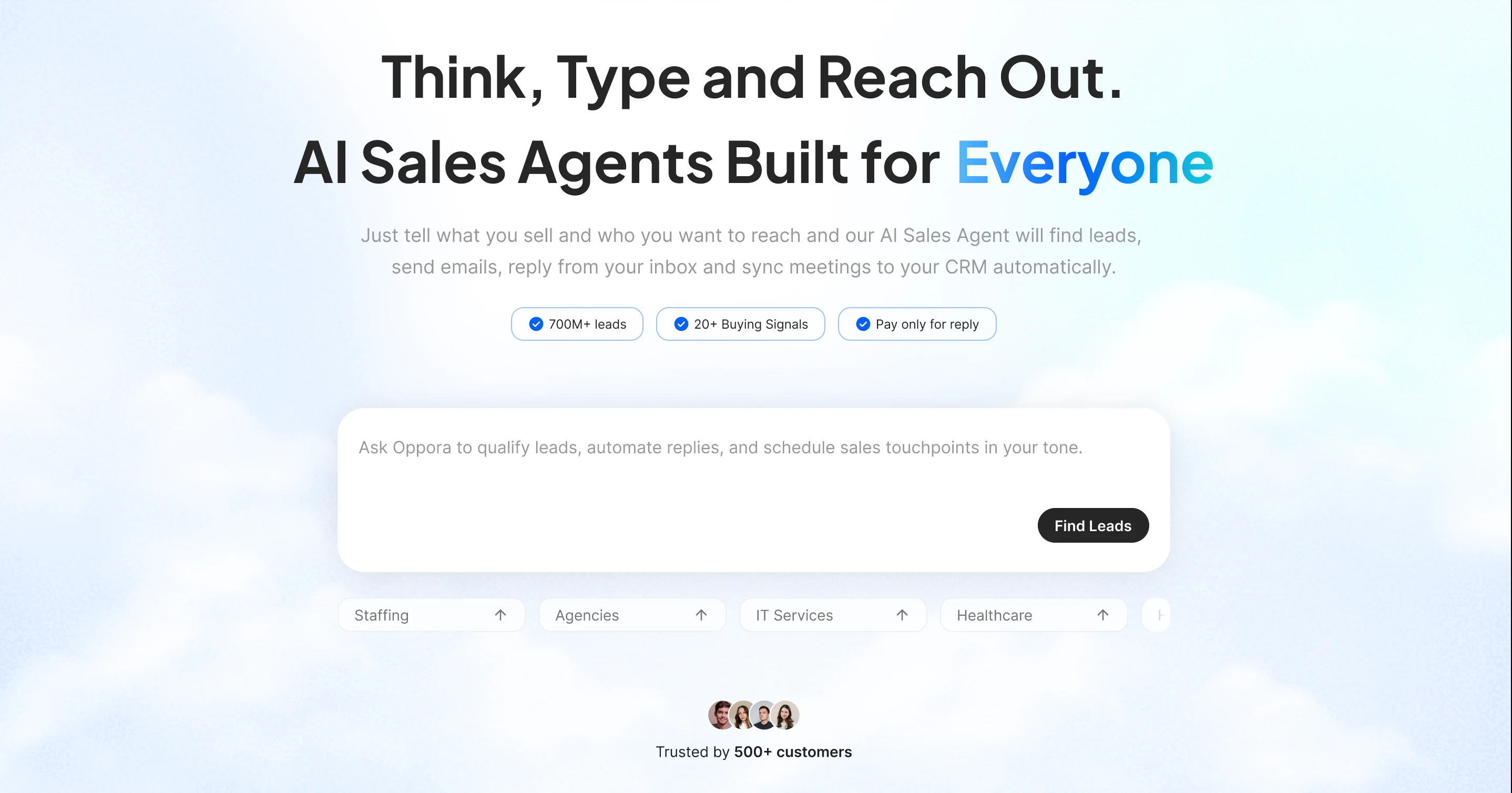
Oppora is an agentic sales platform built to automate full outbound workflows, but it also offers a focused layer of LinkedIn automation.
You connect your own LinkedIn account, and Oppora operates the actual browser session instead of routing activity through random server locations. That reduces unusual behavior patterns.
For LinkedIn specifically, Oppora only sends connection invites, not direct messages.
Invites are triggered inside structured workflows, so LinkedIn activity stays controlled, consistent, and aligned with your broader outreach system.
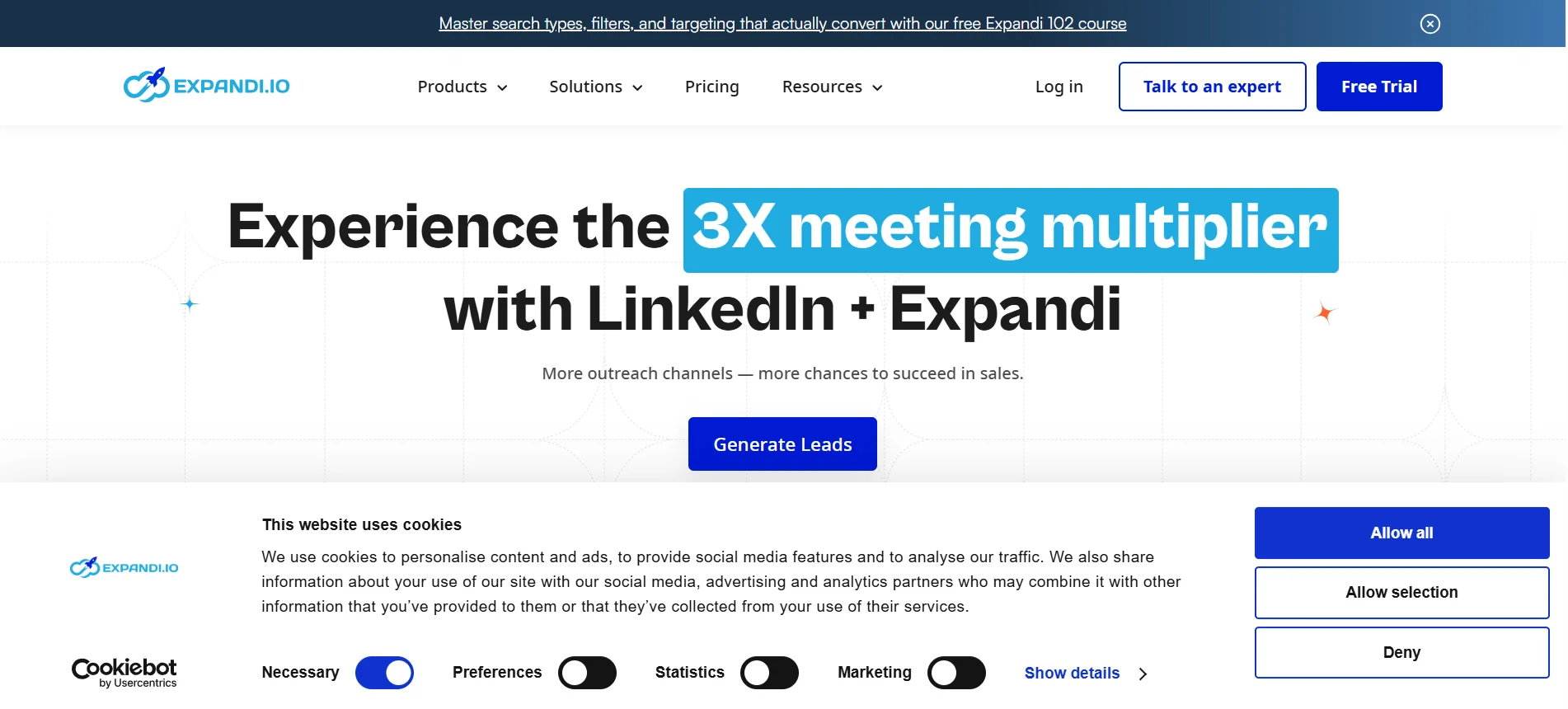
Expandi helps you run LinkedIn outreach in a steady and controlled way.
It focuses on clear limits and simple campaign steps.
The goal is to keep your account active without pushing too fast.
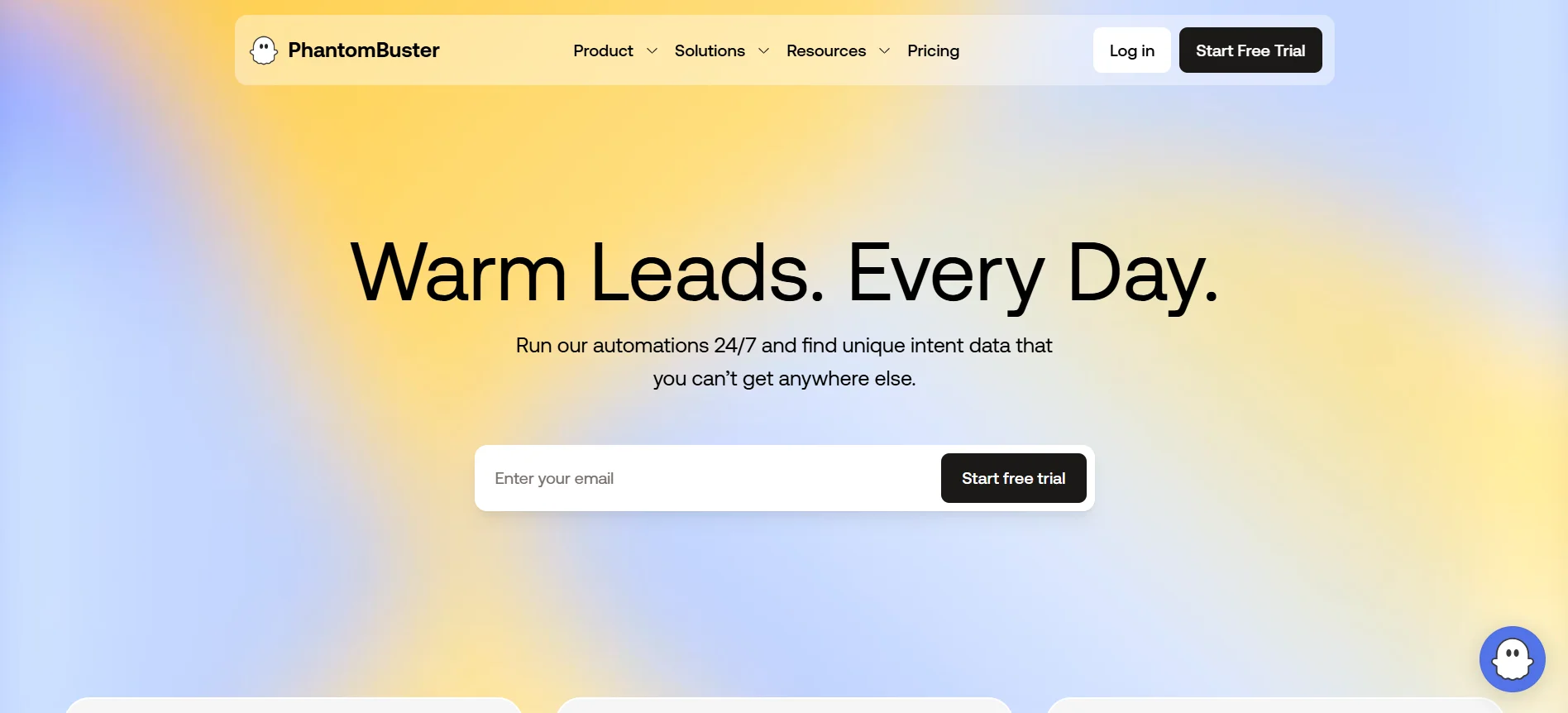
Phantombuster gives strong automation options for LinkedIn and other platforms.
It allows many custom actions and workflows.
But safety depends fully on how you set it up.
If limits are not controlled carefully, account risk can increase quickly.
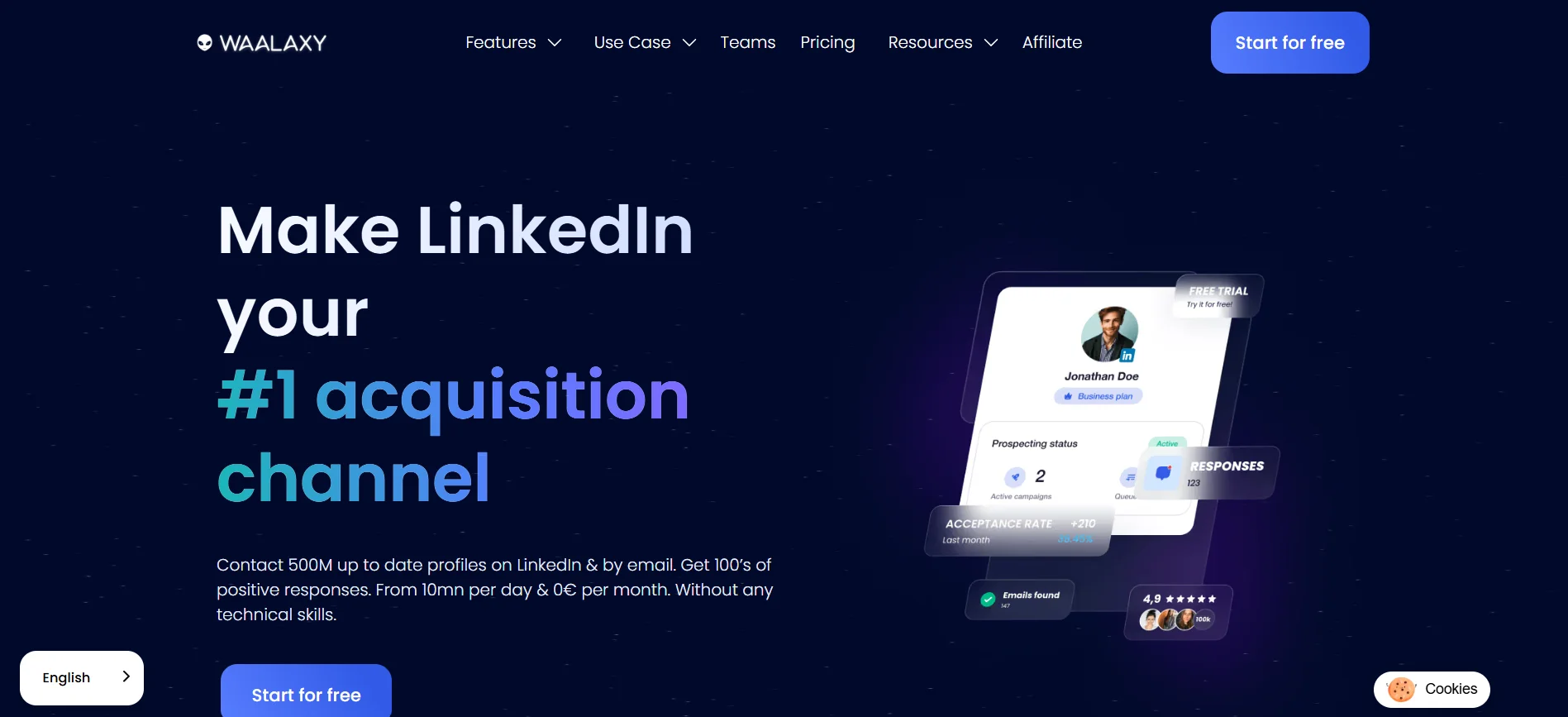
Waalaxy makes LinkedIn outreach simple for beginners.
It offers ready-made sequences and clear limits to guide new users.
Setup is easy and fast.
However, it offers less flexibility compared to tools built around full workflow control.
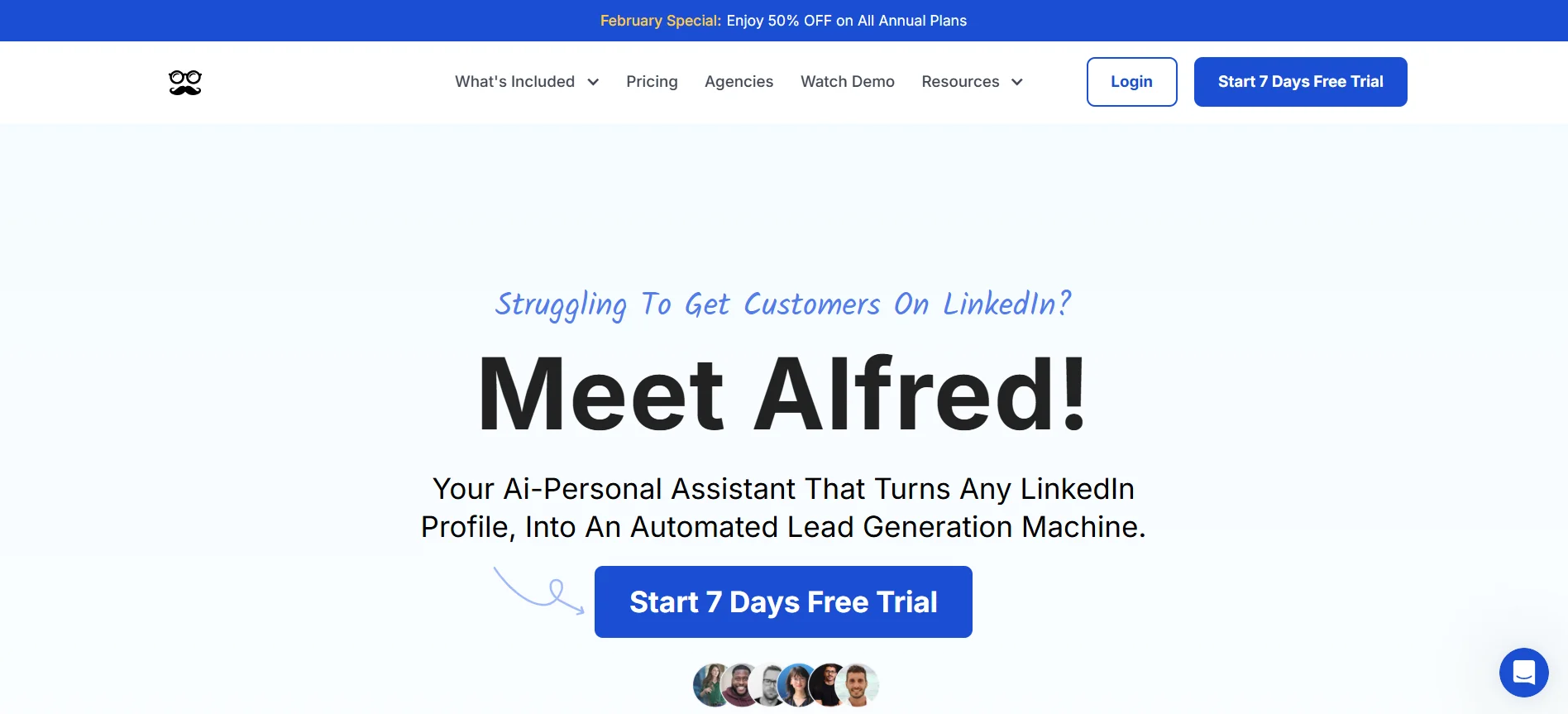
Meet Alfred allows you to run LinkedIn and email outreach together.
It helps manage connection requests, messages, and follow-ups in one place.
The tool uses simple pacing rules, but it depends more on fixed templates than smart behavior changes.
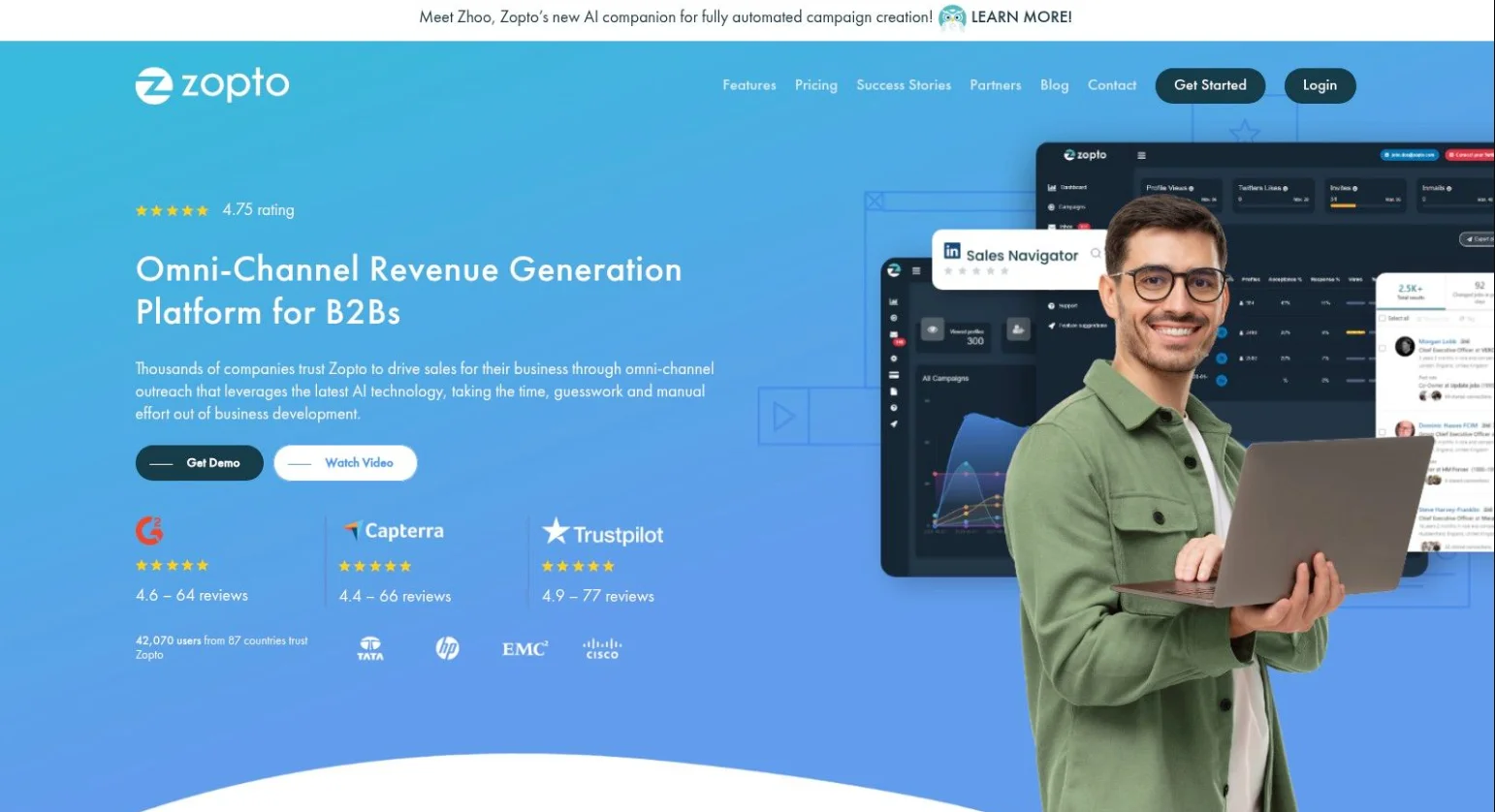
Zopto is built for teams running LinkedIn outreach in a structured way.
It helps manage connection requests, follow-ups, and reporting across multiple accounts.
Safety depends more on strong targeting and careful daily limits than on smart behavior changes inside the system.
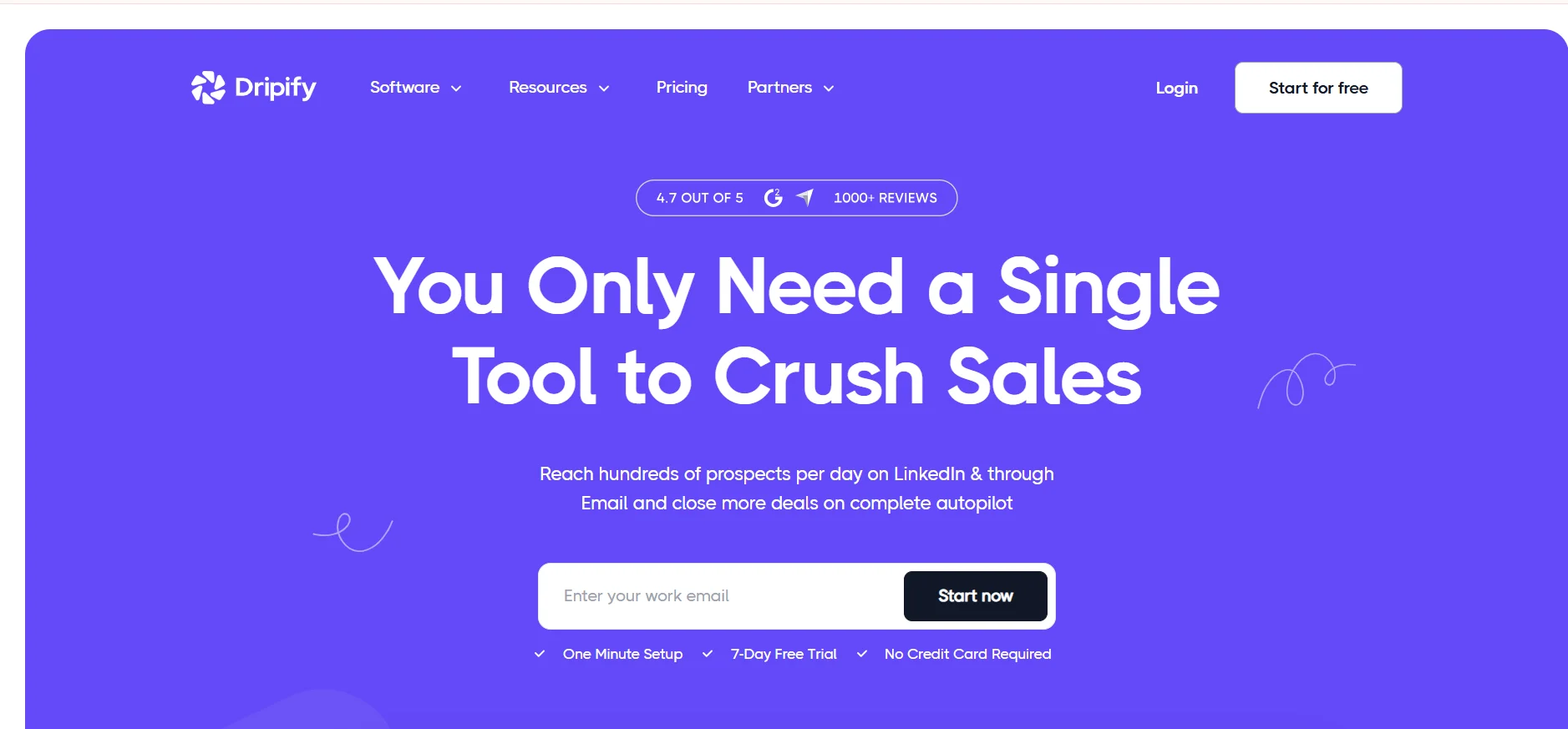
Dripify helps users run LinkedIn outreach from the cloud.
It allows you to create connection and message sequences with simple personalization.
Campaigns can run consistently, but setup must be careful to avoid repetitive patterns.
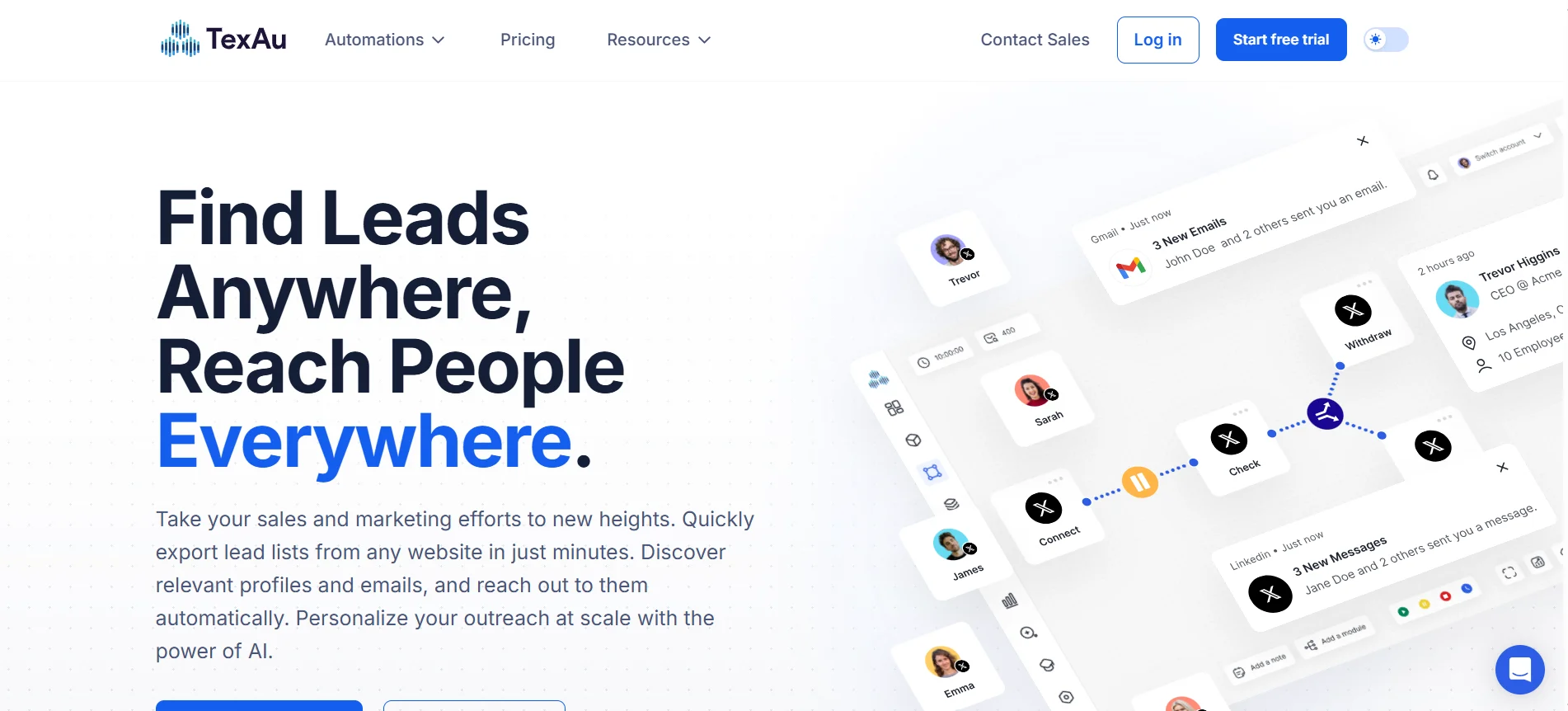
TexAu allows users to build detailed LinkedIn outreach workflows.
It supports profile visits, connection requests, and message steps with strong control.
However, if actions are not limited carefully, the risk of account issues can increase.
Cleverly runs LinkedIn outreach for you.
Their team handles connection requests, messages, and follow-ups.
You don’t manage the tool directly. Safety depends on how their internal team controls activity and keeps outreach steady.
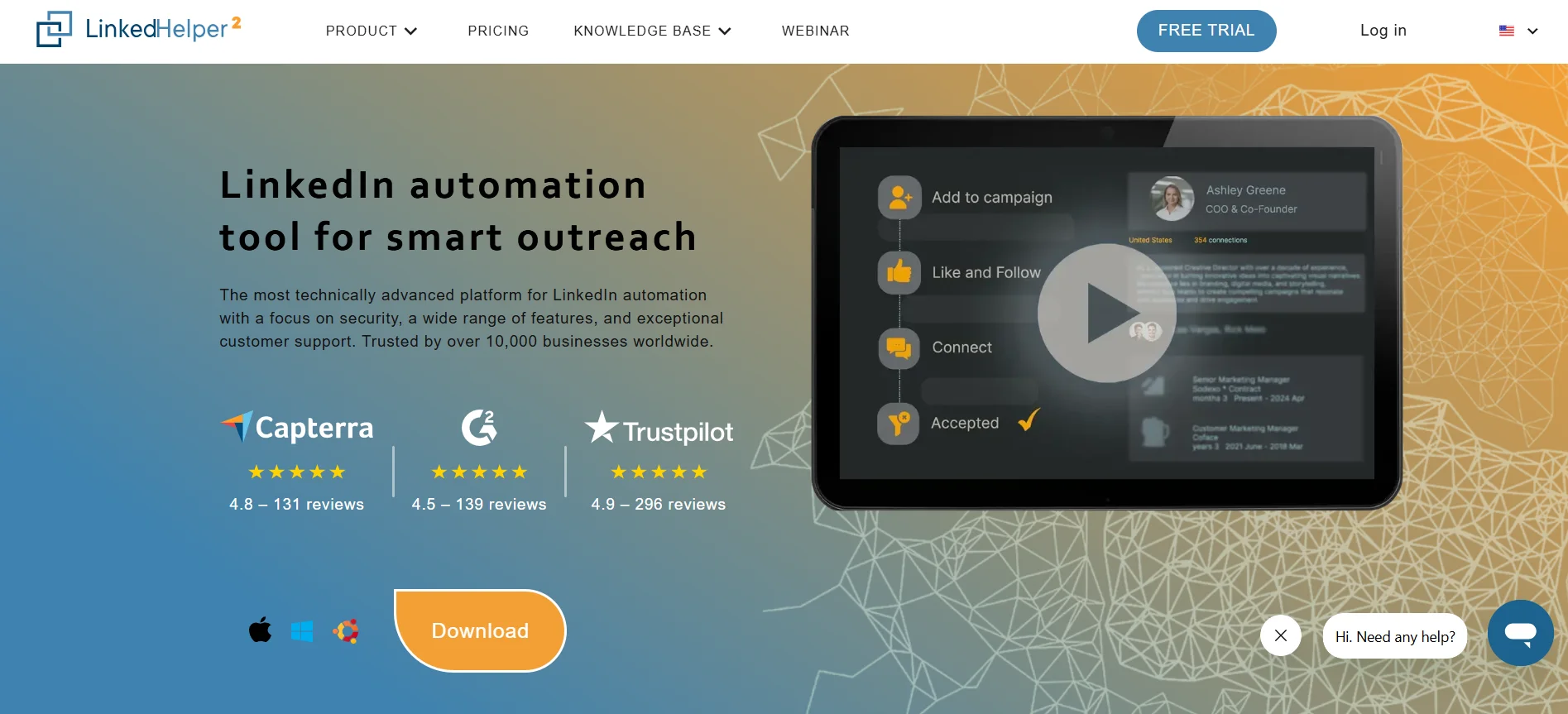
Linked Helper runs on your computer and gives full control over LinkedIn outreach.
You can automate profile visits, connection requests, and follow-ups.
It is powerful, but safety depends on careful setup and disciplined daily limits.
LinkedIn outreach usually breaks when volume increases faster than control.Most account issues stem from over-automation, repetitive actions, and inconsistent pacing.
A safety-first strategy treats LinkedIn as a measured channel, not a high-speed acquisition engine.
Oppora supports this approach by treating LinkedIn as one step inside a controlled workflow rather than an isolated automation layer.
Actions are designed to resemble normal user behavior:
Safety is handled at the system level, not left to manual judgment.
The focus stays on signals, not volume.
This approach matters because LinkedIn restrictions are typically triggered by speed and repetition, not relevance.
Oppora reduces exposure to these risks by:
In practice, this fits teams that want LinkedIn outreach to be:
Rather than pushing limits, LinkedIn is used deliberately as one stable component of a larger outbound system.
Choosing the right linkedin outreach ai agent helps, but how you use it matters more.
Safe outreach depends on steady pacing, relevant targeting, and watching warning signs early.
These simple practices protect your account and support long-term LinkedIn growth without unnecessary risk.
New or inactive LinkedIn accounts should begin with very low daily activity.
Send fewer connection requests and messages at first.
Increase slowly week by week.
This gradual growth helps build normal behavior and reduces the risk of early warnings or restrictions.
Sending more messages does not always mean better results.
If replies stay low, LinkedIn may see your outreach as irrelevant.
Focus on smaller, well-targeted lists.
Strong reply rates show healthy engagement and help protect your account long term.
Pay attention to early warning signs.
Connection declines, ignored messages, or sudden limits can signal risk.
Do not ignore these signals.
Slow down or pause campaigns immediately to protect your account from restrictions or bans.
LinkedIn bans usually happen because of unsafe behavior, not because automation exists.
The right ai agent for linkedin outreach should focus on steady pacing, relevant messaging, and strong reply handling.
When outreach feels natural and controlled, you can grow your network safely without risking long-term account health.
LinkedIn tracks behavior, not tool names. Sudden spikes, repeated actions, and low replies trigger reviews. Safe behavior matters more than the software.
New accounts are sensitive. Start very slow and increase activity gradually. Fast growth often leads to early restrictions.
There is no fixed number. Keep it low at first and grow slowly. Focus on quality, not volume.
Yes, but avoid high volume on both at the same time. Keep LinkedIn activity steady and controlled.
Stop outreach immediately. Wait a few days and restart slowly. Do not continue sending requests during a warning period.
Summarize with AI
Share