Home
Blog
Find 500 B2B Contacts for Free Every Month with Built-In Outreach.
Home
Blog
Ravikanth
Published May 2, 2026
10 min
Try Oppora AI
Create Self-Running Agentic Sales Workflows like N8N just by chatting with AI
Get Started for FREE
Most B2B teams don’t struggle with outreach effort—they struggle with what they’re reaching out to.
You might have a list full of contacts, but if those leads aren’t relevant, verified, or ready to engage, your campaigns quietly fail.
That’s where the real problem begins.
In this guide, you’ll discover:
Choosing a B2B lead provider can feel straightforward at first.
Most tools promise large databases and “high-quality leads,” but the reality often looks very different once you start using them.
You end up with irrelevant contacts, low reply rates, and outreach that simply doesn’t convert.
That’s why it’s important to evaluate lead providers based on what actually impacts results, not just surface-level features.
Everything starts with data quality.
If your leads are outdated or unverified, your emails won’t even reach real people.
Look for providers that offer:
This ensures your outreach is built on reliable and usable data.
Good data alone isn’t enough if you can’t narrow it down effectively.
You should be able to filter leads based on:
The more precise your targeting, the higher your chances of getting meaningful replies.
Lead generation doesn’t end at finding contacts.
You still need to reach out, follow up, and manage conversations efficiently.
That’s why your lead provider should either:
This helps you avoid switching between tools and losing momentum.
Pricing can quickly become a bottleneck as your outreach grows.
Many tools limit usage through shared credits or force upgrades too early.
Instead, look for:
This ensures your lead generation process remains sustainable as you grow.
Suggested Reading:
Best B2B Intent Data ProvidersMost B2B lead providers promise volume, but very few actually improve conversions.
You often end up with large lists that don’t translate into replies or meetings.
That’s why this list focuses on tools that go beyond just data and help you generate high-quality leads that actually engage.
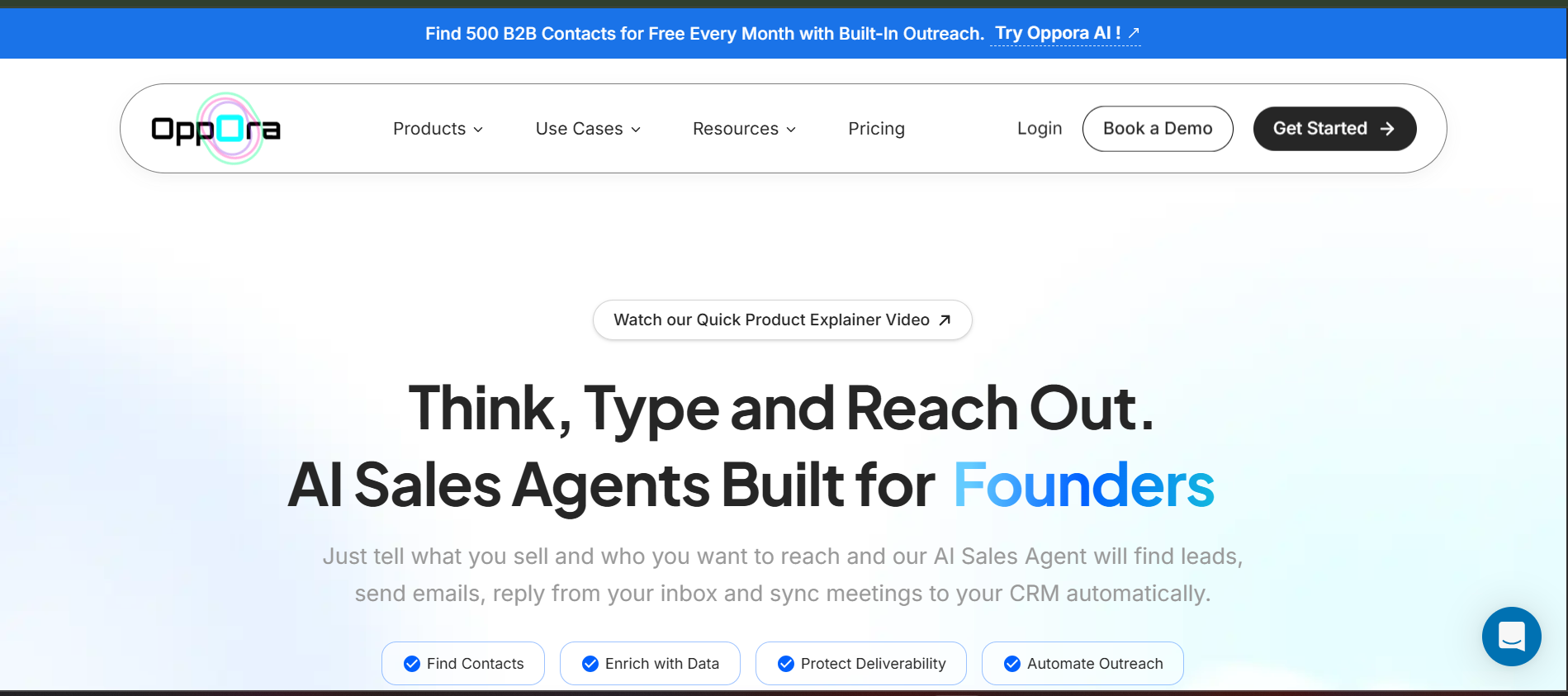
Most tools in this category stop at giving you contacts.
Oppora.ai goes further by turning those contacts into conversations automatically.
You get access to a database of 1B+ verified contacts, along with advanced targeting filters like job changes, hiring signals, funding events, industry, and company size.
But the real difference shows up after lead discovery.
Instead of switching between tools, Oppora helps you run your entire outbound workflow in one place:
It also supports multi-inbox scaling (3 to 50 accounts) with built-in warm-up, helping you maintain deliverability while increasing volume.
On the pricing side, it’s designed to stay scalable:
This isn’t just another lead generation tool.
It’s a complete outbound system that replaces multiple tools and runs your pipeline end-to-end.
If you’re looking for a large B2B database with built-in outreach features, Apollo.io is one of the most widely used options.
It gives you access to millions of contacts along with basic email sequencing tools, making it a solid starting point for outbound teams.
You can filter leads based on:
Apollo also includes features like email automation, CRM integrations, and analytics to track campaign performance.
However, most of the workflow still requires manual setup and optimization.
While it combines data and outreach in one platform, scaling campaigns often means managing credits, limits, and multiple configurations.
It works well if you want flexibility, but you’ll still need effort to turn leads into consistent results.
ZoomInfo is built for large sales teams that need deep, enterprise-grade data.
It offers extensive company and contact information, along with advanced insights that help with account-based targeting.
You can access:
Its strength lies in data depth and accuracy, especially for mid-to-large enterprises.
ZoomInfo also integrates with major CRMs and sales tools, making it easier to manage large pipelines.
However, it comes with a higher price point and is often better suited for teams with bigger budgets.
For smaller teams, it may feel expensive and complex compared to lighter alternatives.
Cognism is a strong choice if compliance and data privacy are top priorities.
It focuses heavily on providing GDPR-compliant B2B data, making it popular among teams targeting European markets.
The platform offers:
Cognism’s database is particularly useful for reaching decision-makers in regulated regions.
It also integrates with outreach and CRM tools to support your sales workflow.
While the data quality is reliable, pricing can be on the higher side, especially for smaller teams.
It’s best suited for businesses that need compliant, high-quality data rather than just large volumes.
Lusha is designed for teams that want quick and simple access to contact data.
It’s especially useful for enriching leads directly from platforms like LinkedIn without complex setup.
With Lusha, you can:
The platform is easy to use and works well for small teams or individual contributors.
However, it’s primarily focused on data enrichment rather than full lead generation workflows.
You’ll still need separate tools for outreach, follow-ups, and campaign management.
It’s a good lightweight option, but not a complete outbound solution.
Seamless.AI focuses on finding leads in real time rather than relying only on static databases.
This makes it useful when you want fresh and continuously updated contact data.
The platform allows you to:
It also includes integrations with CRM and outreach tools to streamline your workflow.
While the real-time aspect is helpful, data accuracy can vary depending on the source.
You may still need verification steps before launching campaigns.
It’s a strong option for prospecting, but less focused on end-to-end execution.
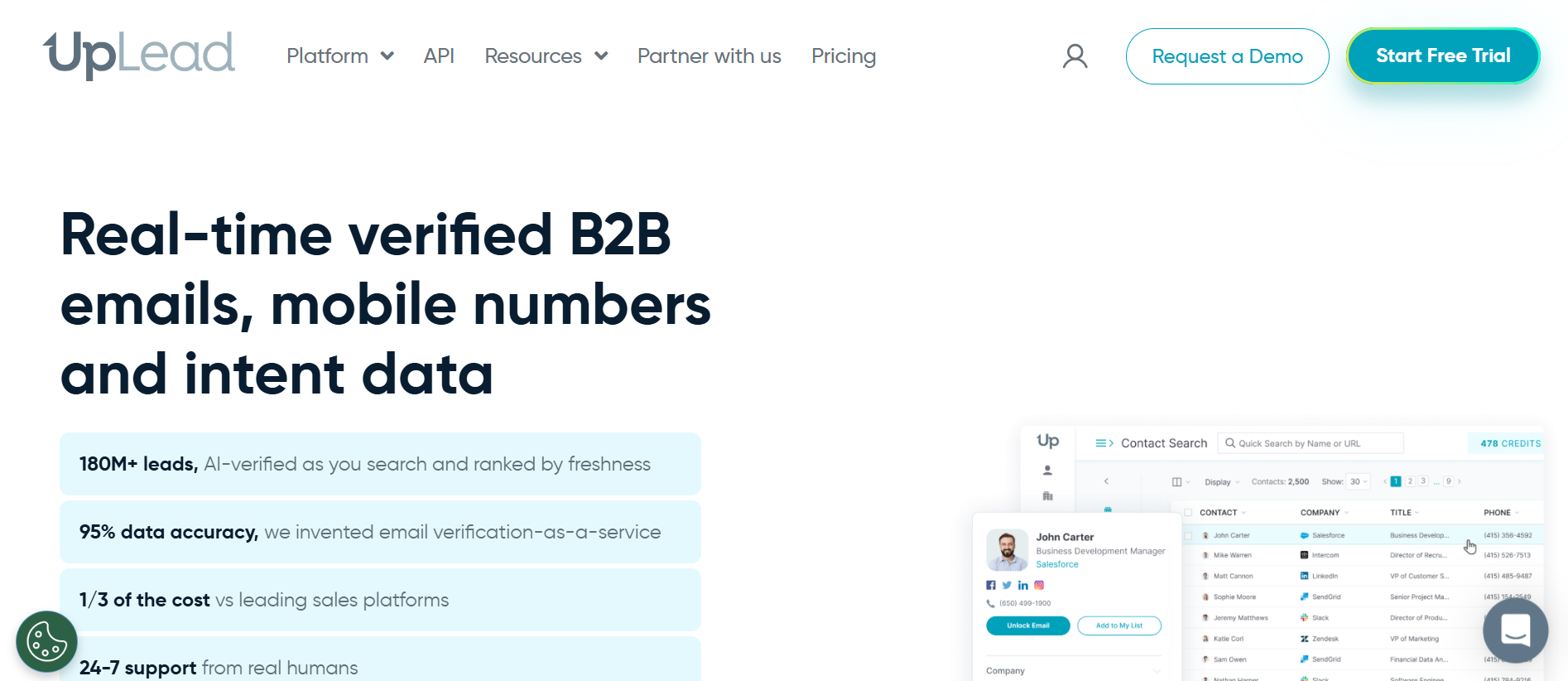
UpLead is known for its focus on data accuracy and verification.
It emphasizes providing clean and reliable contact information to improve outreach performance.
With UpLead, you get:
This makes it a good choice for teams that prioritize quality over volume.
The platform is straightforward and integrates with popular CRM and marketing tools.
However, it mainly focuses on lead data and enrichment.
You’ll still need separate tools to handle outreach, automation, and follow-ups effectively.
Snov.io combines lead generation with cold email outreach features.
It’s a popular choice for teams that want both data and basic campaign execution in one platform.
You can use it to:
It also offers email verification and drip campaign features to support outreach.
While it covers multiple parts of the process, scaling campaigns may require careful management of credits and limits.
It works well for small to mid-sized teams, but may need additional tools for more advanced workflows.
Clay is built for teams that want highly customizable lead generation workflows.
It allows you to combine multiple data sources and automate enrichment using no-code or low-code setups.
With Clay, you can:
This makes it powerful for advanced users who want full control over their data processes.
However, it comes with a learning curve and requires time to set up properly.
It’s best suited for teams that need flexibility and are comfortable building their own systems.
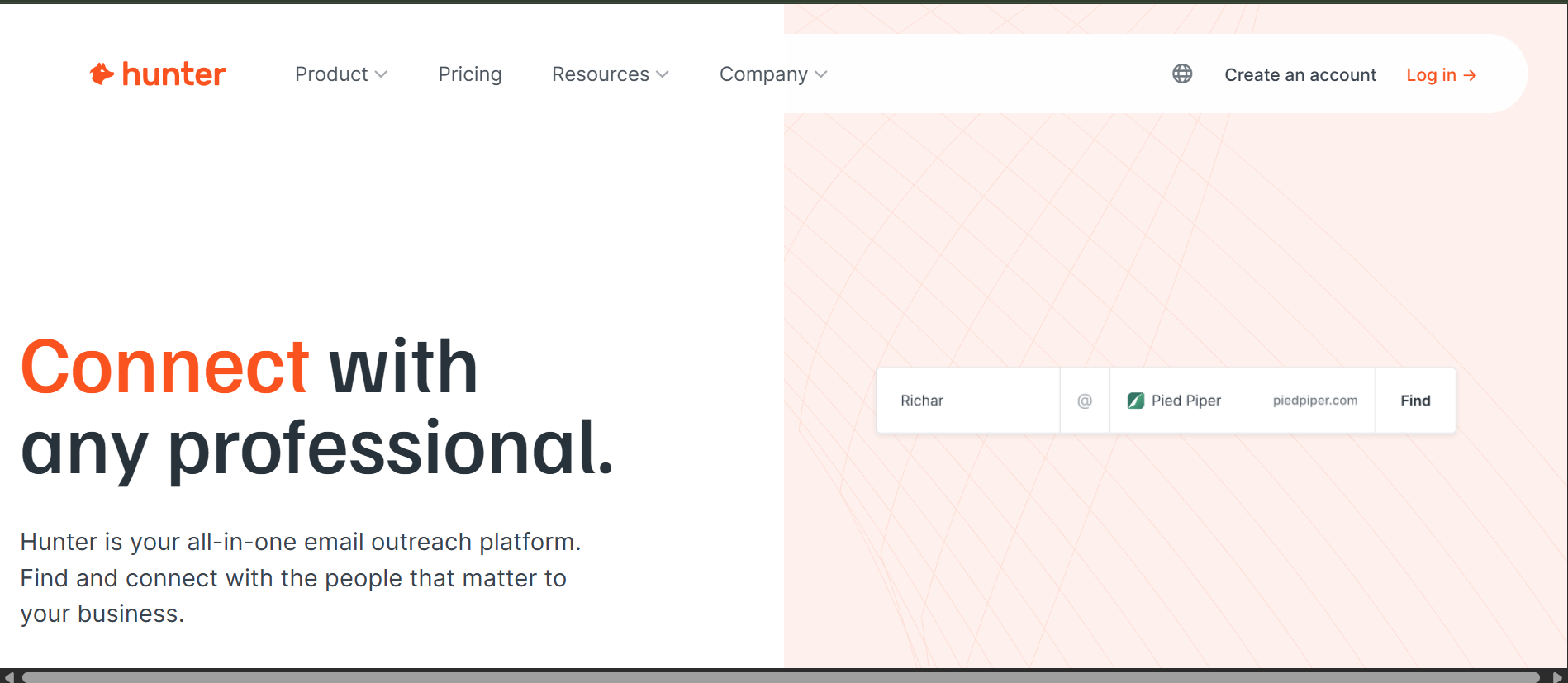
Hunter.io is focused specifically on finding and verifying email addresses.
It’s widely used for domain-based email searches and quick prospecting tasks.
With Hunter, you can:
It’s simple, fast, and easy to use, especially for individual users or small teams.
However, it’s limited to email discovery and verification.
You’ll still need additional tools for lead management, outreach, and automation.
It works best as a supporting tool rather than a complete lead generation solution.
Most B2B lead providers look great on the surface.
They promise massive databases, advanced filters, and quick access to contacts.
But once you start using them, the gap between data and actual results becomes obvious.
You end up with lists that look impressive but fail to convert into real conversations.
Here’s why that happens.
Suggested Reading:
Sales Prospecting Tools for Lead GenerationThe biggest issue starts with the data itself.
Many providers rely on outdated or scraped databases that aren’t refreshed frequently.
This leads to:
When your data is unreliable, your outreach never gets a fair chance to work.
Most tools help you find who to reach, but not when or why to reach them.
Without intent signals, you’re essentially guessing.
You might be contacting prospects who:
This results in low engagement, even if the contact details are correct.
Even if you get good leads, execution becomes the next bottleneck.
Most lead providers stop at data and leave the rest to you.
That means you still have to:
This fragmented process slows everything down and reduces consistency.
Without automation, it’s hard to turn leads into a predictable pipeline.
Choosing a B2B lead provider isn’t about picking the one with the biggest database.
It’s about finding a system that helps you reach the right people and actually convert them into opportunities.
When you combine high-quality data, intent-driven targeting, and automated outreach, your outbound stops being guesswork.
It becomes a predictable engine that consistently drives replies, meetings, and revenue.
The one that offers accurate data, strong targeting, and helps convert leads into conversations.
Yes, if they provide verified and relevant leads that match your target audience.
Yes, if they save time and improve lead quality compared to free tools.
Data accuracy, filtering options, integrations, and scalability.
Because they focus on volume instead of data quality and conversion.
Summarize with AI
Share