Home
Blog
Find 500 B2B Contacts for Free Every Month with Built-In Outreach.
Home
Blog
Ravikanth
Published April 24, 2026
11 min
Try Oppora AI
Create Self-Running Agentic Sales Workflows like N8N just by chatting with AI
Get Started for FREE
If you’ve used SalesIntel, you already know it’s a solid B2B data provider.
But pricing limits, restricted credits, or missing outreach features often push you to explore better options.
In this guide, you’ll discover the top SalesIntel alternatives, how they compare, and which tool actually fits your workflow.
Once you start using SalesIntel for outbound, a few friction points begin to show up.
These issues don’t always appear on day one, but they become hard to ignore as your team scales and outreach volume increases.
At first glance, SalesIntel pricing might seem manageable.
But as your outreach grows, costs can quickly spiral due to credit-based usage and add-ons for different features.
You often end up paying separately for data access, enrichment, and other actions, which makes budgeting unpredictable for outbound-heavy teams.
And when every action consumes credits, scaling campaigns starts to feel like a constant trade-off between cost and growth.
Data is only useful if it’s accurate and complete.
With SalesIntel, users sometimes run into gaps like missing contacts, outdated emails, or incomplete company profiles.
This directly impacts your outreach because poor data leads to:
Instead of focusing on messaging and strategy, you spend more time fixing data quality issues.
SalesIntel mainly focuses on data, not the entire outbound process.
So you still need separate tools for:
This creates a fragmented workflow where you constantly switch between platforms.
Over time, this not only slows you down but also increases the chances of missed follow-ups and lost opportunities.
Now that you know where SalesIntel falls short, the next step is understanding how to actually evaluate better alternatives.
Instead of just listing tools, we compared them based on what truly impacts your outbound results and day-to-day workflow.
Everything in outbound starts with data.
If your contact details are outdated or incomplete, even the best messaging won’t get replies.
We looked at:
Tools with higher-quality and fresher data naturally help you reach the right people, reduce bounce rates, and improve reply rates without extra effort.
Modern outbound is no longer just about finding leads.
It’s about how much of the process you can automate without losing personalization.
We evaluated how each tool handles:
The more steps a tool can handle on its own, the less time you spend managing campaigns manually.
Pricing can look simple until you start scaling.
That’s why we compared:
For growing teams, predictable pricing matters just as much as features because it directly affects how aggressively you can scale campaigns.
Even the most powerful tool is useless if it takes weeks to set up.
So we looked at how quickly you can go from signup to running campaigns.
This includes:
Tools that are easy to use help you move faster, especially if you don’t have a dedicated ops or SDR team.
Now that you know how we’re evaluating each tool, let’s start with one that takes a very different approach from traditional data providers.
Instead of giving you just data, it focuses on running your entire outbound system end-to-end.
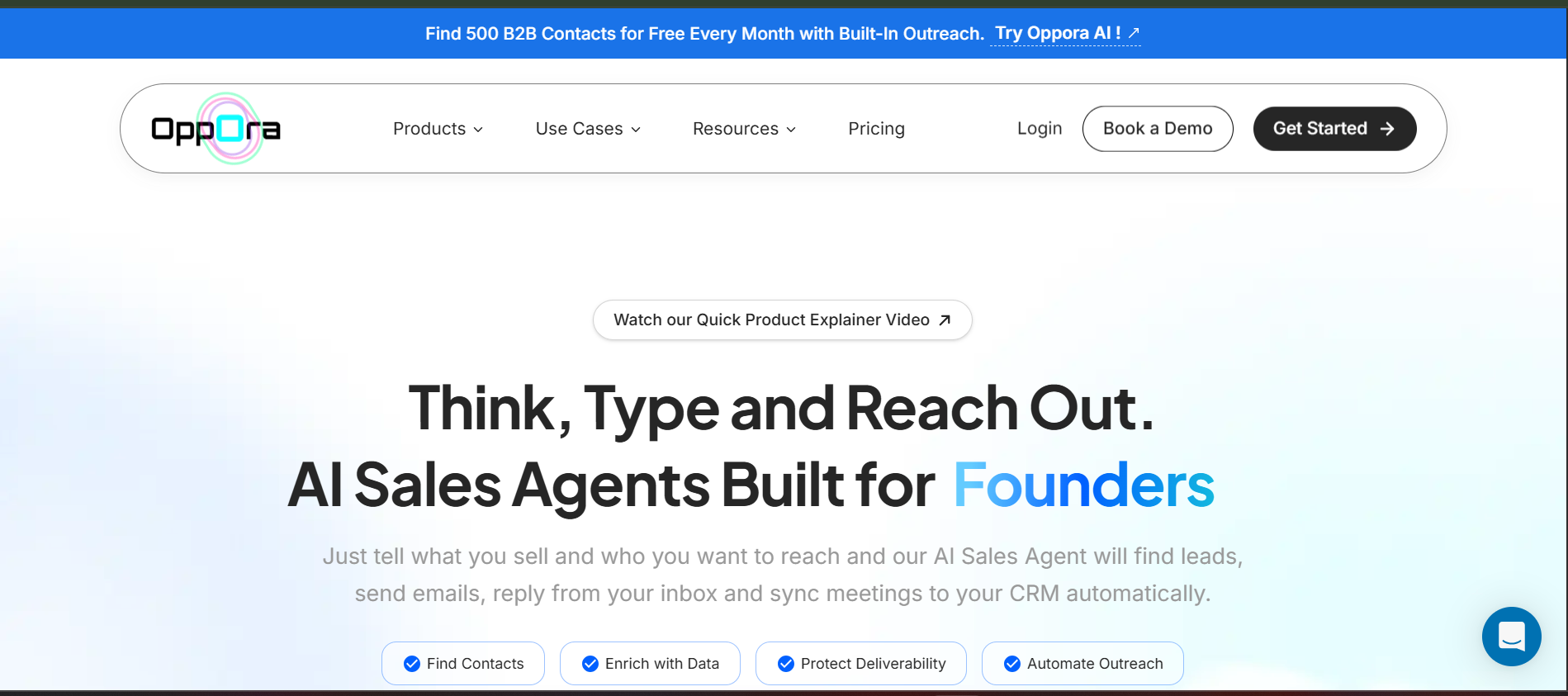
If you want more than just a SalesIntel alternative, Oppora replaces your entire outbound workflow.
Instead of only giving you data, it helps you actually execute—so you can go from finding leads to booking meetings without switching tools.
You still get strong data, but the real value comes from what happens after.
Oppora.ai gives you:
But unlike typical tools, it doesn’t stop at lead generation.
You can:
So instead of using multiple tools, you run one complete system.
No restrictive shared-credit system, which makes scaling predictable.
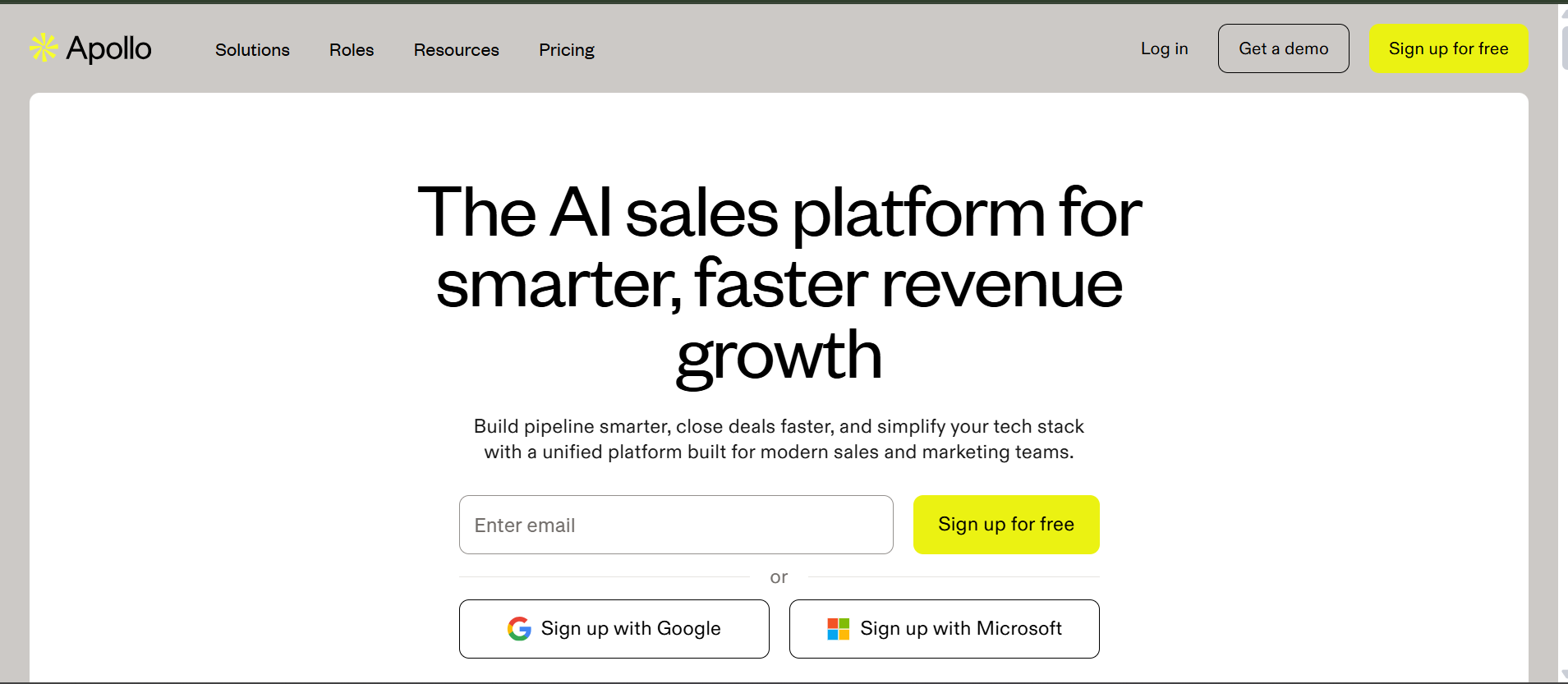
If you want a balance between data and outreach, Apollo is one of the most popular choices.
It offers a large contact database along with built-in tools for prospecting, email sequencing, and basic CRM functionality.
You can manage lead generation and outreach in one place, which makes it more complete than pure data tools.
However, as you scale, limitations start to show:
So while it’s powerful, it often requires careful usage planning to avoid rising costs.
Suggested Reading:
Apollo.io Alternatives for B2B Lead Generation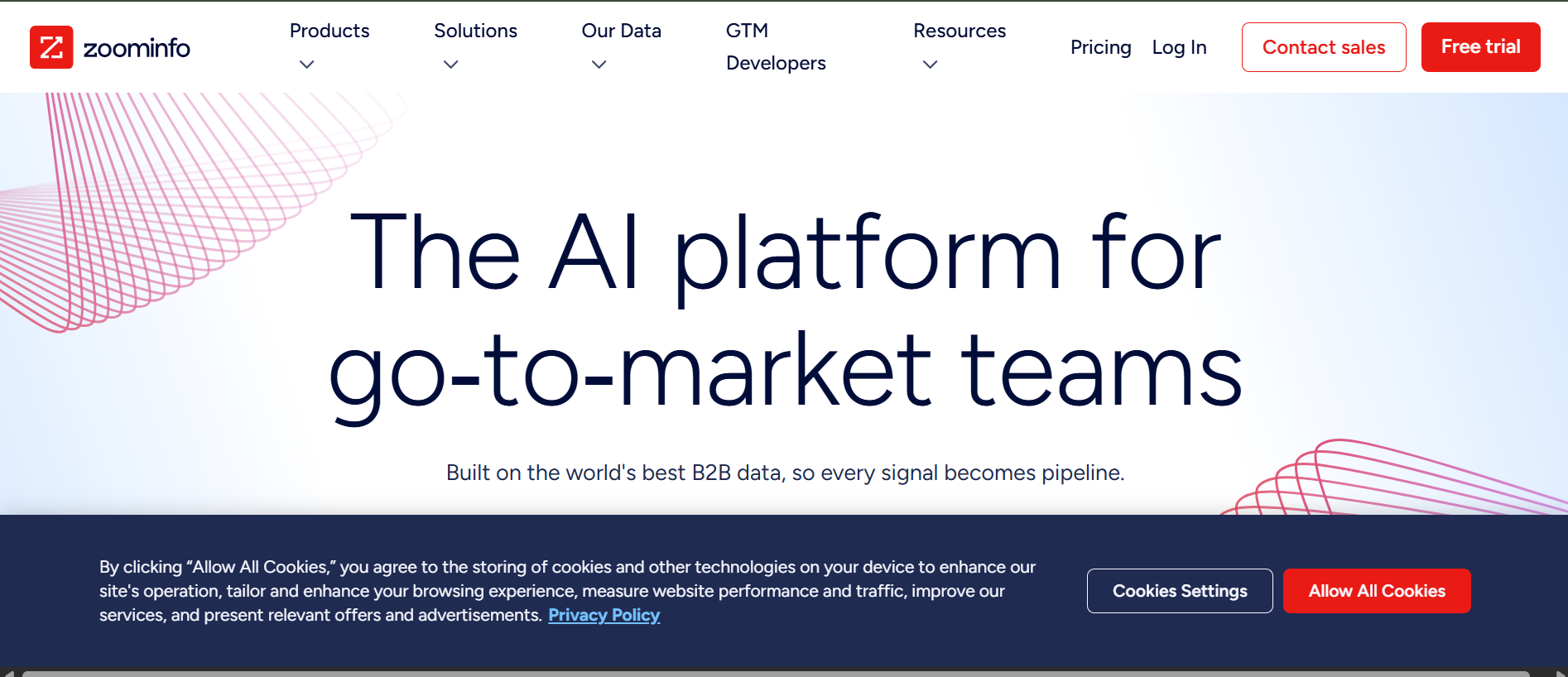
ZoomInfo is known for its high data accuracy and enterprise-grade features.
It offers:
This makes it a solid choice for large organizations with structured sales teams.
But that power comes with trade-offs:
If you don’t need enterprise-level depth, it can feel too heavy and expensive.
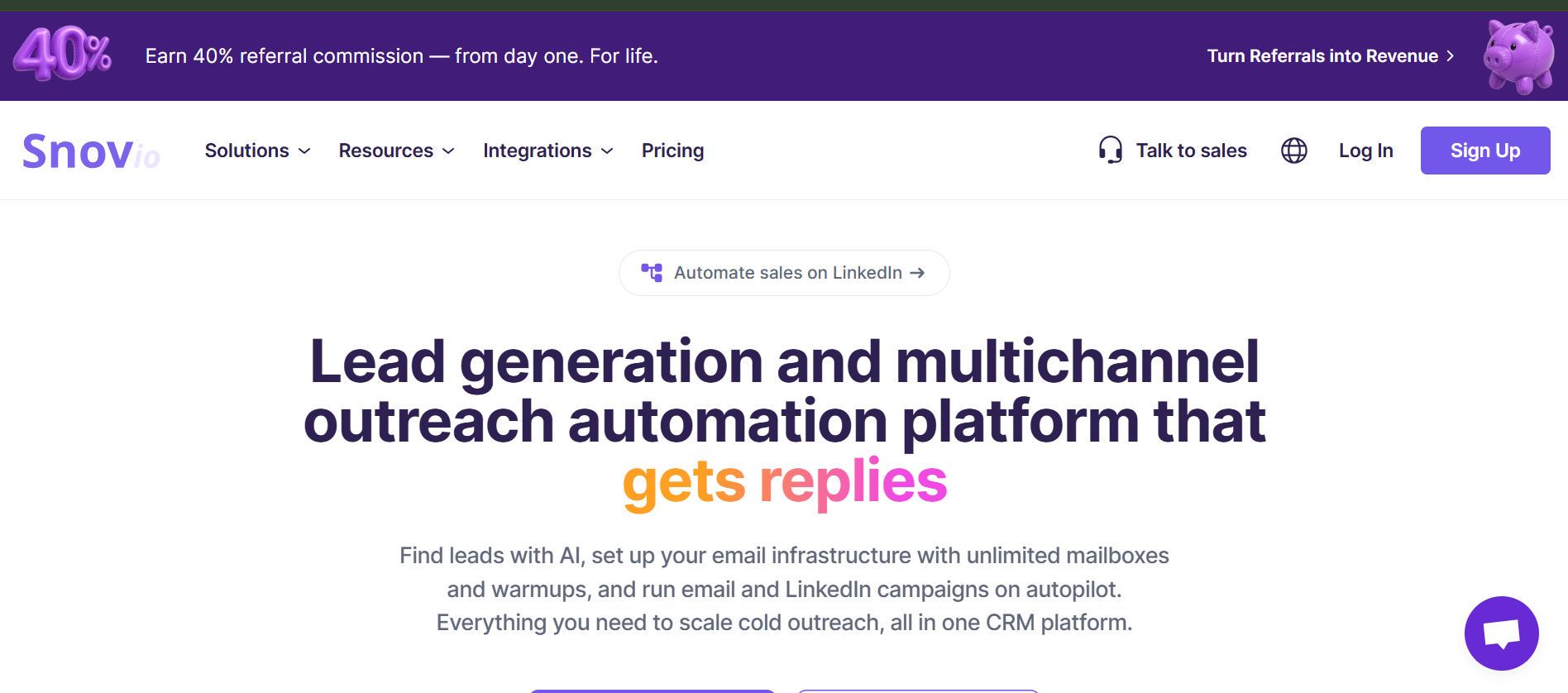
Snov.io is a budget-friendly option that combines lead generation with outreach.
It includes:
It’s easy to get started and works well for small teams or individuals.
That said, it has limitations:
It’s a good entry-level tool, but may feel restrictive as you grow.
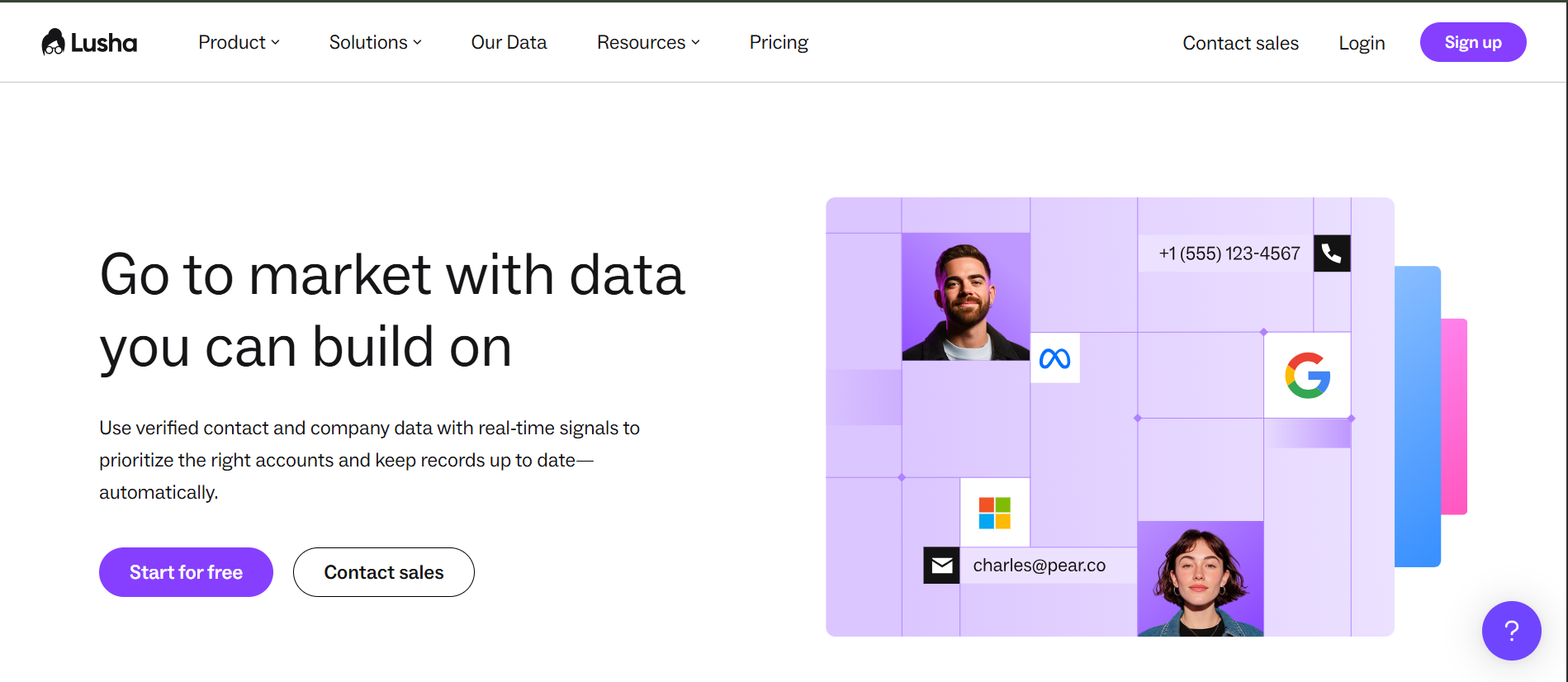
Lusha focuses on simplicity and speed.
With its Chrome extension, you can quickly pull contact details directly from LinkedIn or company websites.
It’s great when you need:
But it stays limited to data access:
So while it’s easy to use, it works better as a supporting tool rather than a complete solution.
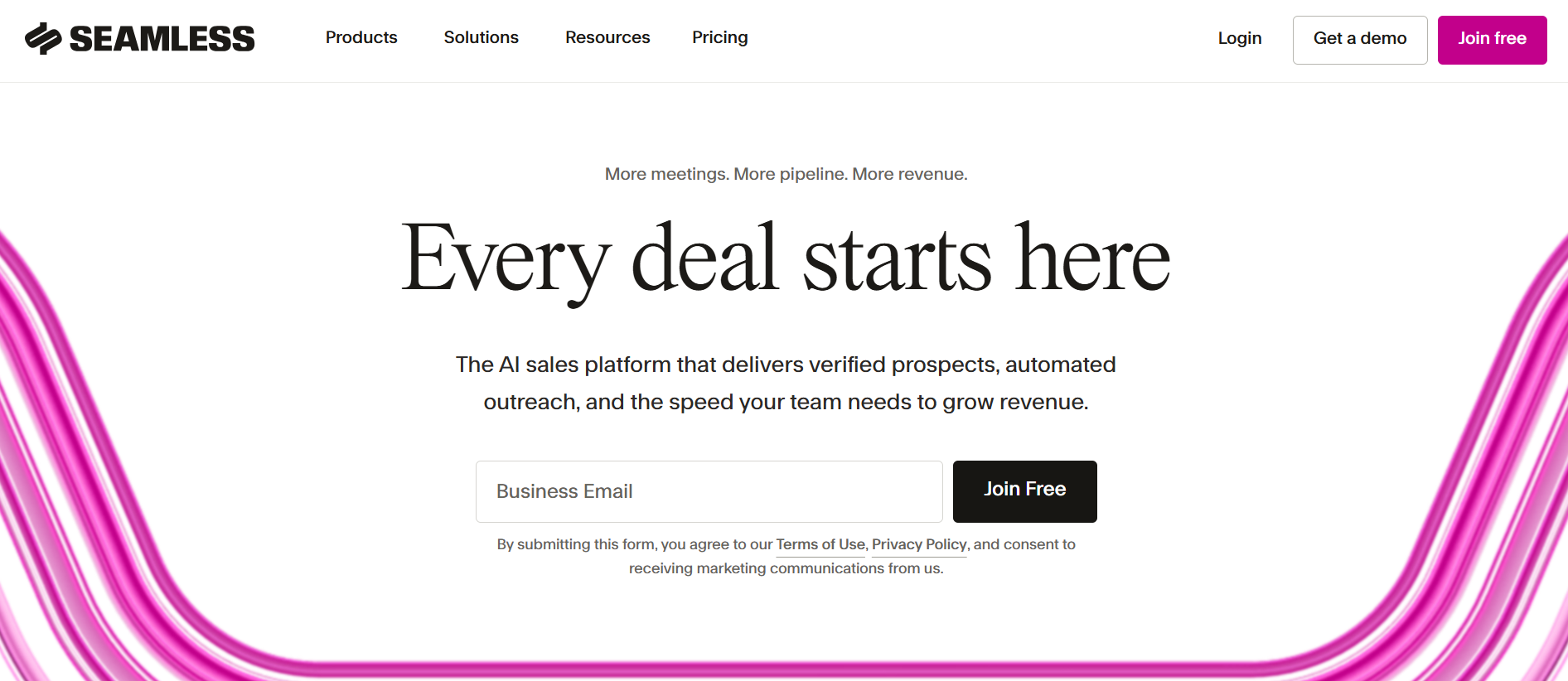
If you prefer discovering leads on demand instead of relying only on static databases, Seamless.ai takes a different approach.
It focuses on real-time prospecting using AI to surface contacts as you search, which can be useful for fast-moving outbound teams.
It offers:
However, there are trade-offs:
It’s useful for dynamic prospecting, but not always reliable at scale.
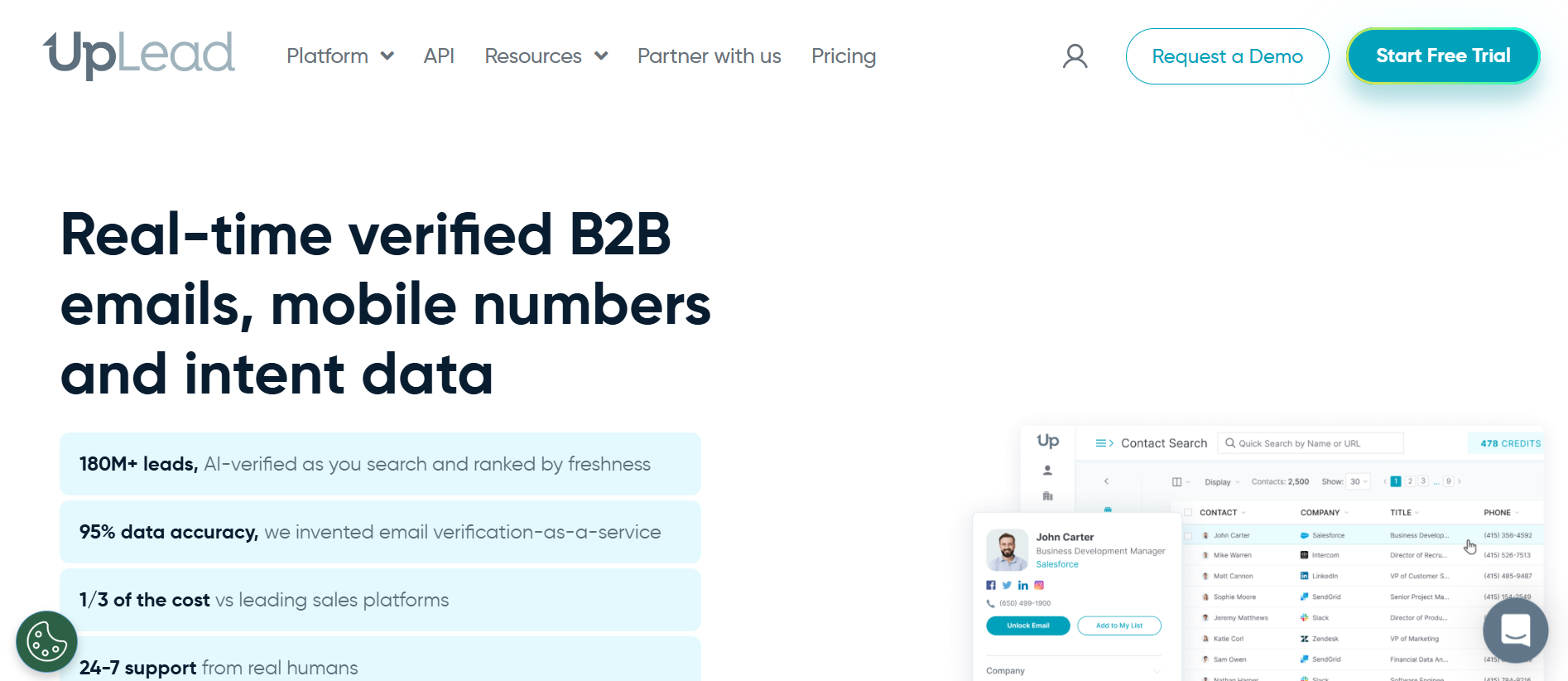
If your priority is clean and verified data, UpLead positions itself as a reliability-first platform.
It focuses on giving you accurate contact details rather than trying to handle the full outbound workflow.
It offers:
This makes it a strong choice for teams that care more about quality than volume.
But compared to full-stack platforms:
So it works best as a data layer, not a complete outbound solution.
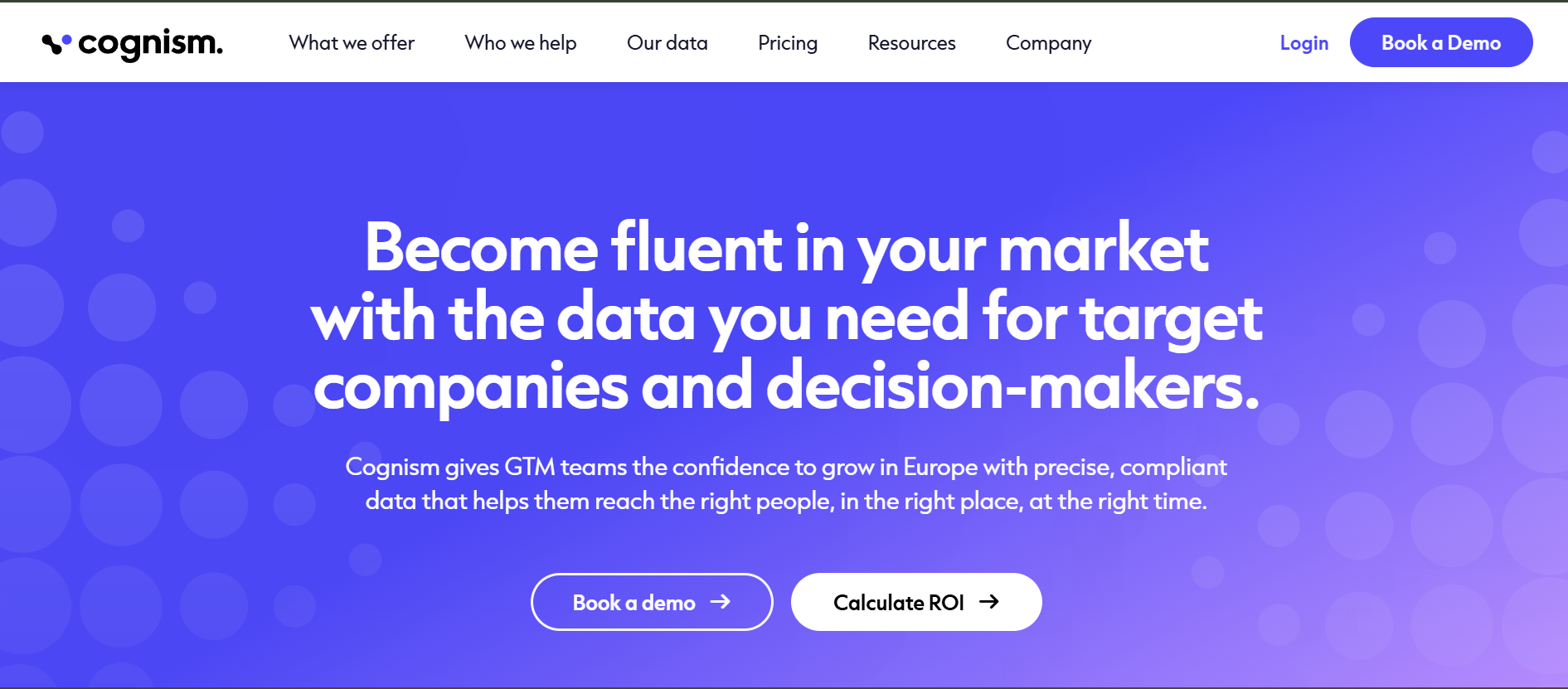
If you’re targeting global markets, especially Europe, compliance becomes a major factor.
Cognism is built with that in mind, offering GDPR-compliant data along with strong international coverage.
It stands out for:
This makes it ideal for enterprise teams operating across regions.
However:
It’s strong on compliance and data, but not on execution.
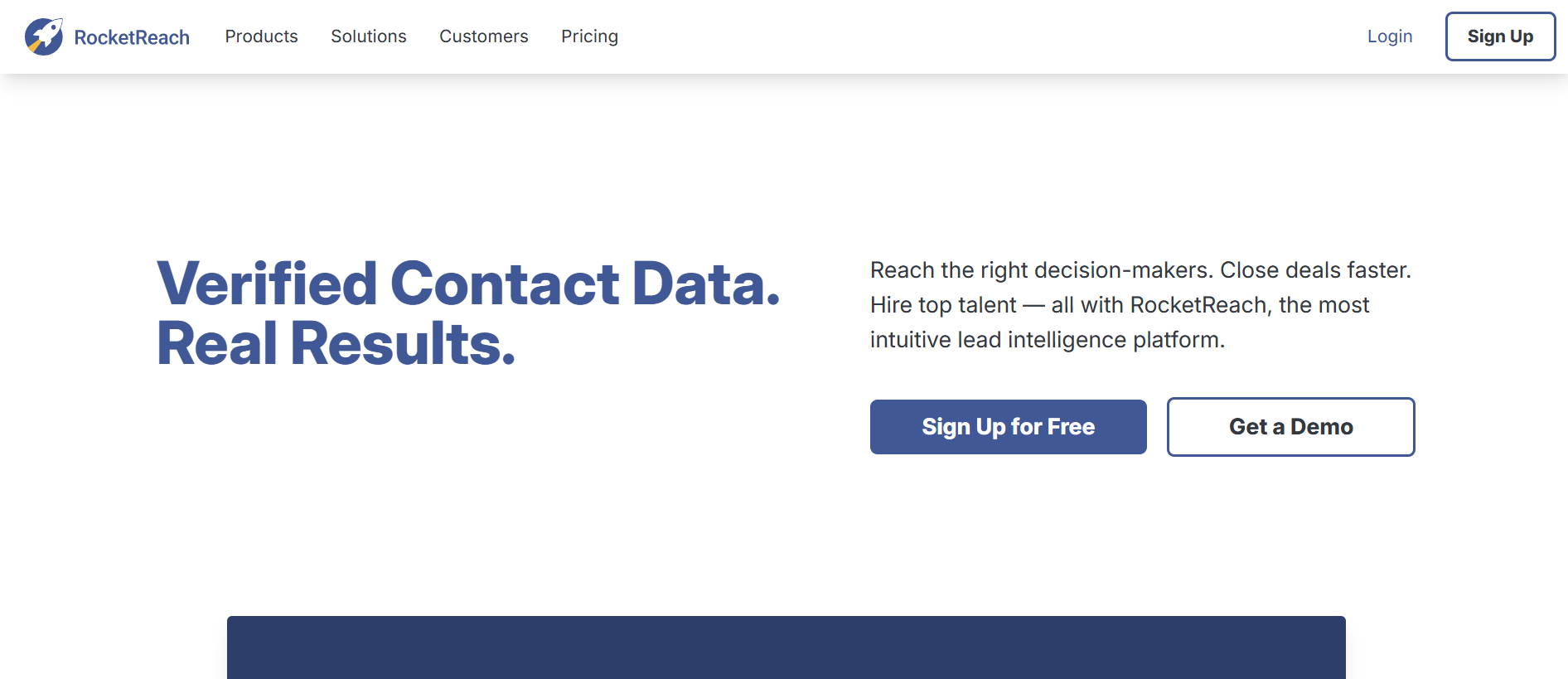
If you need a simple way to find contact details without complexity, RocketReach keeps things straightforward.
It’s designed for quick lookups rather than managing full campaigns.
It provides:
This makes it useful for teams that want fast access to emails and phone numbers.
But it stays limited to data:
You’ll need other tools to turn those contacts into actual conversations.
Suggested Reading:
RocketReach Alternatives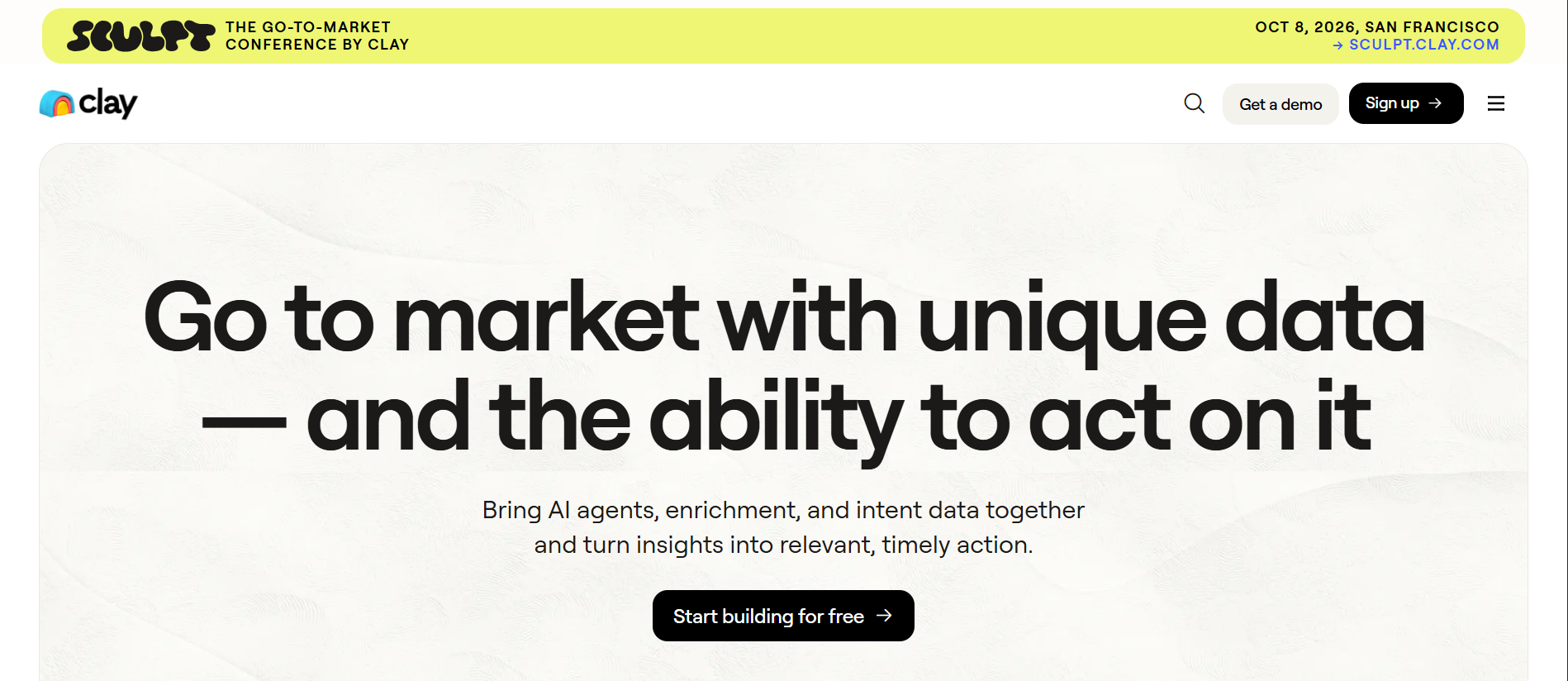
Clay is very different from traditional tools on this list.
Instead of giving you a fixed system, it lets you build your own workflows using multiple data sources and integrations.
It’s best suited for teams that want flexibility and control over their prospecting process.
It excels at:
This makes it powerful, but also more complex.
Trade-offs include:
Clay is ideal if you want to build a custom system, but not if you’re looking for an all-in-one solution out of the box.
Now that you’ve seen each tool in detail, a side-by-side view makes decision-making much easier.
Instead of guessing, you can quickly compare based on real capabilities, limits, and pricing structure.
This comparison makes one thing clear.
Most tools either give you data or parts of outreach, but very few handle the entire outbound workflow in one place.
Choosing the right SalesIntel alternative isn’t just about features.
It’s about how well the tool fits your workflow, scales with your outreach, and keeps things simple.
Prioritize automation, ease of use, and clear pricing to build a system that actually drives results.
High costs, credit limits, and lack of full automation push users to switch.
Focus on data quality, automation, pricing clarity, and ease of use.
Yes, some tools combine data, outreach, and automation in one platform.
Tools with simple setup, affordable pricing, and built-in automation work best.
Data comes first, but combining both is key to scaling outbound.
Summarize with AI
Share