Home
Blog
Find 500 B2B Contacts for Free Every Month with Built-In Outreach.
Home
Blog
Sagar Sharma
Published December 17, 2025
13 min
Try Oppora AI
Create Self-Running Agentic Sales Workflows like N8N just by chatting with AI
Get Started for FREE
Most cold emails fail before the second sentence because they ask for attention without earning it.
Tim Ferriss didn’t play that game. He emailed busy founders, investors, authors, CEOs, and operators, people who had no reason to reply. Yet many did. Not because he was famous, but because his emails were easy to read, easy to decide on, and easy to reply to.
This guide breaks down the patterns behind those emails structures drawn from his blog, The 4-Hour Workweek, Tools of Titans, and podcast conversations where he openly explains his outreach thinking.
And if you’re a founder, SaaS marketer, operator, link builder, or partnership manager, these templates are for you.
So before we begin let’s break down why his approach works—and then jump into the templates.
The reason Tim Ferriss’s cold emails still work has nothing to do with trends.
It has everything to do with human behavior.
Busy people don’t hate cold emails. They hate effort. Every extra line forces a decision. Every vague ask creates friction. Ferriss removes both. His emails respect time before asking for it.
Imagine a founder opening their inbox between meetings. Two emails arrive. One says, “Would love to pick your brain sometime.” The other asks one clear question that takes two minutes to answer. The second gets the reply. That’s the core idea behind Tim Ferriss cold email templates.
Ferriss designs emails that reduce thinking. Short screens. One ask. Clear context. A visible way to say no. This works whether you’re emailing an investor, a podcast guest, or a potential partner. The psychology stays the same.
That’s why these emails age well. They don’t depend on clever hooks or persuasion tricks. They work because they respect attention as a limited resource.
And it isn’t accidental. These results come from a strict set of rules he follows every single time.
If you look closely at Tim Ferriss’s emails across books, blogs, and interviews, a pattern shows up. He doesn’t write clever emails. He removes friction. Every rule below exists for one reason: make replying feel effortless.
These are not tactics. They’re defaults he repeats again and again.
Ferriss optimizes for skimming. Most people read emails on their phone, between meetings, or while multitasking. A long email signals work before it’s even read.
Picture a founder checking email in an elevator. If they need to scroll, you’ve already lost them. Ferriss keeps his emails under one screen so the entire message is visible at once. No scrolling. No hunting for the point.
Short emails don’t feel “light.” They feel respectful. That’s why short cold emails get read while long ones get saved for later and forgotten.
Multiple asks quietly kill replies. Asking for feedback and an intro and a call forces the reader to decide what to answer first. Most choose none.
Ferriss never does that. He asks one clear thing.
For example, instead of “Would love your thoughts and maybe a quick call,” he asks a single, answerable question. If the answer is yes, the next step is obvious. If not, the email ends cleanly.
This is one of the most ignored cold outreach best practices, yet it’s the fastest way to increase replies.
Unclear time cost creates hesitation. Ferriss removes that by stating it upfront.
“Two minutes.” “One yes or no.” “A quick reply is enough.”
This works because the brain can instantly assess the cost. There’s no guessing. No hidden commitment.
If someone knows an email will take less time than choosing lunch, replying feels safe. That clarity alone can lift your email response rate without changing anything else.
Permission to say no is powerful. Ferriss uses it deliberately.
He often ends emails with lines like, “No worries at all if this isn’t a fit.” That removes social pressure. Ironically, it also increases replies.
This taps into cold email psychology. When people don’t feel trapped, they engage more honestly. Some say no. Many say yes. Silence drops.
Tim Ferriss wasn’t running outbound campaigns or managing CRMs.
But the way he wrote emails fits almost every modern outreach situation today.
These patterns benefit different people in different ways. Not because of the industry they’re in, but because of the problems they’re trying to solve: getting a reply, starting a conversation, or opening a door without burning goodwill.
Here’s how this approach helps across roles and industries.
This style helps you reach people who don’t owe you attention.
Investors. Advisors. Potential partners.
Instead of asking for meetings or vague chats, Ferriss-style emails let you ask one clear, low-effort question. You lower resistance while still sounding confident.
That’s especially useful when you don’t yet have brand power. The email does the work for you. It signals seriousness without overselling.
Most outreach in SEO feels transactional. That’s why it gets ignored.
Ferriss-style emails shift the tone. They lead with relevance. They explain why the email exists in one line. Then they make a small, optional ask.
This works well when you want editorial links, resource mentions, or collaborations. The email feels human, not automated. And that alone changes response behavior.
Creators and community members are allergic to pressure.
Ferriss’s approach respects that.
Short messages. Clear intent. Permission to say no.
Whether you’re asking for launch support, feedback, or a simple signal boost, this style keeps the conversation light. People are more likely to respond when they don’t feel locked into helping.
In crowded enterprise inboxes, long emails feel risky.
Short ones feel safe.
Ferriss-style emails benefit teams dealing with senior stakeholders, partnerships, or long sales cycles. They remove ambiguity. They show respect for time. They make it easy to reply quickly—or decline cleanly.
When stakes are high, clarity beats persuasion.
Now that you understand the thinking behind Ferriss-style emails, the templates will feel obvious. That’s a good thing. These emails don’t win because they’re clever. They win because they remove friction.
Each template below follows the same logic you’ve already seen. Short. Clear. One ask. No pressure. Think of them as formats you adapt, not scripts you copy.
When to use it
Use this when emailing someone clearly busier or more senior than you for the first time.
Why it works
It acknowledges reality. People are busy. Saying that upfront earns goodwill instead of trying to bypass it.
Who it’s best for
Template
Hi [Name],
I know you’re busy, so this will take under a minute.
I’m [who you are] and I’m reaching out about [specific reason].
Quick question: [one clear ask].
No worries at all if now isn’t a good time.
Thanks,
[Your name]
Picture this landing in an inbox between meetings. The reader immediately knows the cost. One screen. One question. One decision. That’s why it gets replies.
When to use it
When you want speed, not discussion.
Why it works
Binary decisions reduce thinking. The reader doesn’t need to weigh options or ask follow-up questions.
Who it’s best for
Template
Hi [Name],
Quick yes or no question.
Would you be open to [specific ask]?
If yes, I’ll follow up with details. If not, no problem at all.
Best,
[Your name]
This works well when someone can reply with a single word. Ferriss uses this style often because it respects attention and momentum.
When to use it
When the recipient doesn’t know who you are yet.
Why it works
It establishes relevance without bragging. Context replaces persuasion.
Who it’s best for
Template
Hi [Name],
I’m [your role] at [company or clear context].
We’re currently working on [relevant problem], which is why I’m reaching out.
I had one quick question: [specific ask].
Totally fine if this isn’t a fit.
Thanks,
[Your name]
Ferriss often leads with why he belongs in the conversation, not why he’s impressive. That subtle shift makes the email feel grounded and legitimate.
When to use it
When the ask can be answered in seconds.
Why it works
Extreme clarity removes hesitation. There’s nothing to decode.
Who it’s best for
Template
Hi [Name] — quick question:
Would [specific outcome] be useful for you right now?
No greeting. No sign-off. This works because it feels low-risk. The reader can reply instantly or ignore it without guilt.
When to use it
When you want to remove pressure completely.
Why it works
Permission to ignore lowers defenses. Ironically, it often increases replies.
Who it’s best for
Template
Hi [Name],
Sharing this in case it’s useful: [context].
No reply needed at all.
If it’s helpful, great. If not, feel free to ignore.
Best,
[Your name]
This taps directly into cold email psychology. When people don’t feel cornered, they respond more freely.
When to use it
When you want an introduction but don’t want to create social pressure.
Why it works
Introductions carry risk. This template removes that risk for the person you’re asking.
Who it’s best for
Template
Hi [Name],
Would you feel comfortable introducing me to [person]?
If not, no worries at all. I completely understand.
Thanks either way,
[Your name]
Most intro requests fail because they assume a yes. This one works because it explicitly makes no the safe option.
When to use it
When your email is likely to be forwarded.
Why it works
It saves the reader time. You do the explanation for them.
Who it’s best for
Template
Hi [Name],
If helpful, here’s quick context you can forward:
— Who I am — Why I’m reaching out — What I’m asking
If this creates any friction, please ignore.
Best,
[Your name]
Ferriss uses this format to make helping you feel effortless. No rewriting. No awkward framing.
When to use it
When you want a reply but don’t need a meeting.
Why it works
Clear time cost lowers resistance. There’s no hidden commitment.
Who it’s best for
Template
Hi [Name],
This should take about two minutes.
Quick question: [specific ask].
Appreciate it either way.
Thanks,
[Your name]
This works especially well when someone wants to help but fears getting pulled into a longer thread.
When to use it
After one unanswered email.
Why it works
It respects the possibility that your message was missed, not ignored.
Who it’s best for
Template
Hi [Name],
Just bubbling this up in case it got buried.
No worries at all if now isn’t a good time.
Best,
[Your name]
This follow-up doesn’t demand attention. It offers a second chance without pressure.
When to use it
When you’re unsure if you’ve contacted the right person.
Why it works
It gives the reader an easy way to help without committing.
Who it’s best for
Template
Hi [Name],
If you’re not the right person for this, would you mind pointing me to who is?
If not, no problem at all.
Thanks,
[Your name]
This template works because it respects organizational reality. People don’t mind redirecting if the ask is small.
When to use it
When you ultimately want something bigger, but need a small first step.
Why it works
Small commitments feel safe. Big ones don’t.
Who it’s best for
Template
Hi [Name],
I had a small question related to [context].
Would it make sense to start with that before anything else?
No pressure at all.
Best,
[Your name]
Ferriss often starts with the smallest possible ask. Once trust exists, bigger conversations happen naturally.
When to use it
When timing might be the real issue.
Why it works
It reframes silence as “not now,” not rejection.
Who it’s best for
Template
Hi [Name],
Just checking — is this something that makes more sense later rather than now?
If so, happy to circle back at a better time.
No worries either way.
Thanks,
[Your name]
This keeps the door open without chasing.
When to use it
When asking for a call feels like too much.
Why it works
It respects async communication.
Who it’s best for
Template
Hi [Name],
If easier, I’m happy to keep this over email instead of a call.
Quick question: [ask].
Totally fine either way.
Best,
[Your name]
Ferriss often avoids defaulting to meetings. This template shows you value their time, not your calendar.
When to use it
When you need to pitch but don’t want to push.
Why it works
Asking for permission lowers defenses.
Who it’s best for
Template
Hi [Name],
Would you be open to a brief pitch about [topic]?
If not, no problem at all. Just wanted to ask first.
Thanks,
[Your name]
This flips the usual pitch dynamic. You’re not selling. You’re checking.
When to use it
When a conversation has gone quiet.
Why it works
It closes the loop without guilt or awkwardness.
Who it’s best for
Template
Hi [Name],
I’ll close the loop here for now.
If this becomes relevant later, feel free to reach out.
Wishing you well.
Best, [Your name]
Surprisingly, this often triggers replies. People appreciate clean exits.
Ferriss-style emails fail not because the ideas are weak, but because people try to “improve” them. They add personality. They add context. They add asks. And in doing so, they add friction.
Here are the most common cold email mistakes that quietly kill replies.
This is the most common mistake.
People try to sound smart. Or witty. Or memorable. They rewrite a simple question into a clever hook.
The result? The reader has to think.
Ferriss does the opposite. He writes emails that are almost boring. Plain words. Short lines. Obvious intent. When someone can understand your email in three seconds, they’re more likely to respond.
Clarity beats personality every time in cold outreach.
There’s a thin line between respect and insecurity.
Ferriss respects the reader’s time. He doesn’t apologize for existing. Many people take his tone and overdo it.
“I’m sorry to bother you.”
“I know you’re probably too busy.”
“Apologies if this is the wrong place.”
This kind of language weakens the message. It signals low confidence. Respect is quiet. It doesn’t need repeated apologies.
Strong emails acknowledge time. Weak ones beg for it.
This mistake is subtle.
The email looks like it has one ask. But halfway through, there’s another.
A question plus a meeting request.
An intro ask plus feedback.
A yes/no plus “happy to hop on a call.”
The reader senses the trap. Decision friction appears. And the reply never comes.
Ferriss never stacks asks. One email. One outcome. Anything else comes later.
Tim Ferriss–style emails are easy to admire. They’re hard to maintain at scale.
Writing five thoughtful emails a day is manageable. Writing fifty without losing clarity is not. This is where most people slip. They start copying lines. They reuse phrasing. They sneak in extra asks. Slowly, the emails stop feeling human.
The problem isn’t effort. It’s consistency.
Ferriss-style emails only work when every message follows the same discipline. One screen. One ask. Clear intent. No pressure. Doing that manually, every day, is exhausting. And once fatigue sets in, quality drops.
That’s when you need a better system.
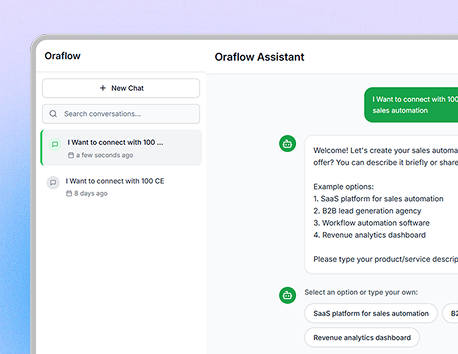
Oppora is an AI tool you talk to like ChatGPT.
You don’t set up ten tools. You don’t manage complex workflows.
You simply tell Oppora what you sell and who you want to reach.
From there, Oppora builds and runs the entire outreach flow for you.
Here’s what that means in practice:
✅ It finds the right people for you
Oppora identifies companies and contacts that actually make sense for your message. No random lists. No guesswork.
✅ It enriches data automatically
Emails are verified and complete before anything is sent. You’re not wasting good copy on bad data.
✅ It writes emails in your chosen style
If you want Tim Ferriss–style clarity, you tell it that. Short. Direct. One ask. Oppora writes emails that follow those rules consistently.
✅ It replies on your behalf
When someone responds, Oppora can handle replies, answer questions, and book meetings—without changing the tone of the conversation.
Now think about the leverage.
👉 Email templates that already work.
👉 Multiplied by better targeting.
👉 Multiplied by faster execution.
👉 Multiplied by consistent tone.
That’s how you get 10x output without sounding automated.
If you want to try this approach without overthinking setup or tools, you can sign up for Oppora. It’s free to get started, and there’s no credit card required.
Every example in this guide points to the same idea. Tim Ferriss cold emails work because they respect attention. Short messages. One ask. No pressure. That’s why they still outperform clever hooks and modern hacks.
But once you start using these templates regularly, a new challenge shows up. Writing them is easy. Repeating them without losing quality is not. That’s where turning a strong template into a consistent, automated campaign makes sense. Done right, you scale clarity, not noise—and that’s when replies compound.
Yes. These emails work because of structure and clarity, not reputation. Many of the patterns are designed specifically for situations where the sender is unknown.
One follow-up is usually enough. If there’s still no response, it’s better to stop than to force attention.
Yes. The same principles apply. Keep messages short, ask one thing, and make it easy to ignore or reply.
Yes, as long as the context and ask are relevant. The structure can stay the same while details change.
They work best for opening conversations, not hard selling. Use them to start dialogue, then transition naturally.
Plain text works better. Designed emails add friction and feel promotional, which goes against the style.
Summarize with AI
Share