Home
Blog
Find 500 B2B Contacts for Free Every Month with Built-In Outreach.
Home
Blog
Ravikanth
Published April 25, 2026
11 min
Try Oppora AI
Create Self-Running Agentic Sales Workflows like N8N just by chatting with AI
Get Started for FREE
Generating consistent leads for a software company often feels unpredictable.
Some months your pipeline is full, and other times it slows down without a clear reason.
That inconsistency makes scaling revenue, forecasting growth, and building a reliable sales system much harder than it should be.
The problem usually isn’t effort — it’s lack of a structured, repeatable approach.
In this guide, you’ll learn:
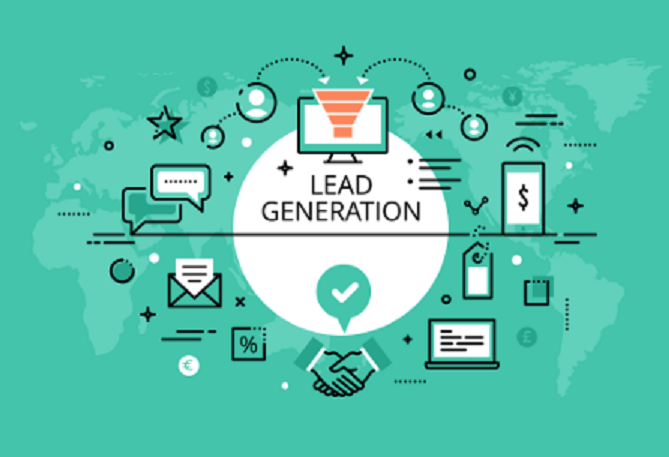
Before you start optimizing tactics, you need clarity on what lead generation actually means in a software context.
Because it’s not just about collecting emails or filling a CRM with contacts.
Lead generation for software companies is the process of attracting, identifying, and converting potential buyers into qualified opportunities for your product.
This usually happens through a mix of three approaches:
But not every lead is equal, and that’s where qualification comes in.
You’ll often hear terms like:
The goal isn’t just to generate leads — it’s to generate the right kind of leads consistently.
If you look closely, most software companies aren’t struggling because lead generation is hard.
They struggle because their approach is fragmented, inconsistent, and difficult to scale over time.
Let’s break down the most common reasons this happens.
It’s easy to double down on what works early.
Maybe cold email brought your first customers, or SEO started driving inbound leads.
But relying on one channel makes your pipeline fragile and unpredictable.
If that channel slows down due to algorithm changes, deliverability issues, or competition, your entire growth engine takes a hit.
You need multiple channels working together, not one doing all the heavy lifting.
When your Ideal Customer Profile is unclear, everything else starts breaking.
Your messaging feels generic, your outreach lacks relevance, and your conversion rates stay low.
Many teams try to target “anyone who might benefit” instead of focusing on specific segments.
That approach usually leads to wasted effort and low-quality leads that never convert.
The clearer your ICP, the easier it becomes to generate high-intent leads consistently.
A lot of software teams still run lead generation like a set of isolated tasks.
One tool for finding leads, another for emails, a spreadsheet for tracking, and manual follow-ups in between.
This creates friction at every step and increases the chances of missed opportunities.
More importantly, it makes scaling almost impossible without adding more people.
Disconnected workflows slow you down and reduce overall efficiency.
Suggested Reading:
Outbound Lead Generation ToolsLead generation isn’t just about strategy.
It’s about how consistently and quickly you execute that strategy over time.
Many teams start strong but lose momentum after a few weeks.
Campaigns stop, follow-ups get delayed, and testing becomes irregular.
This inconsistency leads to uneven results and makes it hard to learn what actually works.
Consistency compounds, but only if you maintain it.
Most leads don’t convert on the first touch.
Yet many software companies either don’t follow up or stop too early.
Without a structured follow-up system, you leave a significant portion of potential revenue on the table.
Effective follow-ups require timing, personalization, and persistence.
If you don’t have a system in place, even high-quality leads will go cold.
Now that you know what breaks your pipeline, the next step is fixing it with the right mix of strategies.
The goal isn’t to try everything randomly.
It’s to build a system where each channel supports the other and runs consistently without manual effort.
Cold email works when it’s built on clear ICP targeting and structured execution.
If your targeting is off, even strong messaging won’t convert.
Start by defining who you want to reach, what problem you solve, and why it matters now.
Then build sequences instead of sending one-off emails.
A simple flow like initial outreach → follow-up → value add → reminder helps you stay visible without being pushy.
Most replies don’t come from the first email.
They come from consistent follow-ups over time.
This is what makes cold email a predictable pipeline channel, not a random tactic.
The key is consistency.
When campaigns run regularly with proper targeting and follow-ups, you start seeing steady conversations instead of occasional responses.
And tools like Oppora make cold email campaigns relatively easy.
It gives you access to 1B+ verified contacts, builds your list, writes personalized emails, sends them, and follows up automatically.
You get 10,000 email lookup credits & can run up to unlimited emails for $34/month, with unlimited leads and campaigns, making it highly scalable.
This is not just email automation.
It’s a full pipeline engine running outbound end-to-end.
Product-led growth reduces friction by letting users experience your product before committing.
Free trials and freemium models allow users to explore value on their own terms.
This shifts the buying process from “convince” to “experience.”
PLG also works through product sharing loops, team invites, and incentivization, where users bring others in as they see value.
This creates a natural growth loop without direct selling.
But PLG alone can be slow if you rely only on organic discovery.
You may get signups, but not at the pace needed for consistent growth.
That’s why many companies combine PLG with proactive strategies.
When you actively bring the right users into your product, you accelerate activation and shorten the path to conversion.
Manual lead sourcing limits how fast you can grow.
You spend hours searching for companies, filtering contacts, and verifying data.
Even then, results depend heavily on daily effort.
AI removes this limitation by creating a continuous lead flow.
Instead of manually searching, you define your ICP once.
Then systems can identify relevant companies and decision-makers automatically.
This keeps your pipeline filled with fresh prospects without constant effort.
It also improves targeting accuracy because data is enriched and updated regularly.
The biggest shift here is moving from manual list building to always-on lead generation.
This allows your team to focus more on conversations and conversions instead of data collection.
Relying on a single channel reduces your chances of getting noticed.
People are busy, and one message is rarely enough.
That’s why multi-channel outreach improves response rates.
A simple flow like email → LinkedIn connection → follow-up message increases visibility and familiarity.
It helps you show up in different contexts without being repetitive.
This builds trust over time.
However, execution needs to be consistent.
If timing or messaging is off across channels, the impact drops.
The goal is to maintain a coordinated flow across touchpoints.
When done right, multi-channel outreach feels natural and relevant.
And that’s what turns cold outreach into meaningful conversations.
Most visitors don’t convert on the first visit.
They explore and leave, but that doesn’t mean they’re not interested.
It usually means they’re still evaluating options.
Instead of losing them, you can re-engage similar prospects through outbound.
Here’s how you can approach it:
This shifts your approach from waiting to acting.
You’re not dependent on visitors returning anymore.
You’re turning passive interest into active pipeline, which improves conversion without increasing traffic.
Suggested Reading:
How to Follow Up on Cold EmailContent builds trust before you sell.
Blogs, SEO pages, and case studies attract users already searching for solutions.
This means the intent is already there.
But content alone is passive.
You publish and wait for traffic to build.
To make it effective, you need distribution.
Instead of waiting for people to find your content, you can push it directly to your ICP.
A simple approach looks like this:
This turns content into an active lead generation channel.
You’re not just creating content.
You’re using it to start conversations.
Paid ads help you capture users who are already looking for solutions.
Platforms like Google and LinkedIn allow precise targeting.
This brings in prospects who are closer to buying.
But not everyone converts immediately.
And as competition increases, costs can rise quickly.
That’s why relying only on ads limits scalability.
To improve results, you can extend your reach beyond clicks:
This ensures you’re maximizing every interaction, not just conversions.
It also helps you stay visible even after the first touchpoint.
Generic landing pages don’t convert well.
Each ICP has different pain points and expectations.
When your messaging is broad, it doesn’t connect deeply.
Creating ICP-specific landing pages solves this.
You tailor your message based on industry, role, and use case.
A strong approach includes:
This improves both rankings and conversions.
But traffic alone isn’t enough.
SEO takes time to build.
To accelerate results, you need to actively reach those companies.
This combination creates both short-term pipeline and long-term growth.
Communities and webinars help you build trust before selling.
You educate your audience, answer questions, and position yourself as a credible solution.
This attracts high-quality, intent-driven leads.
But most companies stop after the event.
That’s where opportunities are lost.
Follow-ups are what convert interest into pipeline.
A simple way to make this work:
This ensures the conversation doesn’t end after the webinar.
It continues until it turns into a real opportunity.
Integrations increase both visibility and trust.
When your product connects with tools your audience already uses, adoption becomes easier.
Marketplaces also bring users who are actively exploring solutions.
This creates a strong acquisition channel.
But integration alone doesn’t drive conversions.
You still need activation.
To make this strategy effective:
This helps you move from visibility to actual usage.
You’re not just present in ecosystems.
You’re actively converting users within them.
Referrals and partnerships bring warm, high-intent leads.
These leads convert faster because trust is already established.
Agencies, consultants, and partners can become powerful distribution channels.
They already have access to your ideal audience.
But managing partnerships requires consistency.
Without proper follow-ups, opportunities fade quickly.
To build a strong partner-led pipeline:
This keeps your partner network active.
And turns relationships into a steady source of pipeline.
Case studies make your value tangible.
They show real results instead of just claims.
This builds trust faster than any sales pitch.
But most companies limit them to their website.
That reduces their impact.
Instead, you should actively distribute them.
A better approach looks like this:
This helps prospects see themselves in the results.
And makes your messaging more credible.
You’re not just telling them what you do.
You’re showing what’s possible.
No single channel can build a reliable pipeline on its own.
What actually drives growth is a system where strategies work together and run consistently.
Because in the end, execution matters more than ideas.
While your strategies may vary, Oppora acts as the execution layer—helping you run, automate, and scale your lead generation without manual effort.
It’s the process of attracting and converting potential users into qualified leads and customers.
No single channel works alone.
A mix of inbound, outbound, and PLG delivers the best results.
Outbound gives you control and predictability in your pipeline instead of waiting for inbound leads.
AI automates lead discovery, outreach, follow-ups, and replies, making campaigns faster and scalable.
Inbound takes time, but outbound and ads can generate leads within days or weeks when executed properly.
Summarize with AI
Share