Home
Blog
Find & Send Cold Emails to 500 Unique Prospects Every Month for FREE.
Home
Blog
Adam Hossain
Published January 4, 2026
18 min
Try Oppora AI
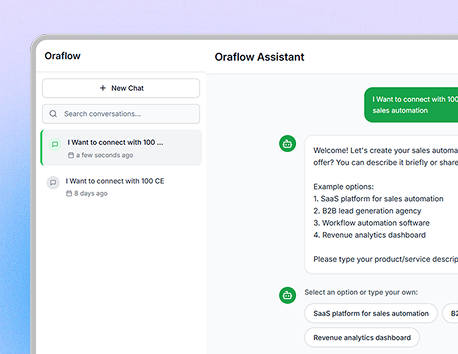
Create Self-Running Agentic Sales Workflows like N8N just by chatting with AI
Get Started for FREE
Following up after sending a quotation is often the pivotal moment where a deal can either progress or quietly stall.
This guide is designed to help you navigate the art of writing a quotation follow-up email that’s professional, respectful, and effective.
We’ll walk you through when to follow up, how to craft your message to keep it natural yet persuasive, and share practical email templates that will help you connect with your prospects without feeling pushy.
Whether you’re new to follow-ups or refining your approach, these tips will guide you every step of the way.
After sending a quote, many businesses believe the deal is as good as done. In reality, most quotations don’t fail because of pricing. They fail because there’s no follow-up.
Prospects often need more time to evaluate a proposal, and silence doesn’t always mean rejection. It’s crucial to understand why timely follow-ups are essential to keep the conversation alive and increase the chances of closing the deal.
Silence after sending a quotation doesn’t necessarily indicate disinterest or rejection. In many cases, it’s a sign that the prospect’s internal priorities have shifted, or they’re busy with other pressing matters.
Your quote may not have been given the attention it deserves due to other ongoing projects or approvals. By recognizing this, you can avoid sounding impatient and instead craft a professional follow-up that reminds them of your offer without being pushy.
When prospects are evaluating multiple options, or when the decision requires input from several stakeholders, the process can take longer than expected.
It’s not uncommon for responses to be delayed.Buyers often need time to review the proposal and consult with others in their team or budget departments.
A delayed response doesn’t always mean a “no.”A timely follow-up shows you understand that decision-making takes time and helps nudge the conversation forward.
The way you follow up can greatly impact your credibility. Buyers appreciate clear, concise, and professional communication.
A well-crafted follow-up email reassures them that you are organized, attentive, and genuinely interested in addressing their needs. This kind of professionalism instills trust, which is crucial in moving the deal forward.
A thoughtful, timely follow-up can be the key to converting interest into a closed deal. It creates an opportunity to clarify any questions the prospect may have, address concerns, and even adjust the proposal if necessary.
By following up at the right time, you increase your chances of sealing the deal.

Effective follow-ups are all about timing.
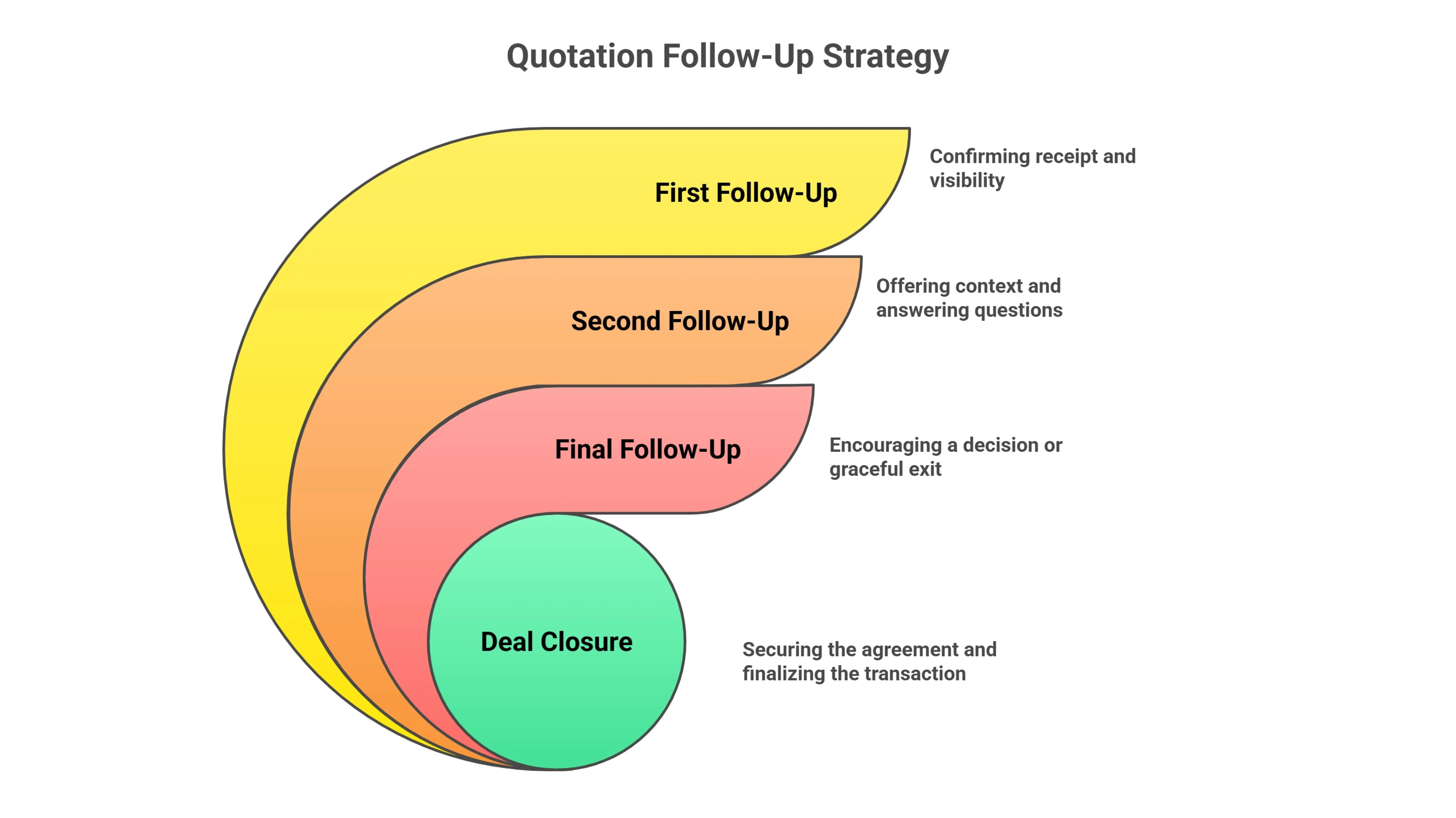
Understanding when to follow up after sending a quotation can greatly influence the outcome. Each stage of the follow-up process serves a different purpose, from confirming receipt to maintaining engagement, and ultimately, securing the deal.
Knowing the right time to follow up can keep the conversation moving forward without feeling too pushy.
The first follow-up email after sending quotation should be light, unobtrusive, and professional.
It’s not the time to ask for a decision or push for a commitment. Instead, it serves as a simple visibility check to confirm that the recipient has received your quotation.
A polite, straightforward follow-up can make all the difference in ensuring that your proposal hasn’t been overlooked.
This early nudge is an opportunity to reintroduce your offer without applying any pressure. It sets the tone for a respectful, ongoing conversation.
The second follow-up quotation email comes after giving your prospect time to review the quotation.
At this stage, your email should add more context and offer to answer any questions they may have.
It's important to acknowledge any potential delays without calling them out directly. Instead, focus on the fact that you’re checking in to see if they need further clarification or assistance in making their decision.
This follow-up invites your prospect to re-engage in the conversation without feeling pressured. It’s a gentle reminder that you’re still available and ready to help.
The final follow-up on quotation email should provide a clear next step or a graceful exit.
After waiting a reasonable amount of time, it’s important to either encourage a final decision or allow the prospect to step away.
This email should express appreciation for their time, outline any final details, and provide a professional way to end the conversation if they’re no longer interested.
It’s also an opportunity to leave the door open for future communication. Respecting the prospect’s time while keeping the relationship professional helps ensure that you remain on good terms for any future opportunities.
Effective quotation follow-ups can be the key to turning potential leads into actual sales.
A well-crafted follow-up email can maintain momentum without sounding too forceful or sales-driven.
The secret lies in getting the tone right—one that feels professional and polite, while gently encouraging the recipient to engage.
From subject lines to message phrasing, every detail matters.
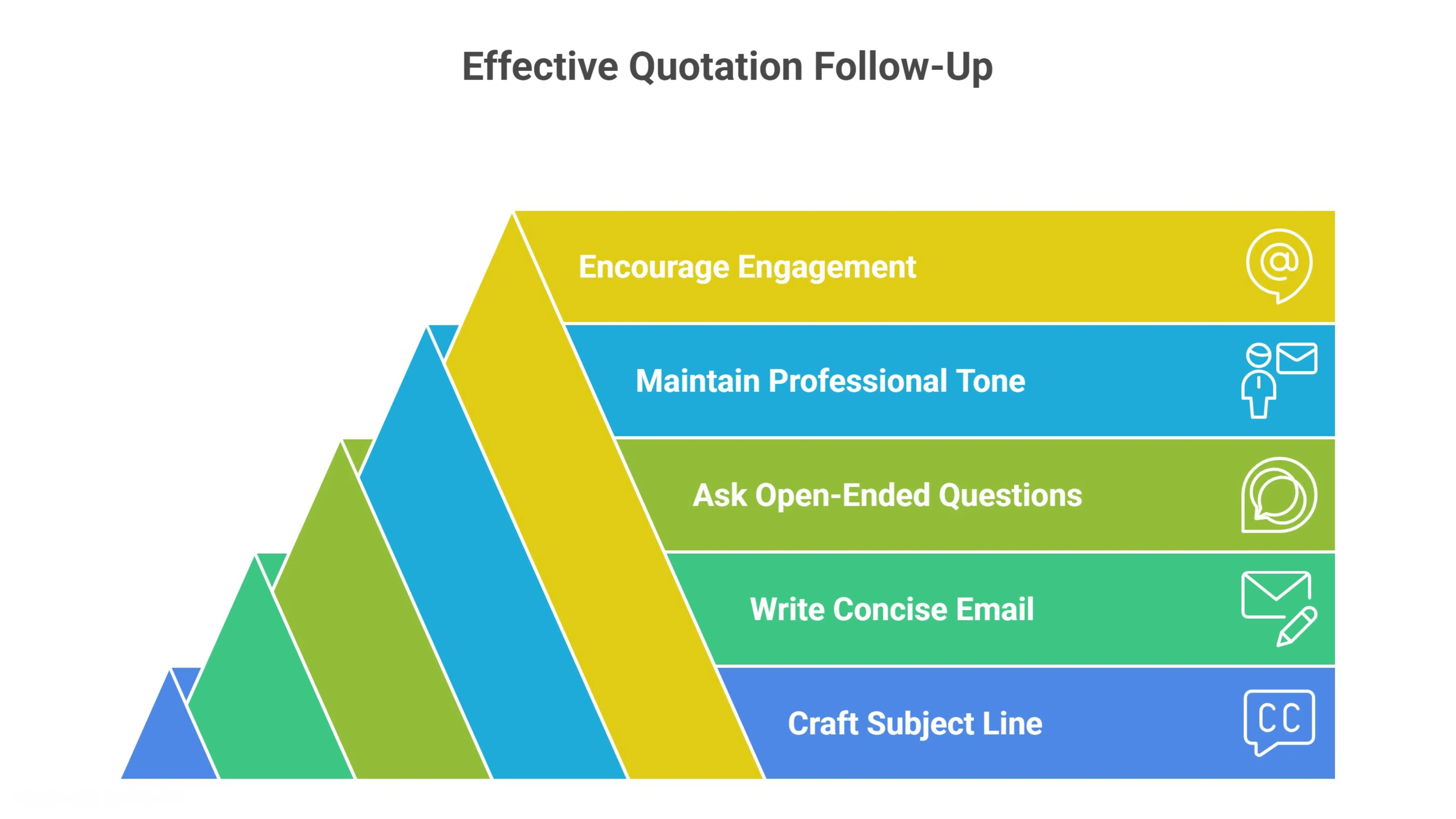
This section explains what makes a quotation follow-up effective, with practical advice on subject lines, tone, and how to keep the communication open and non-pushy.
When it comes to follow up email on quotation, brevity is crucial.
Short emails tend to get more replies, as they can be read and understood quickly often in under 30 seconds.
To keep your follow-up concise, focus on one clear purpose.
Avoid unnecessary details or long paragraphs that could overwhelm the recipient.
A straightforward, easy-to-skim email is more likely to be read and responded to.
By keeping the message focused and direct, you ensure that the prospect knows exactly what you need from them without feeling burdened by a lengthy email.
An effective email follow up quotation encourages conversation, not decisions.
Instead of asking for an immediate commitment, try using open-ended questions that prompt the recipient to engage.
For example, ask about any questions they might have regarding the proposal or if they need additional information to move forward.
These questions should invite dialogue while giving the prospect time to consider their response without feeling pressured.
By framing your follow-up in a way that feels like a conversation rather than a push for closure, you help keep the communication light, respectful, and professional.
These examples cover common follow-up situations from gentle reminders to late-stage check-ins.Each template is practical, professional, and designed to encourage replies without pressure.
Whether you're following up shortly after sending a quotation or reaching out after a longer delay, these email templates are crafted to fit various situations.
They maintain a balance between professionalism and approachability, ensuring your communication is clear and effective.
These templates help keep the conversation moving forward and increase the likelihood of getting a response, while still respecting the prospect's time and decision-making process.This structure makes the content easier to digest and read!
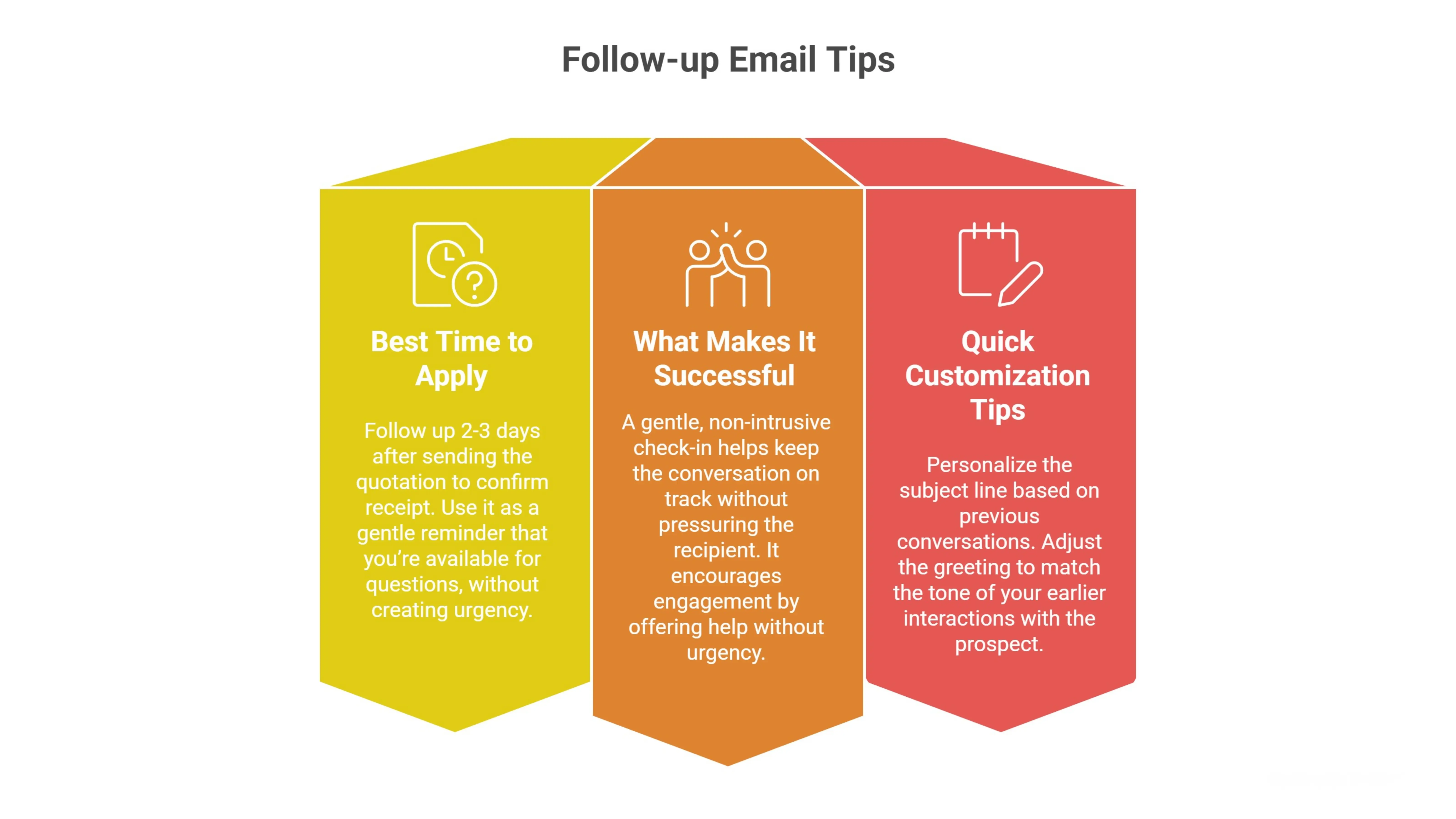
Best Time to Apply:
What Makes It Successful:
A gentle, non-intrusive check-in that helps keep the conversation on track without pressuring the recipient. It encourages engagement by offering help without urgency.
Quick Customization Tips:
Template:
Subject: Just Checking In on Your Recent Quote
Dear [Name],
I hope this email finds you well.
I wanted to quickly follow up on the quotation I sent on [date], just to ensure it was received and to see if you had any questions or needed further information.
I understand you may be busy, so there’s no rush, but I’d be happy to assist if anything needs clarification.
Looking forward to hearing from you when you have the time.
Best regards, [Your Name] [Your Contact Information]
Best Time to Apply:
What Makes It Successful:
The casual and approachable tone creates a space for the prospect to reconnect comfortably, making it easier for them to respond without feeling any push.
Quick Customization Tips:
Template:
Subject: Just Checking In on Your Quote
Hi [Name],
I hope everything’s going well!
I wanted to check in and see if you had a chance to look over the quotation I sent on [date]. If you have any questions or need additional details, feel free to reach out.
I’m happy to help with anything at all. Looking forward to your thoughts!
Warmly, [Your Name] [Your Contact Information]
Best Time to Apply:
What Makes It Successful:
It strengthens the relationship by offering a gentle reminder, showing you’re still available to assist without pushing for a decision.
Quick Customization Tips:
Template:
Subject: Checking In on Your Recent Quote
Dear [Name],
I hope everything is going well.
I wanted to follow up on the quotation I sent on [date]. If you have any questions or need more details, feel free to reach out—I’m happy to assist.
Looking forward to hearing from you soon.
Best regards, [Your Name] [Your Contact Information]
Best Time to Apply:
What Makes It Successful:
It shifts the focus from price to long-term value, helping the client see the overall benefit and impact of your offering.
Quick Customization Tips:
Template:
Subject: Unlocking Greater Value with [Product/Service]
Dear [Name],
I wanted to follow up on the quotation I sent on [date]. While I understand cost is an important factor, the real value here lies in the outcomes we can help you achieve.
With [Product/Service], you’ll see [mention specific benefits or results relevant to the client’s needs]. I’d love to discuss how this can create long-term value for your business.
Looking forward to hearing your thoughts.
Warm regards, [Your Name] [Your Contact Information]
Best Time to Apply:
What Makes It Successful:
By asking a simple question, it makes it easy for the client to engage, encouraging a quick and easy response.
Quick Customization Tips:
Template:
Subject: Quick Question About Your Quote
Hi [Name],
I hope you're doing well!
I wanted to check in briefly—do you have any questions or need any clarification on the quotation I sent? I’m happy to help if something needs more details.
Look forward to hearing your thoughts.
Best, [Your Name] [Your Contact Information]
Best Time to Apply:
What Makes It Successful:This follow-up gracefully acknowledges the lack of response, creating a bridge to continue the conversation. It’s respectful of the recipient’s time and keeps things open for further dialogue.
Quick Customization Tips:
Template:
Subject: Just Following Up on Our Proposal
Hi [Name],
I hope everything’s going well on your end.
I’m reaching out to follow up on the quotation sent last week. If you need any further information or have questions, I’m happy to assist at your convenience.
Looking forward to hearing from you soon.
Kind regards [Your Name] [Your Contact Information]
Best Time to Apply:
What Makes It Successful:
This approach fosters transparency by directly addressing the decision-making process. It helps clarify the timeline, making it easier for you to plan follow-ups and allocate resources effectively.
Quick Customization Tips:
Template:
Subject: Clarifying the Next Steps for Your Quote
Hi [Name],
I hope you're doing well.
I wanted to check in and clarify the timeline for your decision on the quotation I sent on [date]. Are there any specific steps or considerations I should be aware of moving forward?
This will help me prioritize and ensure I’m supporting your process in the best way.
Looking forward to hearing from you.
Best, [Your Name] [Your Contact Information]
Best Time to Apply:
What Makes It Successful:
This template offers a subtle nudge, suggesting the next action without forcing it. It keeps the conversation moving forward in a way that feels natural, helping prospects make a decision on their terms.
Quick Customization Tips:
Template:
Subject: Ready to Move Forward with Your Quote?
Hi [Name],
I hope everything is going well!
I’m checking in to see if you’ve had a chance to review the proposal I sent on [date]. If you have any remaining questions or would like to discuss the next steps, I’d be happy to hop on a quick call.
Just let me know how you'd like to proceed!
Looking forward to your reply.
Best wishes [Your Name] [Your Contact Information]
Best Time to Apply:
What Makes It Successful:
This approach respects the prospect’s time and decision-making process. By offering closure without urgency, it creates a sense of relief for the recipient, allowing them to respond freely.
Quick Customization Tips:
Template:
Subject: Last Check-In on Your Proposal
Hi [Name],
I hope all is well.
I just wanted to send a final follow-up regarding the quotation I sent on [date]. If you’re not ready to move forward, that’s perfectly fine.
Please let me know if there’s anything I can assist with, or if you’d prefer to close the conversation here.
Thanks again for your time, and I look forward to hearing from you if anything changes.
Sincerely, [Your Name] [Your Contact Information]
Best Time to Apply:
What Makes It Successful:
This template invites the prospect to take the next step with ease. It offers a solution that feels comfortable and approachable, helping them move forward without feeling overwhelmed by a hard push.
Quick Customization Tips:
Template:
Subject: Let’s Discuss the Next Steps
Hi [Name],
I hope you’re doing well!
I just wanted to touch base and see if you'd like to explore the next steps regarding the proposal. If it’s helpful, I can provide further clarification or walk you through any specific points.
Feel free to reach out if you’d like to connect.
Kind regards, [Your Name] [Your Contact Information]
Best Time to Apply:
What Makes It Successful:
This approach brings the conversation back into focus by quickly refreshing the prospect's memory of the quotation's purpose. It highlights the value of the proposal without sounding repetitive or forceful.
Quick Customization Tips:
Template:
Subject: Revisiting Your Proposal
Hi [Name],
I hope you’re well!
I’m following up on the proposal I shared on [date]. The quote was designed to help with [mention core benefit or value], and I wanted to check if you had any further questions or need clarification.
Please don’t hesitate to reach out—I'd be happy to assist further.
Best regards, [Your Name] [Your Contact Information]
Best Time to Apply:
What Makes It Successful:
This approach acknowledges the review process without pressuring the prospect for a response. It lets the recipient know you're available to provide support, while also respecting their internal timelines and budget considerations.
Quick Customization Tips:
Template:
Subject: Following Up on Your Proposal Review
Hi [Name],
I hope you're having a great week.
Just checking in to see if there’s anything else I can provide while you’re reviewing the proposal. I completely understand that approvals can take time, and I'm happy to assist with any additional details or clarifications you may need.
Please feel free to reach out at your convenience.
Kind regards, [Your Name] [Your Contact Information]
Best Time to Apply:
What Makes It Successful:
This email encourages discussion among all stakeholders by acknowledging the collective review process. It keeps communication flowing smoothly while respecting each person's role in the decision-making process.
Quick Customization Tips:
Template:
Subject: Gathering Team Feedback on the Proposal
Hi [Name],
I hope you’re doing well.
I wanted to follow up and check if the team has had a chance to review the proposal I sent on [date]. If any additional information or clarification is needed, I’d be happy to assist in any way.
Looking forward to hearing your thoughts.
Warm regards, [Your Name] [Your Contact Information]
Best Time to Apply:
What Makes It Successful:
This approach offers a fresh start by engaging the prospect in a natural way. It keeps the tone neutral and non-urgent, inviting them back into the conversation without pressure or guilt.
Quick Customization Tips:
Template:
Subject: Just Checking In
Hi [Name],
I hope you’ve been well!
I wanted to follow up and see if there’s anything new on your end regarding the proposal I shared on [date]. If it’s helpful, I’m available to discuss any questions or next steps whenever you’re ready.
Looking forward to hearing from you.
Warmly, [Your Name] [Your Contact Information]
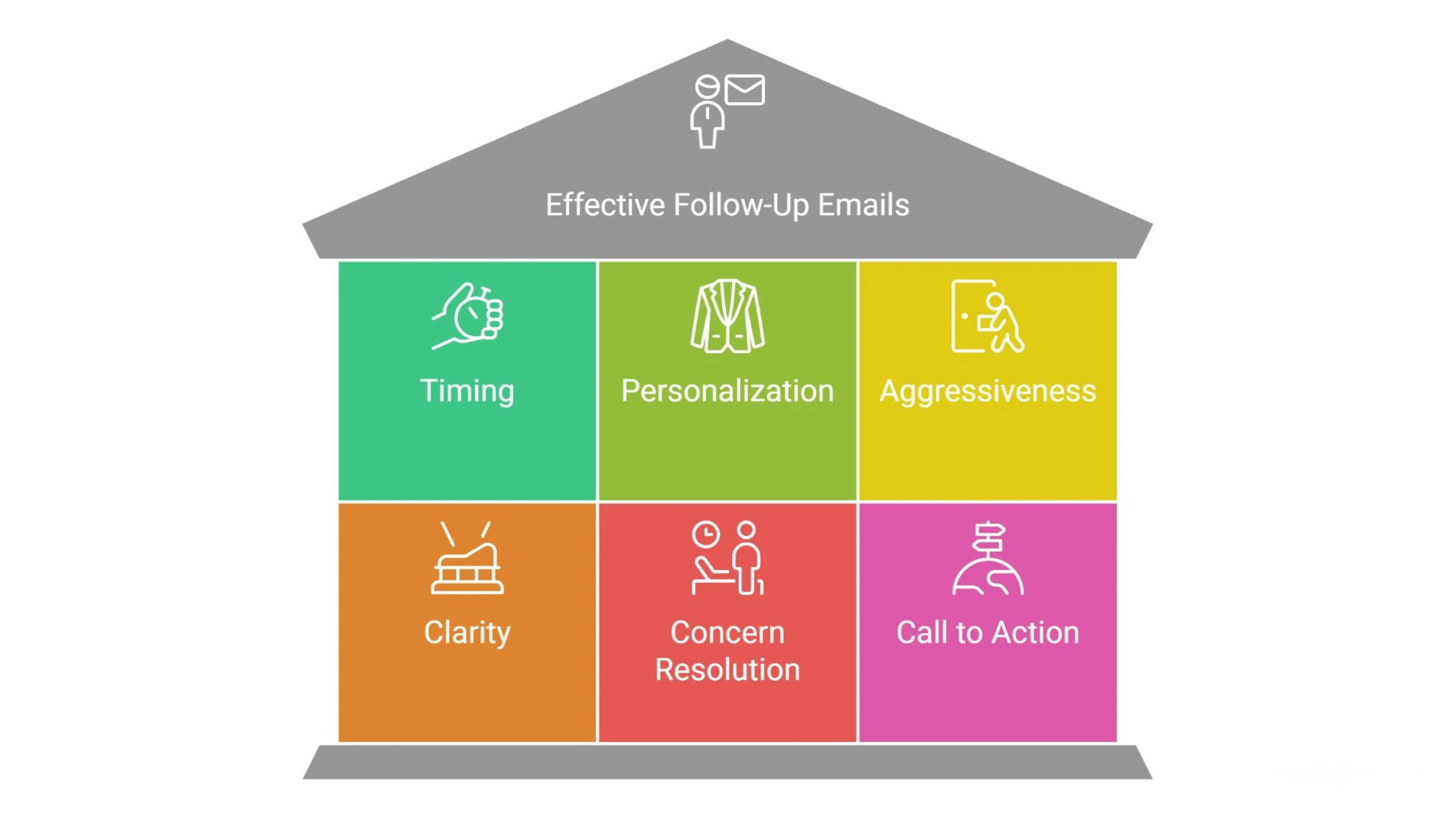
After sending a quotation, following up is crucial to keep the conversation moving forward. However, many sales professionals make mistakes that can damage their chances of closing the deal. Below are some common errors to avoid when sending a follow-up email:
By avoiding these common mistakes, you can ensure that your follow-up email is professional, clear, and more likely to lead to a successful outcome.
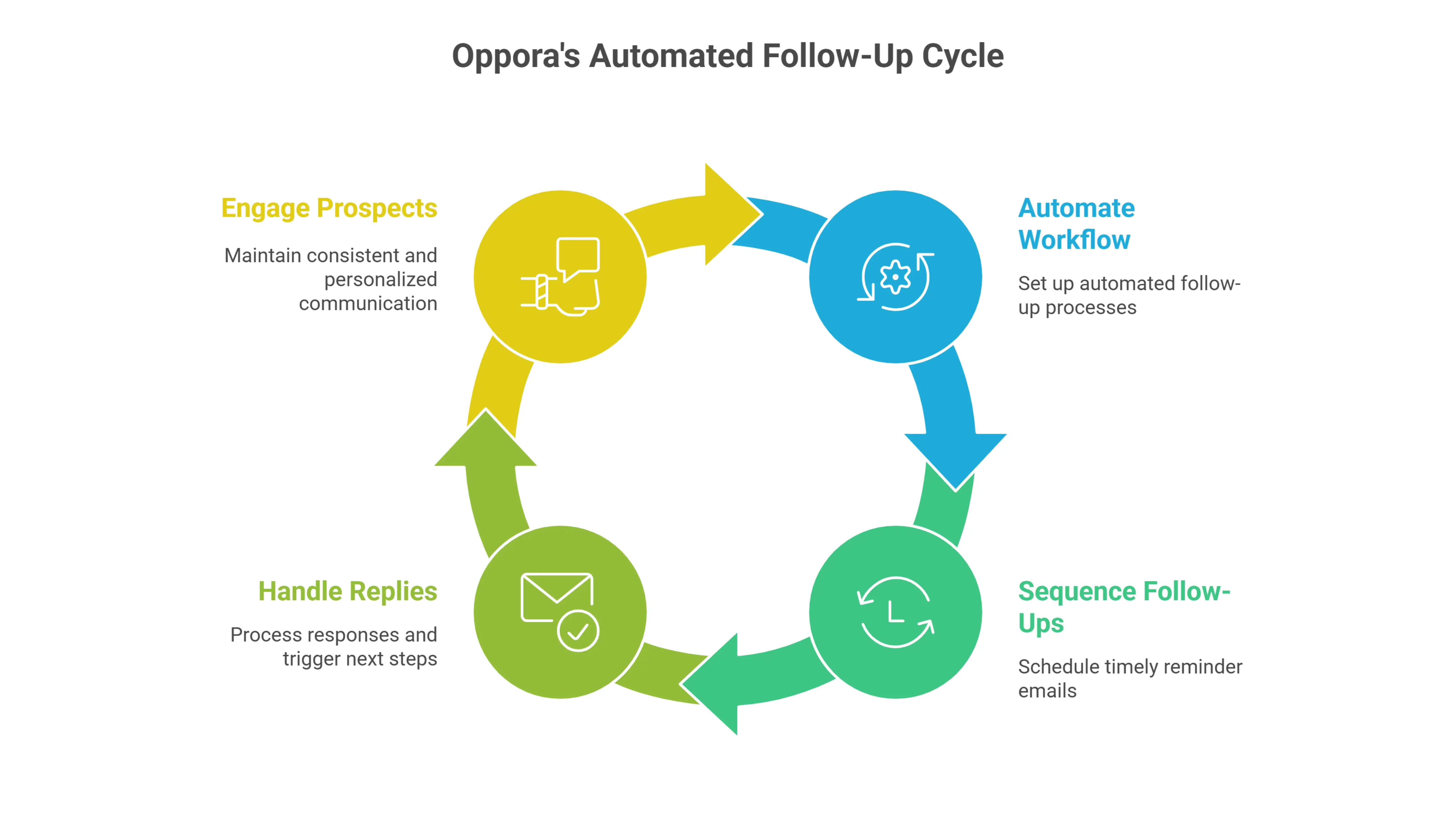
Managing email follow-up quotations manually can become overwhelming as the number of quotations increases. Oppora simplifies this process by automating key follow-up actions, ensuring timely communication without the need for manual intervention.
By automating the process of email follow-up on quotations, Oppora helps maintain a steady flow of communication. It ensures timely, personalized engagement with prospects, without sounding robotic or repetitive.
Conclusion
Effective quotation follow-up emails depend on clarity, timing, and professionalism.
By following the right structure and using the appropriate templates, you can turn silence into productive conversations.
Even small adjustments in how you approach follow-ups can lead to better engagement and higher close rates.
With consistent, well-timed communication, your chances of success improve significantly.
Tools like Oppora can help streamline this process, automating follow-ups and ensuring your communication stays timely and professional. This ensures that your quotes don’t fade away but instead lead to meaningful outcomes.
What is the ideal time gap between each follow-up email after sending a quotation?
Send the first follow-up 2-3 days after the quotation, the second follow-up 5-7 days later, and the final follow-up 10-14 days after the second. Timing is key to keeping prospects engaged.
How do I avoid sounding too pushy in a follow-up email?
Be polite, professional, and offer value. Ask if they have questions or need more information rather than demanding a decision. Keep the tone friendly and respectful.
How do I craft a compelling subject line for a quotation follow-up email?
Use clear, relevant subject lines like “Just checking in on your quotation” or “Follow-up on your proposal” to prompt attention without sounding aggressive.
Should I follow up with the same message each time?
No, each follow-up should vary. Add context, address concerns, or offer new value. This keeps the conversation fresh and shows your ongoing engagement.
Can automation tools improve the follow-up process?Y
es, automation tools like Oppora help schedule timely follow-ups, track responses, and maintain professionalism without manual effort, ensuring consistency and efficiency.
Summarize with AI
Share