Home
Blog
Find & Send Cold Emails to 500 Unique Prospects Every Month for FREE.
Home
Blog
Manasa Goli
Published March 4, 2026
6 min

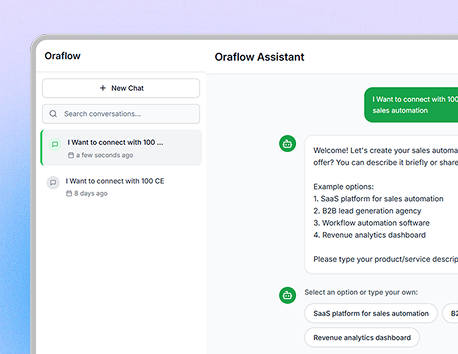
Try Oppora AI
Create Self-Running Agentic Sales Workflows like N8N just by chatting with AI
Get Started for FREE
Have you ever hit Send on an email and immediately wondered if it would be read—or worse, if it would get buried under a flood of other messages? Timing isn’t just convenient; it’s strategic. In today’s hyper-connected world, sending an email at the right moment can be the difference between a lead engaging with you or ignoring your message entirely.
This is where scheduling emails in Outlook becomes a game-changer. Imagine drafting your messages at 8 PM but having them arrive in your client’s inbox at 9 AM, exactly when they start their workday. Not only does this look professional, but it also increases the likelihood your emails will be read and responded to.
In this guide, we’ll cover everything from step-by-step scheduling in Outlook, to strategies for timing your emails, and even how AI tools like Oppora.ai can supercharge your outreach strategy.
Scheduling emails isn’t just about convenience—it’s about strategic communication. Here’s why:
Example: A salesperson preparing for a product launch can schedule outreach emails over several days, ensuring prospects receive information at ideal times without the sender being online.
Scheduling emails in Outlook isn’t just clicking a button; it’s about planning, customizing, and optimizing your communication. Below is a detailed, multi-step guide for both desktop and web versions.
Example: You finish drafting an email at 10 PM on Friday but want it delivered Monday at 9 AM. By scheduling, your message arrives during prime business hours, increasing the chances it will be seen and responded to.
Example: You are working remotely late at night but want the email to reach a client’s inbox during office hours. Outlook Web ensures it arrives at the perfect moment without requiring you to be online.
Scheduling emails is powerful, but using it effectively requires strategy. Here are some key best practices:
Example: A marketing manager uses scheduling to send weekly newsletters at different times to see which slot generates the highest engagement.
While Outlook lets you schedule emails at specific times, Oppora.ai goes beyond basic timing by adding automation, AI‑driven optimization, and campaign intelligence to your outreach process.
Oppora.ai can suggest optimal send times based on your campaign engagement patterns and reply behavior, helping you schedule outbound messages when recipients are more likely to open and respond. This is more advanced than simple calendar scheduling because it analyzes trends over time and across audiences.
Rather than manually scheduling every follow‑up email, Oppora.ai allows you to configure automated follow‑up sequences with customizable intervals between messages. You can set these once and let the platform handle timing and sequencing across your outreach lists.
Oppora.ai offers performance insights on your campaigns, including opens, replies, bounce rates, and other metrics. These analytics help you refine your timing choices and follow‑up strategies to improve engagement.
Beyond just scheduling individual emails, Oppora.ai builds entire outreach workflows — from lead discovery and enrichment to campaign execution and reply handling — so you can maximize the impact of your scheduled messages.
Example: A sales team planning a multi‑step outreach campaign could use Outlook to schedule key messages, but by using Oppora.ai they can automatically:
Scheduling emails in Outlook is more than just a productivity hack—it’s a strategic way to ensure your messages reach the right people at the right moment. By planning ahead, timing follow-ups, and analyzing engagement patterns, you can prevent emails from getting lost in crowded inboxes and maintain a consistent communication flow.
When combined with tools like Oppora.ai, your email strategy becomes even more powerful. Oppora.ai allows you to automate follow-up sequences, track campaign performance, and manage multi-step outreach workflows, giving you visibility and control over your email campaigns at scale.
Whether you’re reaching out to clients, leads, or colleagues, mastering email scheduling ensures your messages are delivered efficiently, read on time, and acted upon. With the right strategy and smart tools, every email you send can have maximum impact—saving you time while improving engagement and results.
Yes. Go to your Outbox (Desktop) or Drafts/Scheduled folder (Web), open the email, and adjust the date, time, or content as needed.
Outlook doesn’t natively support fully recurring emails, but you can copy a scheduled email and adjust timing manually. Tools like Oppora.ai allow multi-step sequences and automated follow-ups at scale.
Yes. Make sure your computer or account time zone is correct before scheduling. Outlook schedules based on your local time, so changing time zones can shift delivery times.
While it depends on your audience, studies suggest:
Absolutely. Timing emails strategically ensures they’re read when recipients are active, which can increase open and reply rates significantly compared to sending at random times.
Summarize with AI
Share