If you’re exploring snov.io alternatives, you’re likely scaling outbound beyond basic email finding. Growth often exposes structural limits.
Many teams seek a snov.io alternative when credits deplete quickly or automation feels shallow. Sending limits can also slow expansion.
Scalability becomes harder when infrastructure doesn’t support multiple mailboxes or advanced workflows. Over time, this affects consistency and campaign performance.
This guide ranks the top snov.io alternatives by database depth, automation, deliverability, pricing, and scalability. The focus is real outbound readiness, not surface-level features.
12 Best Snov.io Alternatives Ranked by Features and Pricing
When comparing snov.io alternatives, you should evaluate more than just email discovery. Database depth, automation capability, email infrastructure, pricing structure, scalability, and overall outbound readiness determine long-term performance.
Below are the top alternatives to snov.io ranked using those exact criteria.
1. Oppora.ai
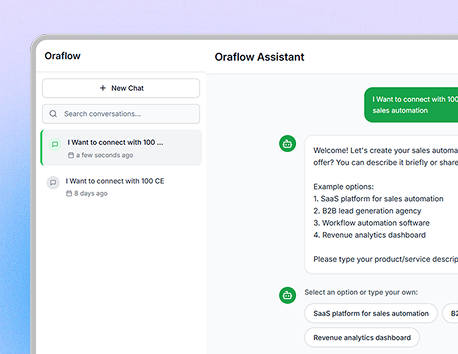
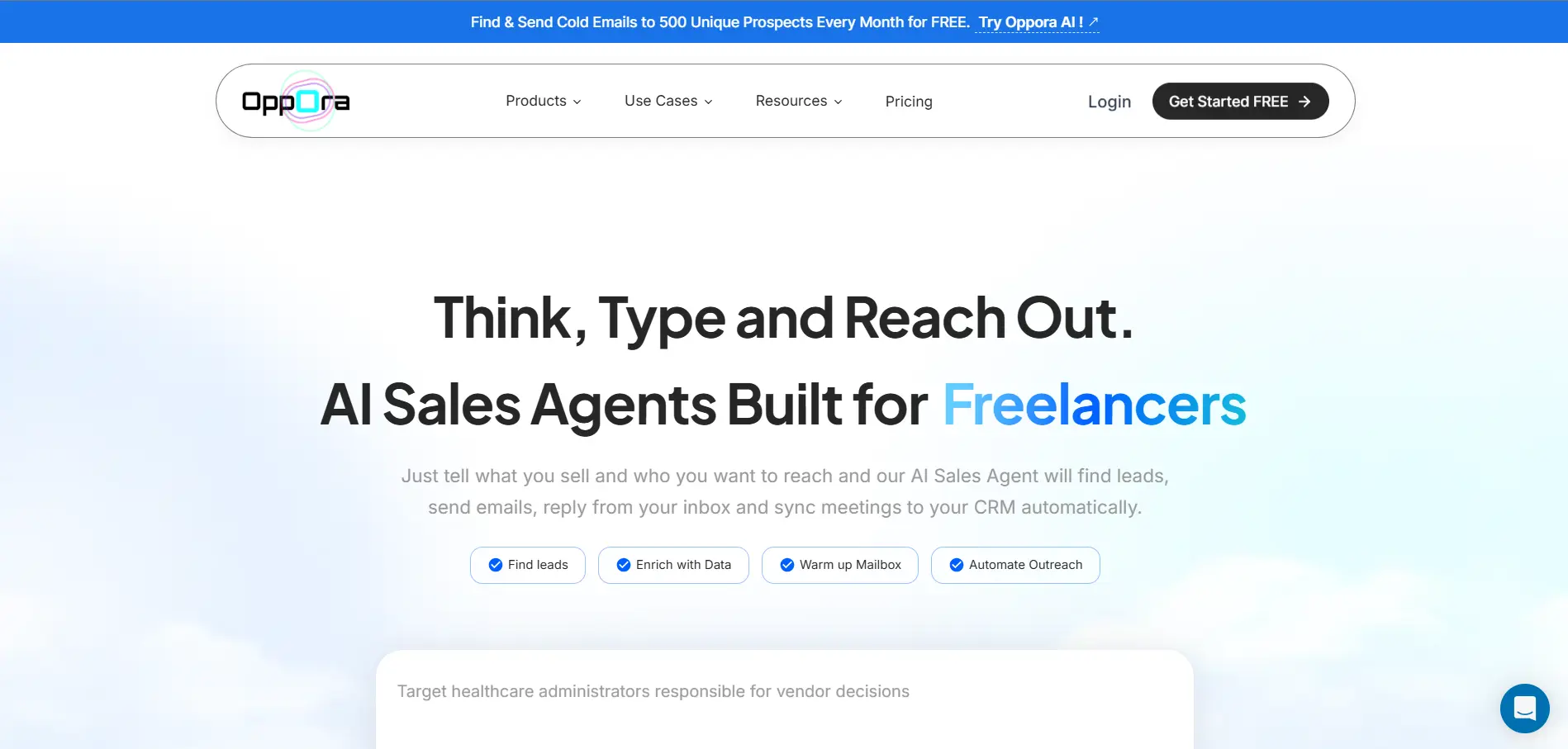
Oppora.ai is an AI-driven outbound platform built for end-to-end sales automation. Instead of separate tools for finding, writing, sending, and replying, it uses coordinated AI agents to execute the full workflow.
Database & Lead Capabilities
Oppora provides access to 700M+ verified contacts using waterfall data sourcing.
You can filter by role, company size, industry, geography, and enrichment criteria.
Real-time email verification is built into the system before sending.
Automation & Workflow Features
The platform runs on 8 connected AI Sales Agents that execute workflow automation continuously.
A drag-and-drop builder allows you to design automated outbound sequences easily.
Emails are uniquely generated by AI instead of relying on template spinning.
Email Sending & Deliverability
Oppora supports domain warm-up and sender rotation automatically.
It matches Gmail-to-Gmail or Outlook-to-Outlook to improve inbox placement.
You can scale up to 50 connected mailboxes safely.
Add-on options are available, making it easy to manage usage without upgrading to a higher tier
Custom enterprise plans are available upon request
Pros
Provides end-to-end automation without manual execution.
Includes strong built-in deliverability safeguards.
Limitations
Not positioned as a traditional CRM replacement.
Best For
Founders, agencies, and SaaS teams scaling outbound efficiently.
2. Apollo.io
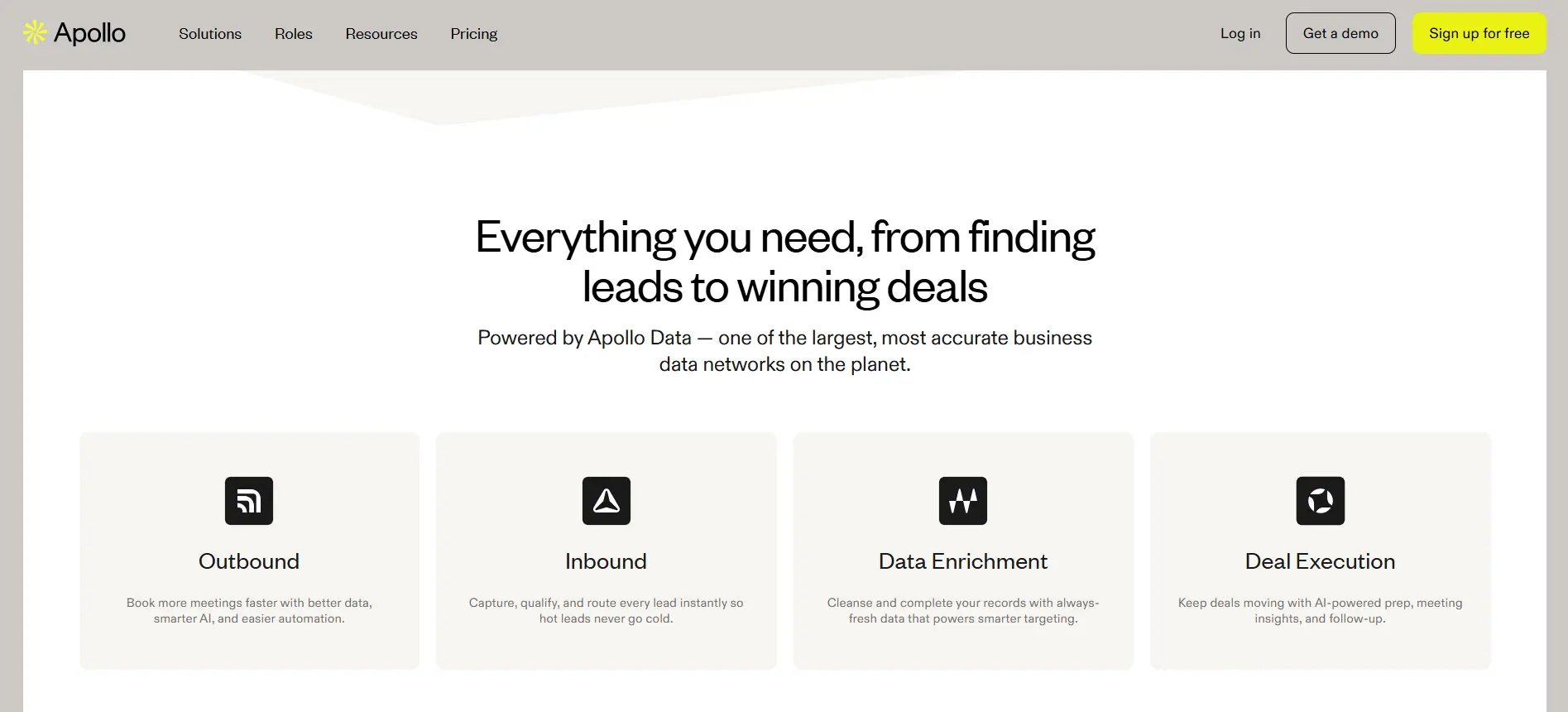
Apollo.io combines a large B2B database with outbound sequencing and CRM features. It is one of the most widely used snov.io alternatives.
Database & Lead Capabilities
Apollo offers access to over 270M contacts globally.
Advanced filters include job title, funding stage, technologies, and intent signals.
CRM synchronization is built directly into the platform.
Automation & Workflow Features
It includes a multi-step email sequence builder.
AI assists with copy suggestions but does not automate entire workflows.
Campaign logic must be configured manually.
Email Sending & Deliverability
Multiple mailboxes can be connected for outreach.
Sending limits and warm-up features vary by plan.
Deliverability monitoring exists but requires manual oversight.
Pricing Model
Apollo uses tiered subscriptions with credit-based exports.
Costs increase significantly as usage scales.
Pros
Massive global database.
Combines prospecting and engagement in one tool.
Limitations
Credit consumption can raise costs quickly.
Automation depth is limited compared to AI-native systems.
Best For
Sales teams needing an all-in-one prospecting workspace.
3. Cognism
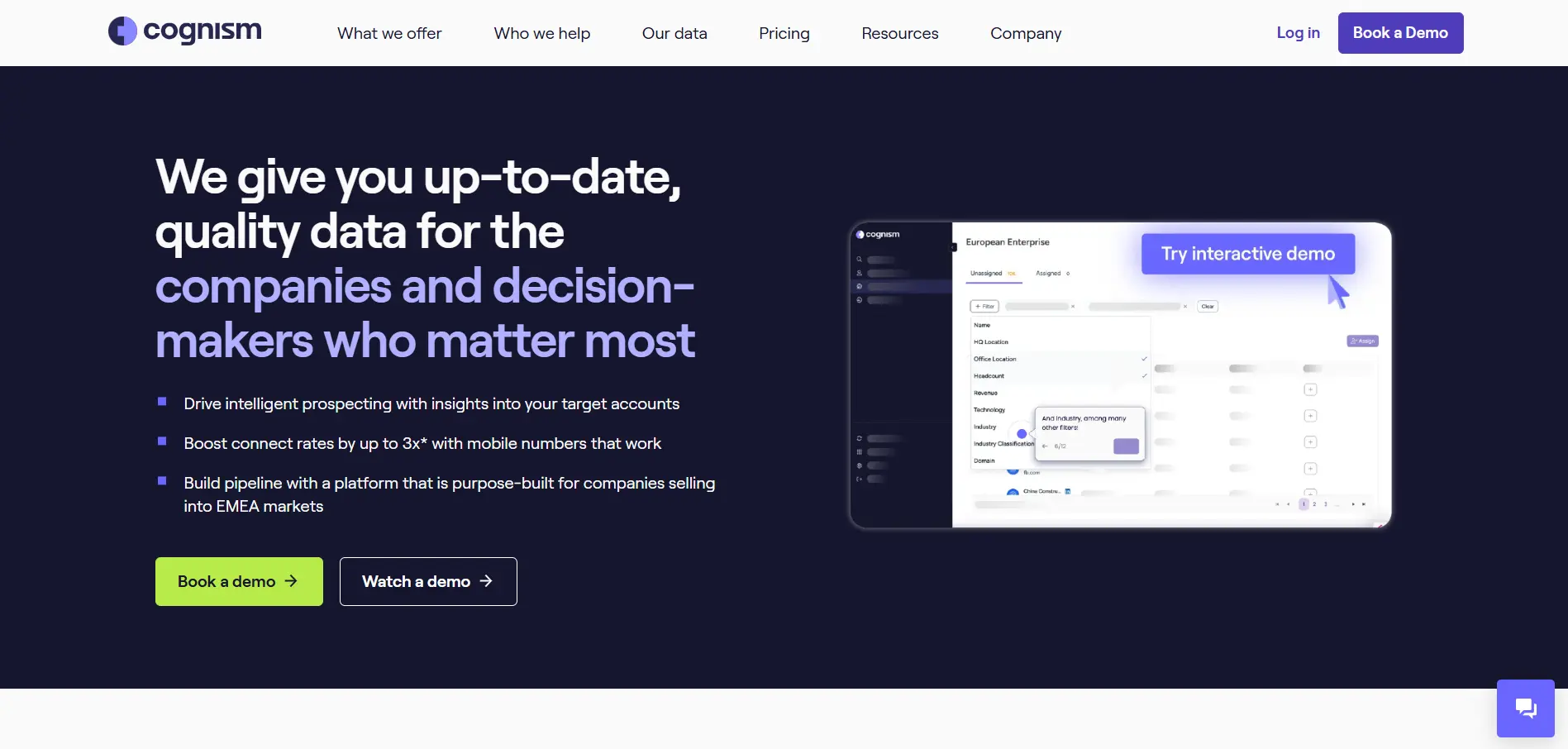
Cognism is a premium B2B data provider focused on compliant global contact intelligence. It prioritizes verified data quality over built-in automation.
Database & Lead Capabilities
Cognism offers high-quality global contacts with verified emails and phone numbers.
It emphasizes GDPR-compliant sourcing and enterprise accuracy.
Filtering includes firmographic and technographic segmentation.
Automation & Workflow Features
Cognism focuses on data delivery rather than campaign automation.
Outreach workflows require integration with external tools.
Email Sending & Deliverability
The platform does not provide native email sending.
Deliverability management depends on connected outreach software.
Pricing Model
Pricing is enterprise-focused and customized through sales.
It is generally more expensive than most alternatives to snov.io.
Pros
Strong compliance and global coverage.
High data reliability.
Limitations
No built-in automation infrastructure.
Higher cost for smaller teams.
Best For
Enterprise teams prioritizing compliant, high-accuracy data.
4. Kaspr
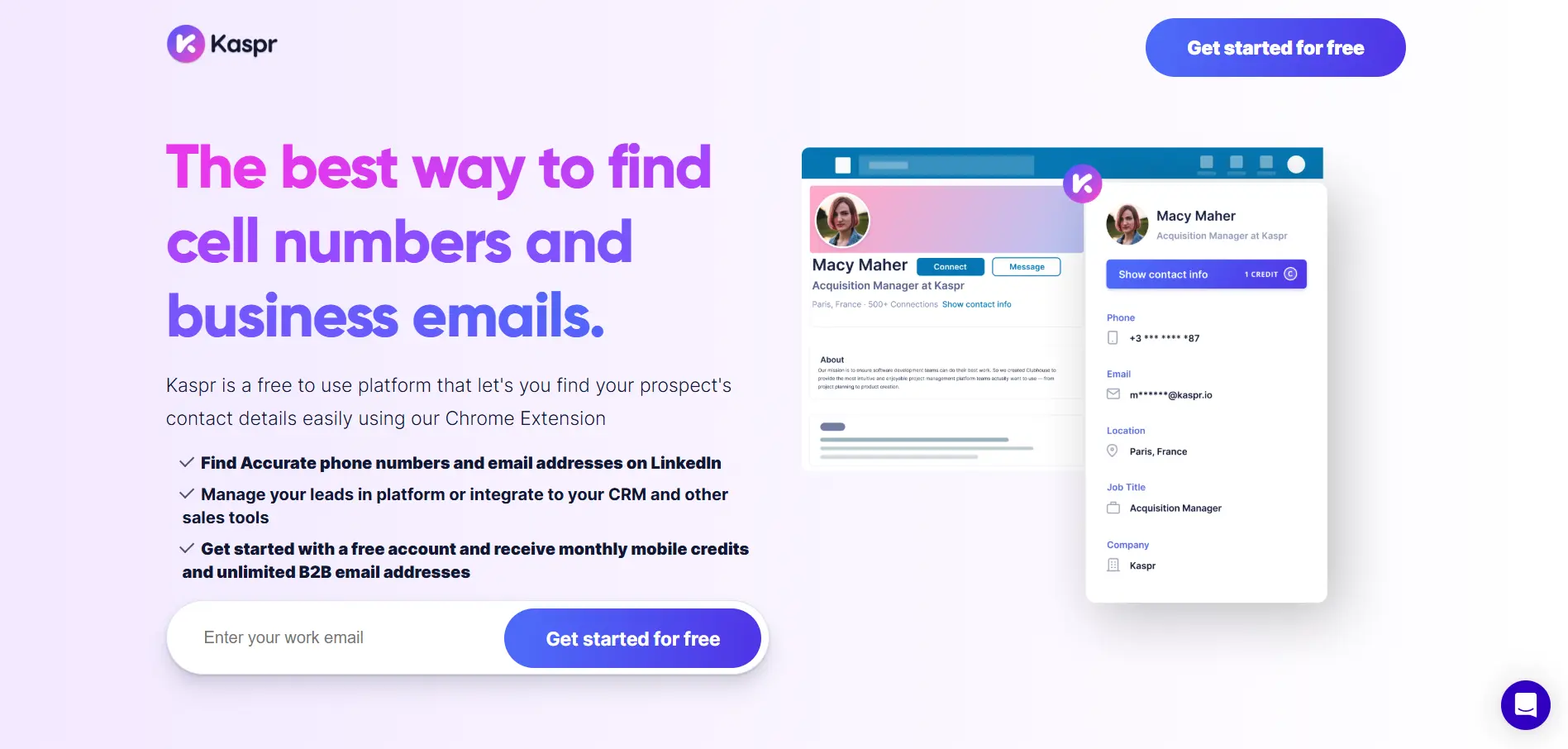
Kaspr is a LinkedIn-based prospecting tool designed for extracting verified contact details from profiles. It is often listed among snov alternatives for social selling workflows.
Database & Lead Capabilities
Kaspr extracts contact data directly from LinkedIn profiles.
It performs particularly well in European markets.
Bulk database searching is limited compared to full intelligence platforms.
Automation & Workflow Features
Native automation features are minimal.
Most campaign workflows require external email tools.
Email Sending & Deliverability
Kaspr does not provide built-in email sending.
Warm-up and mailbox scaling are not included.
Pricing Model
Pricing is credit-based with monthly usage limits.
Recruiters and SDRs focused primarily on LinkedIn prospecting.
5. GetProspect
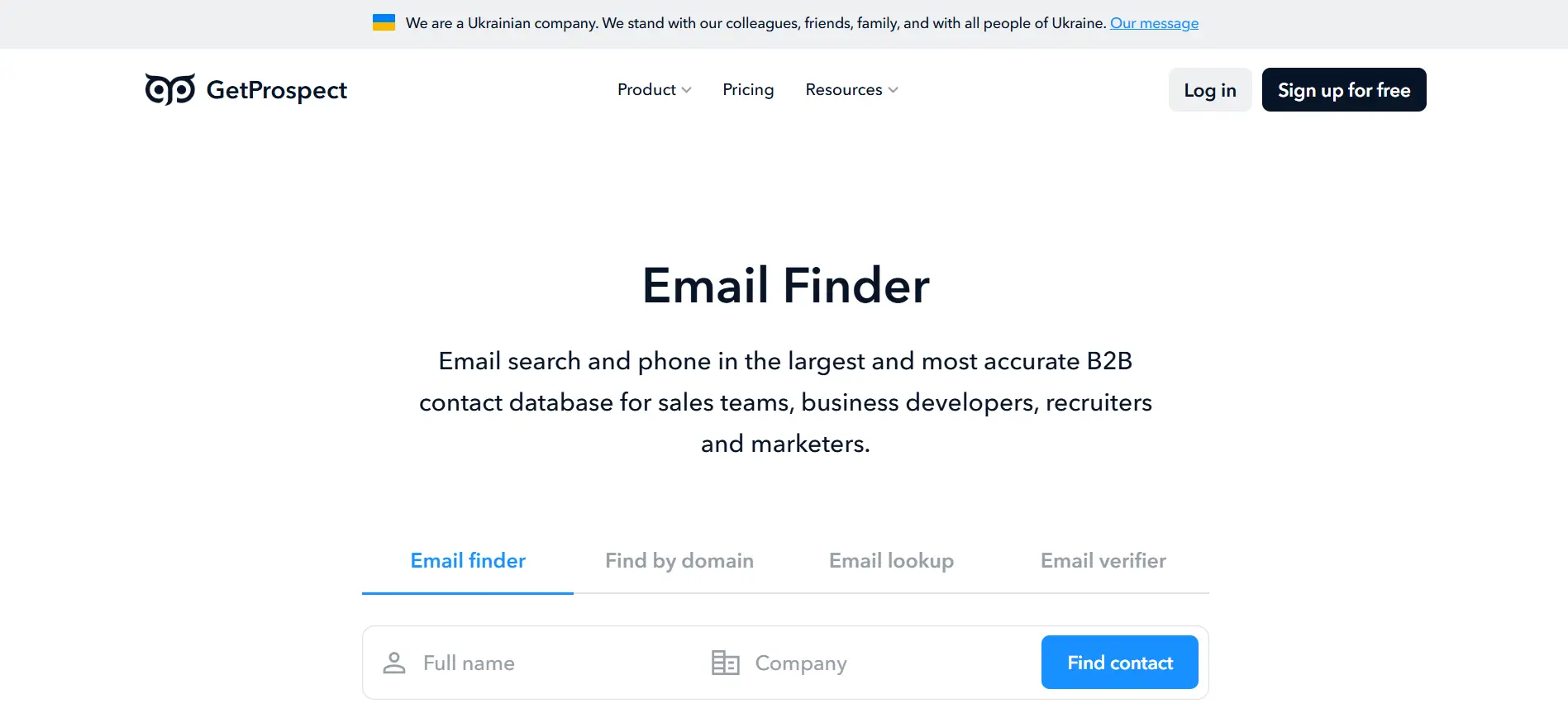
GetProspect is a B2B email finder and lead database platform designed for small to mid-sized sales teams. It focuses primarily on contact discovery rather than deep outbound automation.
Database & Lead Capabilities
GetProspect provides access to a database of over 160M contacts globally.
Filtering includes job title, company size, industry, and location.
Email verification is included during data export.
Automation & Workflow Features
The platform includes basic email campaign functionality.
Advanced workflow automation is limited compared to AI-driven systems.
CRM integrations are available for syncing leads.
Email Sending & Deliverability
Sending limits depend on subscription tier.
Built-in warm-up infrastructure is minimal.
Mailbox scaling is limited for high-volume outreach.
Pricing Model
Pricing follows a credit-based structure for contact exports.
Scalability costs rise as export volume increases.
Pros
Simple interface for quick lead generation.
Suitable for small teams starting outbound.
Limitations
Limited automation depth.
Infrastructure not built for large-scale outreach.
Best For
Small sales teams focused mainly on email discovery.
6. Dropcontact
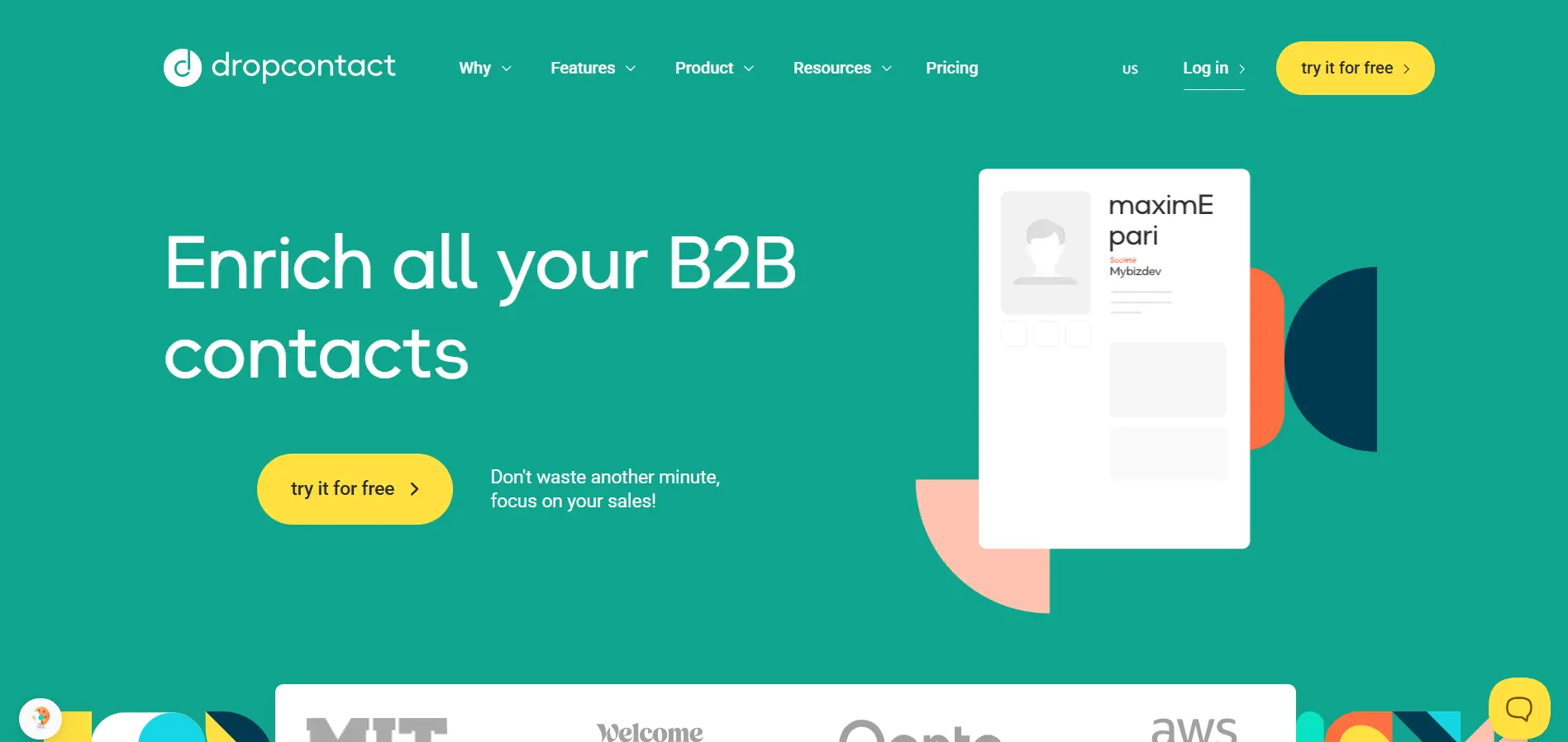
Dropcontact is a data enrichment and email verification platform built with strong GDPR compliance. It focuses on cleaning and enriching CRM data rather than running outbound campaigns.
Database & Lead Capabilities
Dropcontact enriches existing contact lists with verified emails and phone numbers.
It does not rely on a static database but generates emails algorithmically.
Data accuracy and compliance are strong selling points.
Automation & Workflow Features
The tool integrates directly into CRMs like HubSpot and Salesforce.
Automation revolves around enrichment rather than campaign execution.
It does not include AI-driven outbound sequencing.
Email Sending & Deliverability
Dropcontact does not provide native email sending.
There are no warm-up or mailbox rotation features.
Deliverability depends entirely on external outreach platforms.
Pricing Model
Pricing is subscription-based with usage limits.
Costs scale depending on enrichment volume.
There is no mailbox-based scaling model.
Pros
Strong GDPR compliance.
Reliable enrichment accuracy.
Limitations
No outbound automation.
Not a full replacement among snov.io alternatives.
Best For
Teams need clean, compliant data enrichment inside their CRM.
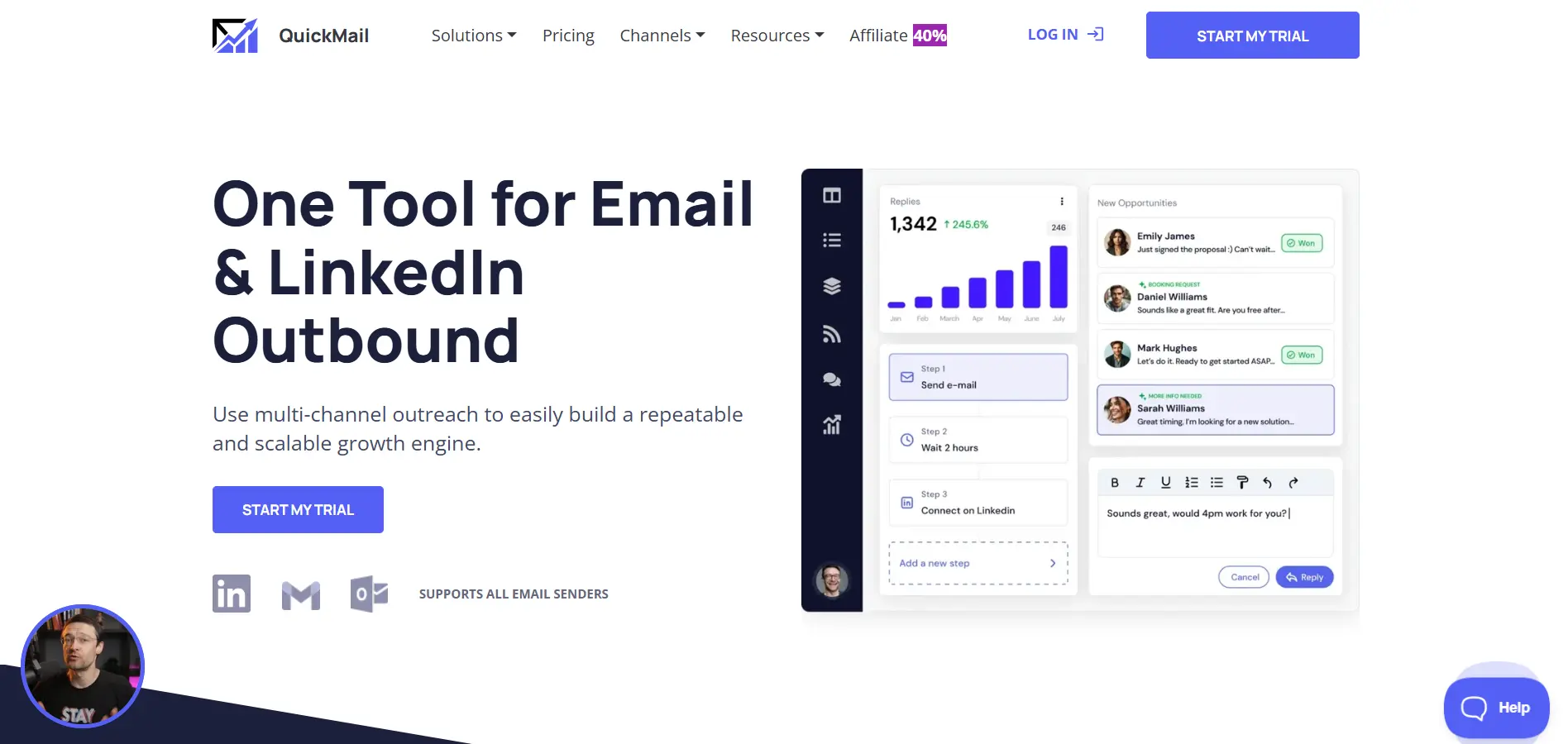
7. QuickMail
QuickMail is a cold email automation tool focused on deliverability and campaign sequencing. It is often considered by teams looking for infrastructure-focused alternatives to snov.io.
Database & Lead Capabilities
QuickMail does not provide a native contact database.
Leads must be imported from external sources.
Email verification requires integrations.
Automation & Workflow Features
The platform supports multi-step email sequences.
Automation includes reply detection and follow-up triggers.
AI personalization features are limited.
Email Sending & Deliverability
Strong built-in deliverability features including inbox rotation.
Automated warm-up functionality is available.
Mailbox scaling is designed for higher sending volumes.
Pricing Model
Pricing is mailbox-based rather than credit-based.
Costs increase as more inboxes are connected.
There are no contact export charges.
Pros
Strong deliverability controls.
Suitable for high-volume cold email campaigns.
Limitations
No built-in lead database.
Limited AI automation depth.
Best For
Teams that already have lead data and need strong sending infrastructure.
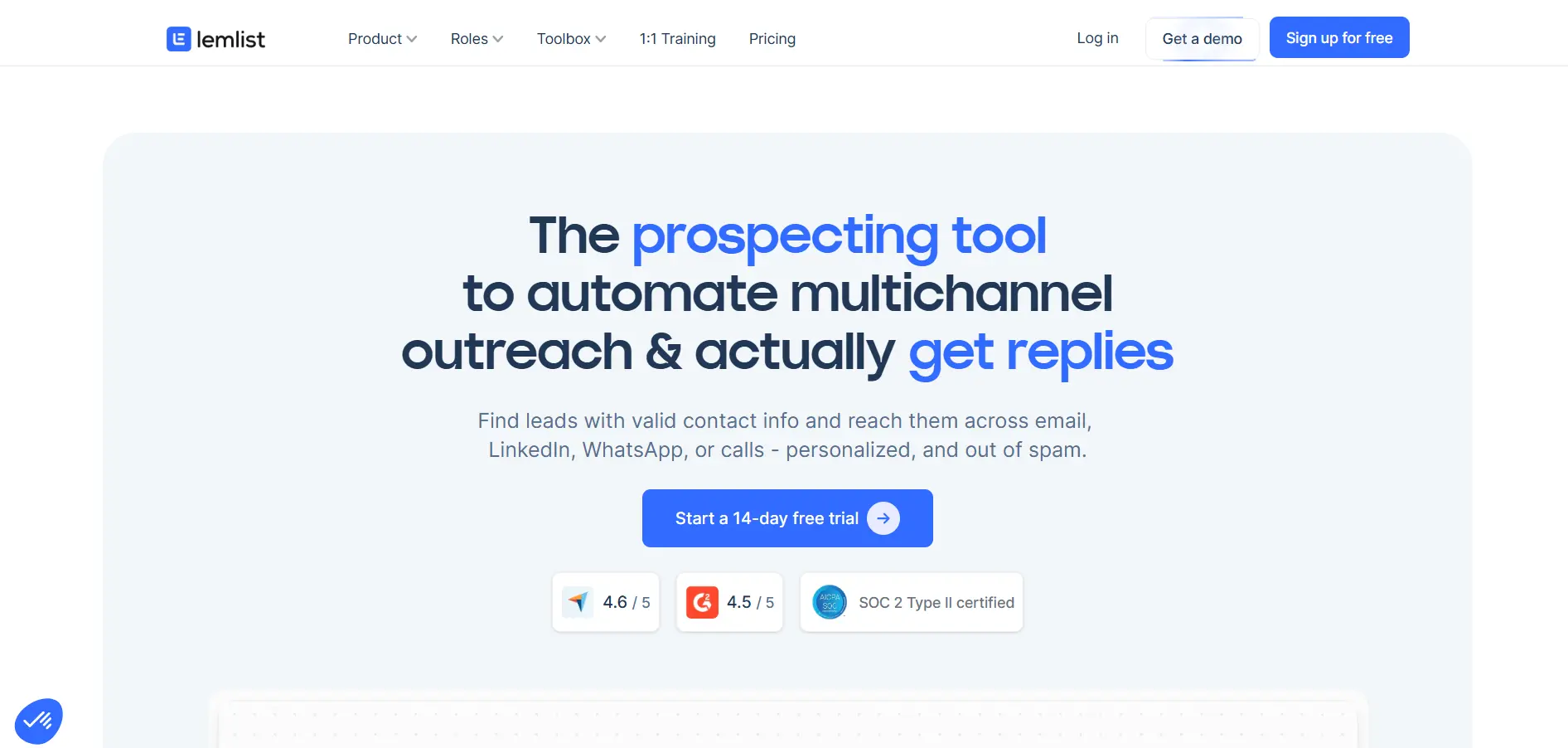
8. Lemlist
Lemlist is a cold email and multichannel outreach platform focused on personalization and engagement. It combines sending infrastructure with creative customization features.
Database & Lead Capabilities
Lemlist offers a growing contact database as an add-on.
Filtering options are improving but not as large as major data platforms.
Email verification is available through integrations.
Automation & Workflow Features
The platform supports email and LinkedIn multichannel sequences.
AI assists with copy generation and personalization.
Workflow automation requires manual setup.
Email Sending & Deliverability
Built-in email warm-up is included.
Multiple mailboxes can be connected for scaling.
Deliverability tools are stronger than pure database platforms.
Pricing Model
Pricing is subscription-based with tiered feature access.
Database access may require additional fees.
Scaling costs depend on mailbox volume and add-ons.
Pros
Strong personalization capabilities.
Multichannel outreach support.
Limitations
Database depth is limited compared to enterprise tools.
Automation still requires manual campaign building.
Best For
Growth teams wanting creative multichannel outbound campaigns.
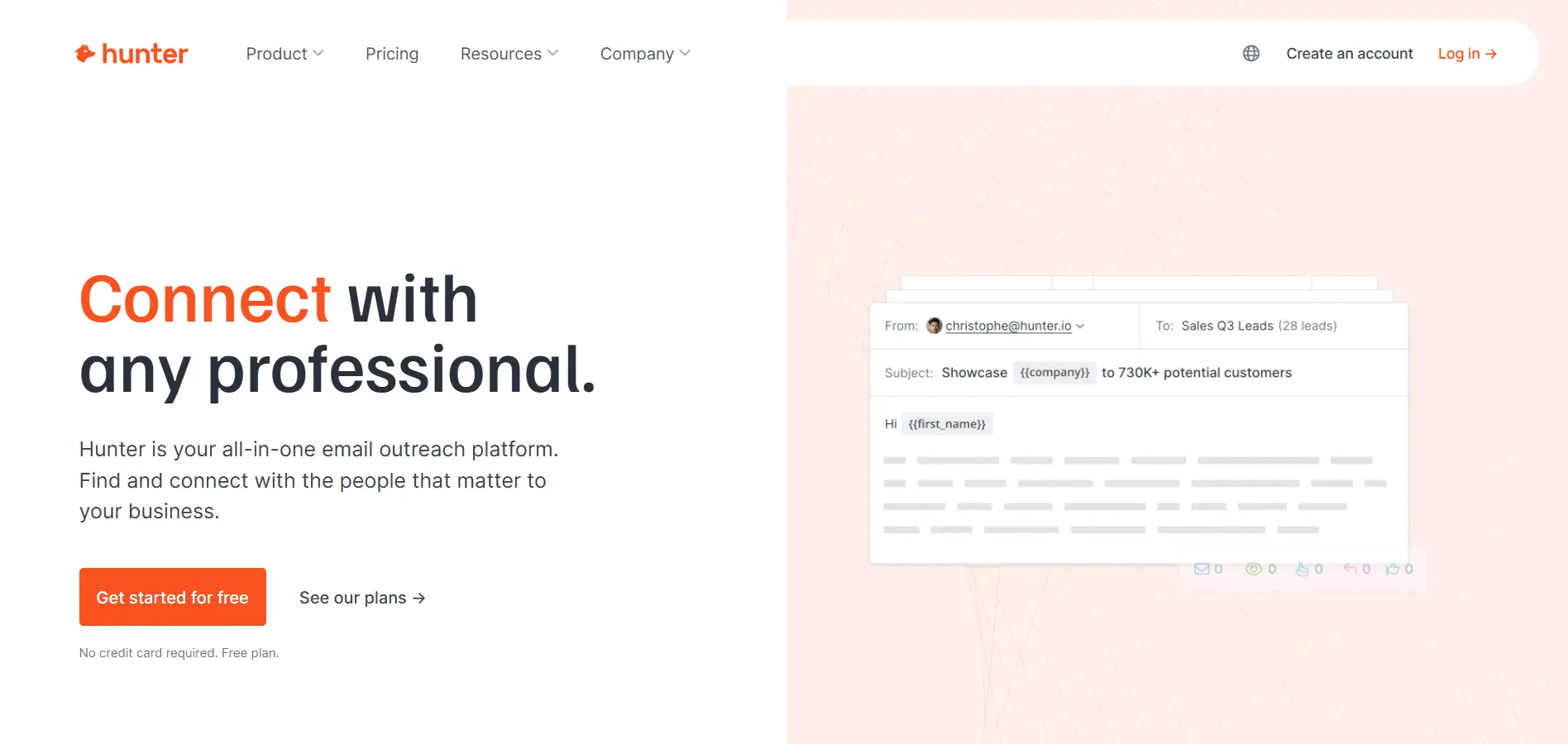
9. Hunter.io
Hunter.io is a well-known email finder and domain search tool focused on simplicity and accuracy. It is commonly considered among basic snov.io alternatives for contact discovery.
Database & Lead Capabilities
Hunter allows domain-based email discovery and company searches.
It provides confidence scores to estimate email accuracy.
Filtering capabilities are simpler compared to large sales intelligence databases.
Automation & Workflow Features
Hunter includes basic email campaign functionality.
Automation depth is limited to simple follow-up sequences.
There is no advanced AI workflow builder.
Email Sending & Deliverability
Sending limits depend on subscription level.
Warm-up and mailbox scaling infrastructure are minimal.
Verification is built into the email discovery process.
Pricing Model
Hunter uses a credit-based model for searches and verifications.
Higher plans increase monthly credit allowances.
Costs rise as search volume scales.
Pros
Easy-to-use interface.
Reliable domain search functionality.
Limitations
Limited automation depth.
Not built for large-scale outbound infrastructure.
Best For
Startups and freelancers focused on domain-based email discovery.
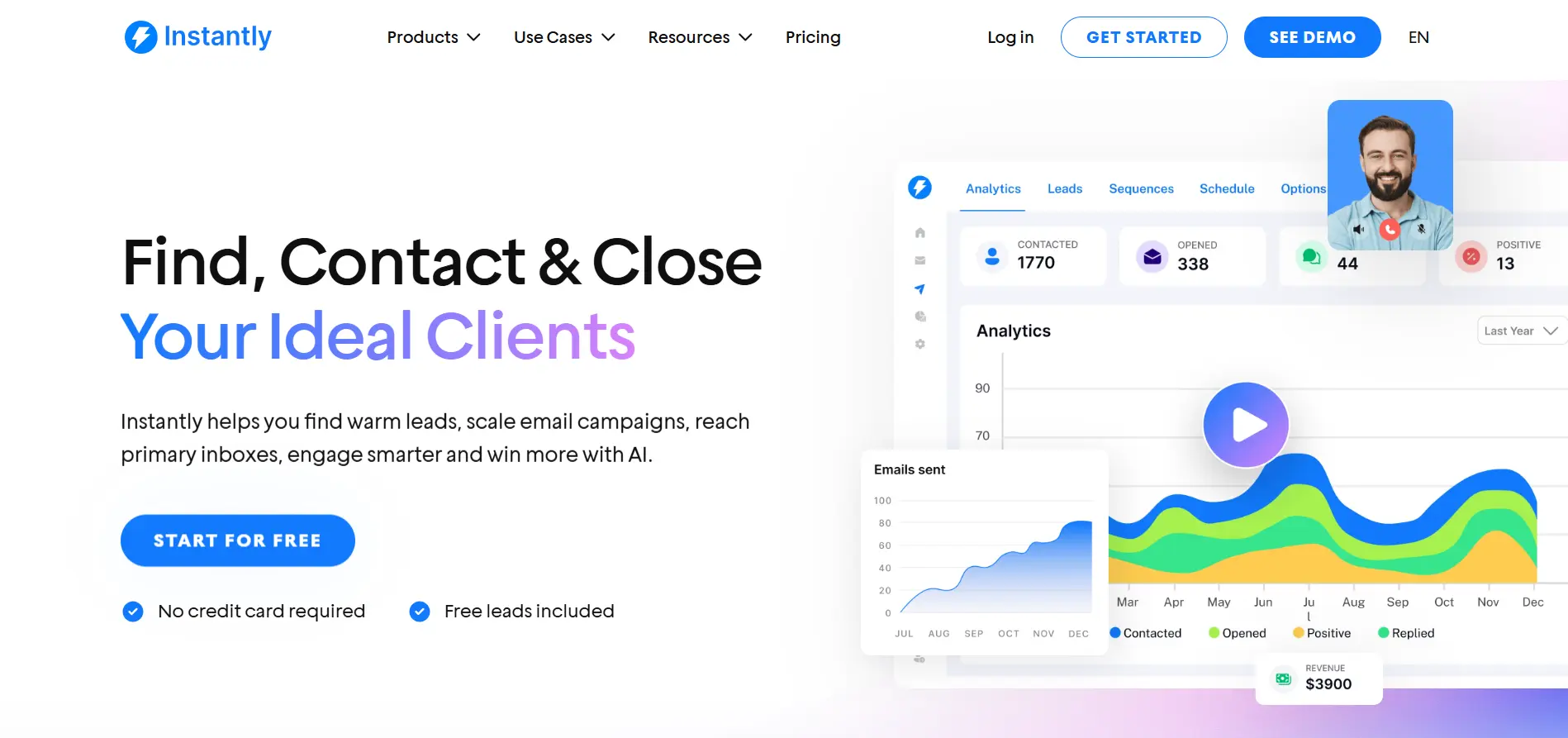
10. Instantly
Instantly is a cold email automation platform designed for high-volume outreach. It focuses heavily on deliverability and inbox scaling.
Database & Lead Capabilities
Instantly does not provide a large native contact database.
Leads must be imported from external sources.
Email verification is available as an add-on feature.
Automation & Workflow Features
The platform supports multi-step automated sequences.
AI-assisted personalization tools are included.
Campaign logic still requires manual configuration.
Email Sending & Deliverability
Strong warm-up infrastructure is built into the system.
Unlimited inbox connections are supported on higher plans.
Deliverability controls are one of its core strengths.
Pricing Model
Pricing is mailbox-based rather than credit-based.
Higher tiers unlock advanced automation features.
Scaling depends on the number of connected inboxes.
Pros
Strong deliverability and warm-up system.
Suitable for scaling cold email campaigns quickly.
Limitations
No built-in large contact database.
Limited full-cycle AI automation.
Best For
Agencies and growth teams running high-volume cold email campaigns.
11. Saleshandy
Saleshandy is a cold email automation platform offering sequencing and basic lead management tools. It competes with other alternatives to snov.io focused on outreach rather than data depth.
Database & Lead Capabilities
Saleshandy does not provide a large internal contact database.
Leads must be uploaded or sourced externally.
Verification tools are available within the platform.
Automation & Workflow Features
Multi-step email sequences can be automated.
Personalization variables are supported in campaigns.
AI automation depth is limited compared to workflow-based systems.
Email Sending & Deliverability
Built-in email warm-up functionality is included.
Multiple inboxes can be connected for scaling.
Deliverability tools focus on maintaining sender reputation.
Pricing Model
Pricing is subscription-based with tiered plans.
Scaling costs increase with mailbox connections and features.
No heavy contact export credits are required.
Pros
Simple interface for email automation.
Includes built-in warm-up capabilities.
Limitations
No proprietary lead database.
Automation features are moderately basic.
Best For
Small to mid-sized teams focused on structured cold email campaigns.
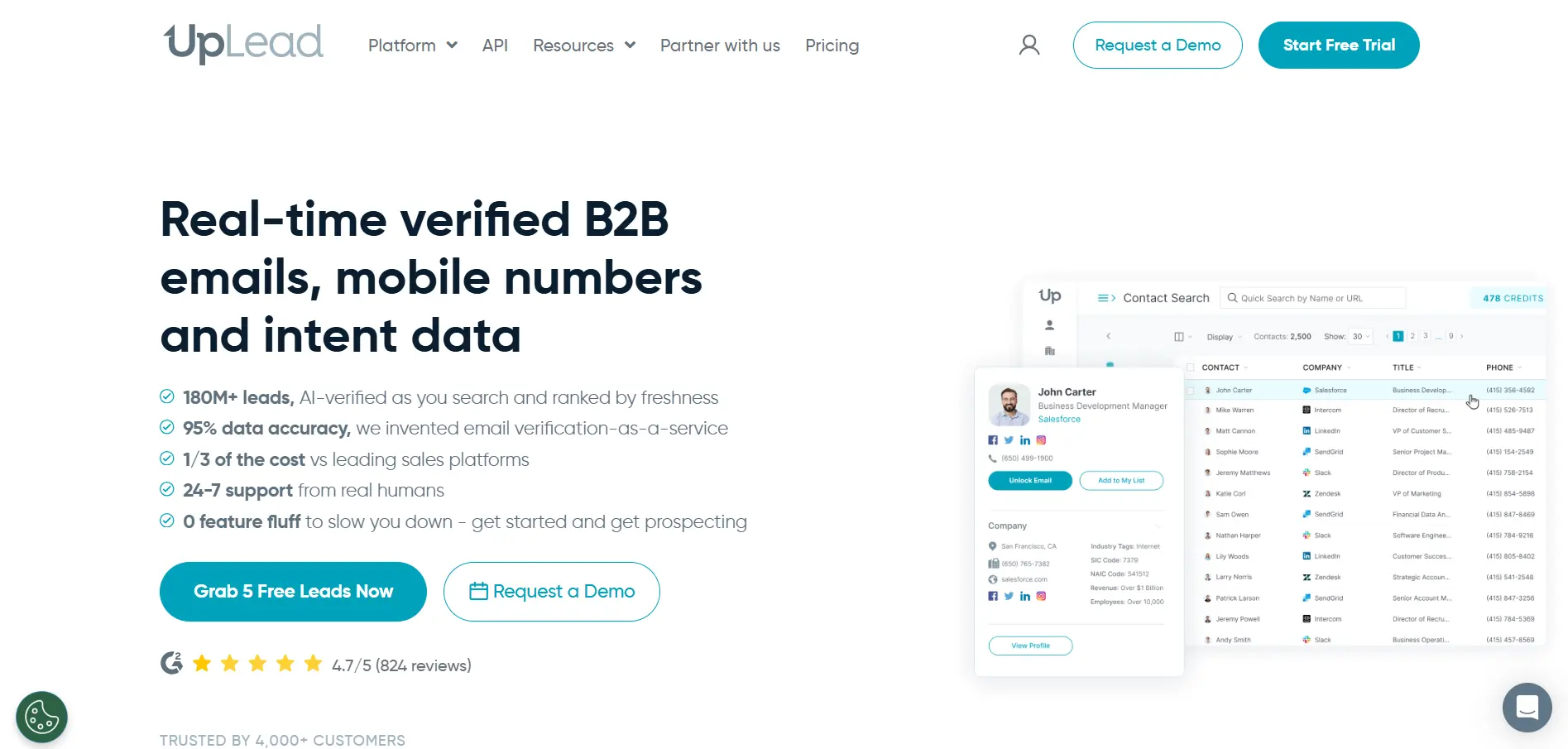
12. UpLead
UpLead is a B2B contact database platform focused on verified email accuracy. It positions itself as a data-first alternative among snov alternatives.
Database & Lead Capabilities
UpLead provides access to millions of verified B2B contacts.
Filtering includes firmographic and technographic criteria.
Real-time email verification occurs before data download.
Automation & Workflow Features
UpLead primarily focuses on data access rather than campaign execution.
CRM integrations are available for exporting leads.
Native outbound automation is limited.
Email Sending & Deliverability
The platform does not include built-in email sending.
Warm-up and mailbox scaling must be handled externally.
Verification is handled at the data level.
Pricing Model
Pricing is credit-based with monthly export limits.
Higher plans increase contact allowance.
Costs scale directly with data usage.
Pros
Strong data accuracy guarantees.
Real-time verification before download.
Limitations
No built-in outreach automation.
Scalability depends on credit limits.
Best For
Teams prioritizing accurate contact data over automation depth.
Feature Comparison Table of Snov.io Alternatives
Now that you’ve seen individual breakdowns, here’s a side-by-side comparison of the leading snov.io alternatives. This table focuses on database strength, automation depth, infrastructure, AI capabilities, pricing logic, and ideal use cases.
Tool
Database Size
Automation Depth
Email Sending
AI Features
Pricing Model
Best For
Oppora.ai
700M+ verified contacts
Full workflow automation with 8 AI agents
Native sending with warm-up & 50 mailbox scaling
AI-generated unique emails, AI reply handling
Infrastructure/workflow-based
Founders, agencies, SaaS teams scaling outbound
Apollo.io
270M+ contacts
Structured sequences, manual setup
Native sending with limits
AI copy assistance
Tiered + credit-based exports
Sales teams wanting all-in-one workspace
Cognism
Enterprise global database
Limited native automation
No native sending
Data intelligence focused
Custom enterprise pricing
Enterprise teams prioritizing compliance
Kaspr
LinkedIn-based extraction
Minimal automation
No native sending
Limited AI features
Credit-based
Recruiters & LinkedIn SDRs
GetProspect
160M+ contacts
Basic automation
Native sending (limited scale)
Basic personalization
Credit-based
Small outbound teams
Dropcontact
Enrichment-based (no static DB)
No campaign automation
No native sending
Data enrichment AI
Subscription-based
CRM data enrichment users
QuickMail
No native database
Strong sequencing automation
Native sending with warm-up
Limited AI
Mailbox-based
Teams with existing lead lists
Lemlist
Growing contact DB (add-on)
Multichannel automation
Native sending with warm-up
AI copy & personalization
Tiered subscription
Growth teams running multichannel
Hunter.io
Domain-based database
Basic sequences
Native sending (limited)
Minimal AI
Credit-based
Freelancers & startups
Instantly
No large DB
Advanced cold email automation
Strong inbox rotation & warm-up
AI personalization support
Mailbox-based
Agencies scaling cold email
Saleshandy
No native large DB
Structured email sequences
Native sending with warm-up
Basic personalization AI
Subscription-based
Small to mid-sized outbound teams
UpLead
Millions of verified B2B contacts
Minimal automation
No native sending
Data-focused AI
Credit-based
Teams prioritizing verified contact data
Pricing Comparison of Leading Snov.io Alternatives
Pricing is where most snov.io alternatives differ significantly. The model a platform uses directly impacts how affordable and scalable your outbound becomes over time.
Credit-Based Pricing
Credit-based tools charge you for contact searches, exports, or verifications. Platforms like Apollo.io, Hunter.io, UpLead, Kaspr, and GetProspect follow this structure.
As your prospecting volume increases, your costs rise with it. This model works for controlled outreach but becomes expensive for aggressive scaling.
Mailbox-Based Pricing
Mailbox-based tools charge based on how many inboxes you connect. Instantly, QuickMail, and Saleshandy use this approach.
This structure supports high-volume sending, but you still need external lead data. That means your true cost includes both infrastructure and data sourcing.
Unlimited Models
Some tools advertise unlimited sending or automation. In practice, fair usage policies and infrastructure limits still apply.
Unlimited usually shifts cost from credits to inbox volume or add-ons. It rarely removes scaling limits entirely.
Scalability Economics
The real question is how pricing grows as outbound grows. Credit-heavy tools scale with data usage, while mailbox-heavy tools scale with inbox expansion.
Oppora.ai follows a workflow and infrastructure-based model rather than heavy credit depletion. This creates more predictable long-term scalability compared to purely credit-based alternatives to snov.io.
Tips for Choosing a Quality Snov.io Alternative
Choosing the right snov.io alternative is not just about switching tools. It is about upgrading how your outreach engine actually works.
Look Beyond Email Finder
Many platforms compete on database size alone. But strong alternatives to snov.io should combine prospecting with execution, tracking, and workflow continuity.
If you only replace the email finder, you may still rely on multiple disconnected tools. That creates friction as your campaigns scale.
Evaluate Automation Depth
Basic sequence builders are no longer enough for growing teams. You should evaluate whether the platform automates personalization, follow-ups, qualification, and reply handling.
True automation reduces manual oversight and improves consistency. Shallow automation increases operational load as volume grows.
Check Deliverability Infrastructure
Deliverability determines whether your emails reach inboxes or spam folders. Look for built-in warm-up, inbox rotation, sender matching, and verification safeguards.
Without infrastructure protection, scaling outbound can damage your sender reputation quickly.
Compare Scalability Limits
Some snov alternatives scale with contact credits. Others scale with connected inboxes or workflow complexity.
Understand what happens to cost and limits when you double your outreach volume. Hidden ceilings can restrict long-term growth.
Review True Long-Term Cost
Headline pricing rarely reflects total ownership cost. You must consider credits, add-ons, inbox fees, and external integrations together.
The best snov.io alternatives support sustainable scaling without unpredictable cost spikes as your outbound expands.
Conclusion
Choosing the right snov.io alternative requires evaluating database depth, automation capability, email infrastructure, pricing structure, and scalability. These criteria determine whether a tool supports short-term prospecting or long-term outbound growth.
Scalability and automation matter most as outreach volume increases. Without strong infrastructure and workflow depth, costs rise and manual effort expands quickly.
Based on structured comparison across all major factors, Oppora.ai ranks as the strongest overall snov.io alternative. It combines verified data, AI-driven automation, and scalable sending infrastructure in one unified system built for sustainable outbound growth.
Frequently Asked Questions (FAQs)
What is the best alternative to snov.io?
The best alternative to snov.io depends on your outbound complexity and scalability needs. Based on database access, automation depth, infrastructure control, and long-term scalability, Oppora.ai ranks as the strongest overall solution for full-cycle outbound execution.
Are there free snov.io alternatives?
Some platforms offer limited free plans with restricted credits or feature access. However, most free versions cap automation and database usage, making them unsuitable for scalable outbound compared to infrastructure-based systems like Oppora.ai.
Which snov alternative has the largest database?
Some sales intelligence platforms advertise databases exceeding 200M contacts. However, database size alone does not determine performance — verified accuracy, enrichment depth, and automation integration matter equally, which is why workflow-based platforms like Oppora.ai focus on usable, scalable data rather than raw volume alone.
What is a good snov io alternative for cold email automation?
If your primary focus is cold email automation, you need both sending infrastructure and workflow control. Oppora.ai combines AI-driven personalization, automated reply handling, and scalable mailbox infrastructure in one system rather than separating data and sending tools.
How do snov alternatives compare in pricing?
Most snov alternatives use either credit-based or mailbox-based pricing models. Oppora.ai follows an infrastructure and workflow-based structure, which creates more predictable scalability compared to heavy credit consumption models that increase cost as prospecting volume grows.