Home
Blog
Find & Send Cold Emails to 500 Unique Prospects Every Month for FREE.
Home
Blog
Stephen Parker
Published March 4, 2026
9 min
Try Oppora AI
Create Self-Running Agentic Sales Workflows like N8N just by chatting with AI
Get Started for FREE
If you’re investing in outbound, your connection rate depends on phone number accuracy. Even strong scripts fail when reps dial switchboards or disconnected lines.
Bad data wastes time and distorts pipeline metrics. Over time, unreliable numbers quietly reduce conversion rates and team morale.
The real issue is structural. No single b2b phone number finder offers full coverage, so every standalone database contains gaps.
When that one source misses, your workflow stalls. That limitation caps your hit rate before conversations even begin.
Modern teams solve this with waterfall-based sourcing that queries multiple providers in sequence. Next, we’ll rank the top platforms and compare how their sourcing architecture impacts accuracy and coverage.
Choosing the right b2b phone number finder is not just about who has the biggest database. It’s about how the platform sources numbers, validates them, and fits into your outbound workflow.
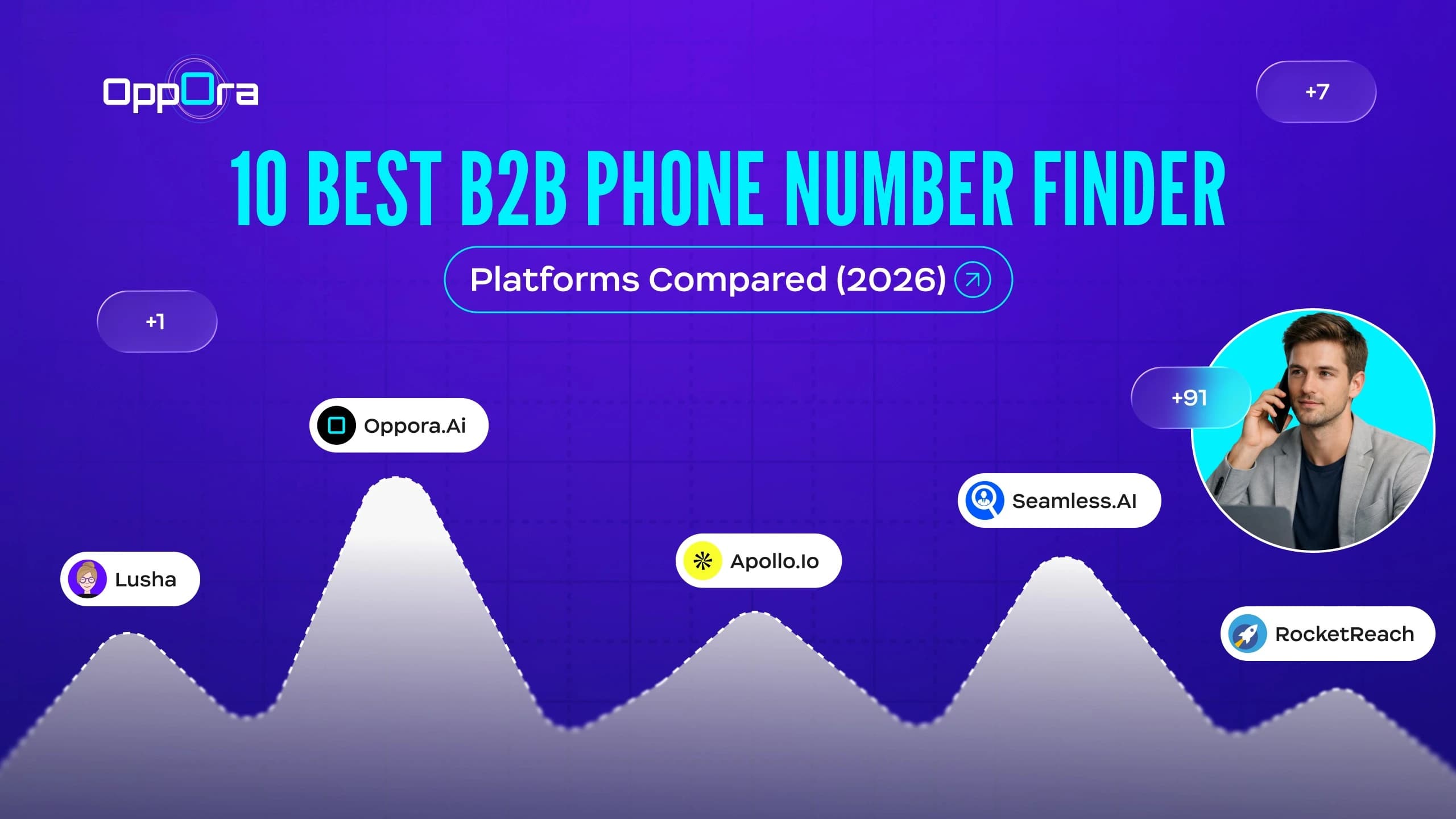
Below is a detailed breakdown of the top platforms in 2026 and what actually differentiates them.
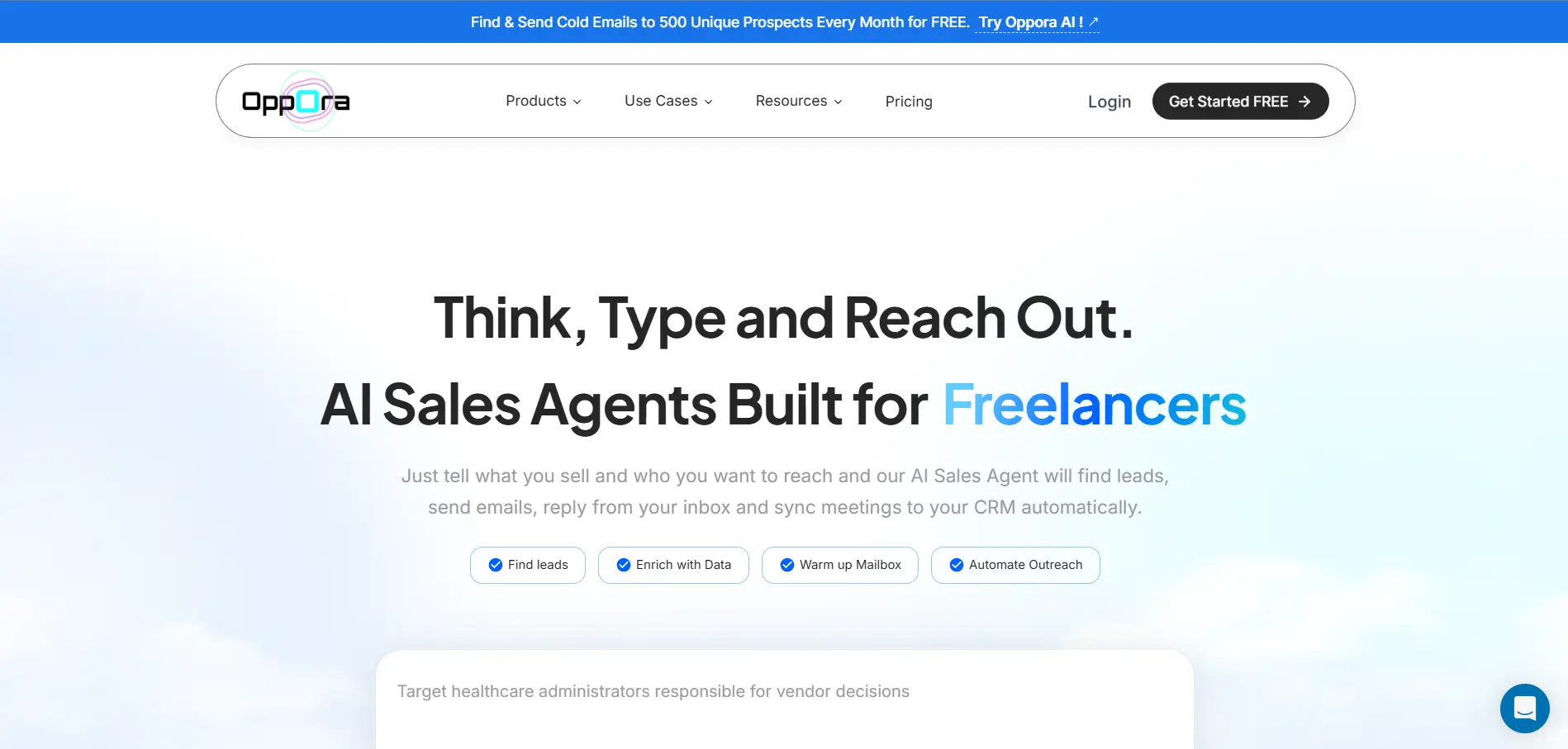
Oppora.ai is built around a multi-vendor Phone Number Waterfall architecture rather than a single static database. Instead of relying on one provider, it sequentially orchestrates multiple enrichment vendors to maximize valid phone discovery while intelligently controlling sourcing costs.
This makes it structurally different from traditional lookup tools. It behaves like a sourcing engine rather than a simple data directory.
Key Features
If connect rates directly impact your revenue model, this sourcing architecture creates a measurable advantage over static databases.
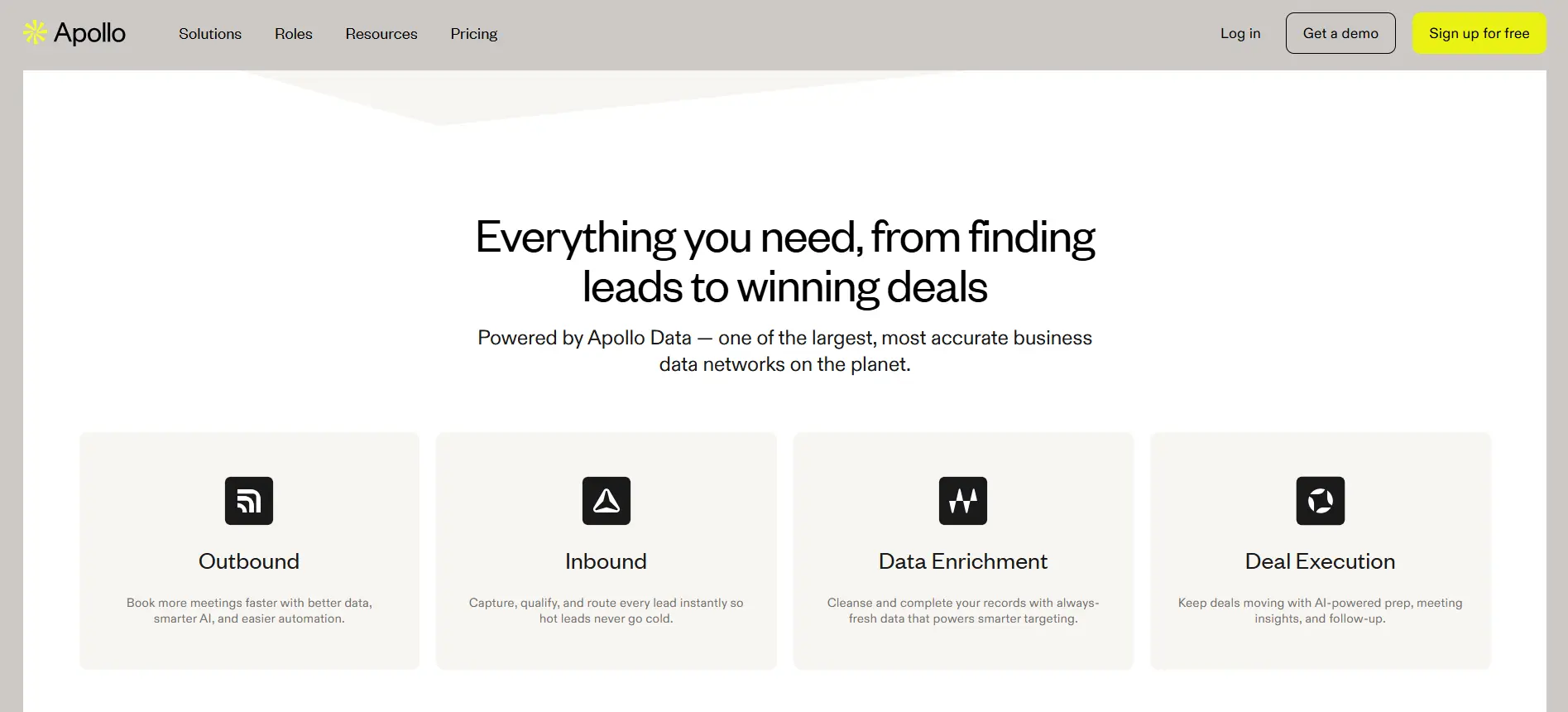
Apollo.io combines a large proprietary B2B database with outbound engagement functionality, positioning itself as an all-in-one prospecting and sequencing platform.
It is typically chosen by teams that want contact discovery, enrichment, and outreach automation within a single ecosystem rather than stitching together multiple tools.
Key Features
Apollo works well if you want prospecting and engagement inside one platform. However, its phone data primarily relies on its own database infrastructure.
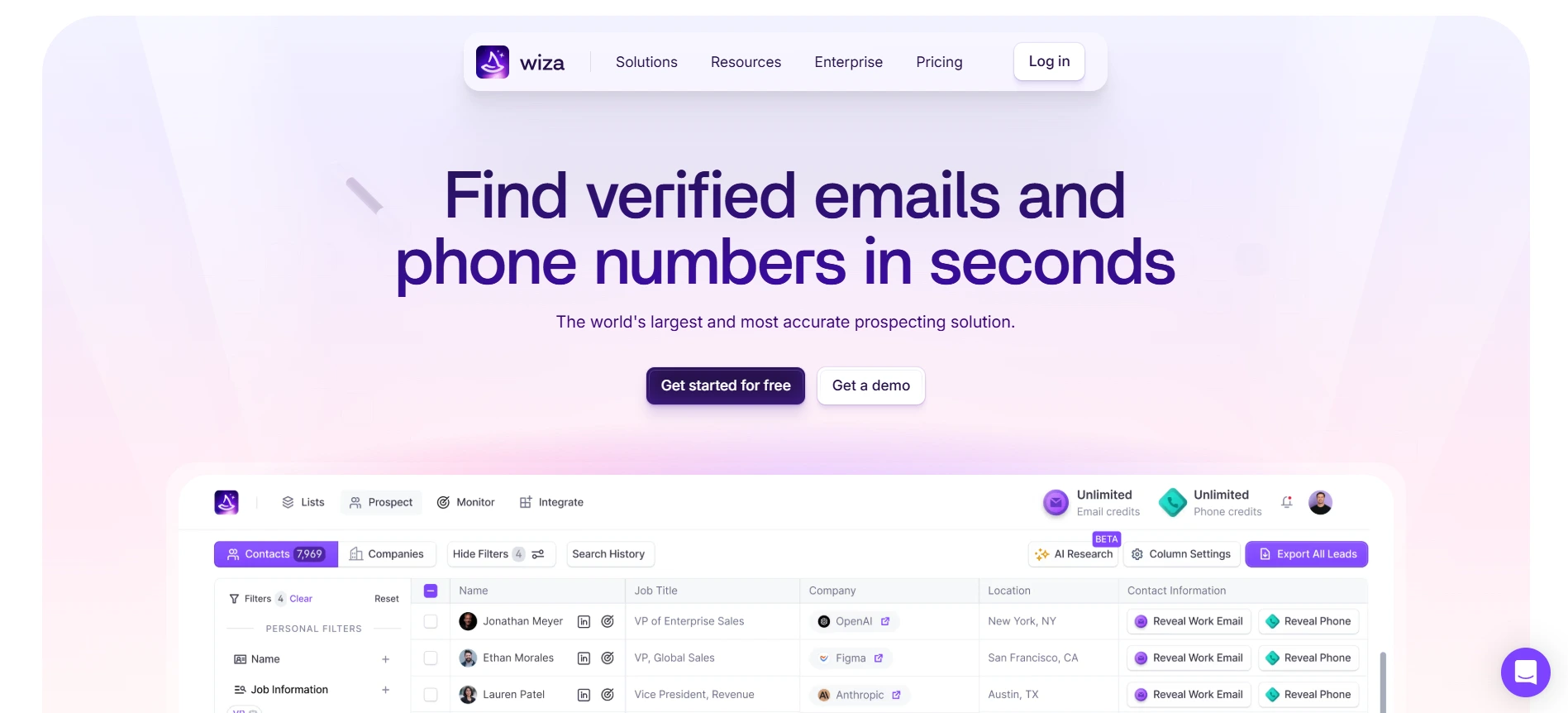
Wiza is primarily designed for LinkedIn-driven prospecting workflows, helping SDRs convert Sales Navigator searches into structured lead lists. It works best when your sourcing strategy begins inside LinkedIn and you need quick exportable contact data without complex enrichment routing.
Key Features
Wiza is strong when your workflow starts inside LinkedIn, though it is not architected as a multi-source phone enrichment engine.
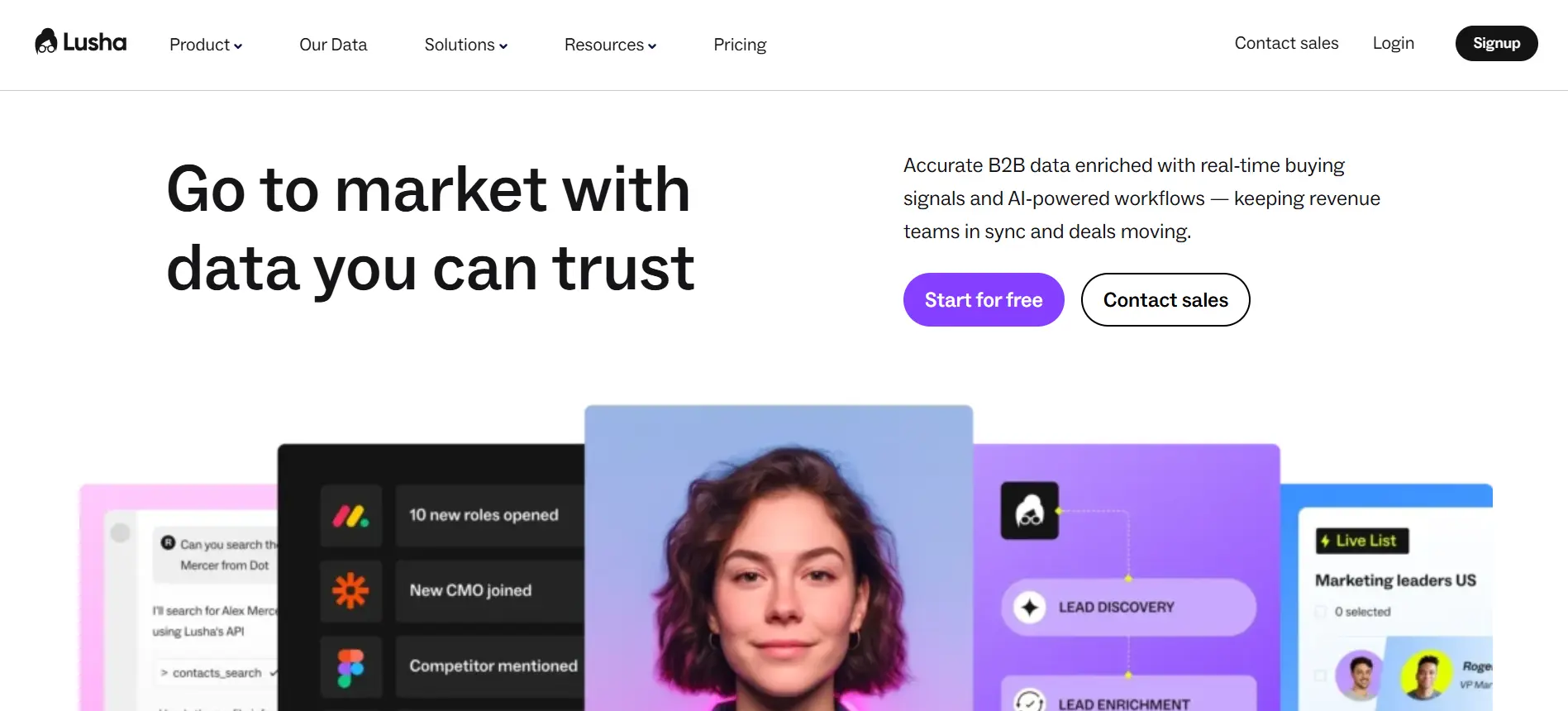
Lusha focuses on speed and accessibility, offering in-browser direct dial discovery for reps who prospect manually on LinkedIn or company websites.
It is commonly used by individual contributors and smaller teams that prioritize quick lookups over multi-layer sourcing infrastructure.
Key Features
Lusha is convenient for individual lookups but operates primarily as a single-provider contact database.
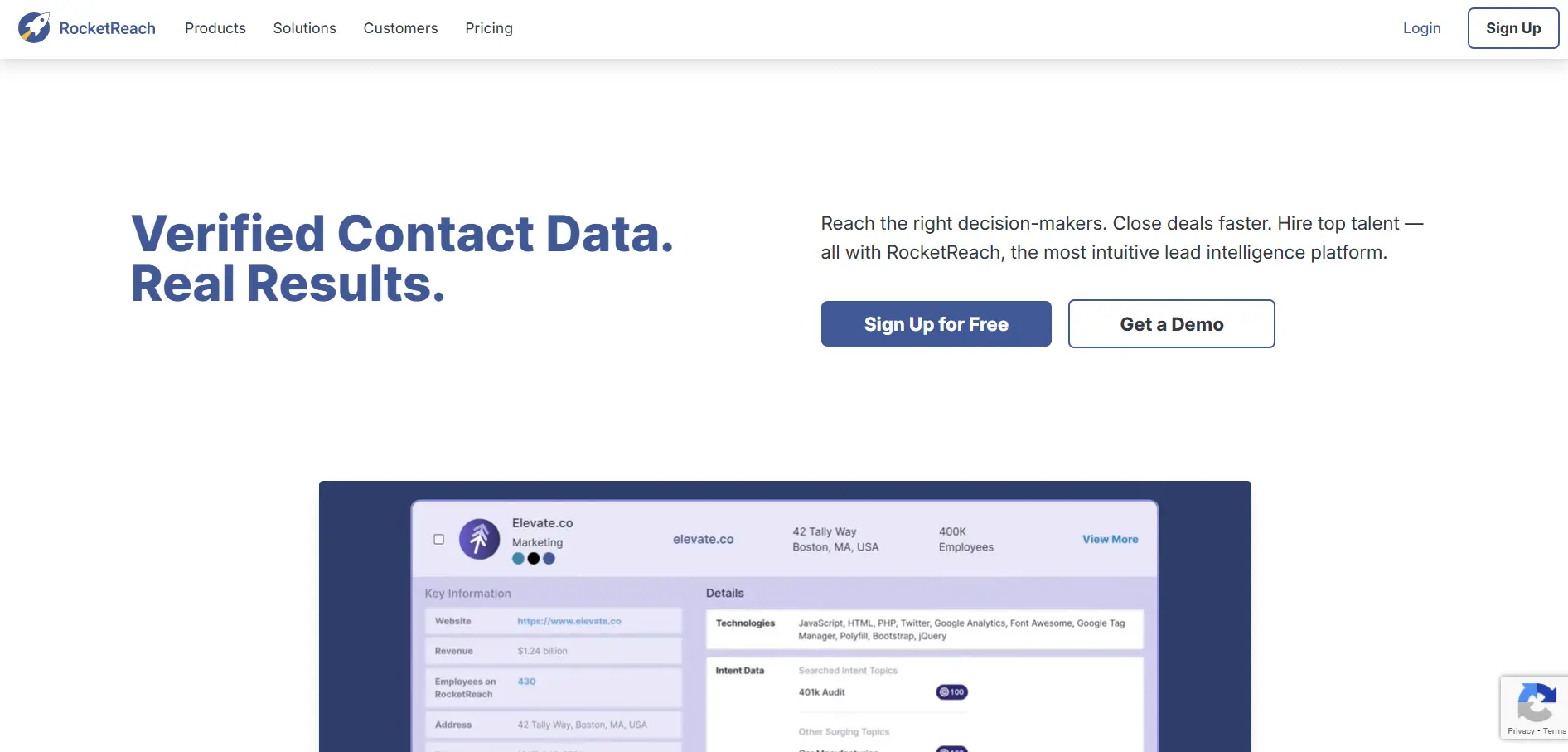
RocketReach provides global B2B contact coverage and supports both individual lookups and large-scale enrichment via API. It is often selected by marketing and recruiting teams operating across multiple regions who need broad international data access rather than specialized routing logic.
Key Features
RocketReach performs well for international outreach, though it does not inherently orchestrate multiple fallback providers.
Seamless.AI positions itself as a real-time contact search engine, emphasizing dynamic data retrieval instead of relying solely on static lists. It appeals to outbound teams that want continuous prospect discovery, although its sourcing remains primarily centralized rather than multi-vendor orchestrated.
Key Features
While it emphasizes dynamic discovery, its underlying data sourcing remains primarily centralized.
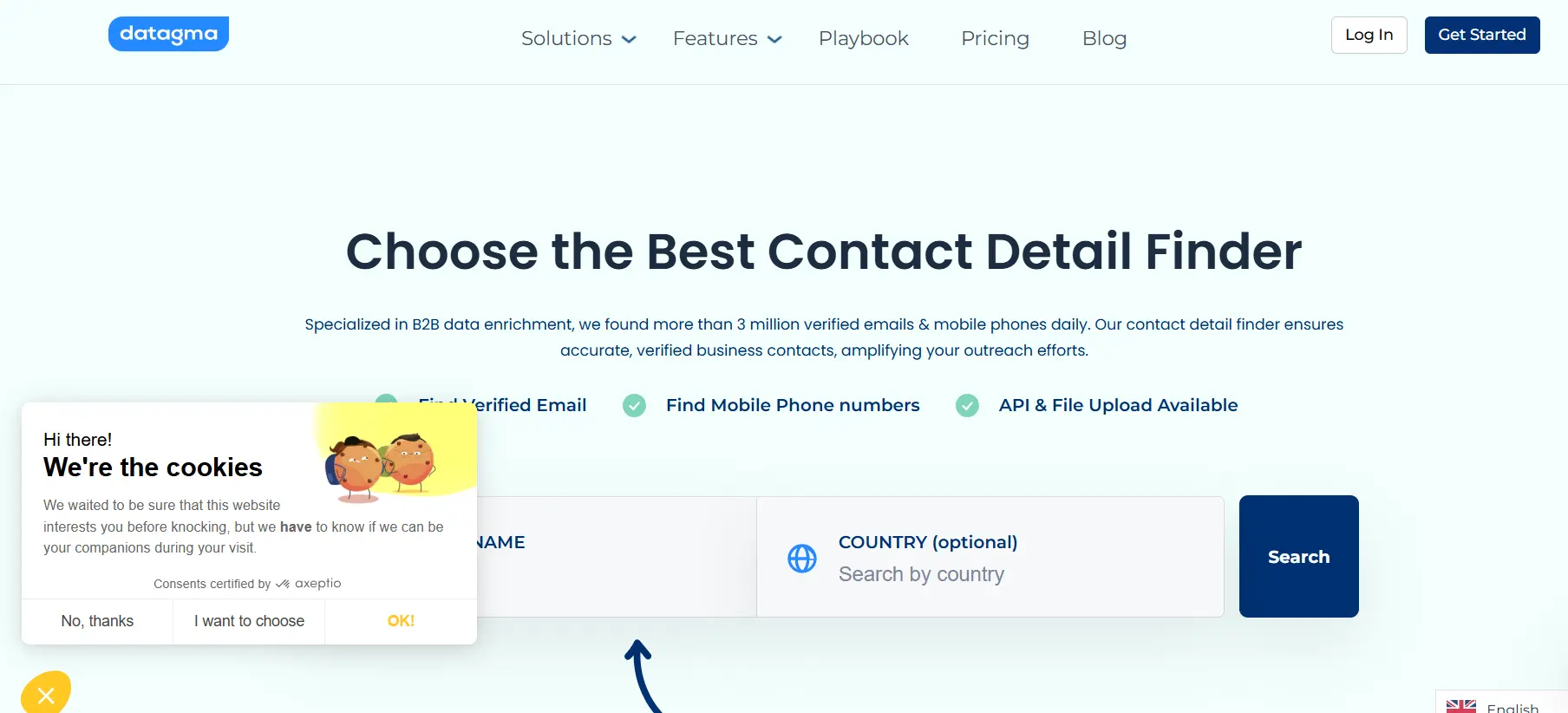
Datagma is built with technical integrations in mind, offering API-first enrichment for SaaS products and internal tools. It is most useful for engineering teams embedding phone discovery directly into workflows rather than for SDRs running manual prospecting sessions.
Key Features
Datagma suits engineering-heavy teams but does not natively include waterfall-style multi-provider orchestration.
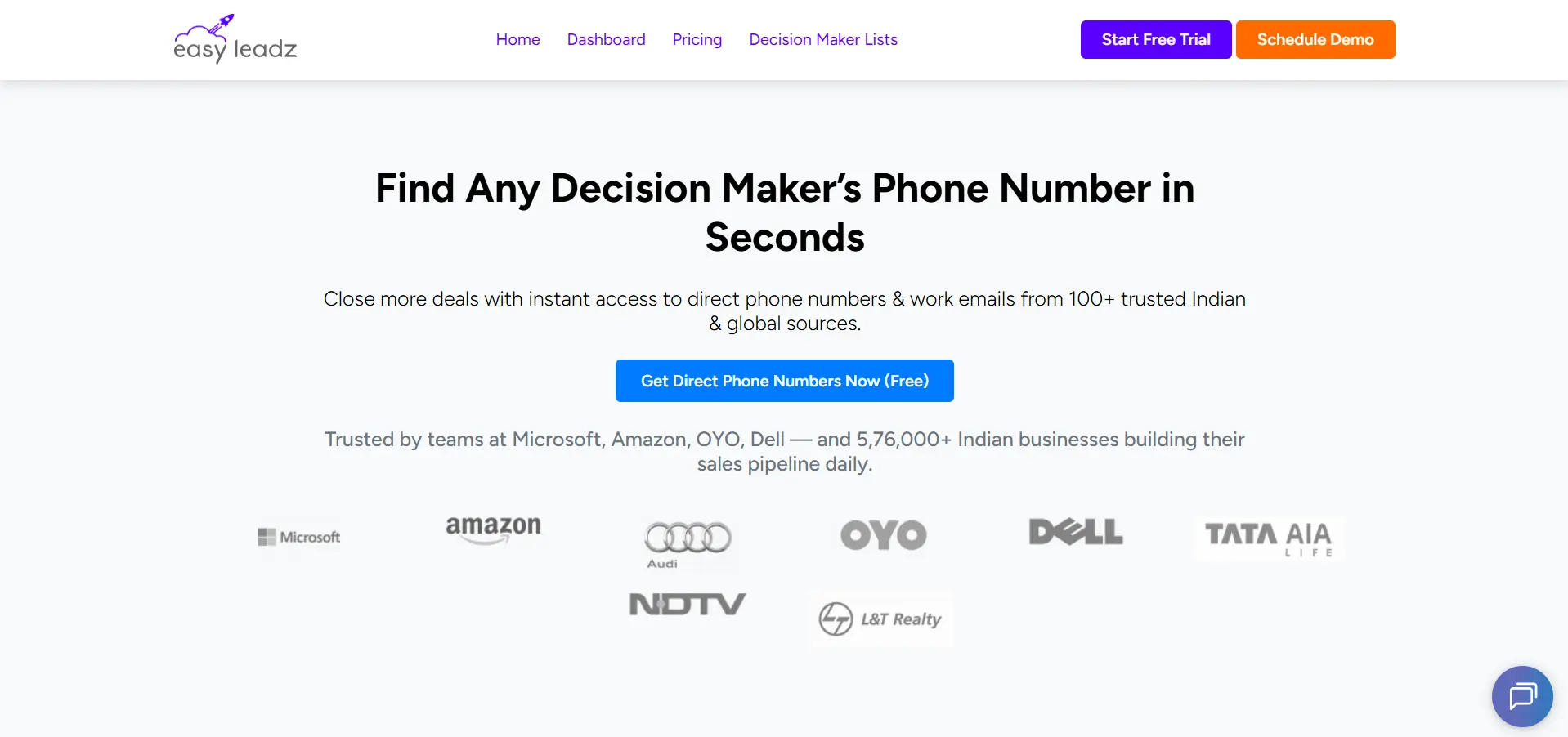
EasyLeadz centers on company-based prospect searches and direct dial discovery for outbound calling campaigns. It is generally used by sales teams seeking straightforward lookup functionality without layered enrichment sequencing.
Key Features
It provides a straightforward phone lookup but relies on its internal dataset.
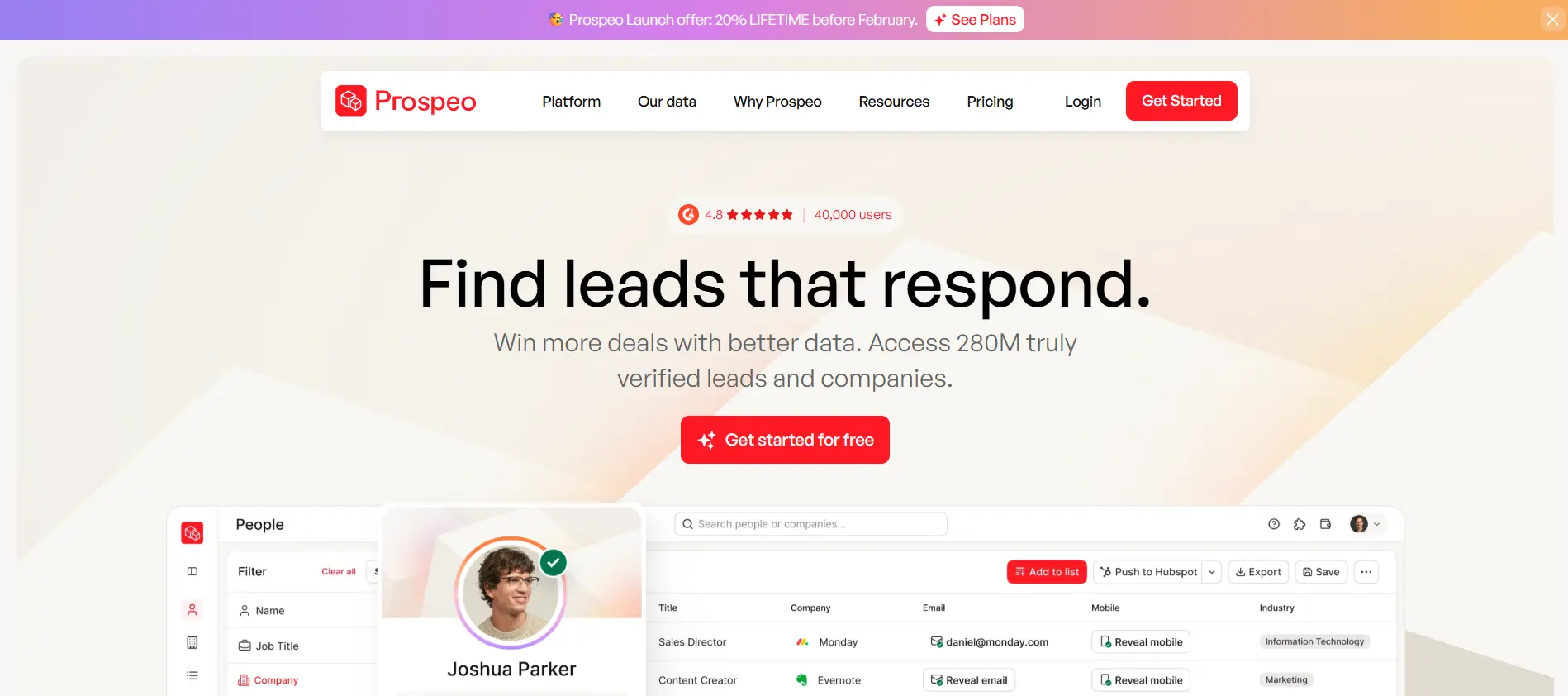
Prospeo operates on a credit-based enrichment model and supports both email and mobile number discovery. It is typically adopted by smaller teams that want flexible usage pricing rather than a deeply engineered sourcing architecture.
Key Features
Prospeo can be efficient for smaller enrichment batches, though coverage depends on its single-source database.
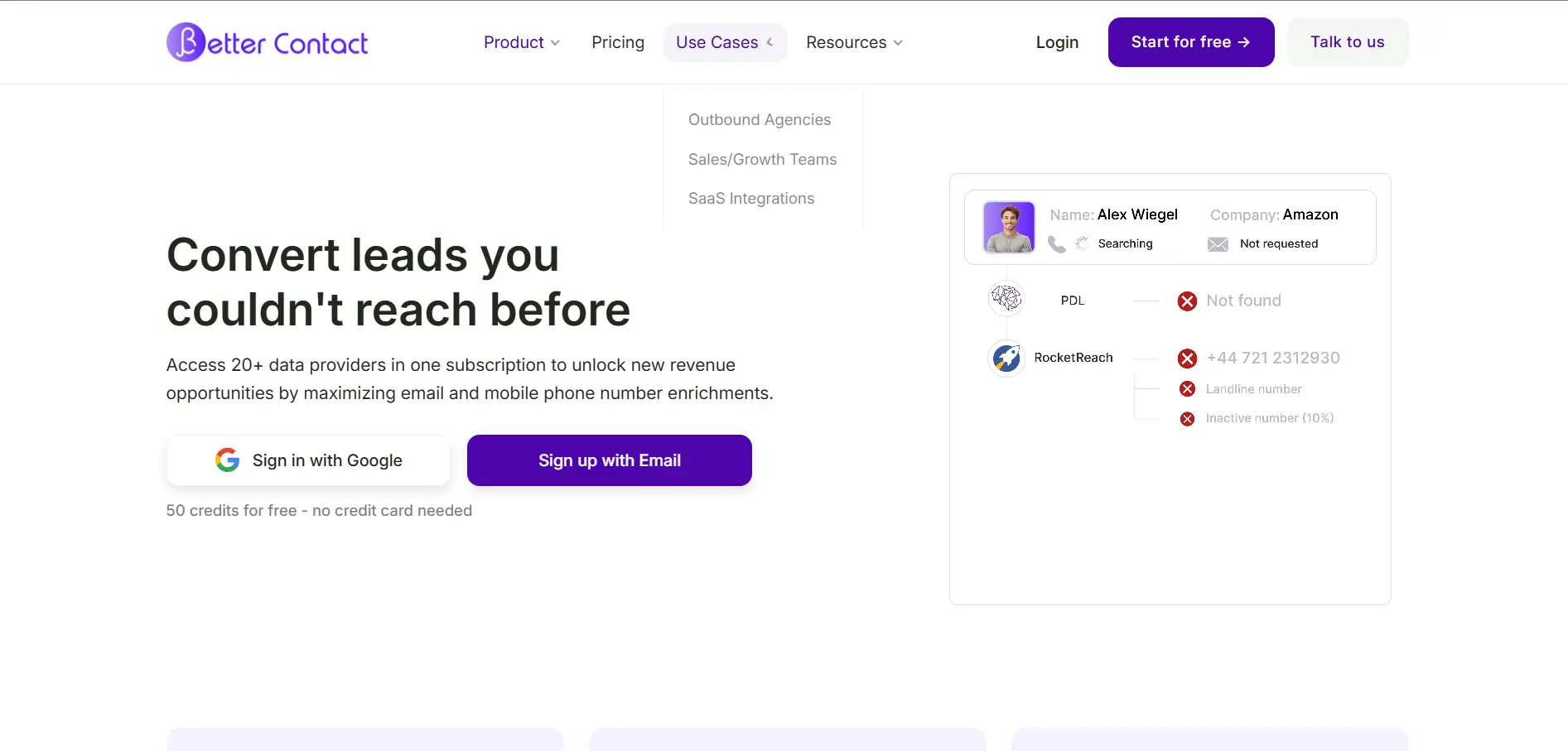
BetterContact relies heavily on aggregated directory and business registry data to provide broad company-level coverage.
They are commonly used for high-volume company lookups where geographic reach matters more than precision mobile validation.
Key Features
These platforms are useful for wide company discovery, though direct dial precision can vary based on data freshness.
When you compare these platforms side by side, the difference becomes architectural rather than cosmetic. Most tools offer bulk enrichment and CRM exports, but very few address the sourcing layer itself.
The key distinction is whether the platform relies on one database or orchestrates multiple providers in sequence. That sourcing model directly determines hit rate, cost control, and long-term scalability.
Choosing a b2b phone number finder should not be about dashboards or database claims. It should be about accuracy, coverage, and how reliably the tool improves your connect rates.
Every outbound workflow depends on clean phone data. When numbers are outdated or incomplete, your team wastes time before real selling even starts.
The real difference lies in sourcing architecture and validation quality. When you evaluate tools through that lens, performance gaps become obvious.
First, check whether the platform verifies phone numbers before returning them. A system that skips validation exposes your reps to disconnected lines and risky data.
Look for validation-aware sourcing that filters invalid numbers automatically. Fewer dead calls mean stronger connect rates and healthier pipeline metrics.
Many tools rely on one internal database. When that source misses, your enrichment stops and your hit rate is capped.
Stronger systems orchestrate multiple providers in sequence. Cascading fallback logic increases coverage and prevents data gaps from killing momentum.
If phone connects drive revenue, multi-layer sourcing becomes a structural advantage. Architecture directly impacts hit rate.
Premium mobile numbers are expensive. A smart platform invokes high-cost providers only after lower-cost tiers fail.
You should also see projected enrichment costs before execution. Transparent routing protects your budget without limiting access to quality data.
Manual lookups do not scale. The platform must enrich large lead lists efficiently while maintaining validation quality.
Structured filtering before enrichment ensures your team works only qualified prospects. That consistency supports predictable pipeline growth.
Phone data must move cleanly into your CRM and sales tools. Native integrations eliminate manual handling and reduce operational friction.
The system should also support high-volume outbound and workflow automation. If it cannot fit into your workflow, even accurate data becomes difficult to use.
In the end, accuracy matters more than raw database size. Multi-layer sourcing improves reliability, while validation and cost control increase ROI.
The architecture behind the tool determines whether your outbound scales smoothly or stalls under data limitations.
Single-provider tools work well for simple lookup needs and occasional prospect research. If you only need a few direct dials at a time, a static database may be enough.
But static databases decay quickly. Phone numbers change, roles shift, and disconnected lines accumulate faster than most teams realize.
Higher outbound success requires validation-aware sourcing that filters bad numbers before your reps ever dial. Accuracy at the data layer directly impacts connect rates, pipeline health, and overall revenue efficiency.
Multi-layer routing increases coverage because it does not stop at the first failed lookup. By orchestrating multiple providers in sequence, you reduce blind spots and improve overall valid phone discovery.
Waterfall architecture represents the future of B2B phone discovery because it treats sourcing as an engineered system rather than a fixed dataset.
Oppora.ai leads in this category due to its purpose-built, multi-vendor sourcing infrastructure designed for scale, validation, and cost control.
A B2B phone number finder is a tool that helps you discover verified direct dials and mobile numbers of decision-makers so you can increase connect rates and reduce time spent dialing switchboards.
Accuracy depends on the sourcing model, as single-database tools often have coverage gaps while multi-source and validation-aware platforms typically return more reliable numbers.
Waterfall sourcing is a multi-vendor approach where phone number requests move through providers in sequence, increasing coverage when one source fails to return valid data.
Bulk enrichment allows you to process large lead lists efficiently, ensuring SDR teams work only with verified phone data at scale.
The best platform depends on your workflow, but tools built on multi-layer sourcing and real-time validation generally outperform single-provider databases in coverage and scalability.
Summarize with AI
Share