Home
Blog
Find 500 B2B Contacts for Free Every Month with Built-In Outreach.
Home
Blog
Ravikanth
Published April 14, 2026
14 min
Try Oppora AI
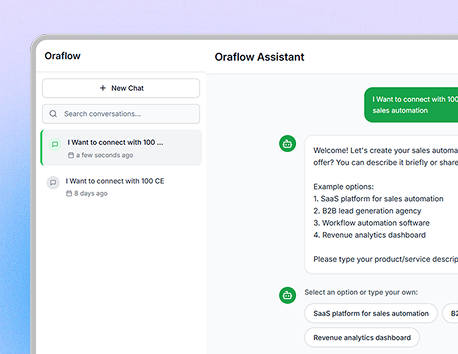
Create Self-Running Agentic Sales Workflows like N8N just by chatting with AI
Get Started for FREE
If you’ve used D7 Lead Finder, you already know how it helps you scrape local business leads from platforms like Google Maps.
It’s simple, fast, and gets the job done when you just need raw data.
But the problem starts after that. You still have to clean the data, verify emails, and manually handle outreach, which quickly becomes time-consuming and outdated.
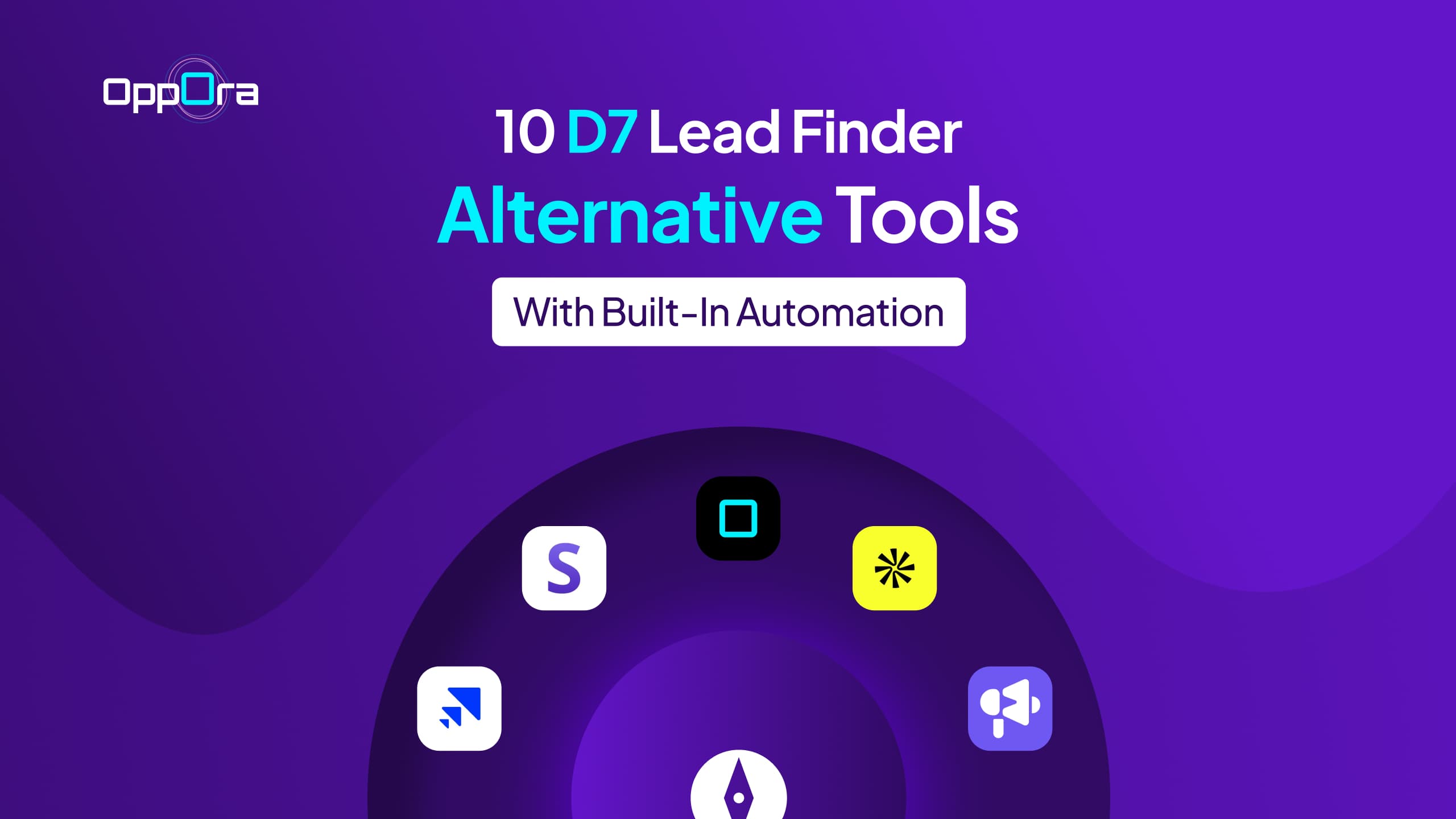
That’s exactly why many users start looking for a D7 lead finder alternative—something that not only finds leads but also automates the entire workflow from discovery to outreach.
Now that you understand what D7 Lead Finder does, it’s easier to see where things start breaking down in real workflows.
Most users don’t complain about finding leads. The frustration usually begins after that step.
Across multiple community discussions, users consistently point out issues like manual effort, poor data quality, and lack of automation. These aren’t isolated cases—they reflect how the tool struggles to keep up with modern outbound needs.
If you’re trying to scale lead generation or streamline outreach, these limitations quickly become blockers. Let’s break down the most common problems users face and why they start looking for better alternatives.
One of the biggest frustrations users highlight is how much manual effort is involved in collecting leads. Users sharing their experience here
You still have to search, extract, review, and organize data step by step, which quickly turns into hours of repetitive work.
Many users mention that this slows down their entire workflow and makes it hard to focus on actual outreach or closing deals. Instead of building a pipeline, you end up stuck doing data collection.
This becomes even more limiting when you try to scale consistently.
Another common issue users point out is the quality of data generated through scraping. based on user discussions here
A lot of the leads turn out to be outdated, incomplete, or simply incorrect, which creates problems later in the process.
Users often mention wasting time reaching out to invalid contacts or businesses that are no longer active. This directly affects response rates and campaign performance.
When your data isn’t reliable, even the best outreach strategy struggles to deliver results.
After collecting leads, users quickly realize they need multiple additional tools to actually use that data. You can see people talking about this here
There’s no built-in system for sending emails, managing follow-ups, or automating outreach sequences.
This forces users to switch between different platforms just to complete a single workflow. Over time, this tool-hopping creates inefficiency and increases the chances of errors.
Many discussions highlight this gap as a major reason for switching to more automation-focused tools.
While D7 Lead Finder might work for small, one-off use cases, it starts to show limitations as your needs grow. This is something users complain about here
Users often mention difficulties in managing larger campaigns or handling consistent lead flow at scale.
There’s no structured system to support team collaboration or ongoing outbound processes, which makes scaling harder than it should be.
As a result, teams outgrow the tool quickly once they move beyond basic lead collection.
Another issue that comes up frequently is the overall user experience of the tool. This discussion highlights the issue
Users mention that the interface feels outdated and not very intuitive, especially for beginners.
This creates friction during onboarding and slows down everyday usage, even for simple tasks.
When your tool isn’t easy to use, it adds unnecessary complexity to an already manual process, making the entire workflow feel heavier than it should be.
Now that you’ve seen where D7 Lead Finder falls short, the real question is what a better alternative looks like.
Today, finding leads is just one part. What matters more is what you do next.
The tools below go beyond scraping by combining lead discovery, enrichment, outreach, and automation in one place—so you can scale without juggling multiple tools.
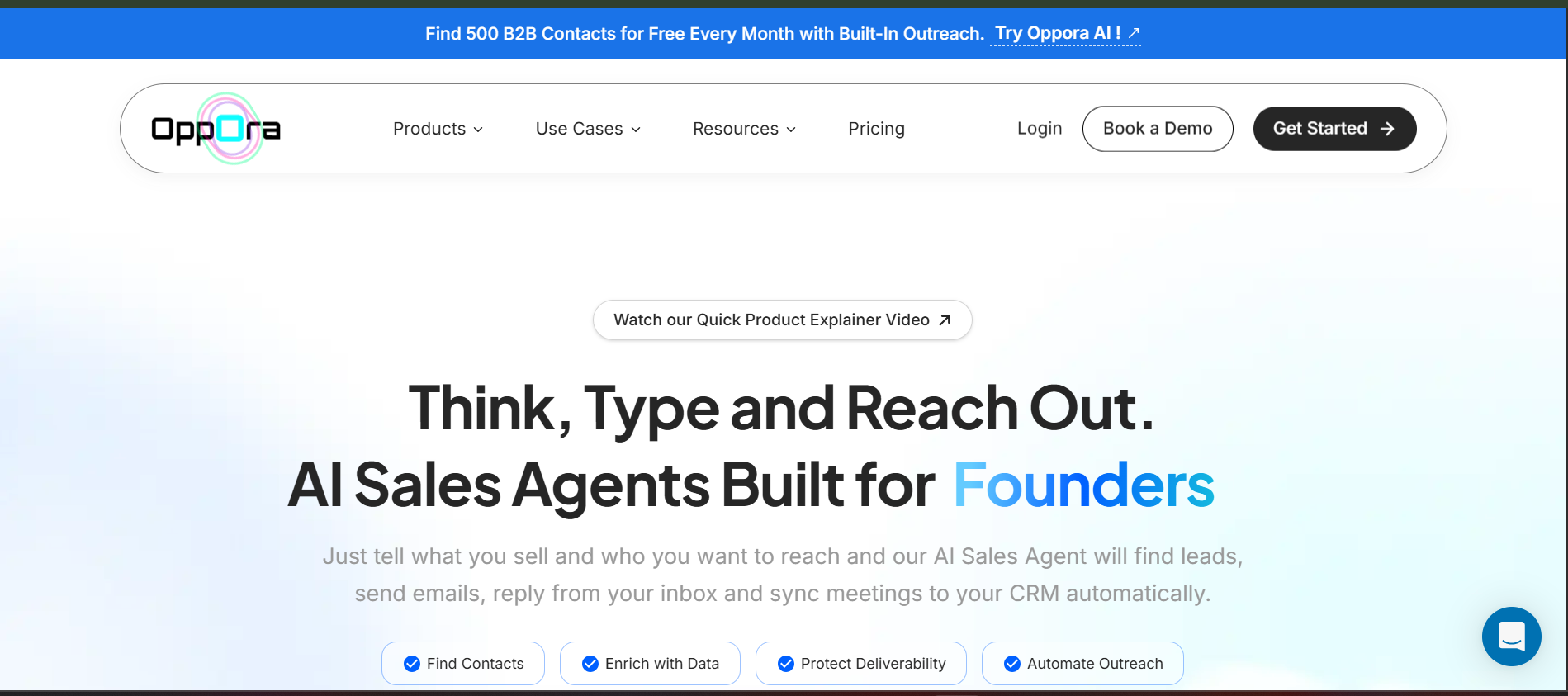
If you’re looking for a true upgrade over D7 Lead Finder, Oppora.ai doesn’t just improve one part of the process—it replaces the entire workflow.
You still get everything you expect from a typical lead generation tool.
But the real difference shows up after you find leads.
Oppora doesn’t stop at data. It helps you actually turn those leads into conversations without switching tools.
So instead of stitching together multiple tools, you’re running one complete system.
It also includes:
Pricing is where it stands out even more.
While many tools charge heavily for limited credits, Oppora keeps it scalable:
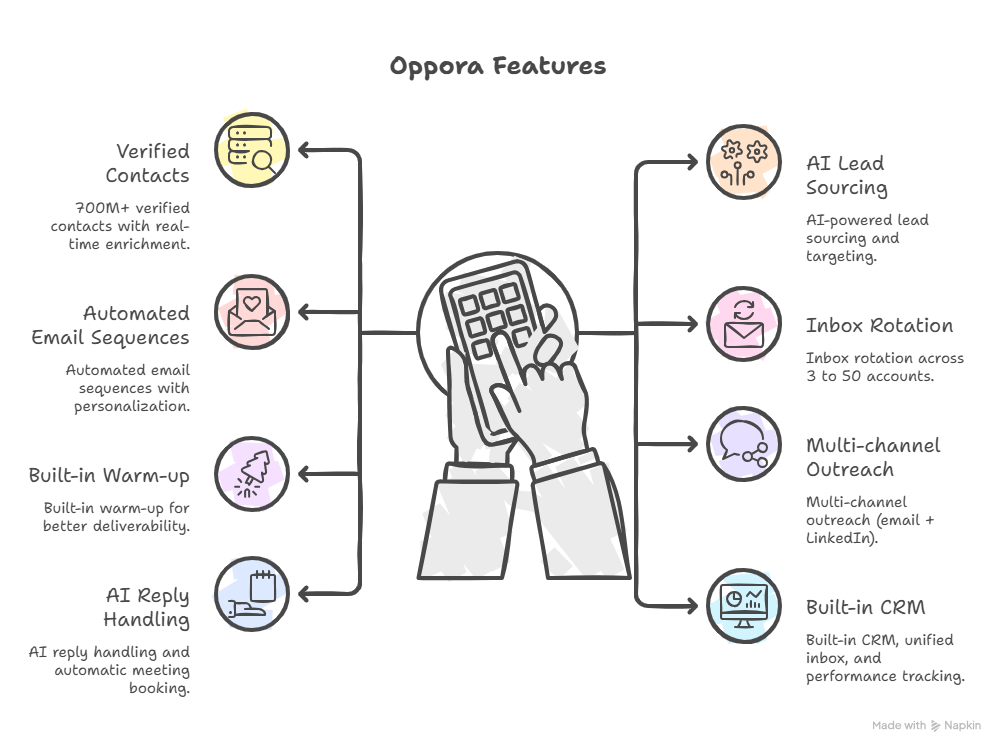
Oppora combines lead generation, enrichment, and outreach into one automated workflow.
Oppora is designed to remove manual work and replace multiple tools with one system.
Pros:
Cons:
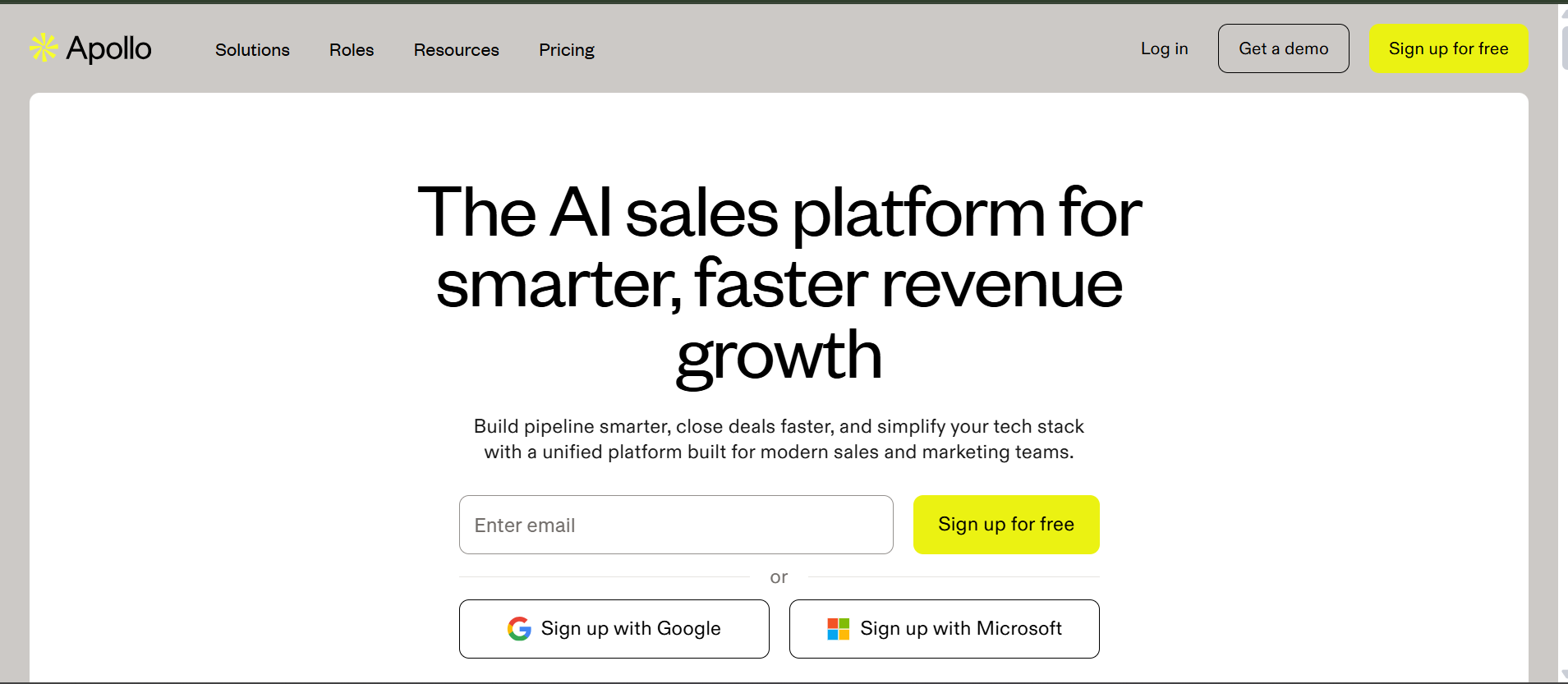
Apollo.io is a popular choice if you want both a large lead database and built-in outreach in one place.
Unlike D7 Lead Finder, it offers structured B2B data with advanced filters like job title, company size, and intent signals for precise targeting.
You can also run email sequences directly, making it a strong D7 lead finder alternative, though it still requires manual setup compared to fully automated tools.
Pros:
Cons:
Suggested Reading:
Apollo.io vs. Oppora.ai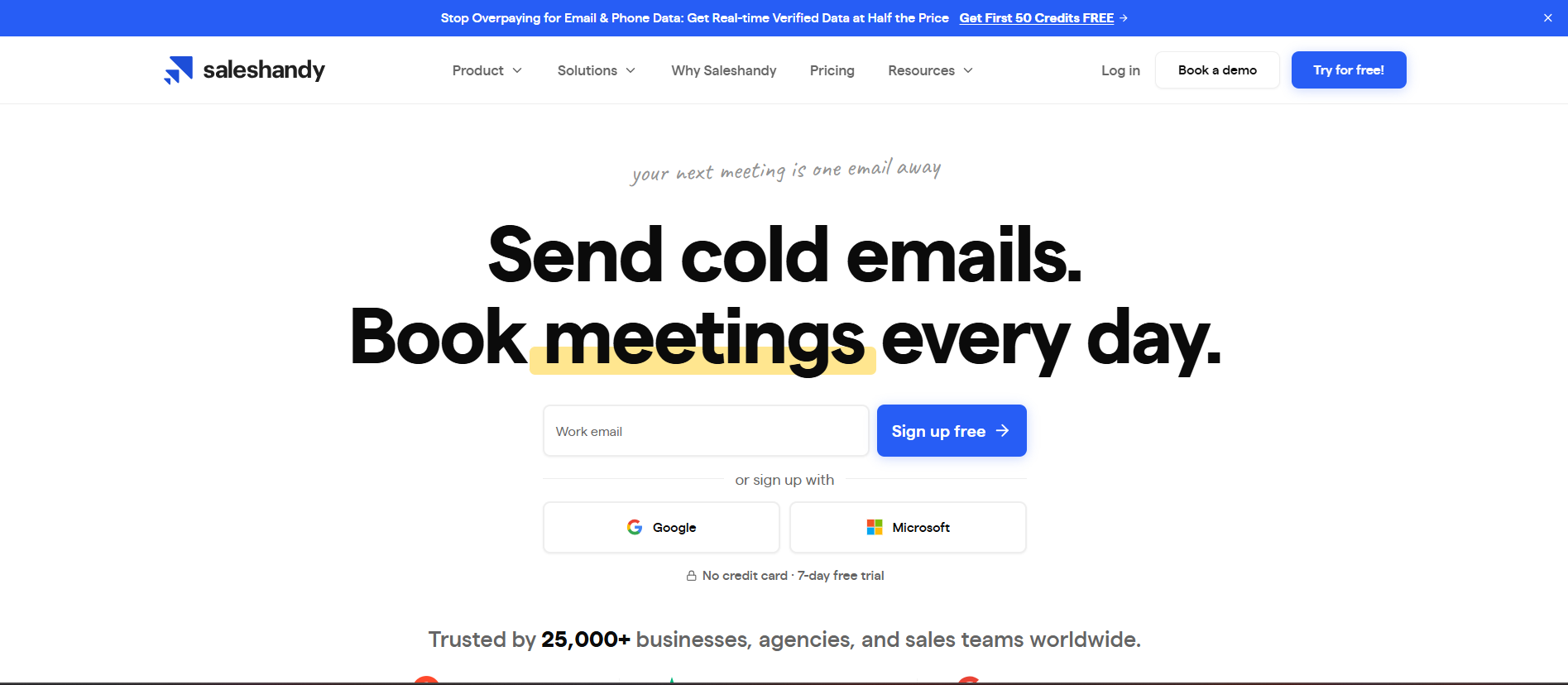
Saleshandy Lead Finder is a strong option if your main issue with D7 is poor data quality.
Instead of scraping, it provides verified B2B contacts, helping you find accurate leads without spending time cleaning data.
You can filter prospects easily and even run basic email outreach, making it a solid D7 lead finder alternative, though it lacks advanced automation.
Pros:
Cons:
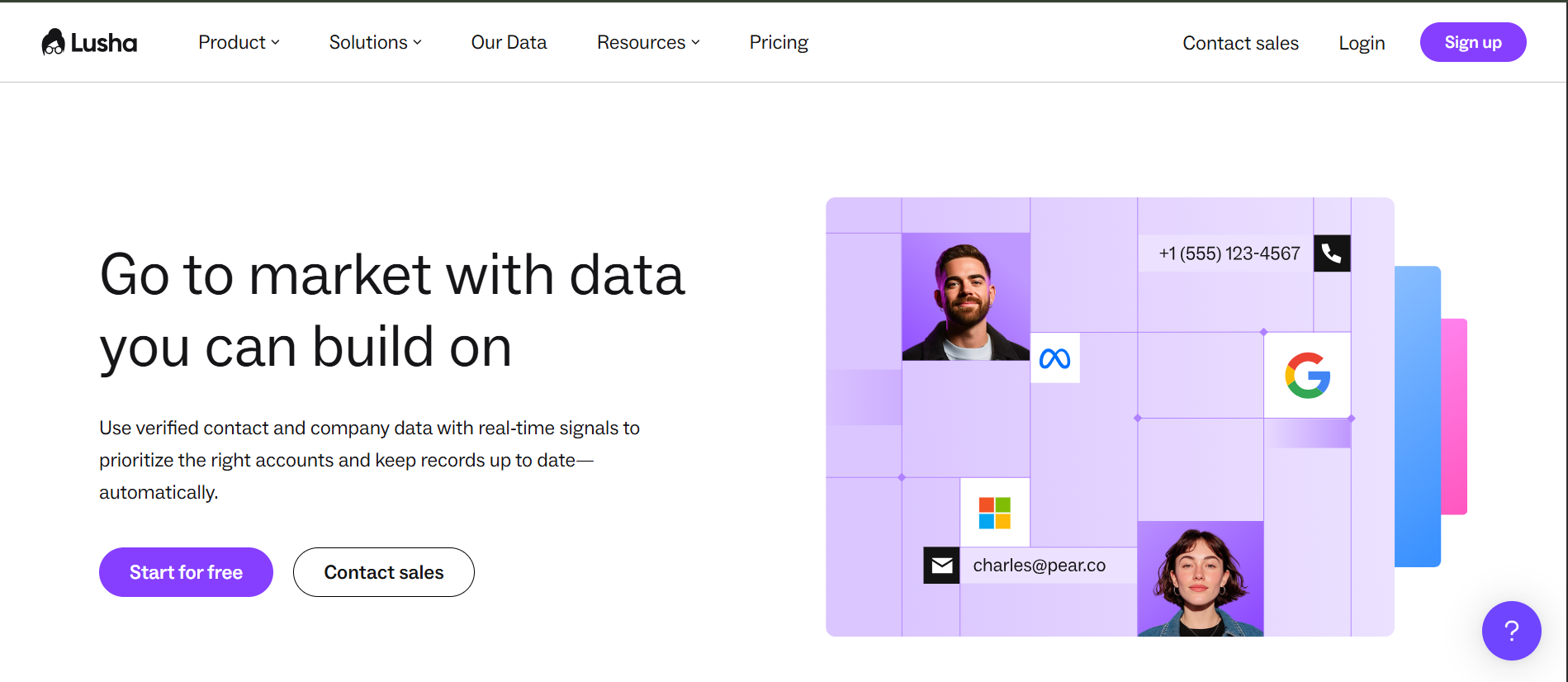
Lusha is a simple tool for finding enriched contact data without manual scraping.
It gives you access to verified emails and phone numbers, especially through LinkedIn, making it a practical D7 lead finder alternative for quick prospecting.
Pros:
Cons:
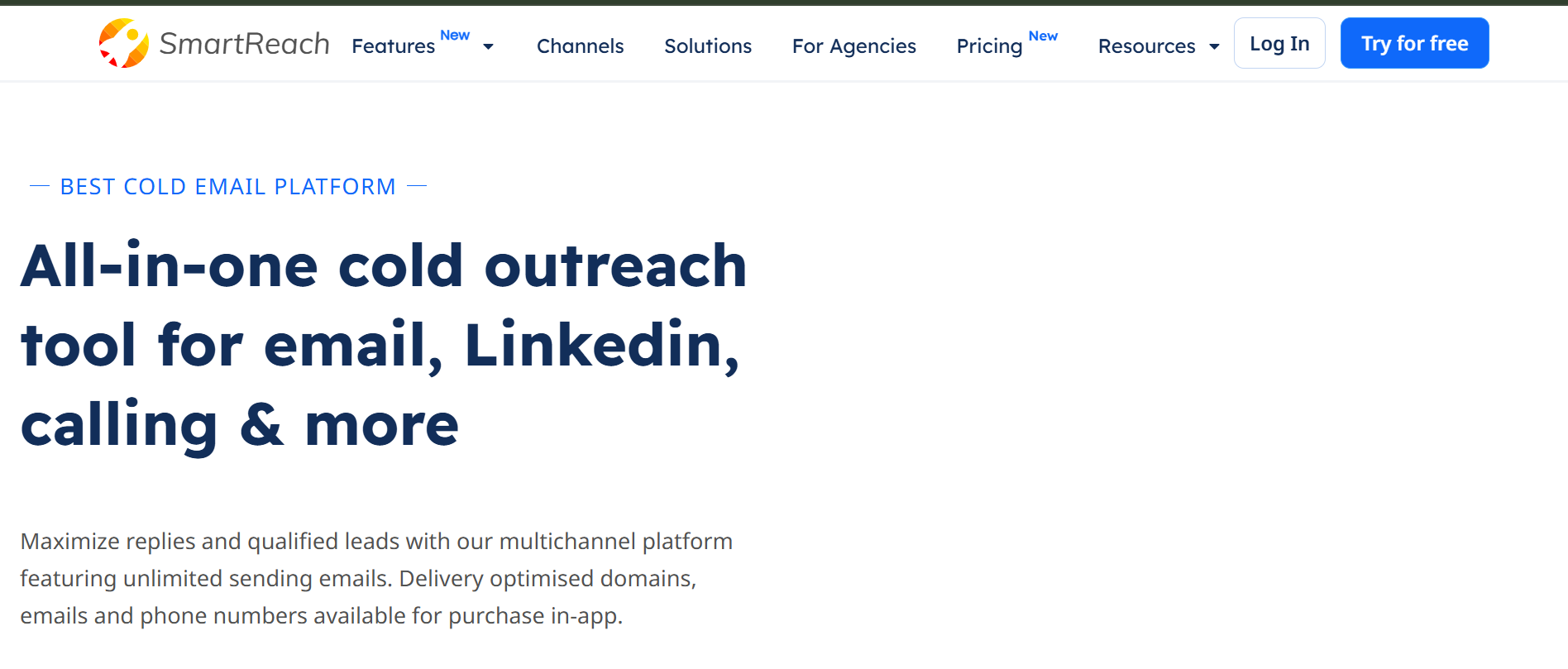
SmartReach.io is a strong choice if your focus is scaling outreach with better control over deliverability.
While D7 Lead Finder helps you collect leads, SmartReach helps you engage them through automated campaigns and workflows.
It’s a practical D7 lead finder alternative for teams that already have data but need outreach automation.
Pros:
Cons:
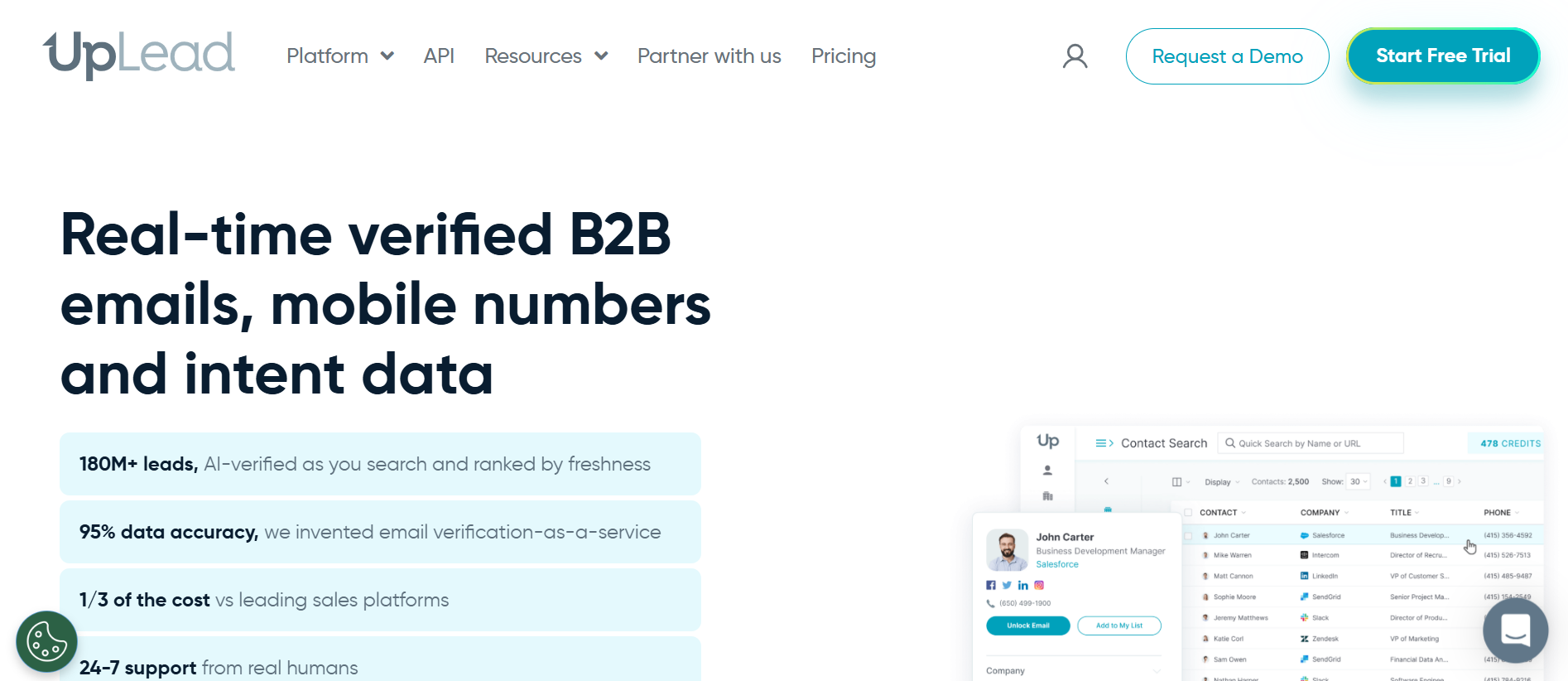
If your biggest issue with D7 Lead Finder is inaccurate or outdated data, UpLead is built to solve that.
Instead of relying on scraped information, UpLead focuses on delivering verified B2B contacts with high accuracy. This helps you avoid wasted outreach and improves overall campaign performance.
It’s a strong D7 lead finder alternative for teams that prioritize data quality over volume, especially when targeting decision-makers.
UpLead is designed around data accuracy and precise targeting.
UpLead delivers highly reliable data but comes at a cost.
Pros:
Cons:
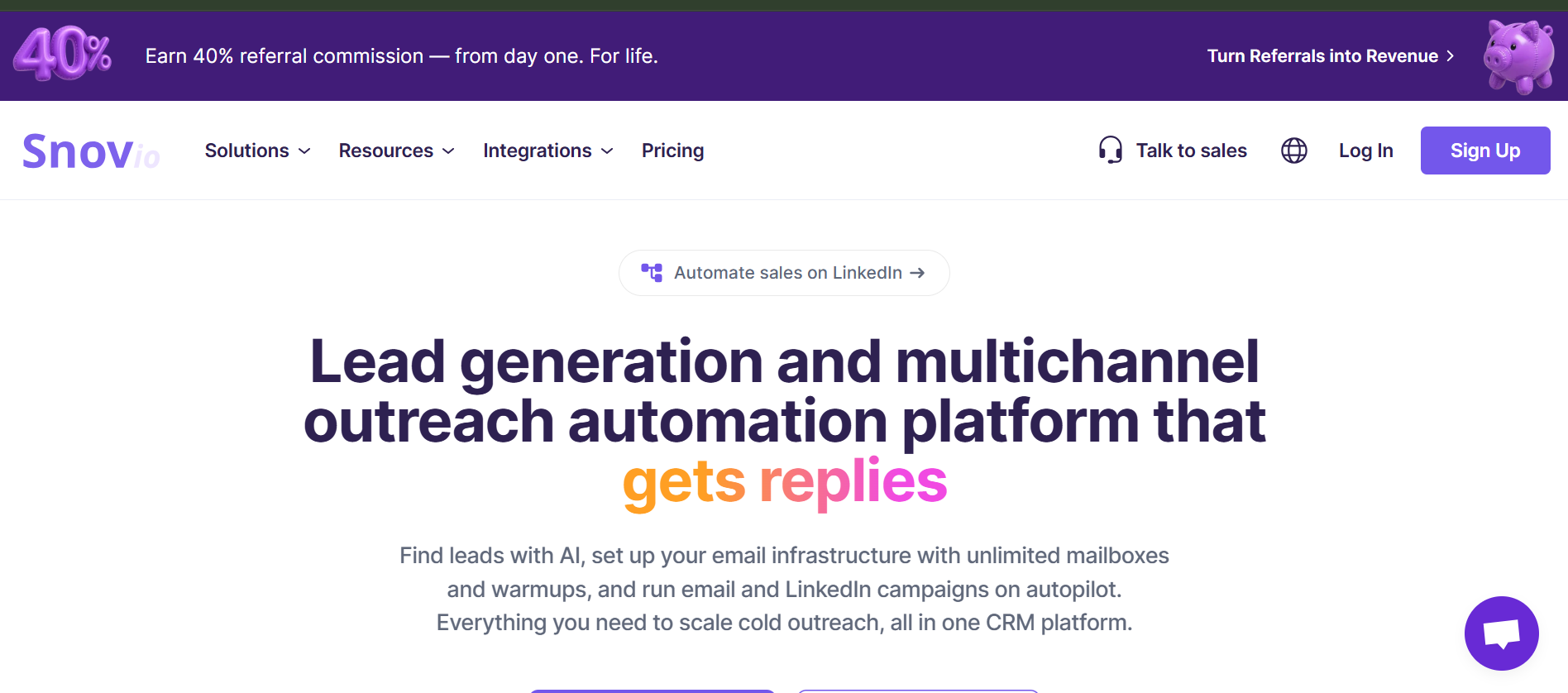
Snov.io is a well-known tool that combines lead generation with email outreach in one platform.
Unlike D7 Lead Finder, it doesn’t stop at collecting leads. It helps you find, verify, and reach out to prospects without switching tools.
It’s a practical D7 lead finder alternative if you want a balance between data and outreach without complex automation setups.
Snov.io focuses on combining lead discovery with email campaigns.
Snov.io offers a balanced feature set but has some limitations.
Pros:
Cons:
Suggested Reading:
12 Snov.io Alternatives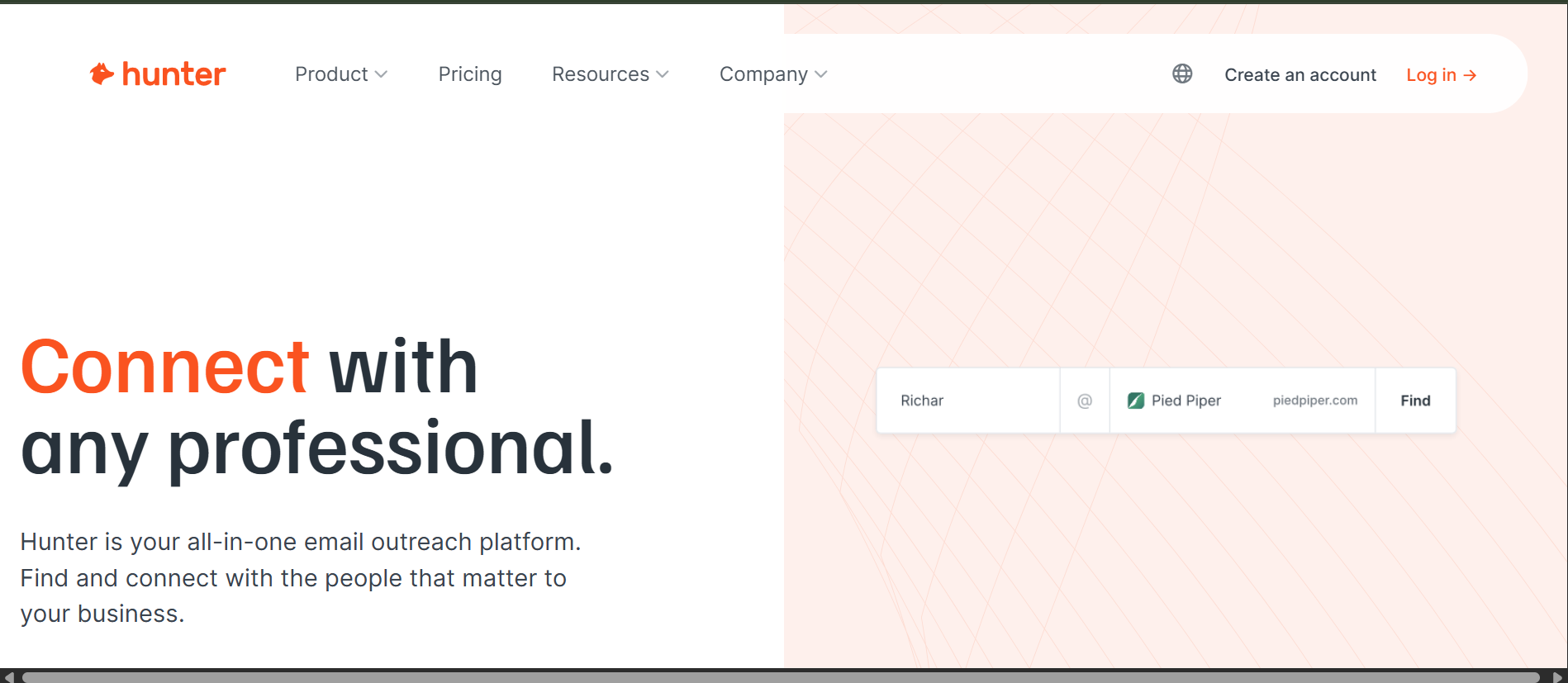
Hunter.io is a great option if you want something simple and easy to use.
Unlike D7 Lead Finder, it focuses on helping you find professional email addresses based on company domains, without complex workflows or setup.
It’s a beginner-friendly D7 lead finder alternative, especially if you’re just starting with lead generation and need a reliable way to find and verify emails quickly.
Hunter is built around simplicity and accuracy.
Hunter is easy to use but has some limitations.
Pros:
Cons:
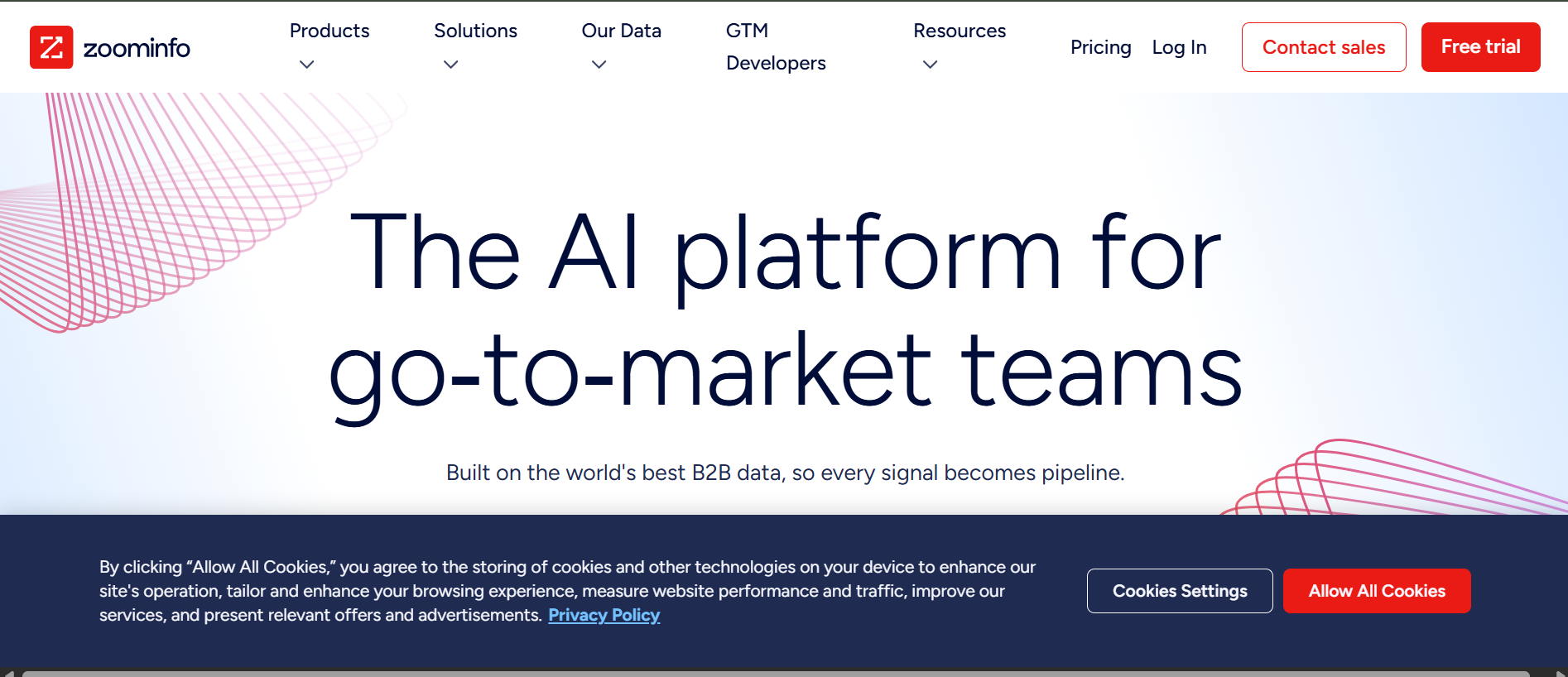
ZoomInfo is a premium platform built for teams that need deep data insights and advanced targeting.
Unlike D7 Lead Finder, it goes beyond basic lead collection by offering detailed company profiles, intent data, and enrichment tools.
It’s a powerful D7 lead finder alternative for enterprises that want highly targeted outreach based on real buying signals.
ZoomInfo focuses on data depth and advanced sales intelligence.
ZoomInfo offers powerful capabilities but comes with trade-offs.
Pros:
Cons:
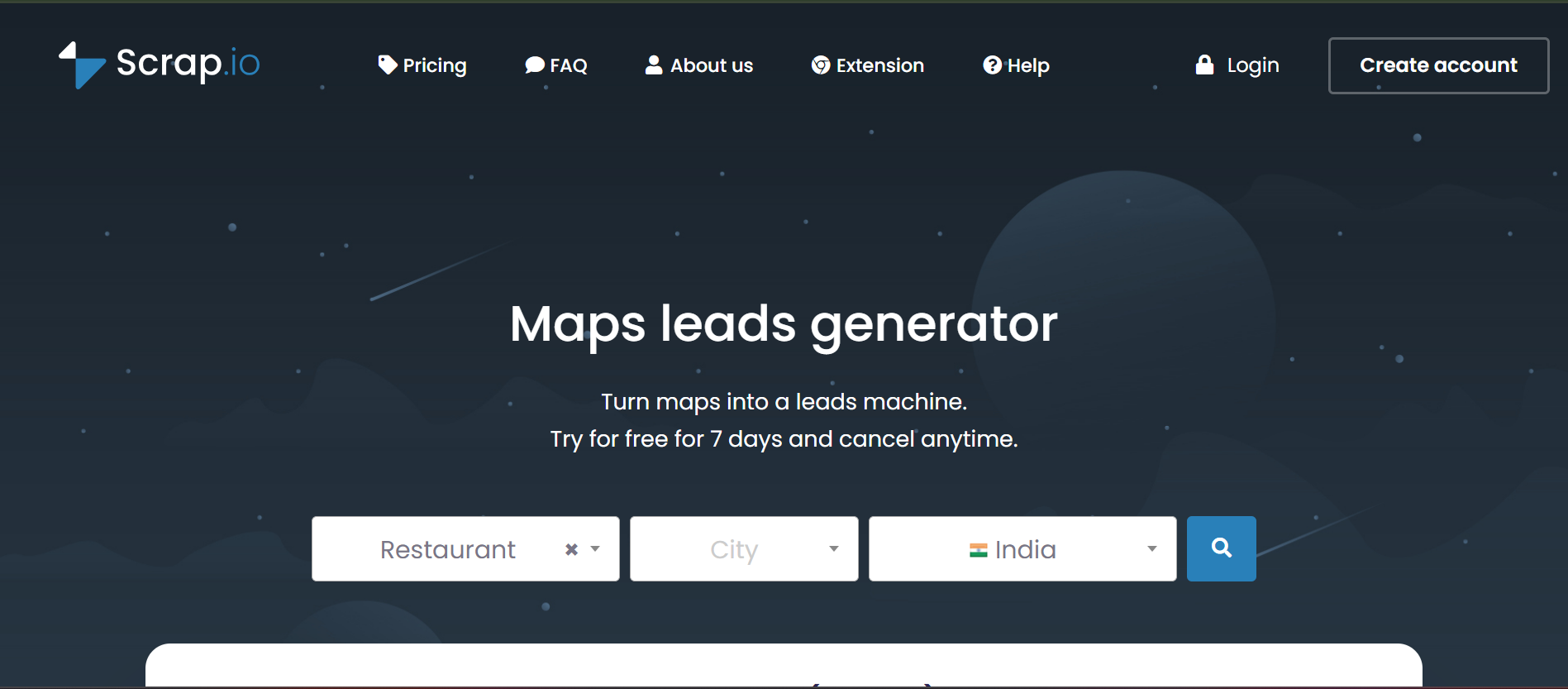
If you’re specifically looking for a tool similar to D7 Lead Finder, Scrap.io is one of the closest alternatives.
It follows a similar approach by scraping business data from sources like Google Maps, but offers slightly better filtering and export options.
It’s a simple D7 lead finder alternative for users who still prefer scraping-based tools but want a bit more control over lead extraction.
Scrap.io focuses on scraping and filtering local business data.
Scrap.io is useful for scraping but has clear limitations.
Pros:
Cons:
Now that you’ve seen multiple tools, choosing the right one can feel overwhelming.
The key is to not chase features blindly, but to match the tool with your actual workflow needs.
Some tools are great for data, others for outreach, and a few handle everything end-to-end. If you pick the wrong type, you’ll end up stacking tools again—exactly the problem you’re trying to solve.
Here’s a simple way to decide based on what matters most to you.
Your budget plays a big role in narrowing down the right option.
If you’re just starting out, tools like Hunter.io or Scrap.io offer free or low-cost entry points, but they come with limited features and require manual work.
On the other hand, paid tools like Apollo, UpLead, or Oppora.ai give you better data, automation, and scalability.
The trade-off is simple: lower cost means more manual effort, while higher investment reduces workload and improves results.
Different tools solve different problems, so your use case should guide your choice.
If your focus is data accuracy, tools like UpLead or Lusha are better suited.
If you need outreach capabilities, platforms like SmartReach or Snov.io help you run campaigns.
And if your goal is end-to-end automation, tools like Oppora.ai are designed to handle everything from lead generation to meeting booking.
Choosing based on use case helps you avoid unnecessary tools and keeps your workflow simple.
Not all tools offer the same level of automation, and this is where the biggest difference lies.
Basic tools like D7 or Scrap.io only help with scraping, leaving everything else manual.
Mid-level tools like Apollo or Snov.io combine data with outreach but still require hands-on setup and management.
Advanced platforms like Oppora.ai automate the full workflow—finding leads, sending emails, handling replies, and booking meetings—so you don’t have to manage each step manually.
The more automation you choose, the less time you spend on repetitive tasks and the easier it becomes to scale.
D7 Lead Finder works for basic lead scraping, but modern outbound needs more than just data.
Switching to a better alternative helps you improve data accuracy, automate outreach, and save hours of manual work.
The right tool doesn’t just find leads—it helps you convert them. So choose a solution that simplifies your workflow and helps you scale without complexity.
The best alternative depends on your needs.
If you want full automation, tools like Oppora are ideal. For data-focused use cases, UpLead or Apollo work well. If you just need simple email finding, Hunter.io is a good starting point.
Most users switch because D7 focuses only on scraping.
It lacks data accuracy, outreach features, and automation, which makes the overall workflow manual and hard to scale.
Yes, tools like Hunter.io and Scrap.io offer free or low-cost options.
However, they usually come with limitations like fewer credits, basic features, and no automation.
If your goal is automation, you should look for tools that handle the full workflow.
Platforms like Oppora automate lead generation, outreach, follow-ups, and even replies, reducing the need for multiple tools.
Start by identifying your main need—data, outreach, or automation.
Then match it with your budget and scale. Choosing a tool that aligns with your workflow will save time and improve your lead generation results.
Summarize with AI
Share