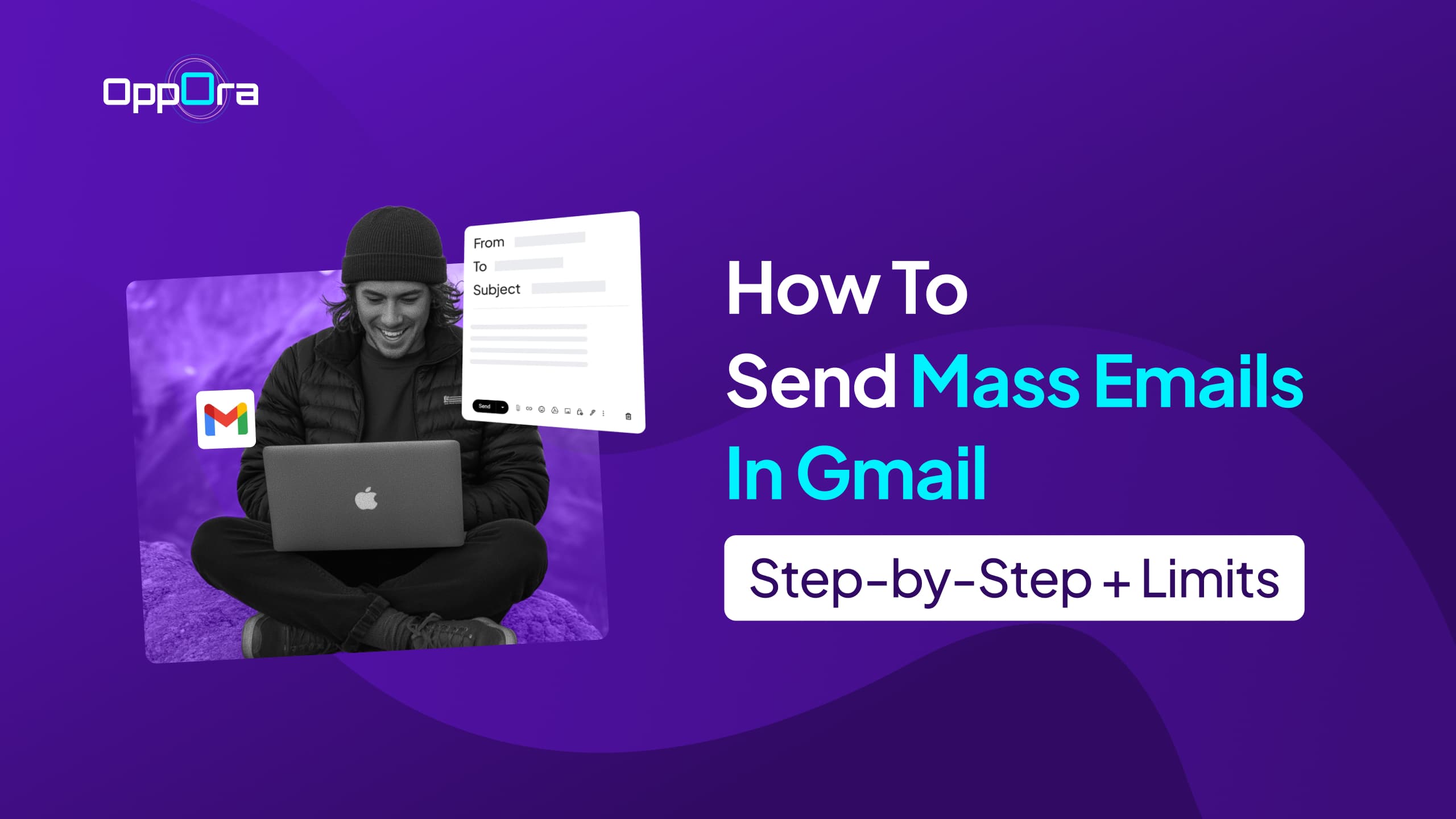
How to Reduce Unsubscribe Rate in Email Campaigns
Manasa Goli
Published May 28, 2026
8 min
Complete Agentic Email Outreach
AI agents find and enrich prospects, personalize emails, follow up, and handle replies with your meeting link.
Claim Your FREE Credits
Email unsubscribes are frustrating because they usually happen silently.
Your campaigns may still get opens and clicks, but if people keep leaving your list, your long-term email performance slowly declines.
And the worst part?
Most unsubscribe issues are preventable.
In many cases, people don’t unsubscribe because they hate your brand. They unsubscribe because the emails feel irrelevant, too frequent, too generic, or simply not worth opening anymore.
That’s why reducing unsubscribe rates is less about “convincing people to stay” and more about sending emails people actually want to receive.
In this guide, you’ll learn:
- Why people unsubscribe from email campaigns
- How to reduce unsubscribe rate in email campaigns
- Common mistakes hurting subscriber retention
- Best practices for long-term email engagement
- How AI personalization can improve email relevance naturally
Why unsubscribe rates matter more than you think
A small unsubscribe rate may not look alarming at first.
But over time, it affects the overall health of your email marketing strategy.
When people frequently unsubscribe:
- Your sender reputation weakens
- Engagement rates decline
- Spam complaints can increase
- Email deliverability becomes harder
- Customer acquisition costs rise because you constantly replace lost subscribers
More importantly, high unsubscribe rates usually indicate a mismatch between audience expectations and your email experience.
That’s the real problem you need to solve.
Understand why people unsubscribe first
Before fixing unsubscribe rates, you need to understand what causes them.
Most users leave email lists for predictable reasons.
1. Your emails feel too promotional
People subscribe expecting value.
But if every email pushes a sale, discount, or demo request, subscribers quickly lose interest.
Your audience wants useful insights, education, updates, or solutions — not nonstop promotions.
2. You email too frequently
Sending too many emails is one of the fastest ways to increase unsubscribe rates.
Even good content becomes overwhelming when inboxes are flooded daily.
Frequency fatigue is real, especially in B2B outreach and newsletter campaigns.
3. Your content is irrelevant
Subscribers disengage when emails don’t match their interests.
This often happens when businesses send the same campaign to everyone without segmentation.
A founder, marketer, and SDR should not receive identical messaging every time.
4. Your subject lines create false expectations
If your subject line promises one thing but the email delivers something else, trust breaks instantly.
Misleading subject lines may improve opens temporarily, but they increase unsubscribes long term.
Suggested Reading:
Product Launch Email Subject Lines5. Your onboarding sequence is weak
Many businesses focus heavily on acquiring subscribers but ignore the first few emails after signup.
That early experience shapes whether subscribers stay engaged or leave quickly.
How to reduce unsubscribe rate in email campaigns
Now let’s look at practical strategies that actually improve subscriber retention.
1. Segment your email list properly
Segmentation is one of the biggest factors behind lower unsubscribe rates.
When people receive emails tailored to their interests, industry, behavior, or stage in the funnel, they’re more likely to stay subscribed.
You can segment based on:
- Industry
- Job role
- Purchase history
- Engagement level
- Funnel stage
- Geographic location
- Product interest
The more relevant your messaging becomes, the lower your unsubscribe rate usually gets.
2. Focus on value before promotion
A simple rule works well here:
Your emails should help more than they sell.
Educational content, actionable insights, templates, industry trends, and useful frameworks usually perform better than constant promotional messaging.
When subscribers consistently gain value, they tolerate occasional sales emails much more naturally.
3. Improve your email frequency
There’s no perfect sending frequency for every audience.
But there is a point where your audience starts feeling overwhelmed.
Instead of increasing email volume aggressively, monitor:
- Open rates
- Click-through rates
- Reply rates
- Unsubscribe spikes
- Inactive subscribers
If unsubscribes rise after increasing campaign frequency, that’s usually your signal to slow down.
4. Let subscribers manage preferences
Sometimes people unsubscribe because they can’t control what they receive.
Preference centers help reduce this problem.
Instead of forcing an all-or-nothing decision, let users choose:
- Weekly vs monthly emails
- Specific topics
- Product updates only
- Newsletter only
- Educational content only
This gives subscribers flexibility while helping you retain more contacts.
5. Personalize emails naturally
Personalization today goes far beyond using someone’s first name.
Subscribers respond better when emails feel context-aware and relevant to their situation.
That includes:
- Personalized recommendations
- Role-specific messaging
- Behavior-based follow-ups
- Dynamic content
- Relevant pain points
The goal is making emails feel written for the recipient instead of mass-produced.
You’re right.
Right now those sections feel disconnected because each H2 is too short and jumps abruptly to the next idea without transition flow.
Instead of making them standalone mini-sections, you should combine them under one stronger parent section around subscriber retention and email experience. That creates narrative flow and gives enough depth.
Here’s a much better structure:
Optimize the subscriber experience beyond just email content
Reducing unsubscribe rates is not only about writing better emails.
Sometimes people leave because the overall experience around your campaigns feels overwhelming, inconsistent, or frustrating.
That’s why improving retention requires you to look beyond subject lines and promotions.
From onboarding new subscribers to managing inactive users, every stage of the email journey affects whether people stay subscribed or leave.
Suggested Reading:
How To Find Your Target Audience for Cold Emailing1. Improve email onboarding to reduce early unsubscribes
Many businesses lose subscribers within the first few emails because expectations were never properly set.
When someone joins your email list, they immediately start deciding whether your content is worth keeping in their inbox.
That makes your onboarding sequence one of the most important parts of your email strategy.
Your welcome emails should clearly explain:
- What type of emails subscribers will receive
- How frequently you’ll send campaigns
- What kind of value they can expect
- Why staying subscribed benefits them long term
This early clarity reduces confusion and helps subscribers feel more comfortable staying engaged.
You can also use onboarding emails to segment users based on their interests, role, or intent so future campaigns feel more relevant from the beginning.
2. Clean your email list regularly to maintain engagement quality
Even highly engaged email lists become unhealthy over time.
Some subscribers stop opening emails completely, while others abandon old inboxes or lose interest in your content.
Continuing to send campaigns to inactive contacts hurts more than most marketers realize.
Low engagement signals can affect:
- Deliverability rates
- Sender reputation
- Inbox placement
- Campaign analytics accuracy
That’s why regular email list cleaning is essential if you want to reduce unsubscribe rates and improve overall campaign performance.
You should periodically remove or suppress:
- Inactive subscribers
- Invalid email addresses
- Hard bounces
- Spam traps
- Long-term unengaged users
A smaller but highly engaged audience usually performs far better than a massive inactive list that rarely interacts with your emails.
3. Make unsubscribing easy instead of hiding it
Many businesses treat unsubscribe links like a problem they need to hide.
But making unsubscribing difficult usually creates bigger deliverability issues later.
When users cannot quickly leave your list, they often take a more damaging action — marking your emails as spam.
Spam complaints hurt sender reputation far more aggressively than unsubscribes ever will.
A visible and simple unsubscribe process actually improves trust because it gives subscribers control over their inbox experience.
You can even reduce unsubscribes further by offering preference management options like:
- Lower email frequency
- Topic-based subscriptions
- Monthly digest options
- Product-only updates
Sometimes subscribers don’t want to leave entirely. They just want fewer or more relevant emails.
4. Use behavioral triggers instead of blasting generic campaigns
Another major reason subscribers disengage is because bulk campaigns often feel repetitive and impersonal.
Sending the same email to your entire list ignores user behavior, intent, and timing.
Behavioral email triggers solve this problem by sending emails based on actual subscriber actions.
These campaigns feel naturally relevant because they respond to something users already did.
Common behavioral triggers include:
- Website visits
- Product activity
- Download actions
- Trial signups
- Cart abandonment
- Email replies or engagement
For instance, someone who downloaded a pricing guide likely expects very different follow-up emails compared to someone who only subscribed to your newsletter.
This type of contextual relevance helps emails feel more timely, useful, and personalized — which directly lowers unsubscribe rates over time.
Suggested Reading:
Another Ways of Saying “I Look Forward to Hearing From You” in EmailsHow AI personalization helps reduce unsubscribe rates
As email campaigns scale, maintaining personalization manually becomes difficult.
That’s where AI-driven workflows can help.
Platforms like Oppora use AI agents to personalize outreach, manage reply workflows, and automate audience-based communication more naturally.
Instead of sending repetitive bulk emails, AI systems can tailor messaging dynamically based on audience behavior, campaign flow, and engagement patterns.
That reduces:
- Copy fatigue
- Repetitive messaging
- Generic outreach patterns
- Poor follow-up timing
And when emails feel more relevant, unsubscribe rates often decrease naturally.
Common mistakes that increase unsubscribe rates
Even experienced marketers make mistakes that quietly damage subscriber retention.
Here are some common ones to avoid:
1. Buying email lists
Purchased lists usually contain low-intent users who never asked to hear from you.
That leads to higher unsubscribes, spam complaints, and poor deliverability.
2. Sending the same email to everyone
Mass generic campaigns rarely perform well anymore.
Modern subscribers expect relevance.
3. Ignoring inactive subscribers
Continuing to email disengaged users hurts performance over time.
Re-engagement campaigns or list cleanup are usually better options.
4. Overusing urgency tactics
Constant “last chance” or “limited-time offer” messaging creates fatigue quickly.
Subscribers eventually tune out.
Key metrics to monitor
If you want to consistently reduce unsubscribe rate in email campaigns, track these metrics regularly:
- Unsubscribe rate
- Open rate
- Click-through rate
- Reply rate
- Spam complaint rate
- Bounce rate
- Engagement by segment
- Time-to-unsubscribe after signup
Looking at unsubscribing data in isolation rarely tells the full story.
Final thoughts
Learning how to reduce unsubscribe rate in email campaigns is really about improving the subscriber experience.
People stay subscribed when emails feel:
- Relevant
- Useful
- Timely
- Personalized
- Consistent
And they leave when campaigns become repetitive, overwhelming, or disconnected from their interests.
The businesses that win with email marketing today are not necessarily the ones sending the most emails.
They’re the ones sending the most meaningful ones.
Summarize with AI
Share