Home
Blog
Find 500 B2B Contacts for Free Every Month with Built-In Outreach.
Home
Blog
vijay kumar
Published April 14, 2026
12 min
Try Oppora AI
Create Self-Running Agentic Sales Workflows like N8N just by chatting with AI
Get Started for FREE
Choosing the right Smartlead alternative can feel tricky when every tool promises better deliverability, automation, and personalization.
The real difference usually appears after setup, when you realize how much manual work still depends on you.
In this guide, you’ll compare 12 Smartlead alternatives based on features, pricing, support, and real outbound usability.
Whether you need simpler workflows, deeper AI automation, or stronger multi-channel outreach, this comparison will help you find the platform that actually fits the way you sell today.
Choosing the right SmartLead alternative is not just about who sends the most emails. It comes down to how well the tool helps you build pipeline without adding extra tools, hidden costs, or manual work.
To make this list useful, we compared every platform on the factors that matter most when teams switch from SmartLead.
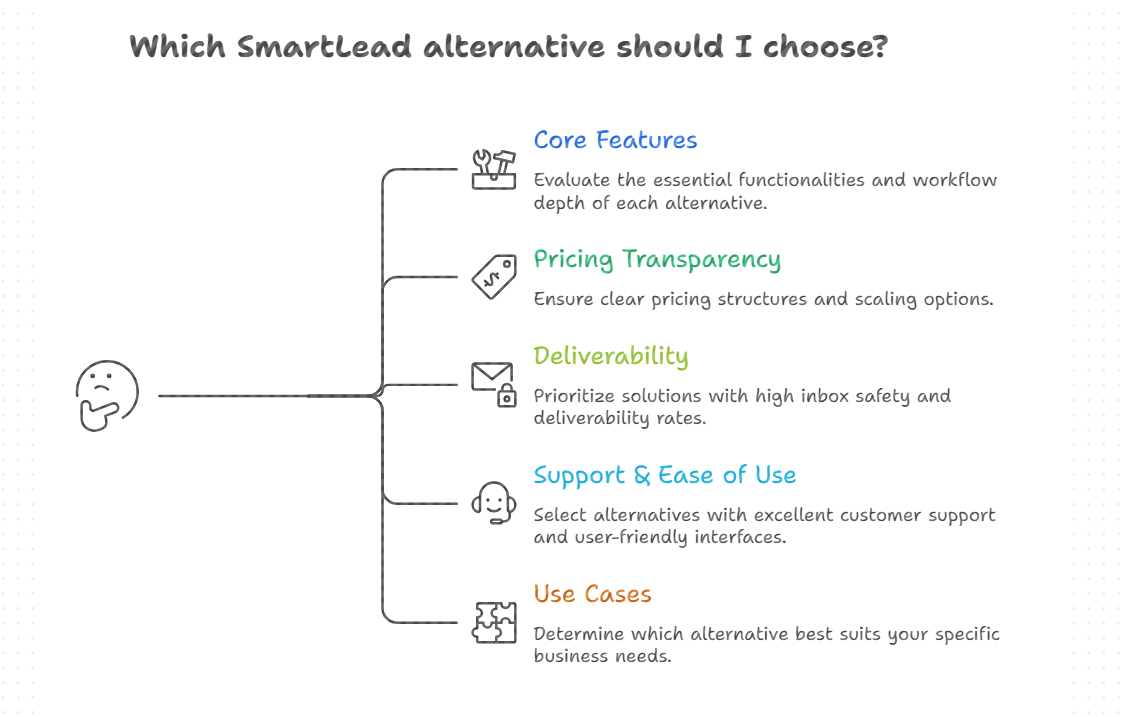
First, we looked at how much of the outbound workflow each tool can handle on its own. This includes lead search, data enrichment, email verification, campaign building, inbox rotation, AI replies, CRM sync, and reporting. Tools that reduce tool switching ranked higher because they simplify execution.
Pricing was another major factor. Many teams move to smartlead alternatives because costs rise quickly with credits, extra inboxes, or seat-based limits. We prioritized tools with predictable pricing, fair sending limits, and better value as outreach volume grows.
A tool is only useful if emails actually land in the inbox. That’s why we reviewed warmup quality, domain rotation, throttling controls, spam prevention, and inbox health visibility. Strong deliverability support is often the main reason users search for smart lead alternatives.
Fast onboarding and responsive support can make or break the experience. We compared setup speed, documentation, migration help, and customer support responsiveness to understand which tools help teams launch faster.
Finally, we considered who each tool is best for. Some platforms work better for agencies, while others are stronger for startups, SDR teams, recruiters, or enterprise sales workflows. This makes it easier to choose based on your exact growth stage and sales motion.
Now that you know what to look for in a Smartlead alternative, it’s time to compare the top options side by side.
Each tool below is evaluated using the same lens: features, pricing, support quality, and the type of user it fits best. This consistent format makes it easier for you to quickly scan differences, compare trade-offs, and shortlist the platform that matches your outbound workflow.
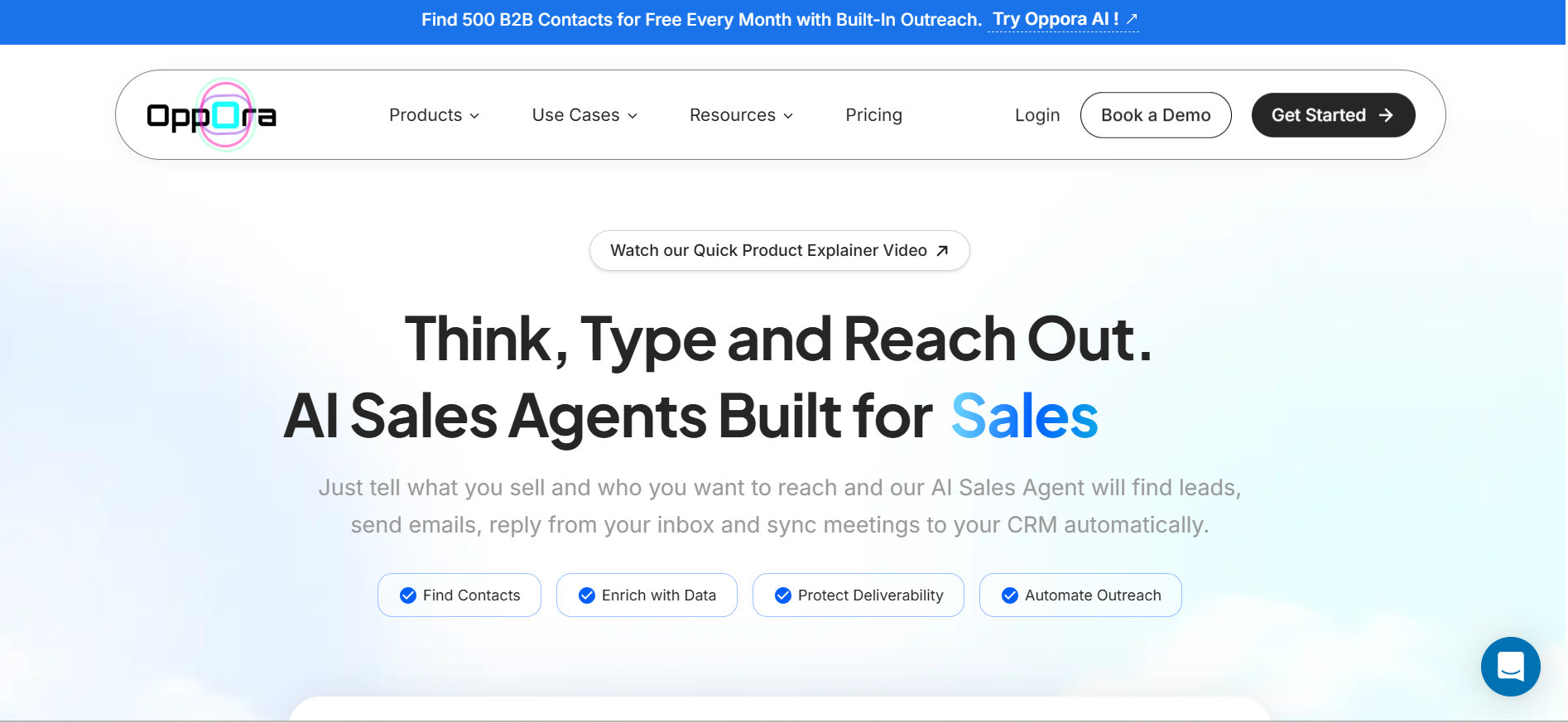
If you want a Smartlead alternative that replaces multiple outbound tools with one connected system, Oppora.ai stands out as the strongest choice.
Instead of stitching together lead databases, enrichment tools, inbox warm-up, CRM sync, and reply automation, you get one workflow where everything runs together.
From finding verified prospects to sending emails, handling replies, booking meetings, and updating your CRM, Oppora is built for autonomous campaign execution with minimal daily supervision.
Best Features
Oppora.ai keeps pricing much easier to understand than Smartlead-style tools that split costs across sending, data, warm-up, and usage credits.
Instead of paying separately for lead search, enrichment, mailbox warm-up, and outreach, you get one pricing structure for all sales tasks, which makes it far more predictable as you scale.
This pricing model is especially readable for buyers because you can choose based on how involved you want to be: self-serve, managed service, or feature-specific mini plans.
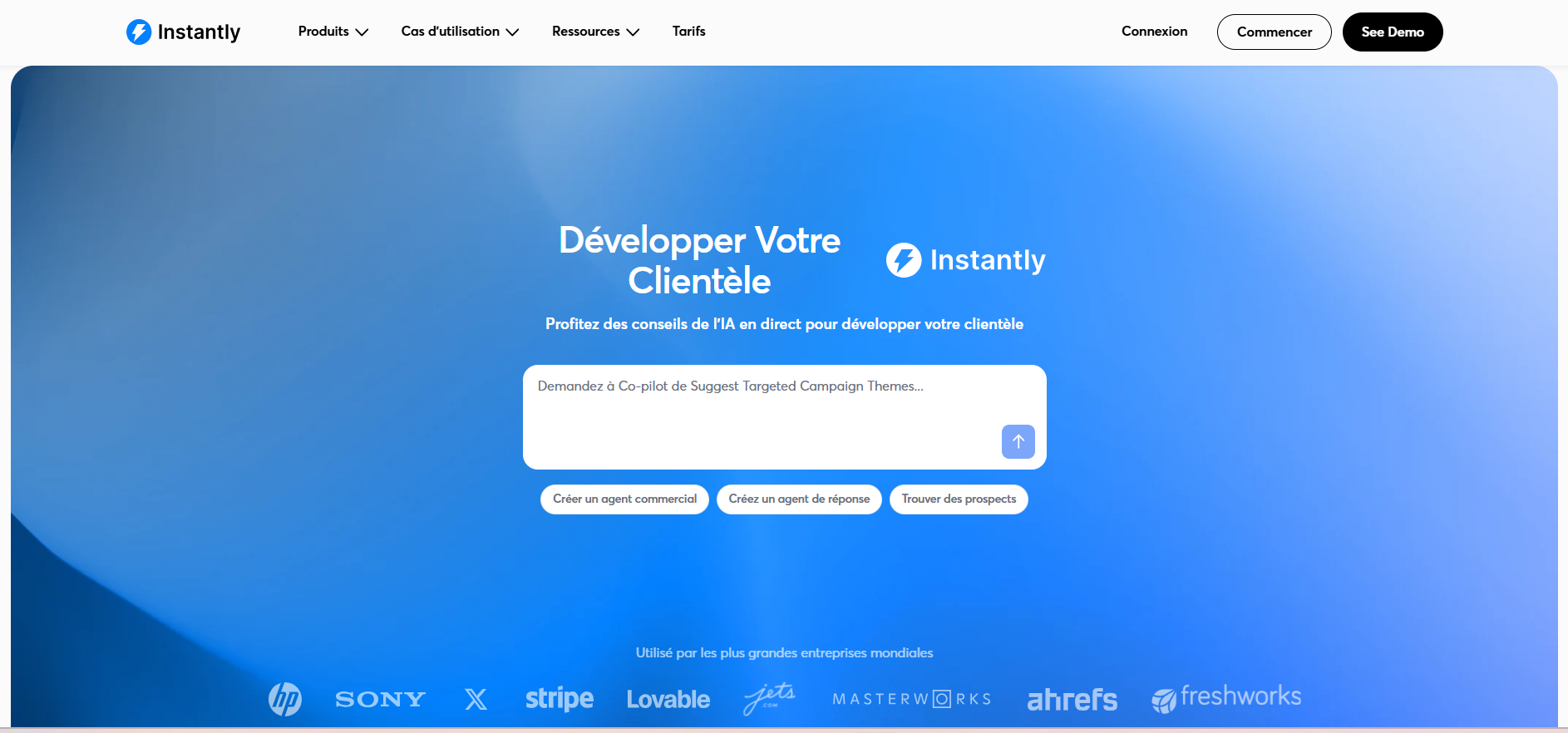
If your outbound motion is heavily centered around cold email volume, mailbox rotation, and warmup, Instantly is one of the strongest Smartlead alternatives to consider.
It shines with unlimited inbox scaling and strong sending infrastructure, which makes it ideal for agencies and SDR teams.
That said, if you need deeper lead data, advanced workflow automation, or autonomous reply handling, you may still need extra tools layered into your stack.
This makes Instantly a strong fit when your biggest priority is safe scale in cold email sending, but less ideal if you want an end-to-end outbound system in one workflow.
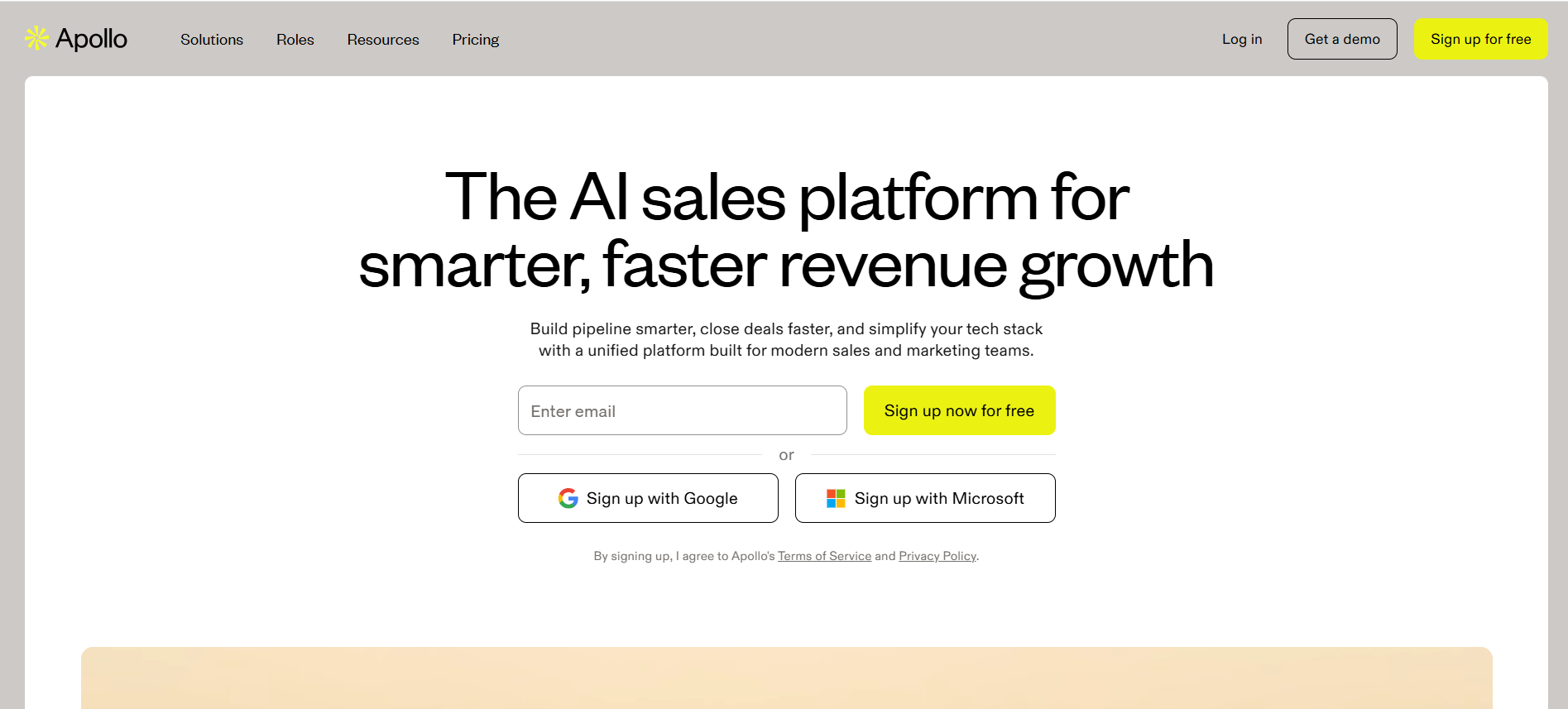
If your biggest priority is access to a massive B2B contact database plus built-in sequencing, Apollo is one of the most practical Smartlead alternatives.
It combines prospecting, enrichment, and outreach in one platform, making it strong for lean GTM teams.
Its tradeoff is seat-based pricing and credit-driven scaling, which can become expensive as your team, usage, and enrichment volume grow.
Apollo works especially well when you want database-first outbound with native sequences, but larger teams should factor in per-seat costs, credit usage, and add-ons before scaling aggressively.
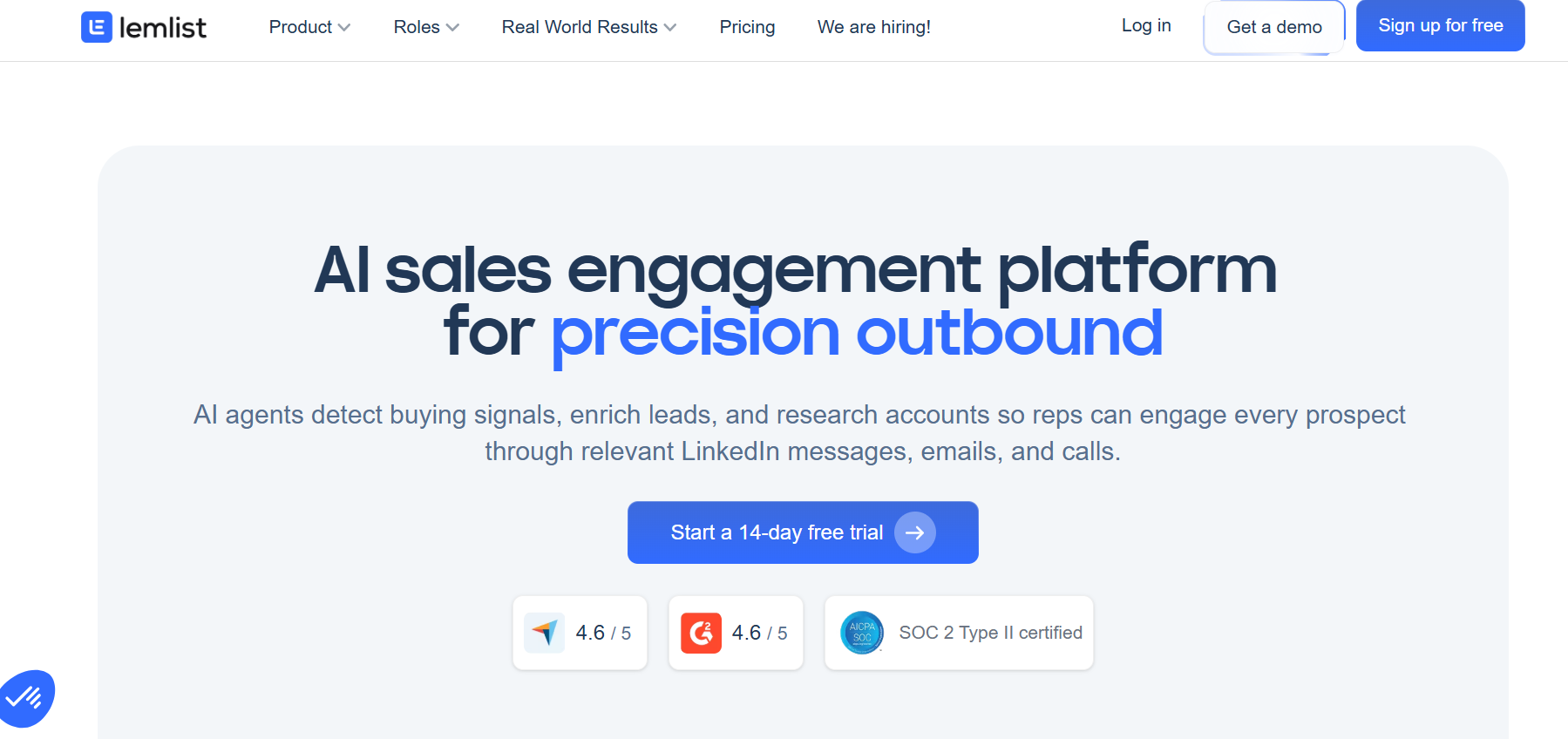
If your team cares about high-personalization outbound across email, LinkedIn, and calls, Lemlist is a strong Smartlead alternative.
It works especially well for sales teams running thoughtful multichannel sequences instead of pure volume-based sending.
Its biggest strength is making every touch feel more human, but because pricing is per user with channel-based upgrades, costs can rise quickly as larger teams add seats and sending capacity.
Lemlist is best when your strategy depends on personalization plus LinkedIn touchpoints, especially for founder-led sales, agencies, and SDR teams focused on reply quality over raw sending scale.
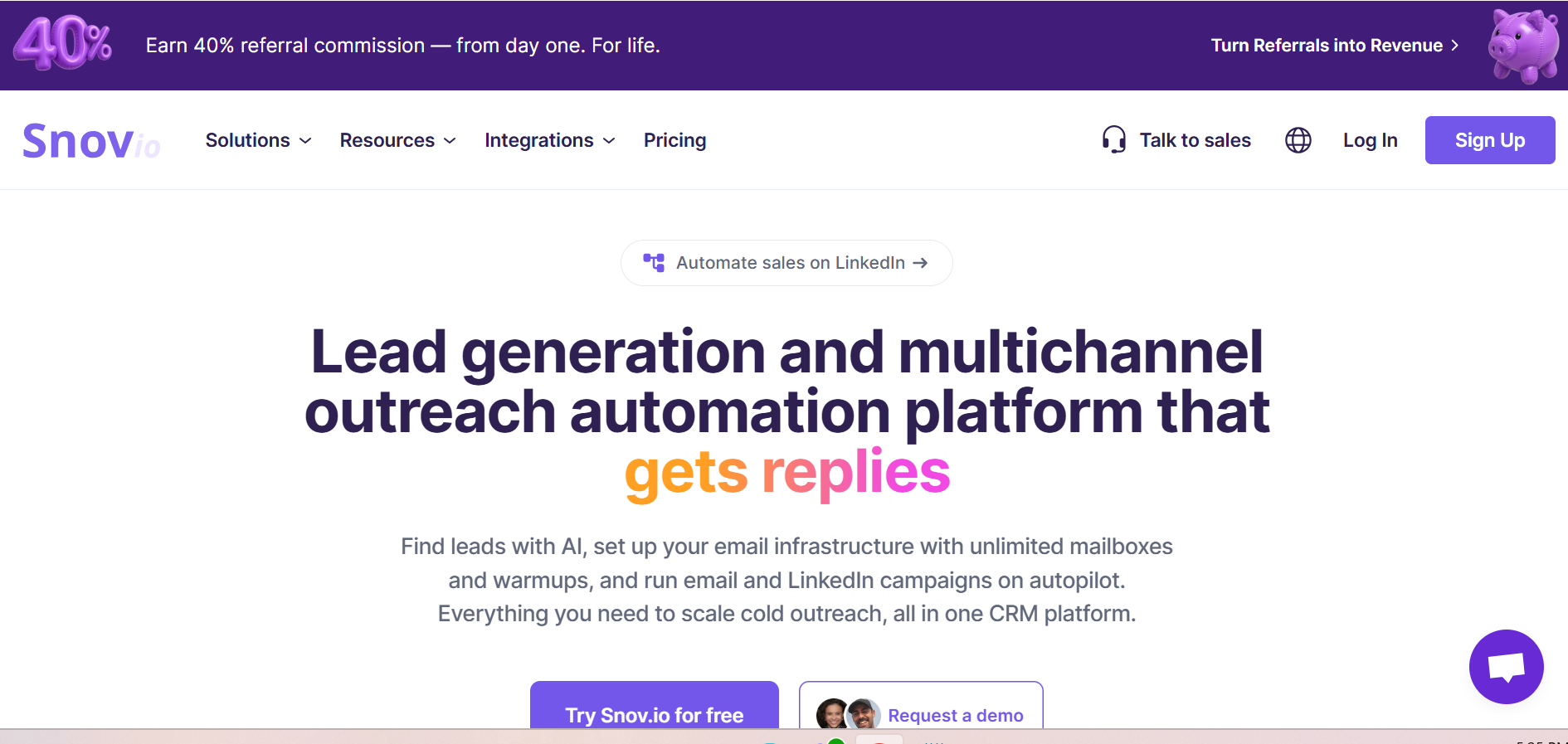
If you want lead finding, email verification, warmup, and outreach in one simple platform, Snov.io is a strong Smartlead alternative for SMBs and lean outbound teams.
It is especially popular because the workflow feels easy to set up without stitching multiple tools together.
Its biggest advantage is budget-friendly entry pricing with solid prospecting features, making it a practical choice for startups, agencies, and founder-led sales teams that want simplicity first.
Snov.io works best when you need an affordable all-in-one prospecting + outreach stack, especially if your team values ease of use over highly advanced workflow automation.
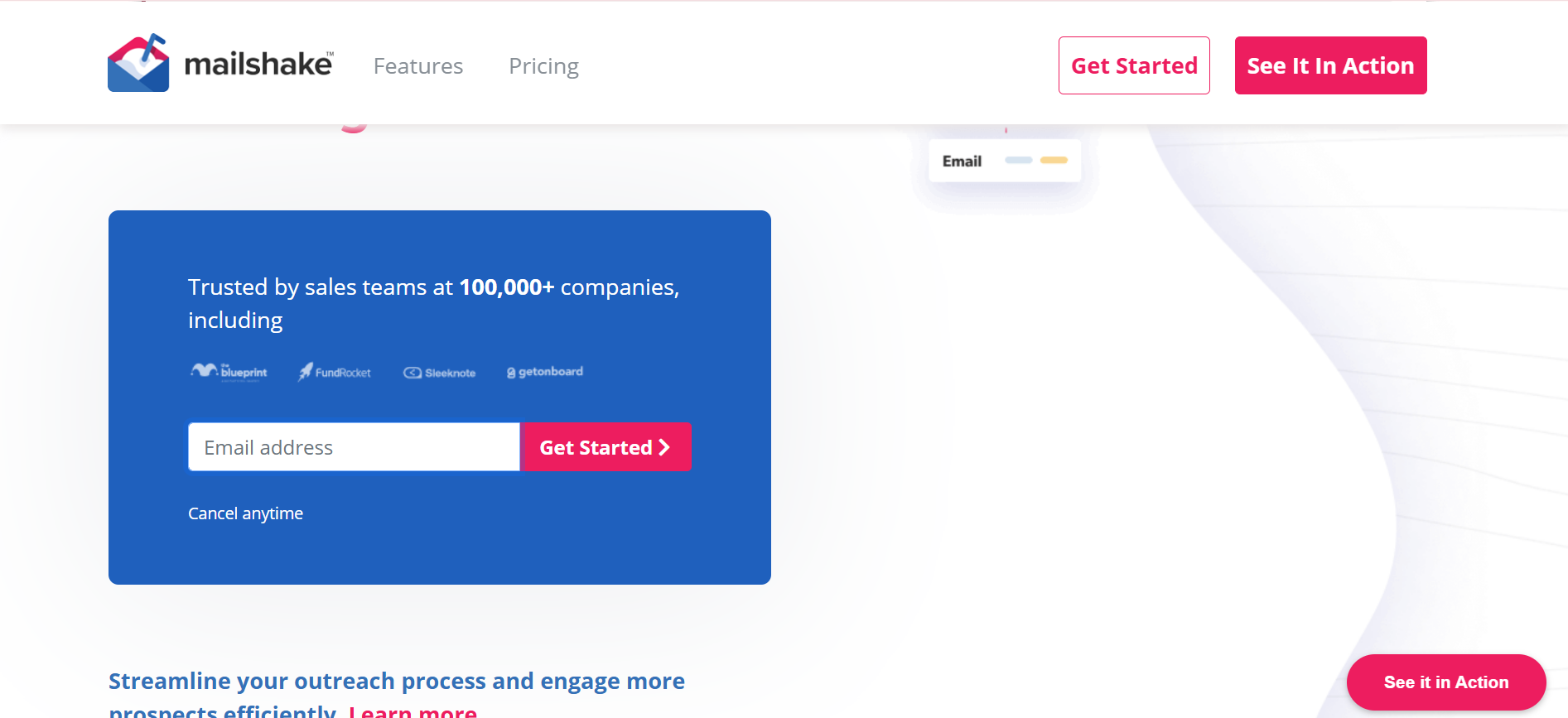
If your team wants simple cold email campaigns with fast onboarding, Mailshake is one of the easiest Smartlead alternatives to adopt.
It is especially strong for SMBs, agencies, and sales teams that value usability, built-in warmup, and dependable support resources.Its tradeoff is that while it now includes.
AI writing assistance, it still feels more like a classic sales engagement tool than a newer autonomous AI workflow platform, so advanced reply automation and agent-led execution may require extra tools.
Mailshake works best when you need clean UX, quick setup, and reliable multichannel basics, but it may feel limited if your priority is AI-first automation and deeper workflow intelligence.
Suggested Reading:
11 Lusha Alternatives for 2026: Better Data, Pricing & Accuracy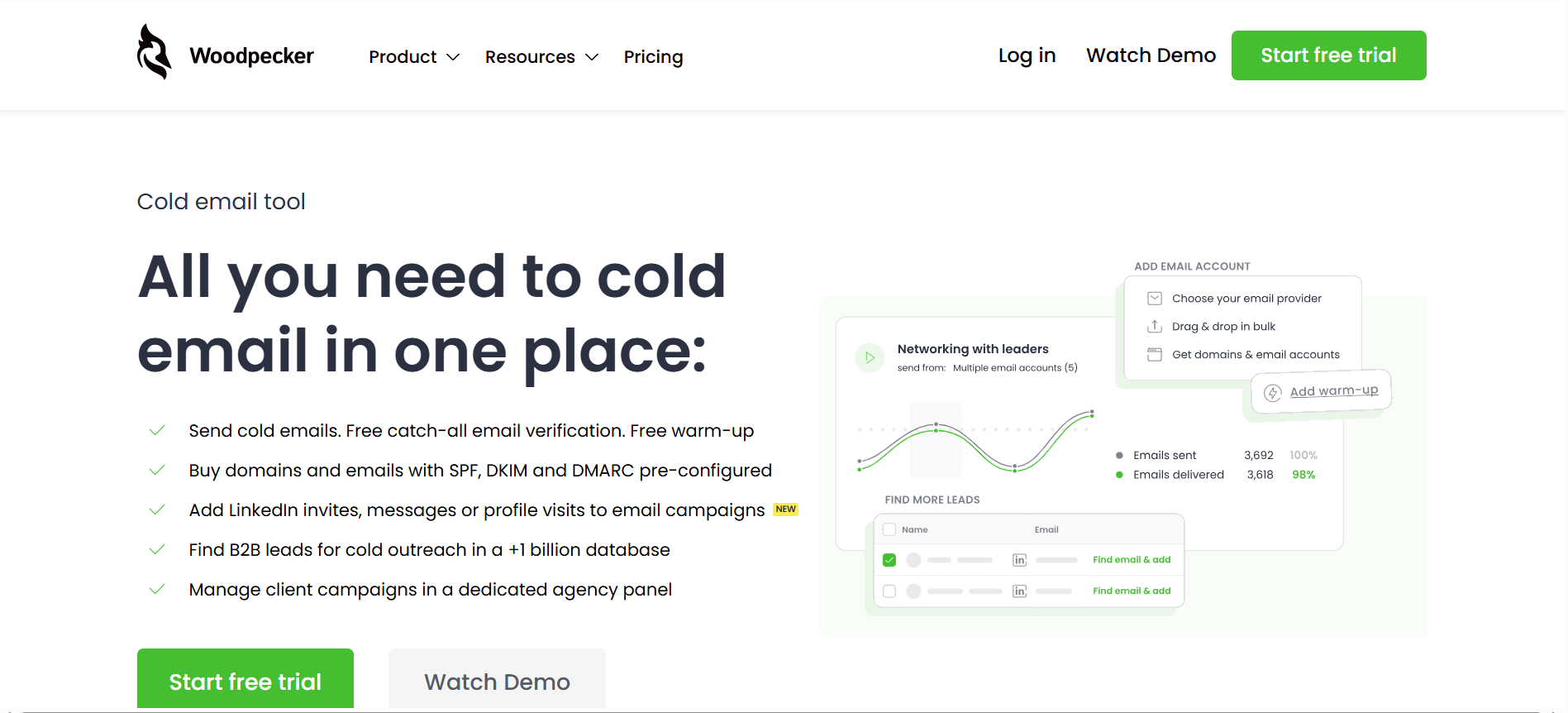
Woodpecker is a strong Smartlead alternative for smaller outbound teams that care deeply about deliverability, reply detection, and reliable follow-up automation.
Its clean UX and condition-based sequences make it easy to run consistent cold email without overcomplicating setup.
The platform is especially useful when you want dependable automation basics, inbox rotation, and AI-powered interest detection, while keeping workflows simple for lean sales teams.
Woodpecker works best when your priority is deliverability-first cold email with clean automation controls, especially for boutique agencies and founder-led outbound teams.
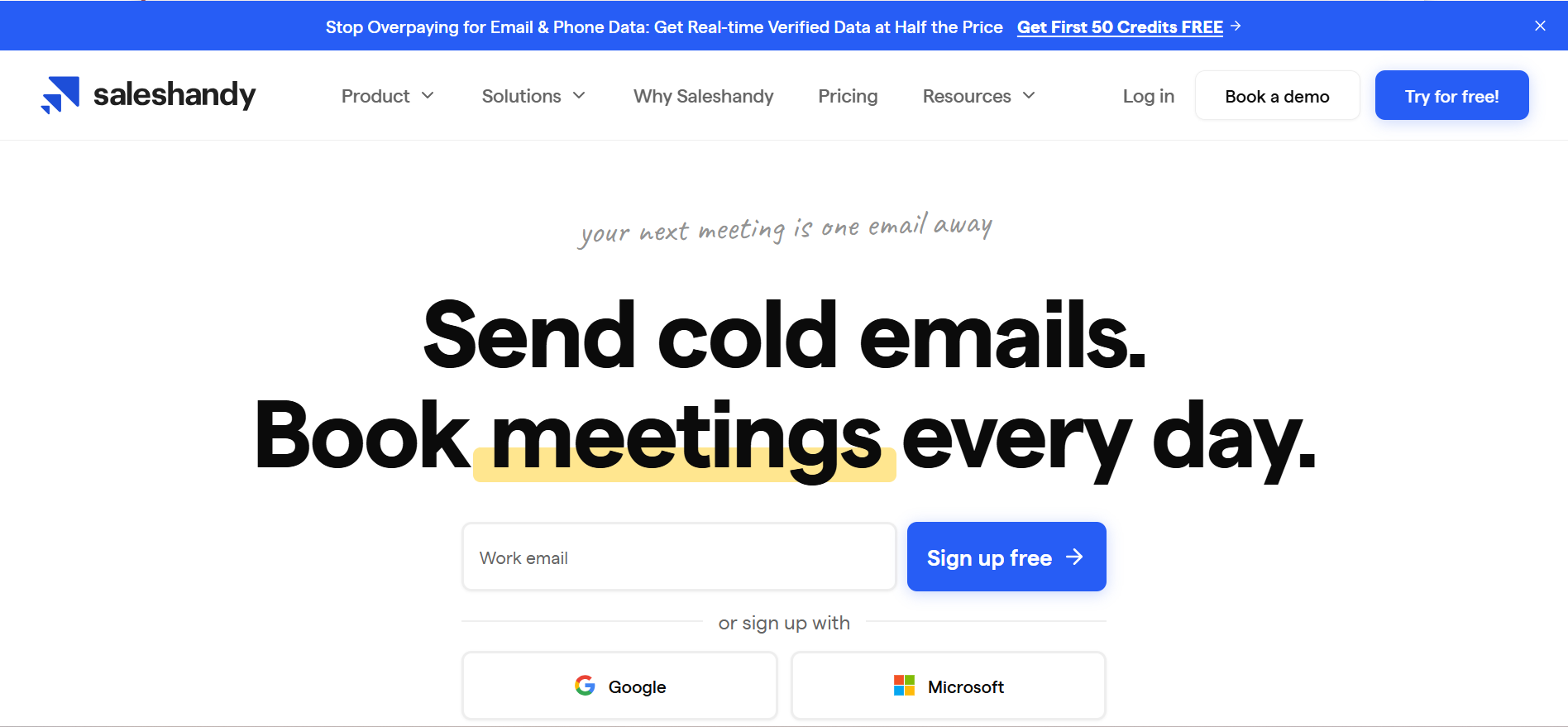
If you need a budget-friendly Smartlead alternative that scales mailbox volume well, Saleshandy is one of the best options for growing outbound teams.
It offers mailbox rotation, warmup, verification, and large active prospect limits without forcing early enterprise pricing.
Its limitation is that while it performs strongly for email infrastructure and scale, it still falls short on deeper AI agents, autonomous reply workflows, and advanced multi-step sales logic compared with newer AI-first platforms.
Saleshandy is ideal when you want high sending volume at a lower cost, especially for agencies, SDR teams, and lead-gen operators focused on cold email throughput.
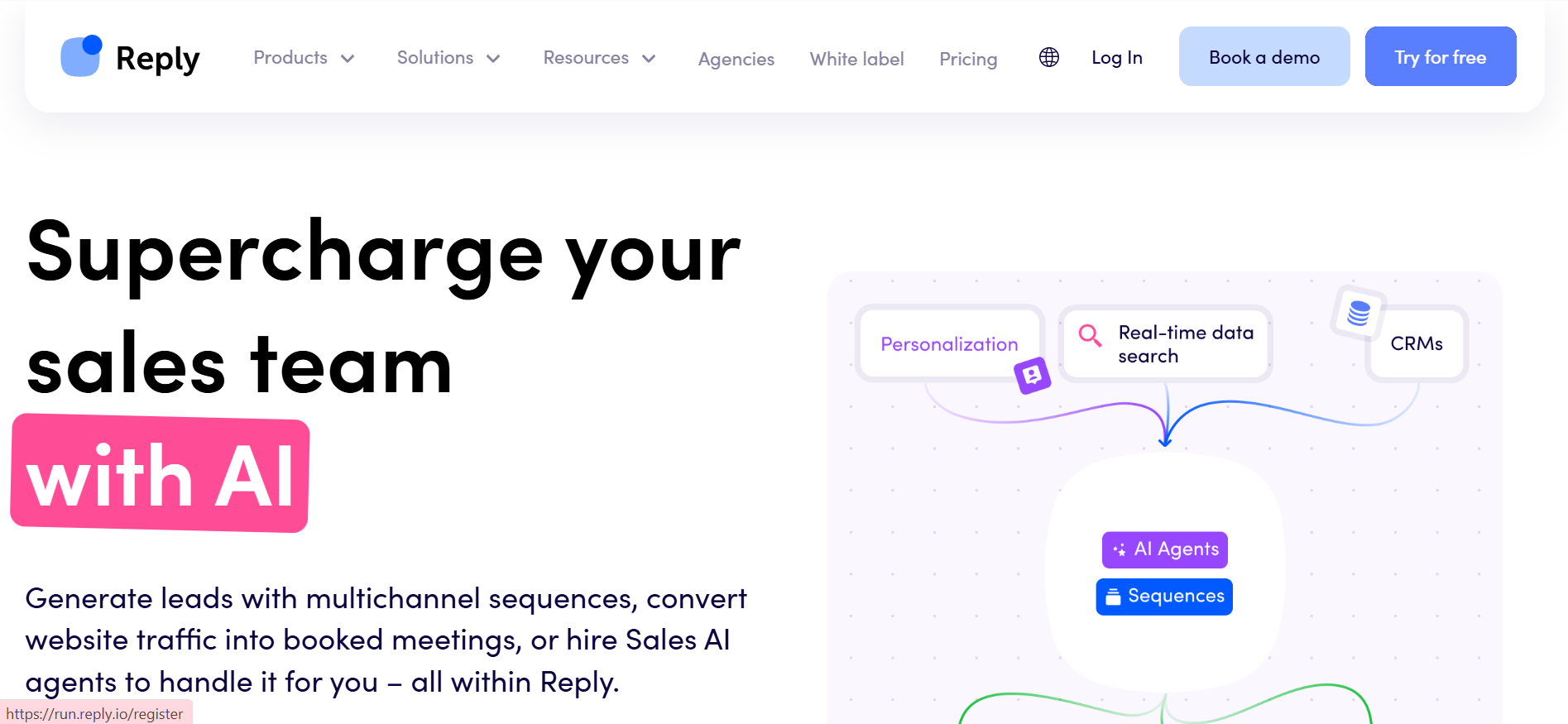
Reply.io is best for teams that want true multichannel sequences across email, LinkedIn, calls, and SMS.
It gives SDR teams stronger workflow depth with task flows, centralized inboxes, AI SDR options, and deeper sequence branching than most pure cold email tools.
That makes it especially useful when your outbound motion depends on sales engagement discipline rather than only email scale.
Reply.io is a strong fit for SDR-heavy workflows and multichannel prospecting, though costs can rise fast once you add channels, users, and AI SDR capabilities.
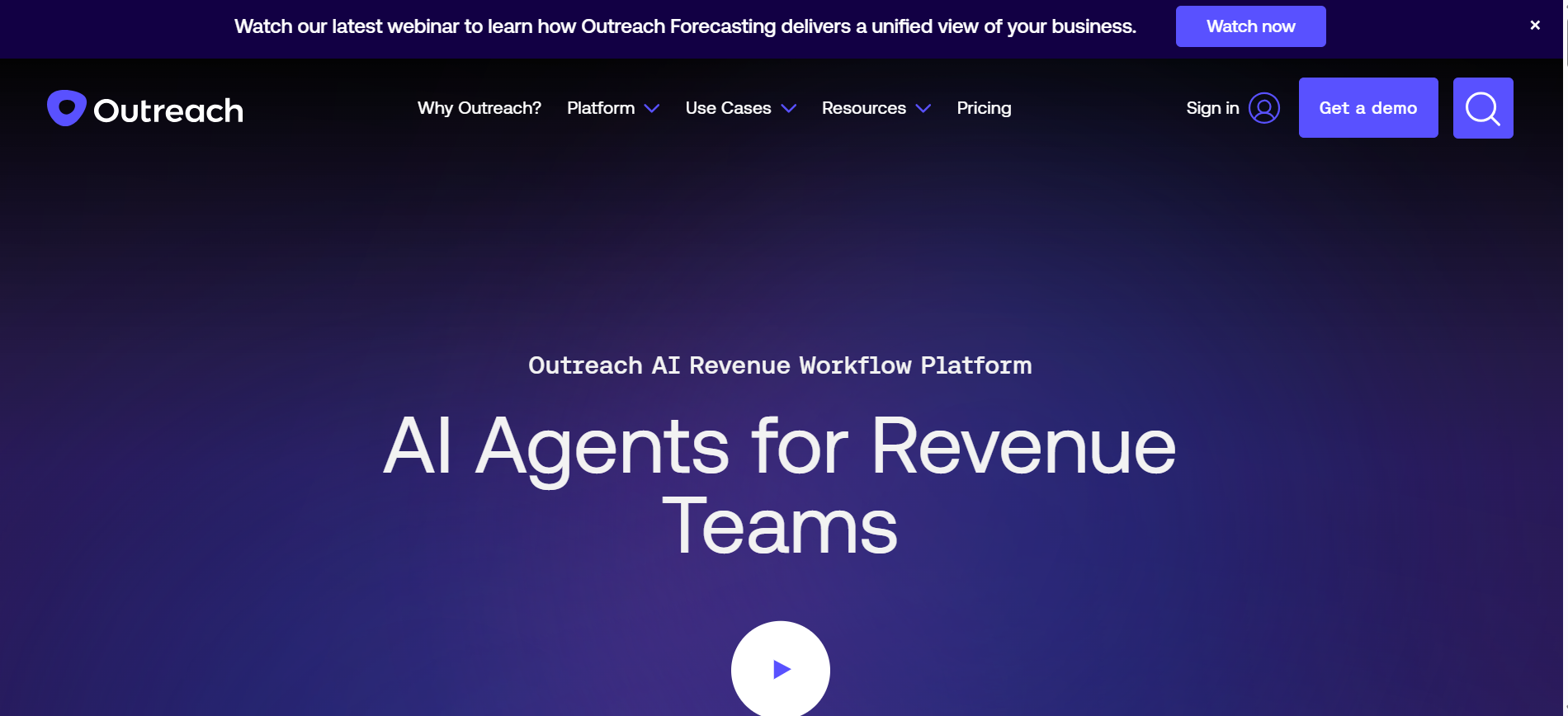
Outreach is an enterprise-grade Smartlead alternative built for SDR process control, forecasting visibility, and advanced reporting.
It is best suited for larger sales organizations that need strict sequence governance, manager oversight, and predictable rep workflows.
Its tradeoff is higher contract pricing, implementation-heavy onboarding, and longer time-to-value, which can make it excessive for lean startups or founder-led outbound teams.
Outreach works best when your outbound engine depends on process standardization, coaching, and reporting across larger SDR teams.
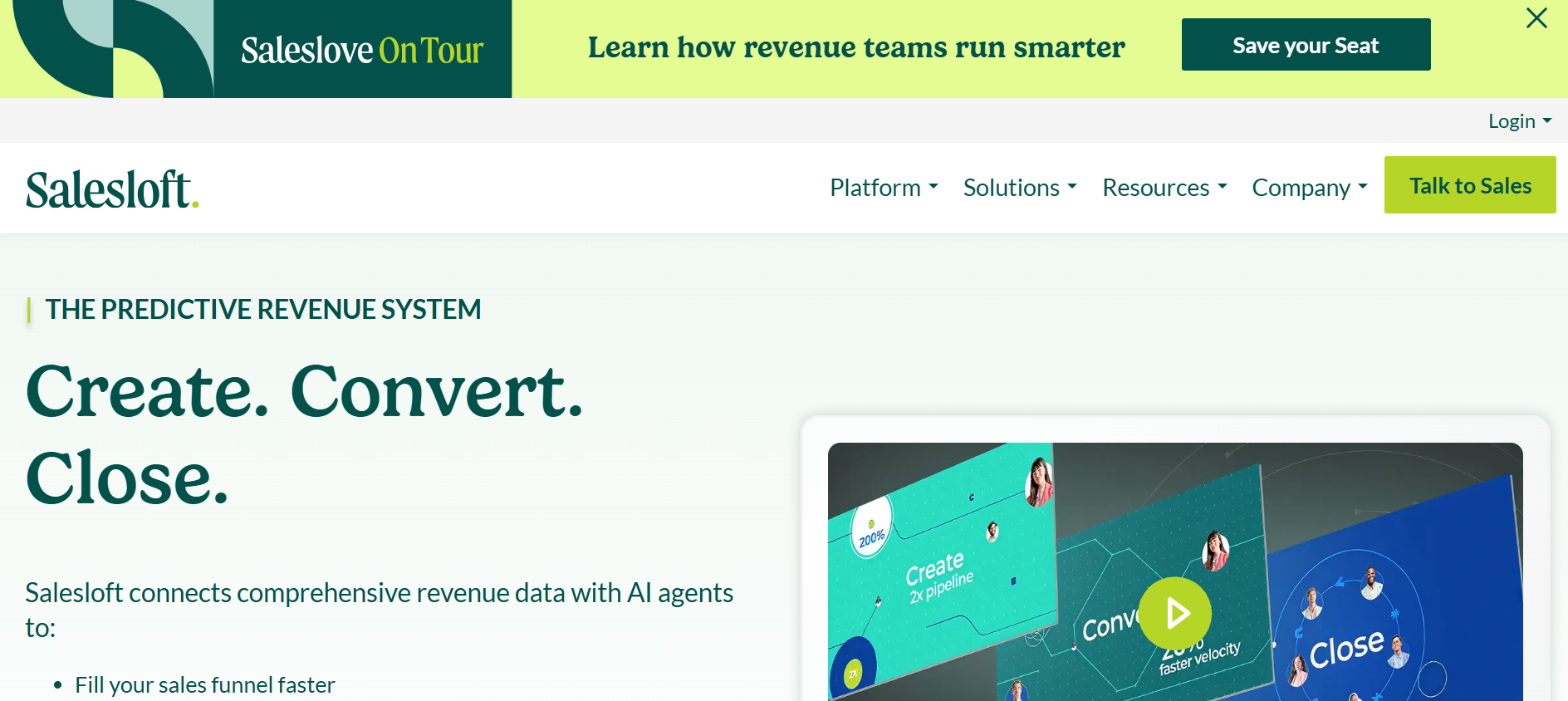
Salesloft is another enterprise sales engagement platform known for advanced analytics, coaching workflows, and revenue team alignment.
It is especially strong for organizations that want cadence control, rep coaching, pipeline inspection, and manager-level visibility.
Because of its enterprise depth, it is usually a better fit for larger revenue teams than lean startups, where implementation speed and lower-cost flexibility matter more.
Salesloft is ideal when your priority is enterprise coaching plus sales execution consistency, not lightweight cold email alone.
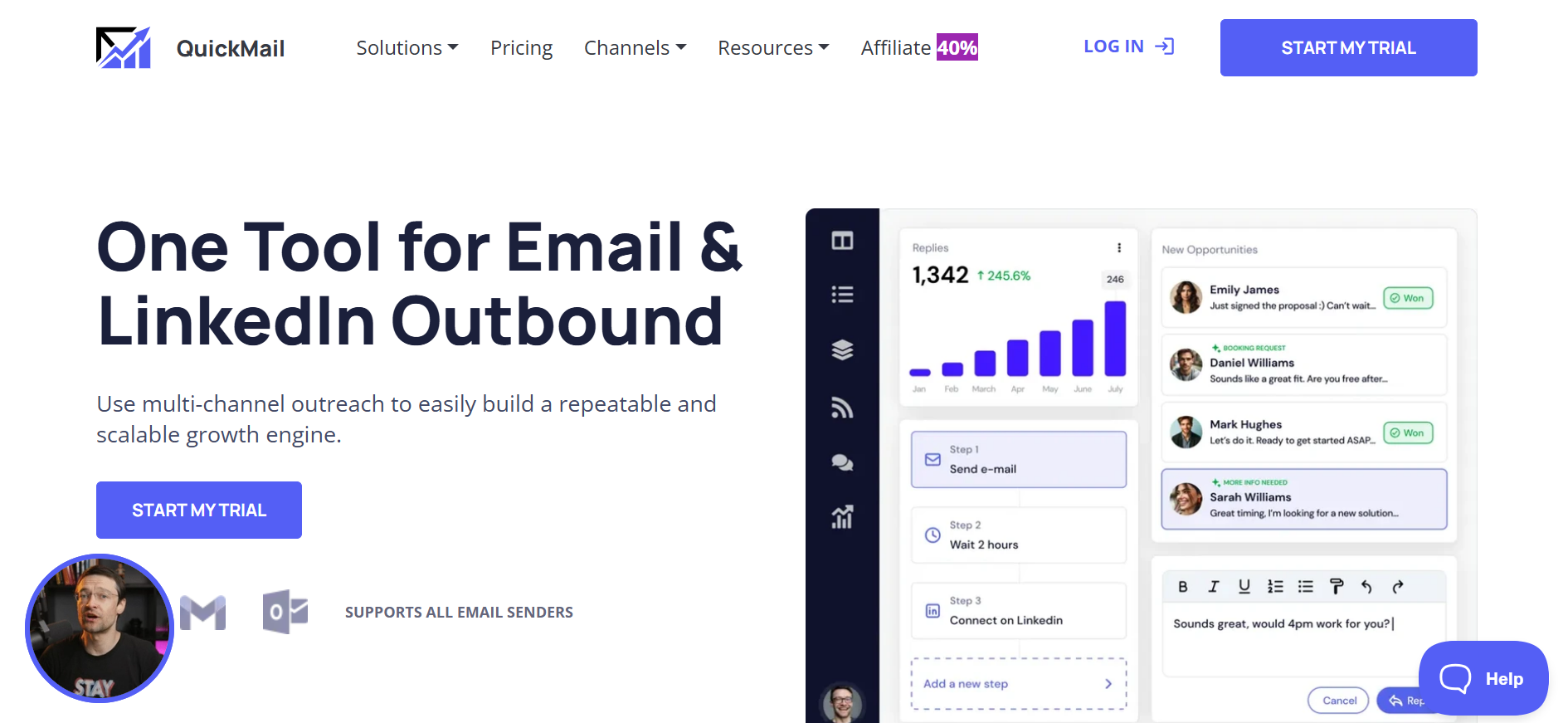
QuickMail is a lightweight Smartlead alternative focused on cold email deliverability, inbox rotation, and dependable automation basics.
It is a strong fit for small agencies, consultants, and lean outbound operators who want simple workflows without enterprise complexity.
Its biggest advantage is that it stays focused on deliverability and sequence reliability, rather than expanding into heavy CRM or SDR management layers.
QuickMail is best when you need straightforward cold email automation with clean deliverability controls, especially for simple outreach workflows and smaller teams.
The best Smartlead alternative really depends on how your outbound workflow operates today and how you plan to scale it tomorrow.
If you need sending scale, tools like Instantly or Saleshandy work well. If lead data and sequencing matter more, Apollo or Snov.io may be better. For AI replies, autonomous workflows, and agency-style execution, newer systems like Oppora.ai fit better.
A practical way to choose is by evaluating workflow simplicity, support quality, multichannel needs, and long-term seat or inbox scaling costs, not just the starting price.
If you prefer plug-and-play sending, go with tools focused on email infrastructure. If you need data + outreach together, choose all-in-one platforms. For long-term scale with less manual work, prioritize tools that combine automation, personalization, and workflow control in one system.
Apollo offers one of the largest B2B databases, while Snov.io provides solid email finding and verification features. Oppora goes further by combining verified lead data with AI-driven outreach workflows, so you don’t need separate tools for sourcing and execution.
Tools like Instantly and Saleshandy work well for high-volume client outreach, while platforms like Oppora offer automated workflows, shared inboxes, and centralized reporting, making it easier to manage multiple clients without increasing manual effort.
Yes, there are several budget-friendly Smartlead alternatives depending on your needs. Saleshandy and Snov.io offer strong entry-level pricing for email outreach and prospecting. Oppora can also be cost-effective long term because it replaces multiple tools with one automated workflow, reducing the need for extra subscriptions as you scale.
Reply.io includes AI SDR capabilities for handling conversations, while Oppora.ai goes further with autonomous reply handling, qualification, and meeting booking directly from your inbox, making it a stronger fit for fully automated outbound workflows.
Summarize with AI
Share