Home
Blog
Find 500 B2B Contacts for Free Every Month with Built-In Outreach.
Home
Blog
Stephen Parker
Published March 26, 2026
11 min
Try Oppora AI
Create Self-Running Agentic Sales Workflows like N8N just by chatting with AI
Get Started for FREE
Business development today depends on speed and accuracy, especially when you’re managing multiple conversations and opportunities at once.
You’re often using different tools for prospecting, outreach, follow-ups, and tracking deals, which makes your workflow more complex than it needs to be.
The real challenge is not about adding more tools, but choosing the right AI tools for business development that actually improve execution.
This is where AI makes a clear difference by helping you automate repetitive tasks, improve targeting, and personalize outreach without slowing down.
In this guide, you’ll discover the best AI tools for business development across every key function so you can build a smarter and more efficient system.
Business development is not handled by a single tool, but by a combination of tools that each solve a specific part of the process.
When you understand these categories clearly, it becomes easier to choose the right ai tools for business development based on how your workflow is structured.
Instead of stacking random tools, you can build a system where each tool supports a specific stage, making your execution faster and more predictable.
These tools help you track deals, manage relationships, and maintain visibility across your entire sales pipeline.
They ensure you don’t lose opportunities by organizing interactions, tracking deal stages, and helping you prioritize the right accounts at the right time.
Lead generation tools focus on helping you find the right companies and decision-makers based on your ideal customer profile.
They also enrich your data with verified emails, company details, and insights so your outreach is targeted and relevant.
These tools handle how you connect with your prospects through email sequences, follow-ups, and multi-step campaigns.
They help you scale outreach while still maintaining personalization, which is critical for getting replies and building trust.
Calling tools allow you to reach prospects directly, especially when email alone is not enough to move conversations forward.
They often include features like local number dialing, call tracking, and analytics to improve your connection rates.
Scheduling tools remove the back-and-forth involved in booking meetings by allowing prospects to choose available time slots instantly.
This helps you reduce friction in the process and ensures you don’t lose momentum after initial interest is shown.
These tools automatically record, transcribe, and summarize your meetings so you don’t miss important details.
They help you focus on the conversation while still capturing key insights, action points, and follow-ups.
AI writing tools assist in creating emails, messages, and content that feel personalized without requiring manual effort for each prospect.
They help you maintain consistency while improving the quality of communication across your entire outreach process.
Business development involves multiple moving parts, from finding leads to closing deals and managing relationships.
This list covers the best ai tools for business development across each stage, helping you improve execution without relying on disconnected tools.
Instead of overwhelming your stack, these tools are selected based on how well they solve specific problems and improve overall workflow efficiency.
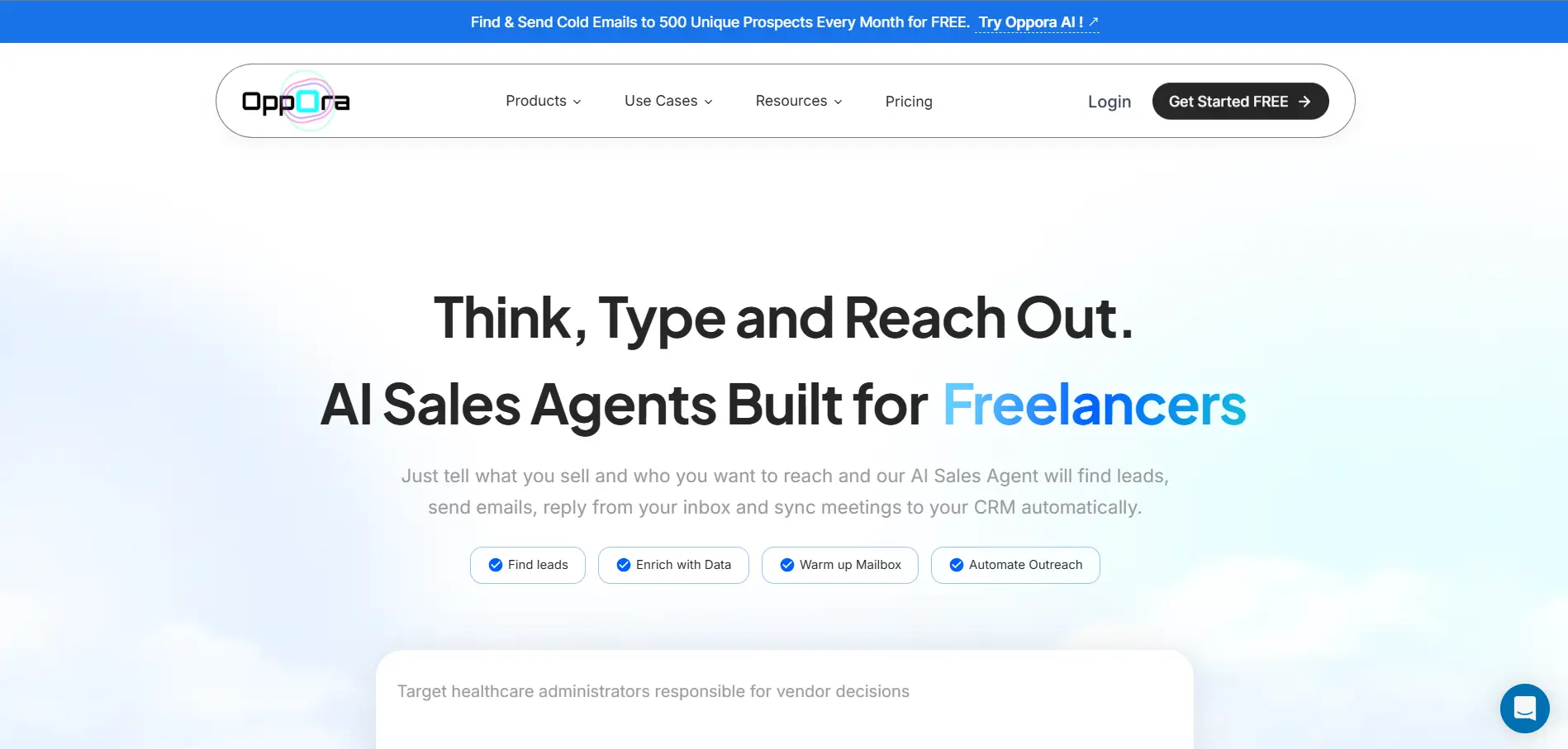
If you’re managing multiple tools for lead generation, outreach, and follow-ups, things quickly become fragmented and hard to scale.
This is where an all-in-one platform like Oppora changes how your entire business development workflow operates.
Oppora combines lead generation, outreach, follow-ups, and meeting booking into one continuous system powered by AI agents that execute tasks without constant input.
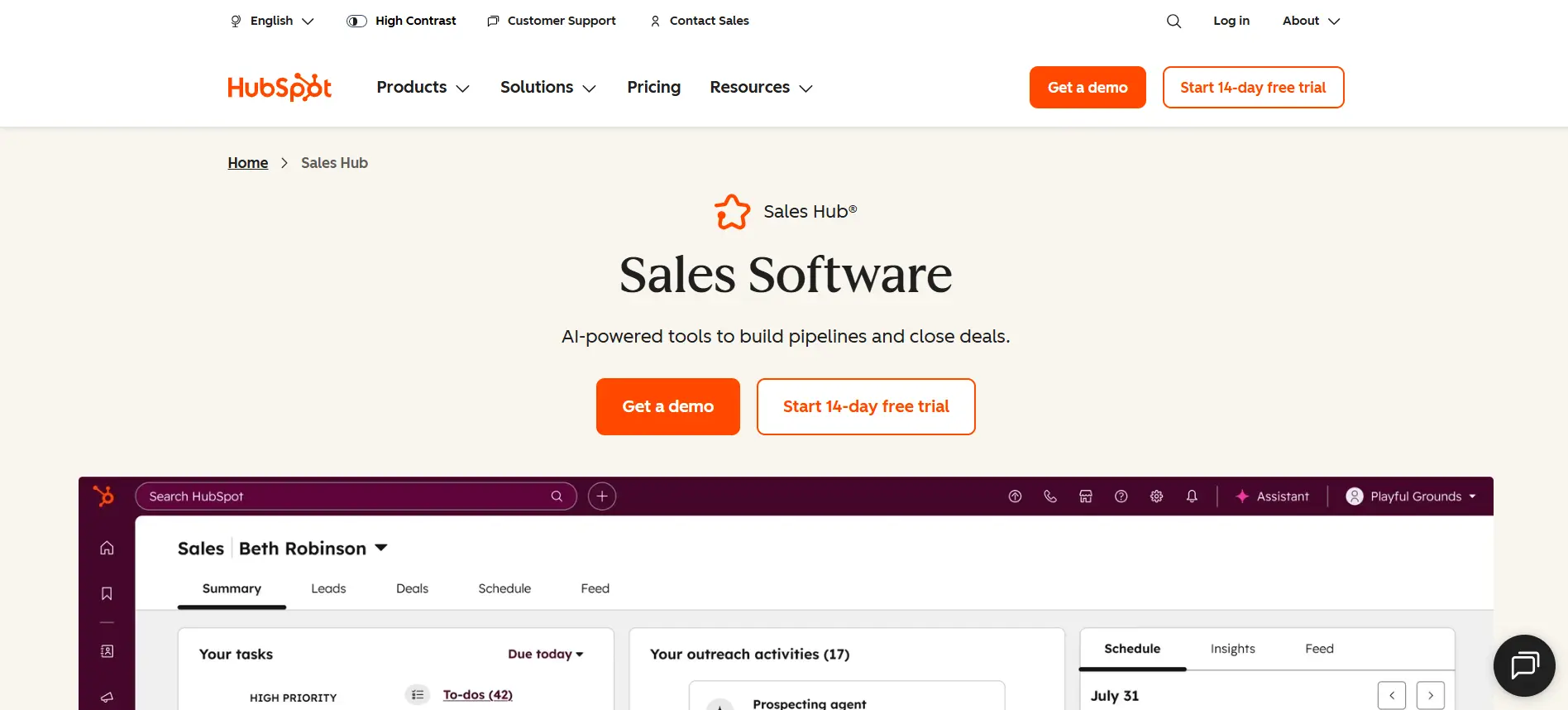
Managing deals without a clear structure often leads to missed follow-ups and poor visibility across your pipeline.
HubSpot helps you organize contacts, track deals, and manage your entire sales process with built-in automation and AI insights.
It combines CRM, marketing, and sales tools in one platform, making it easier to manage relationships and track progress.
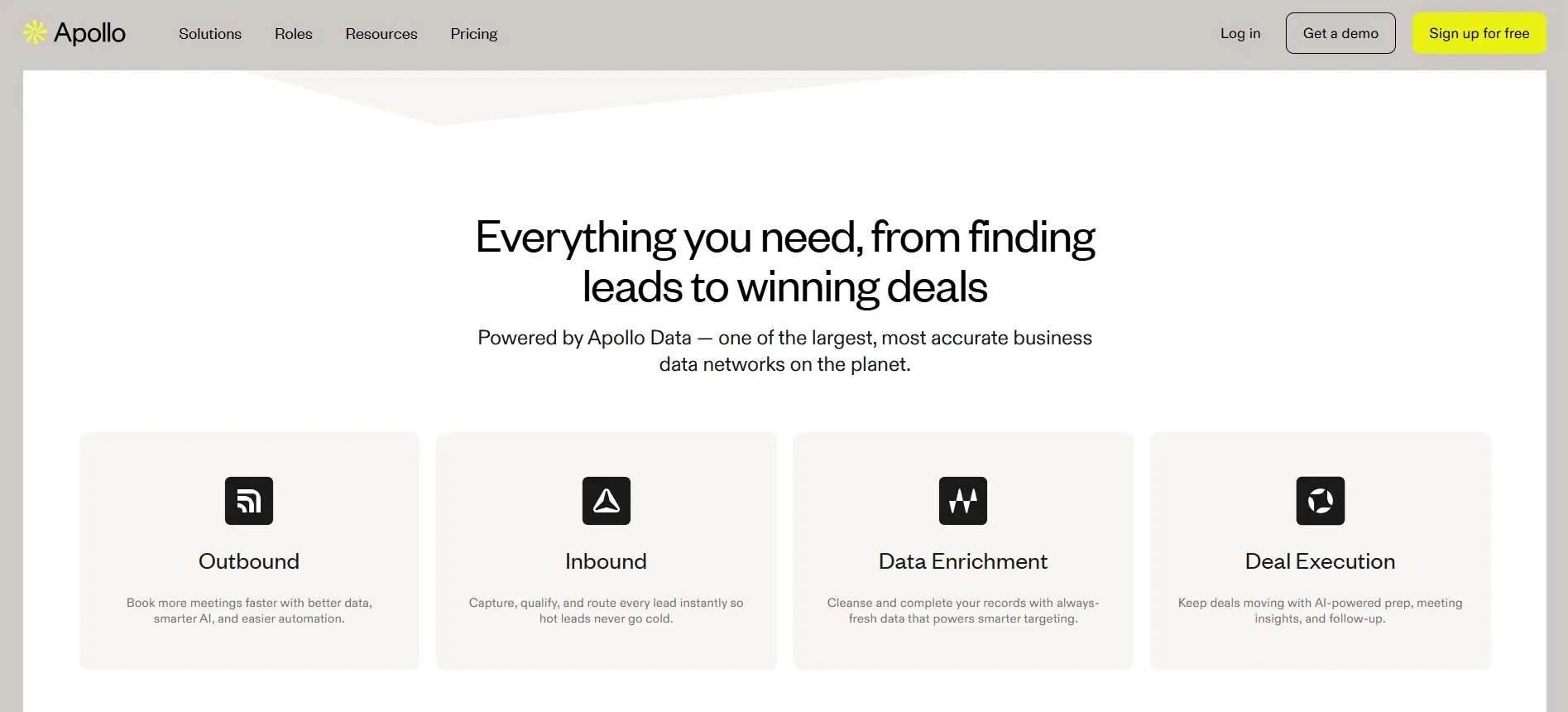
Finding high-quality leads consistently is one of the biggest challenges in business development.
Apollo.io helps you discover prospects, access verified contact data, and build targeted lists based on your ideal customer profile.
It also combines prospecting with outreach, making it easier to move from research to execution quickly.
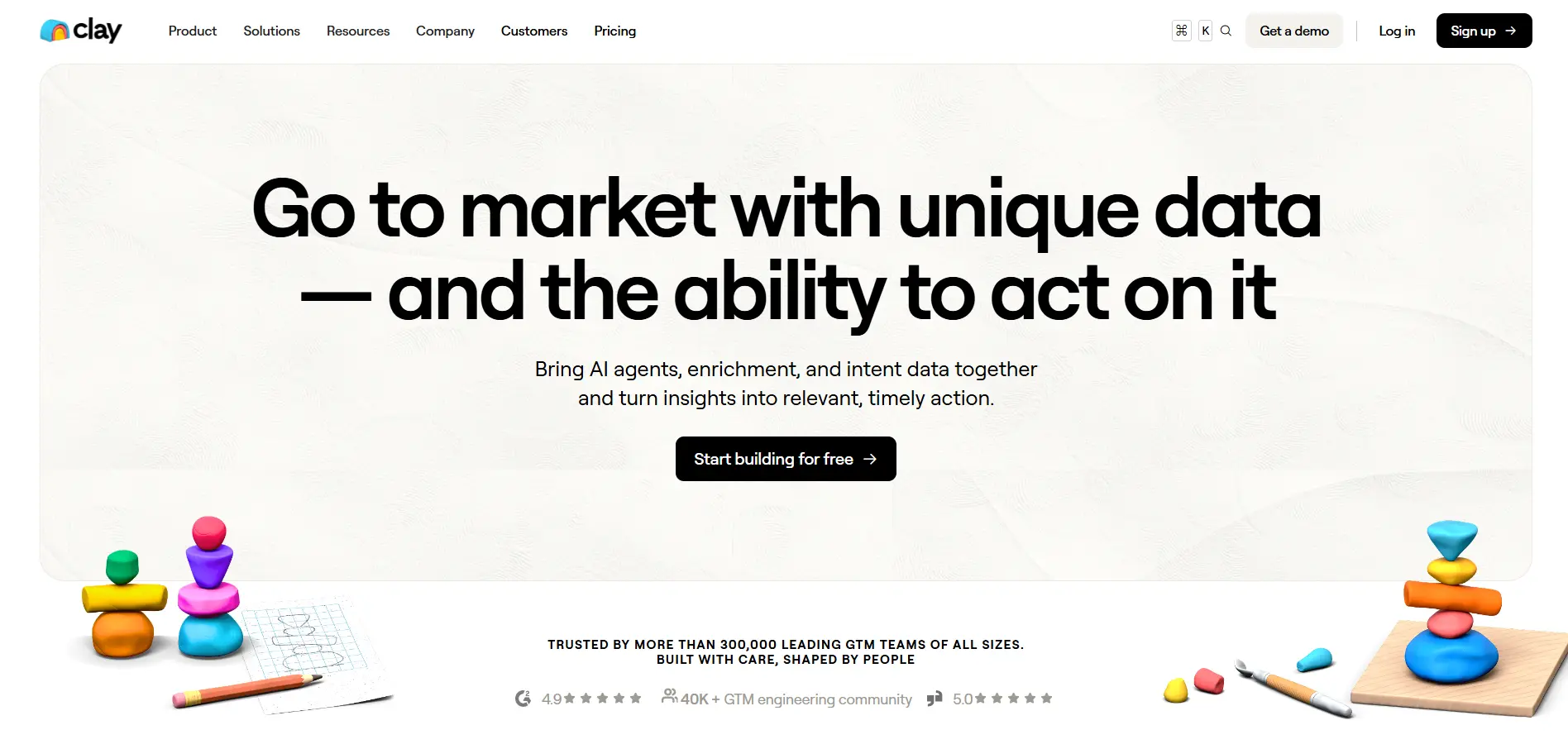
Raw lead data often lacks the depth needed for effective outreach and personalization.
Clay helps you enrich, clean, and automate your data workflows by pulling information from multiple sources.
It allows you to build custom workflows that turn scattered data into actionable insights.
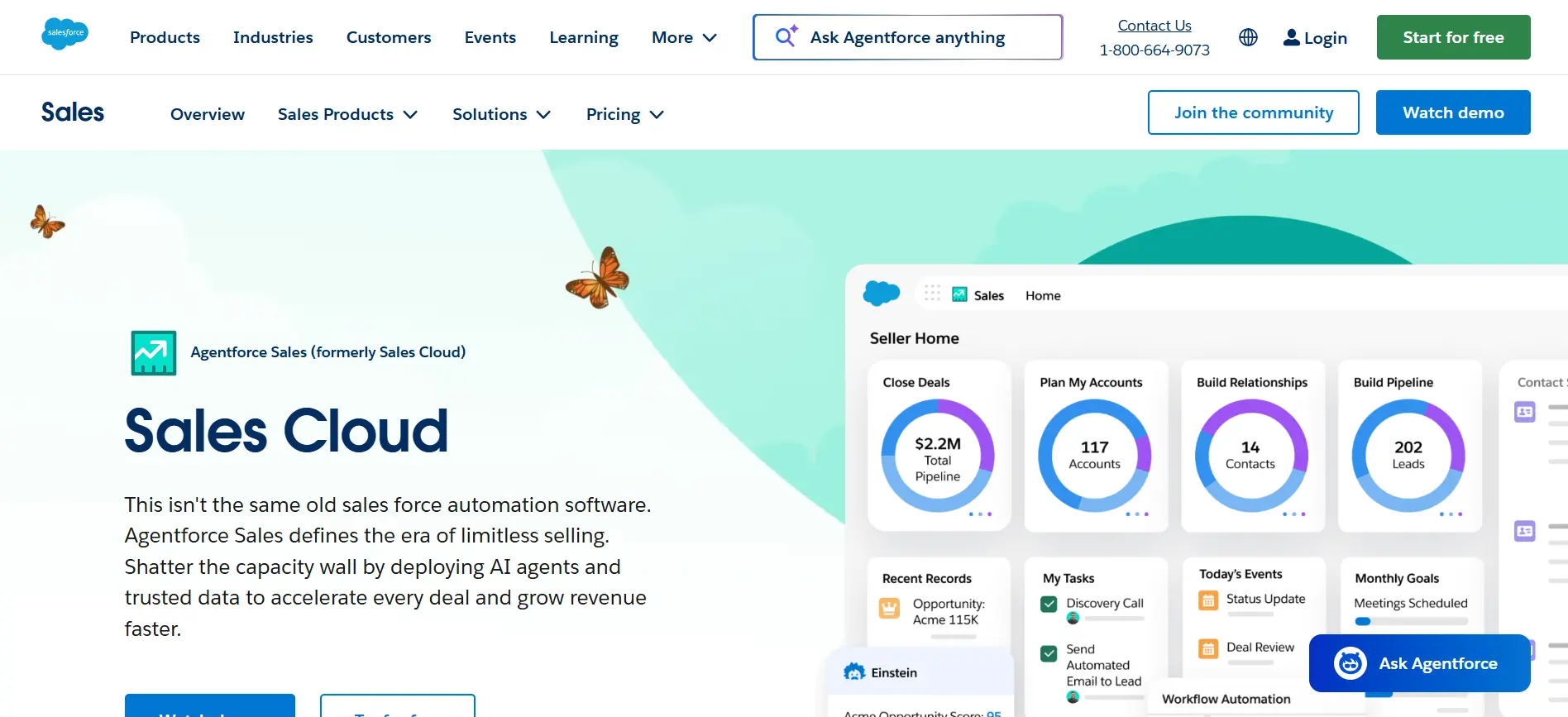
As your business grows, managing complex pipelines requires deeper insights and automation.
Salesforce Einstein brings AI capabilities into Salesforce, helping you predict outcomes and prioritize deals.
It’s designed for enterprises that need advanced analytics and scalable CRM systems.
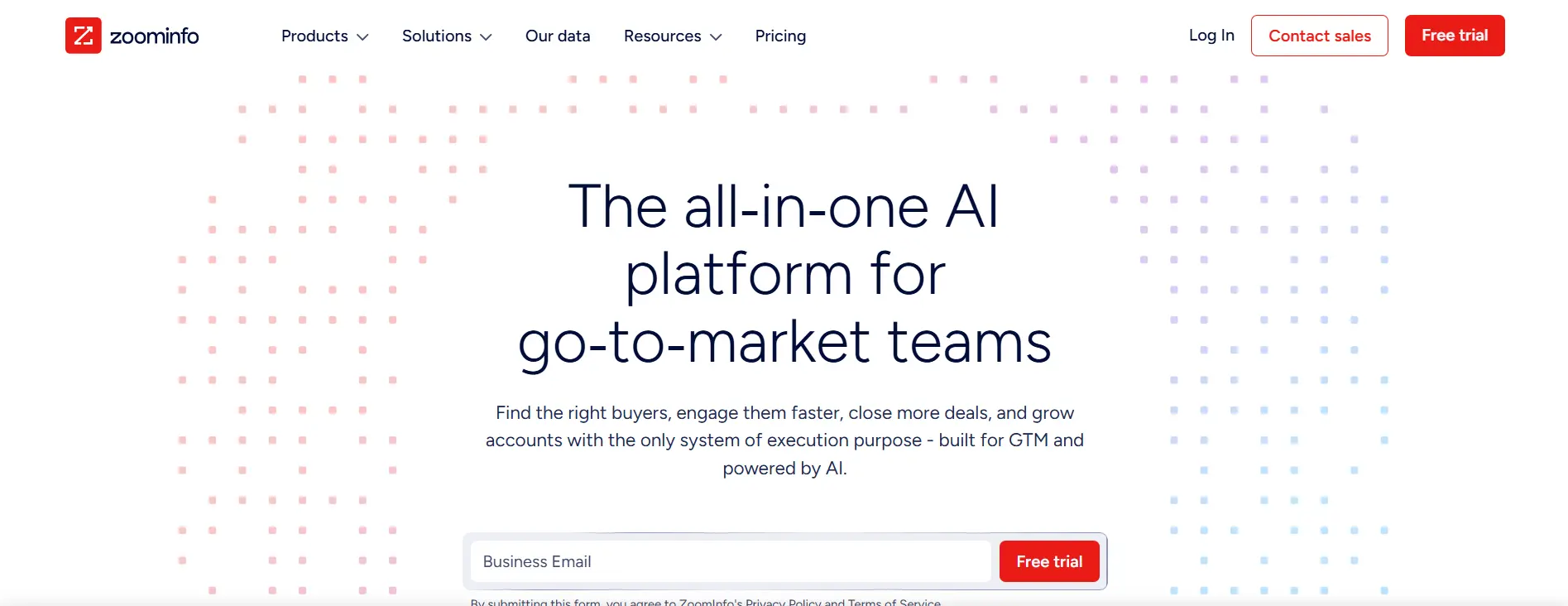
Targeting the right accounts requires access to accurate and detailed business data.
ZoomInfo provides deep company insights and verified contact data to improve targeting and segmentation.
It’s widely used for account-based sales and large-scale prospecting.
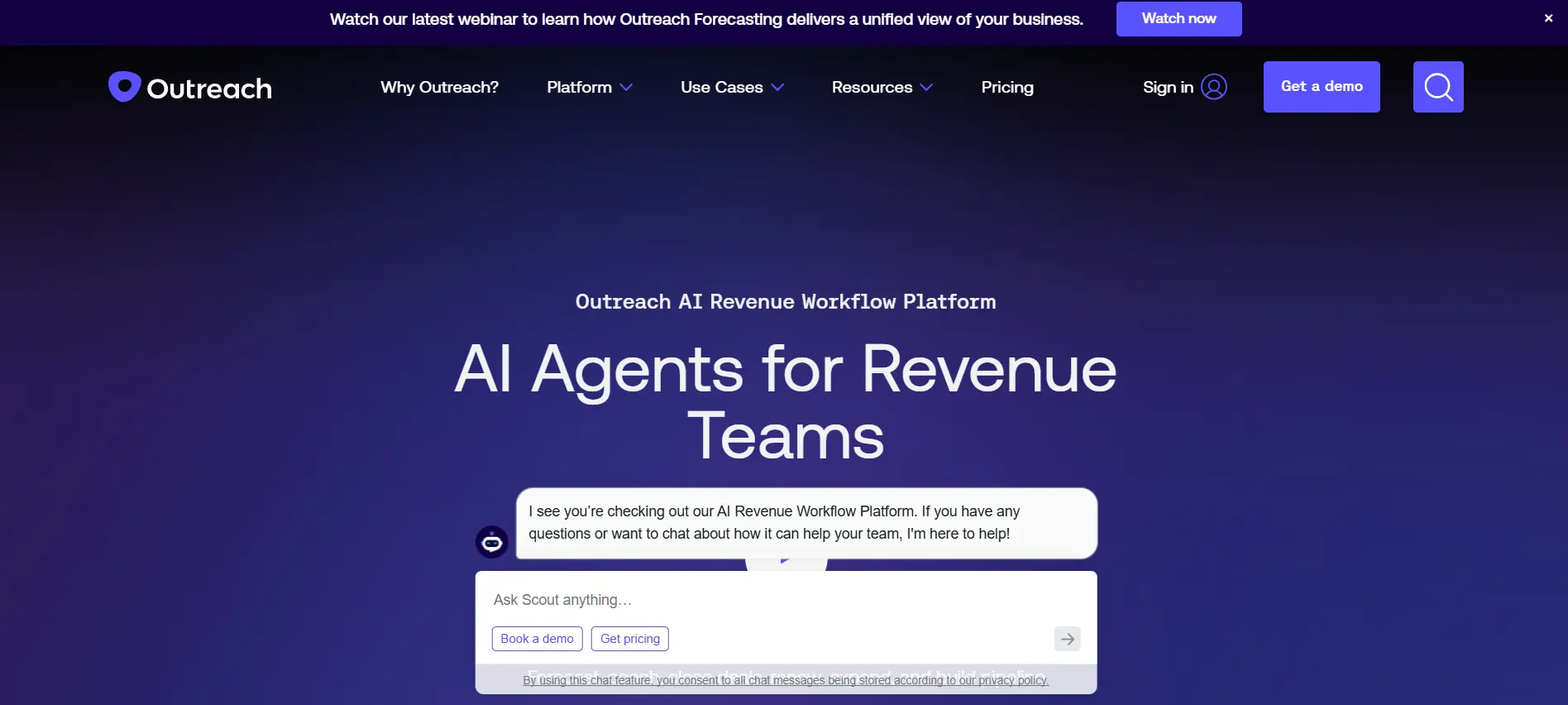
Scaling outreach manually often leads to inconsistent follow-ups and missed opportunities.
Outreach.io helps you automate multi-step campaigns and manage prospect communication at scale.
It ensures your outreach remains structured, consistent, and measurable.
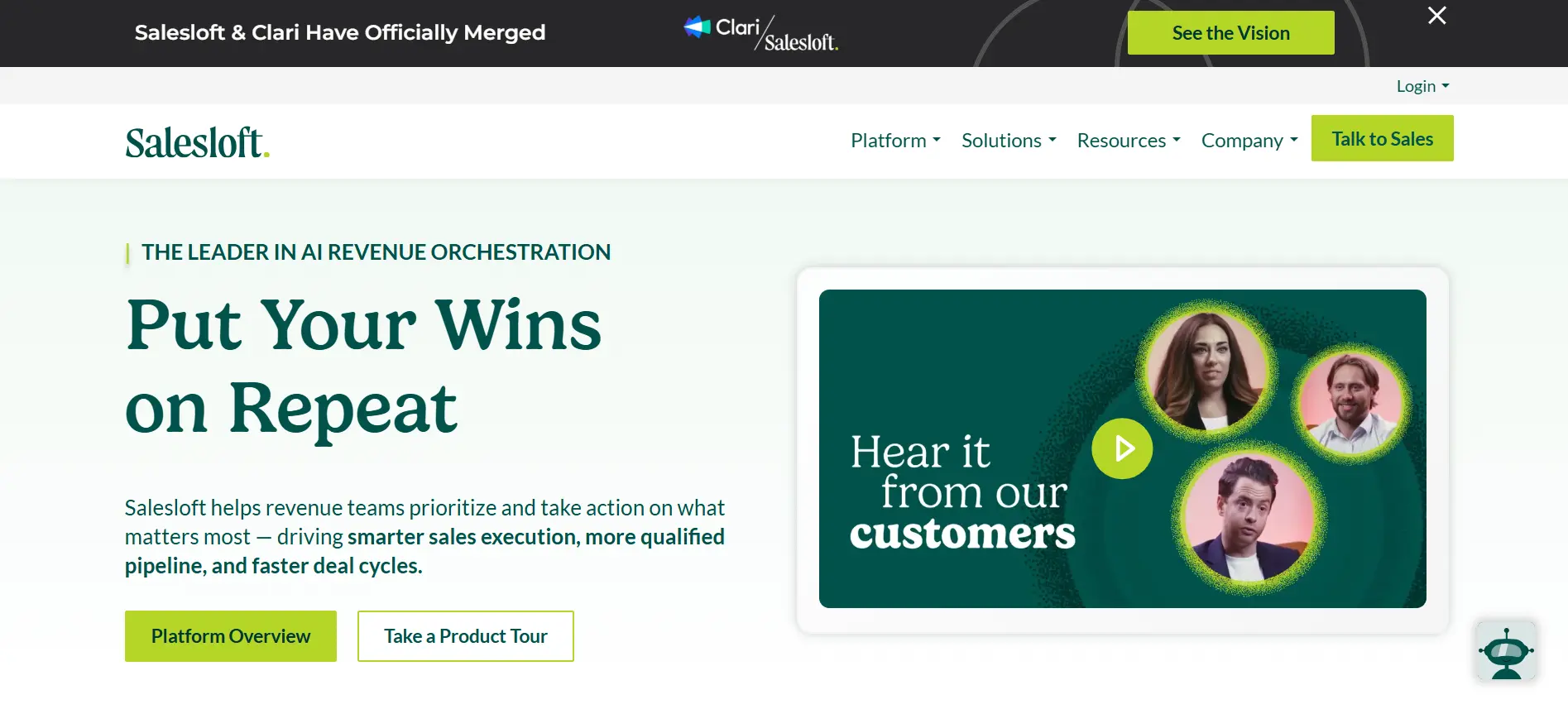
Maintaining consistent communication across multiple channels can be difficult to manage manually.
Salesloft helps you streamline engagement across email, calls, and other touchpoints.
It gives you better visibility into how prospects interact with your outreach.
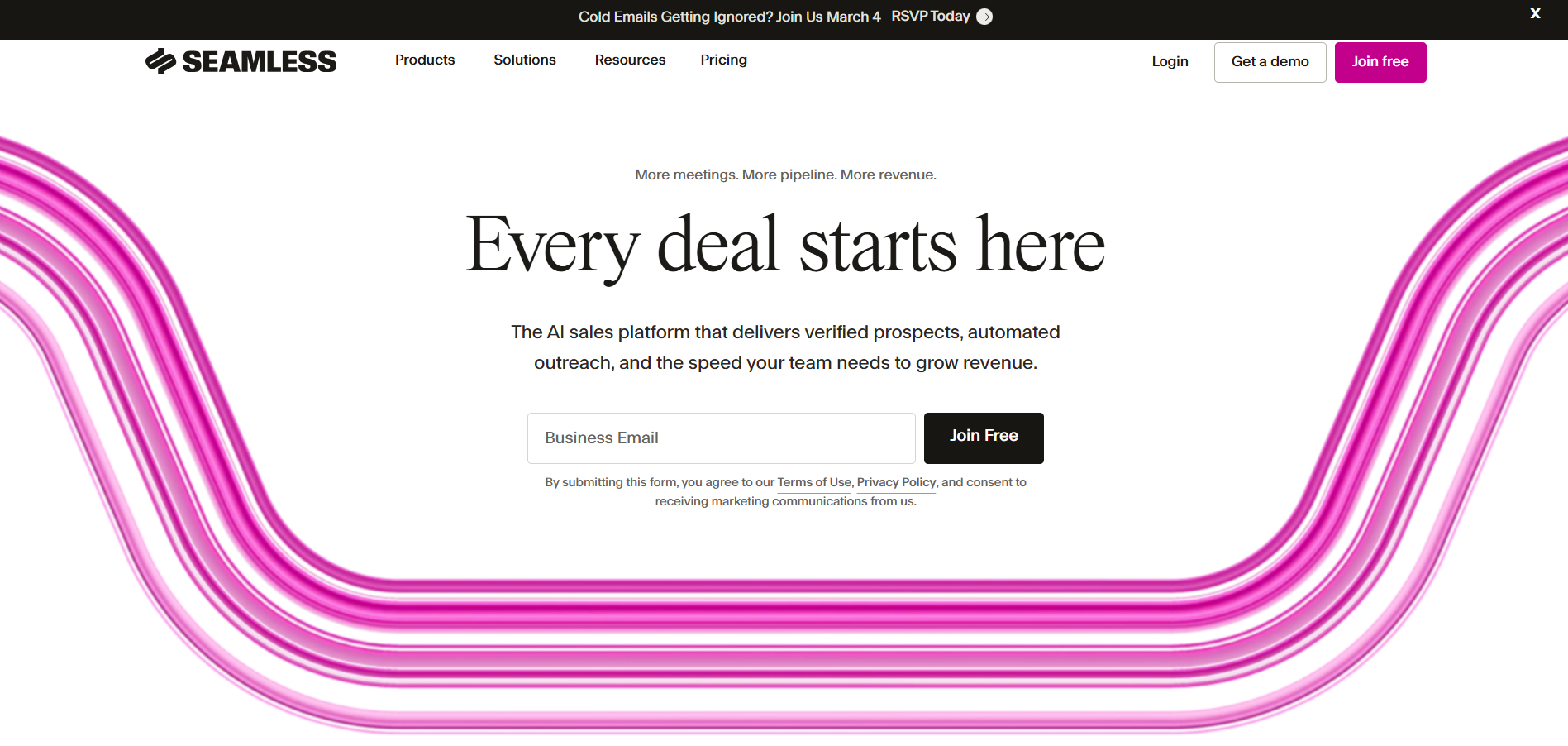
Building prospect lists manually can slow down your entire business development process.
Seamless.ai helps you find leads in real time with access to contact data and company insights.
It focuses on speed and volume in lead generation.
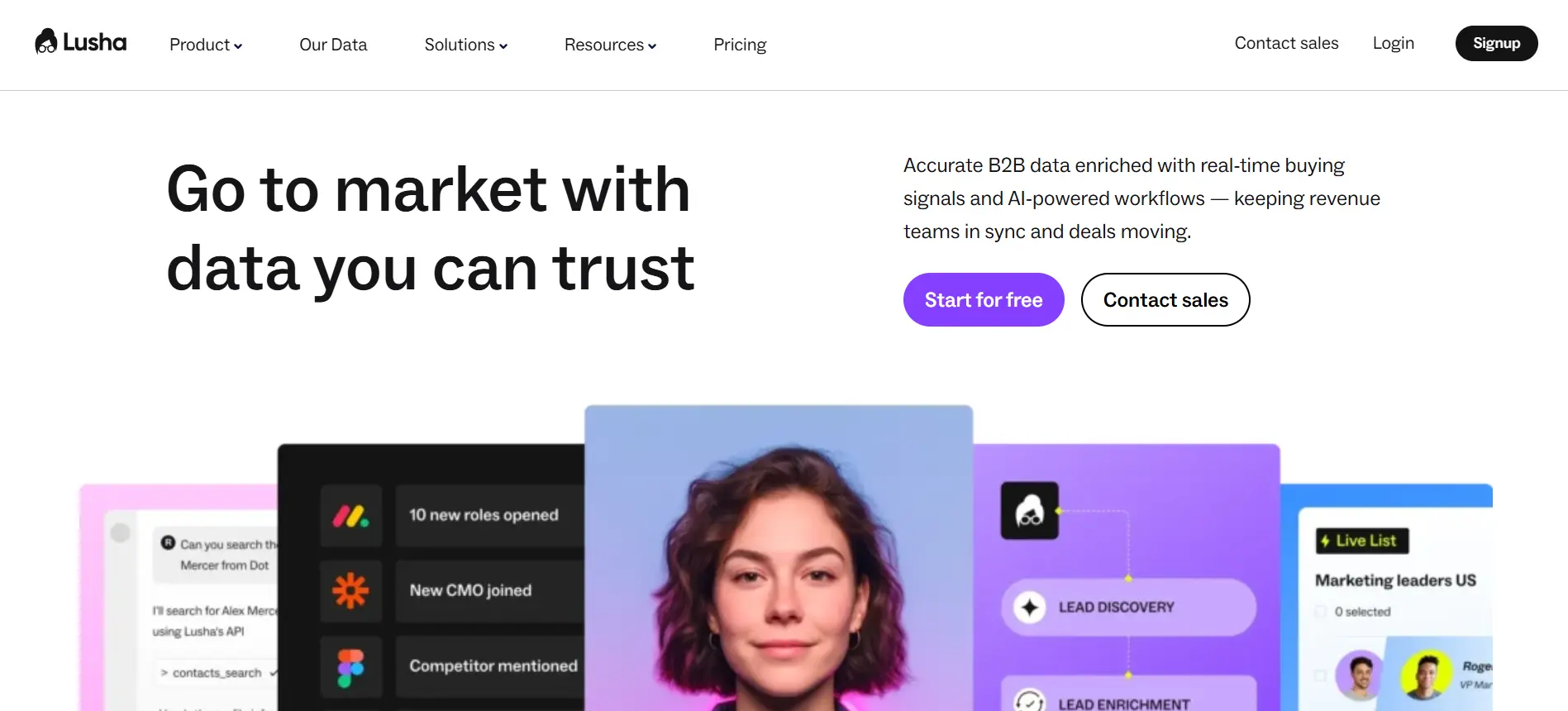
Getting accurate contact details quickly is critical for effective outreach.
Lusha provides verified emails and phone numbers to help you connect with decision-makers.
It’s designed as a simple and fast data access tool.
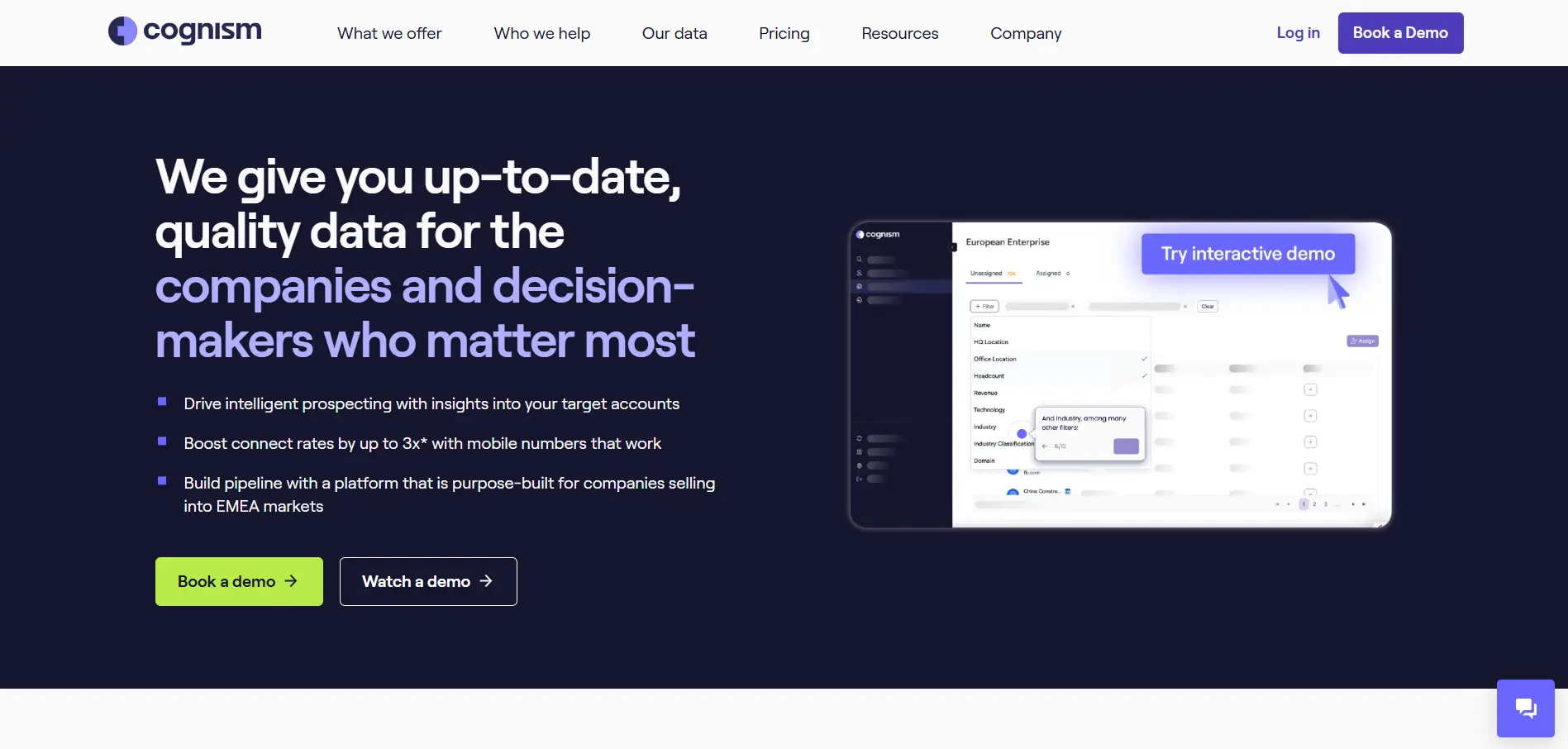
Data compliance is a growing concern when operating across different regions.
Cognism focuses on providing compliant and verified contact data, especially for GDPR-sensitive markets.
It helps you reduce risk while maintaining outreach quality.
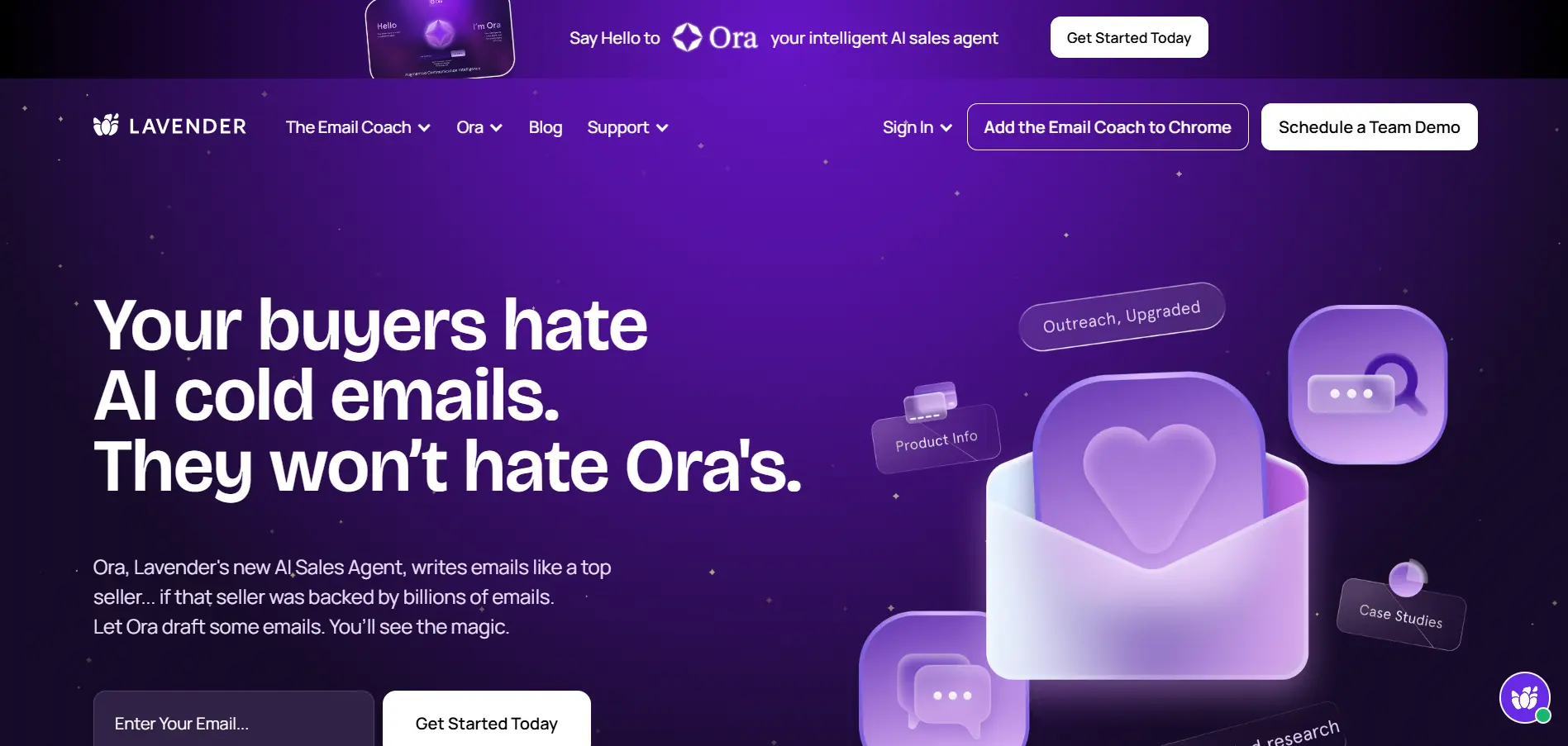
Writing effective emails consistently can impact your response rates significantly.
Lavender helps you improve your emails with AI suggestions focused on clarity, tone, and personalization.
It works directly within your email workflow.
Creating personalized messaging at scale is often time-consuming and inconsistent.
ChatGPT helps you generate emails, scripts, and outreach content quickly while adapting tone and context.
It’s one of the most flexible best ai tools for business development for content creation.
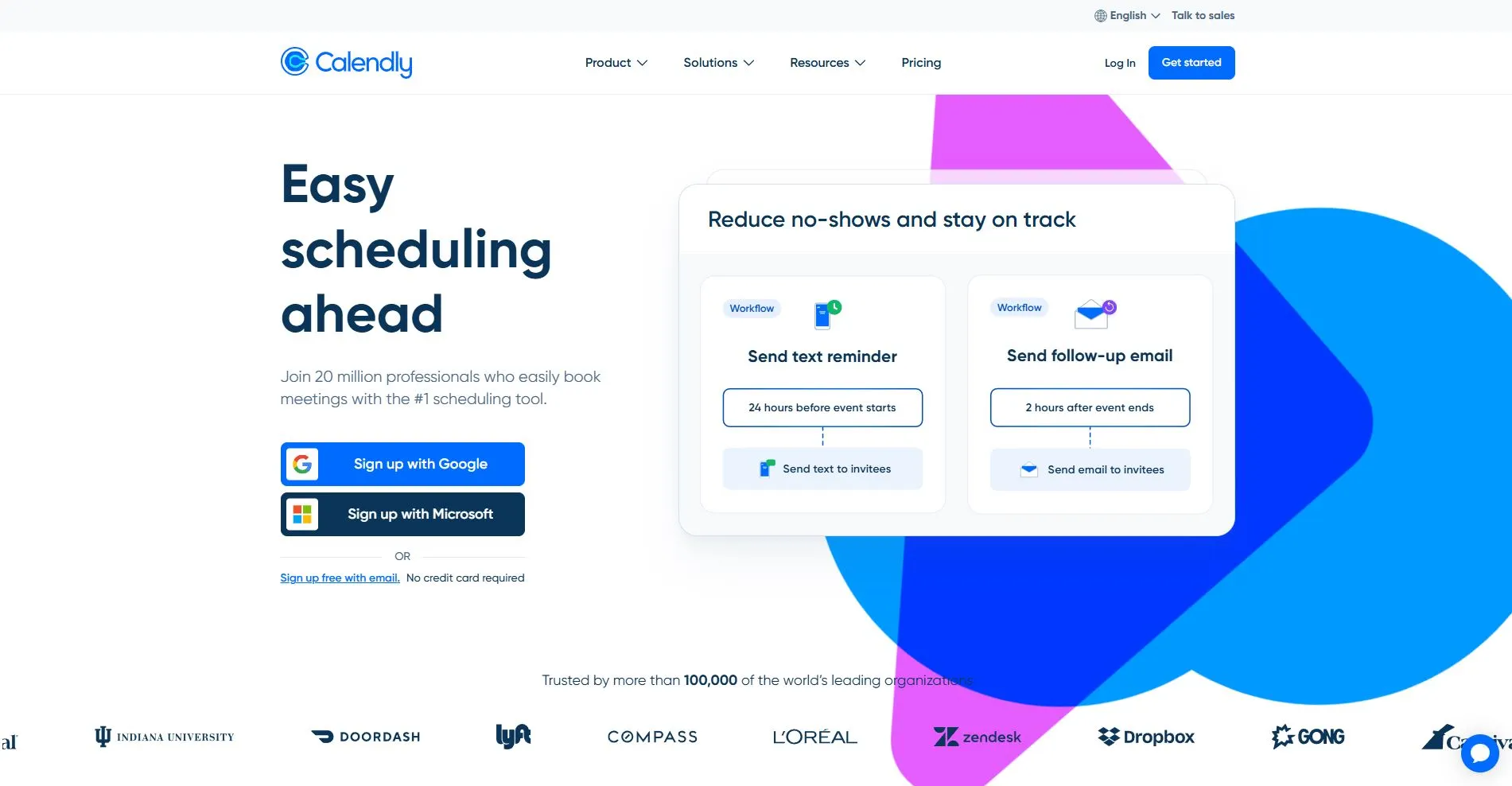
Booking meetings manually often slows down your sales process and creates friction.
Calendly allows prospects to book time instantly based on your availability.
It simplifies scheduling and keeps momentum after initial interest.
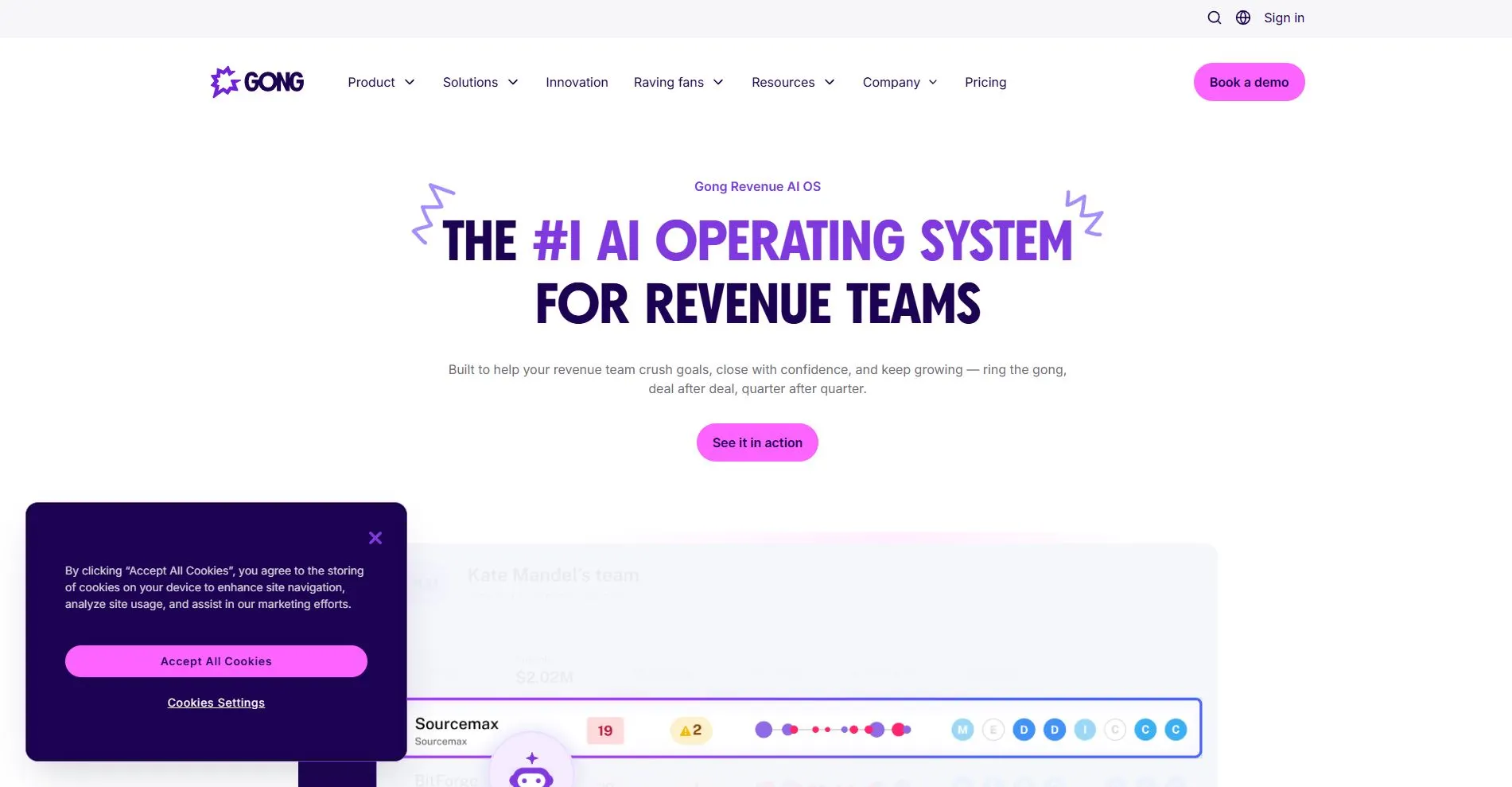
Understanding what happens during sales conversations is key to improving performance.
Gong records, transcribes, and analyzes calls to provide insights into what works and what doesn’t.
It helps teams refine messaging and close deals more effectively.
Not every team needs the same setup, because your workflow, team size, and goals define what actually works.
Instead of adding more tools, focus on choosing ai tools for business development that solve your biggest bottlenecks first.
If your workflow feels scattered, using multiple tools is likely slowing you down and creating gaps.
You should choose platforms that combine multiple steps so everything works in one connected system.
If your current setup works, replacing everything may not be necessary or efficient.
Instead, improve performance by adding tools that fill specific gaps in your workflow.
When scaling, poor data and manual effort become your biggest blockers.
You should prioritize tools that help you grow volume without reducing effectiveness.
Business development is no longer about using more tools and managing a complex stack that slows you down.
It’s about choosing the right combination of tools that actually support your workflow and improve execution.
The right ai tools for business development help you simplify processes, automate repetitive tasks, and focus on building meaningful conversations.
When your system is aligned, every step from lead generation to outreach and follow-ups becomes more efficient and scalable.
If you want a platform that combines lead generation, outreach, and follow-ups in one system, Oppora.ai helps you manage your entire business development workflow without switching tools.
The best ai tools for business development are those that combine CRM, lead generation, outreach, and automation, helping you manage the entire pipeline efficiently without relying on disconnected tools.
Not necessarily, because using too many tools can create unnecessary complexity, so it’s often better to choose a smaller, well-integrated stack that supports your workflow.
AI tools improve business development by automating repetitive tasks, improving targeting, and enabling personalized outreach at scale, which helps you save time and increase efficiency.
Small teams benefit most from all-in-one platforms that combine multiple functions like CRM and outreach, as they reduce tool-switching and keep operations simple.
You should identify your biggest bottleneck first and then choose tools that directly solve that problem, instead of adding tools that don’t align with your workflow.
Summarize with AI
Share