Home
Blog
Find 500 B2B Contacts for Free Every Month with Built-In Outreach.
Home
Blog
Adam Hossain
Published April 2, 2026
9 min

Try Oppora AI
Create Self-Running Agentic Sales Workflows like N8N just by chatting with AI
Get Started for FREE
If your emails aren’t reaching the inbox, your entire outreach effort falls apart before it even begins.
That’s exactly where email deliverability tools become essential, helping you monitor, test, and improve how your emails perform across different inbox providers.
Instead of guessing why emails land in spam, you get clear insights and actionable fixes.
In this guide, you’ll learn:
Now that you understand why email deliverability tools matter, the next step is knowing what actually makes a tool effective.
Not all tools offer the same depth, so focusing on the right features helps you avoid wasted effort and poor inbox placement.
Inbox placement testing shows exactly where your emails land across different providers.
Instead of assuming delivery success, you see whether your emails reach the primary inbox, promotions tab, or spam folder.
This helps you adjust sending patterns, domains, and content before scaling campaigns, which directly improves your inbox rate.
Even the best campaigns fail if your contact list is full of invalid or inactive emails.
Email list validation cleans your list by removing risky addresses that cause bounces or spam complaints.
As a result, your sender reputation improves, and your emails are more likely to reach real, engaged recipients.
Spam filters are constantly evolving, which makes it harder to predict what gets flagged.
Spam filter testing analyzes your email content and structure to identify potential triggers before sending.
This allows you to tweak subject lines, links, and formatting so your emails pass through filters smoothly.
Without data, improving deliverability becomes guesswork.
Detailed analytics and reporting give you insights into open rates, bounce rates, spam complaints, and inbox placement trends.
These insights help you spot patterns early and continuously refine your email strategy for better results over time.
Now that you know what features to look for, it’s time to explore the tools that actually deliver results.
The right email deliverability tool doesn’t just monitor performance it actively helps you improve inbox placement and engagement.
Below, you’ll find 10 of the best email deliverability tools designed to help you avoid spam filters, maintain sender reputation, and scale your email campaigns with confidence.
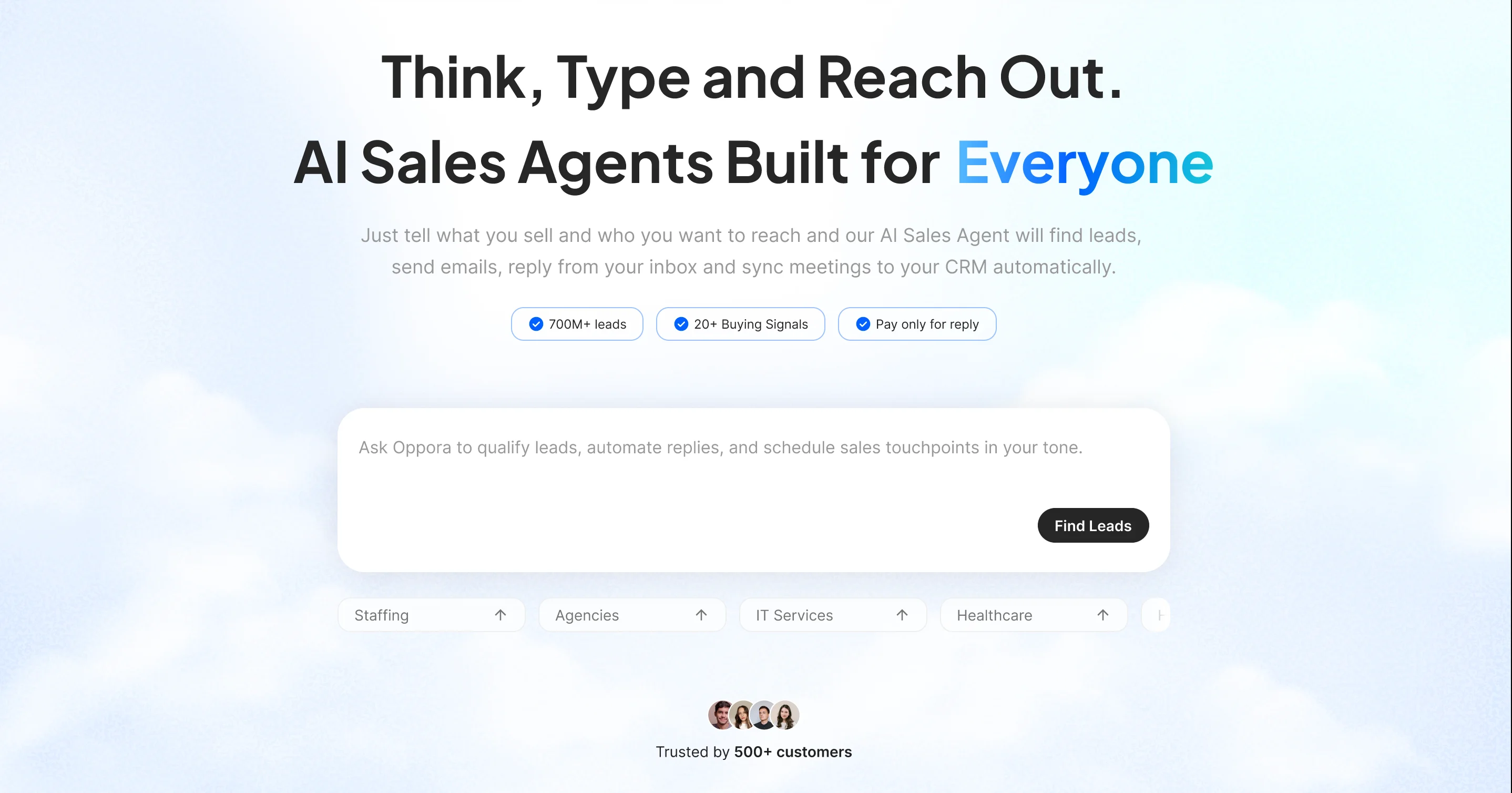
Oppora.ai goes beyond traditional email deliverability tools by combining outreach automation with built-in deliverability safeguards.
Instead of relying on multiple tools, you get a system that manages everything from finding leads to sending emails and handling replies, all while protecting your sender reputation.
This makes it especially useful if you want to scale outreach without constantly worrying about spam issues or manual optimization.
Data & Lead Generation
Data Enrichment & Accuracy
Email Intelligence
Automation & AI Workflows
Outreach Scaling
CRM & Integrations
If you’re running cold email campaigns or outbound sales, Oppora helps you maintain inbox health while scaling volume.
You can set up your workflow once, and the platform continues sending, optimizing, and responding automatically, which improves both deliverability and engagement without manual effort.
SendGrid is a widely used email delivery platform built for both transactional and marketing emails.
It provides strong infrastructure that helps businesses send emails at scale while maintaining consistent inbox placement.
Useful for businesses that need a scalable solution for sending newsletters, promotions, and system-triggered emails.
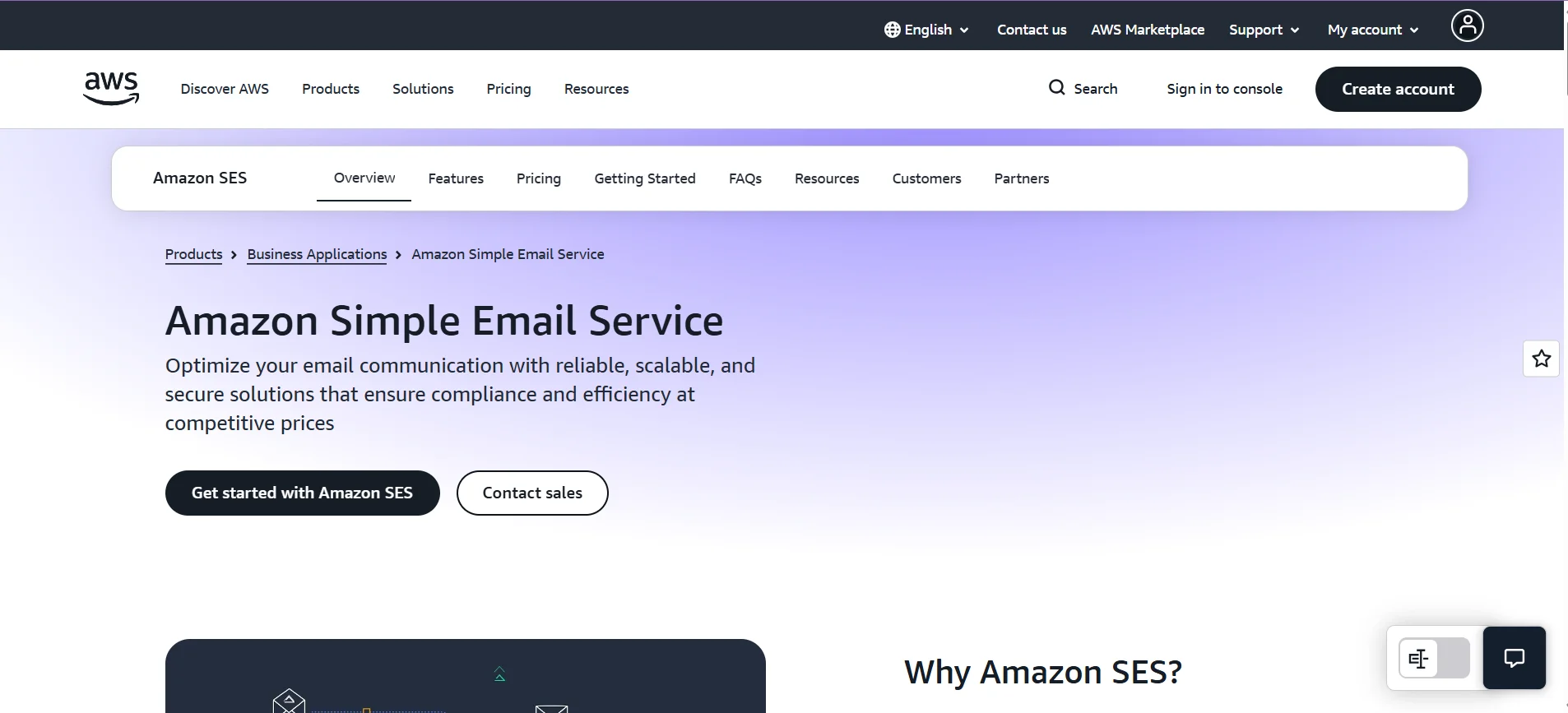
Amazon SES is a cloud-based email sending service designed for high-volume and cost-efficient email delivery.
It is part of the AWS ecosystem and is commonly used by developers and SaaS companies.
Best suited for applications and platforms that send large volumes of transactional emails at a low cost.
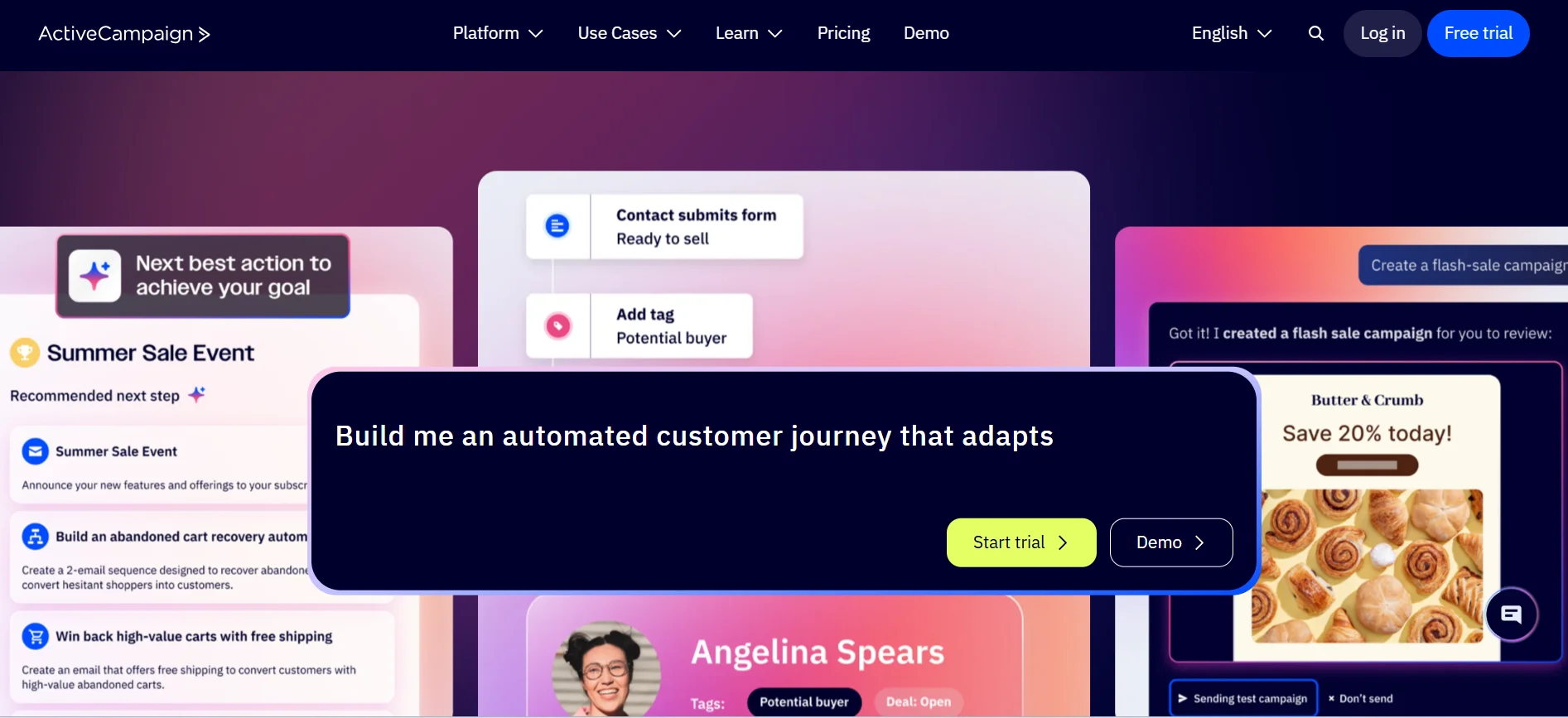
ActiveCampaign is a customer experience automation platform built for businesses that want to send highly personalized email campaigns.
It combines email marketing, automation, and CRM into a single system for managing customer journeys.
Best for businesses that need advanced automation and personalized communication across the customer lifecycle.
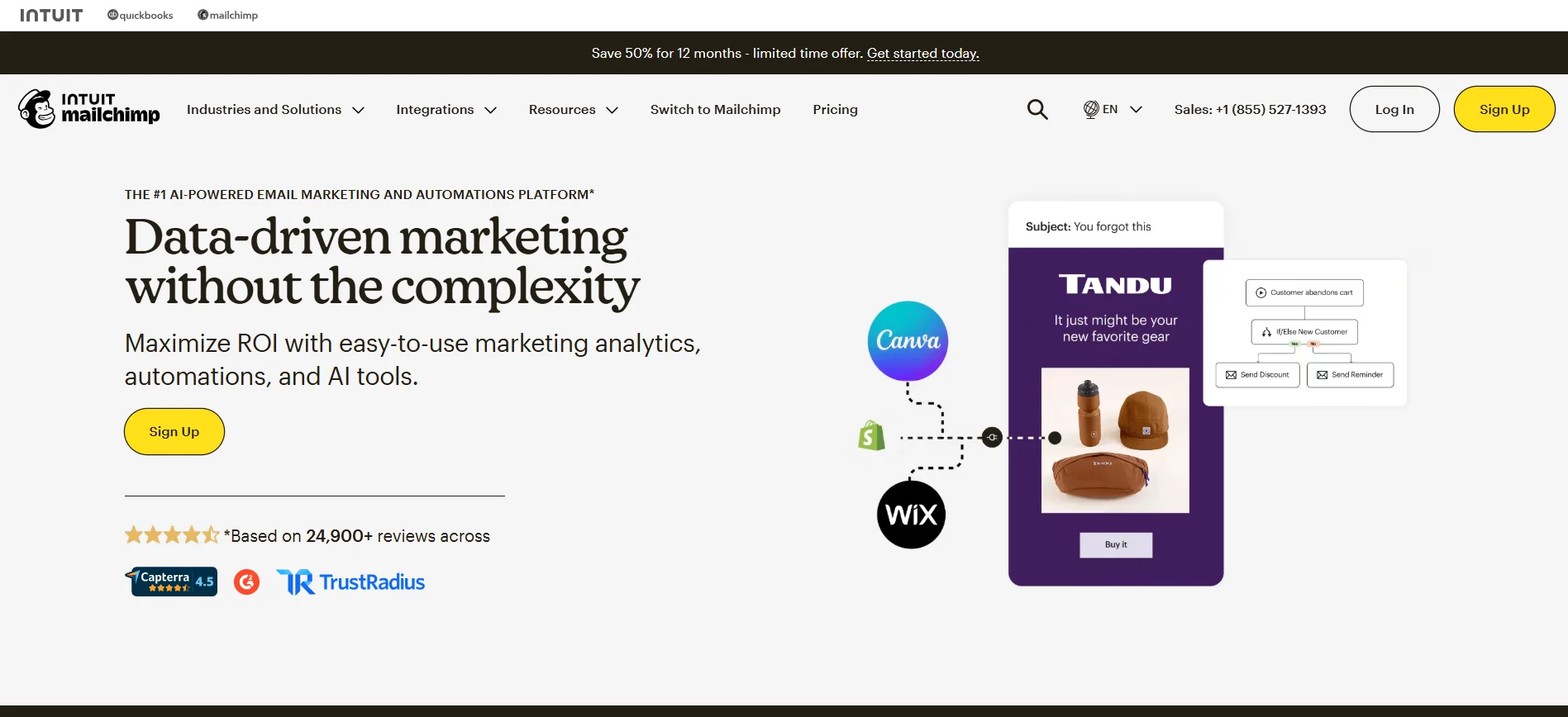
Mailchimp is an easy-to-use email marketing platform designed for businesses of all sizes.
It focuses on simplifying campaign creation while still offering automation and performance tracking.
Ideal for beginners and growing businesses that want to launch and manage email campaigns without complexity.
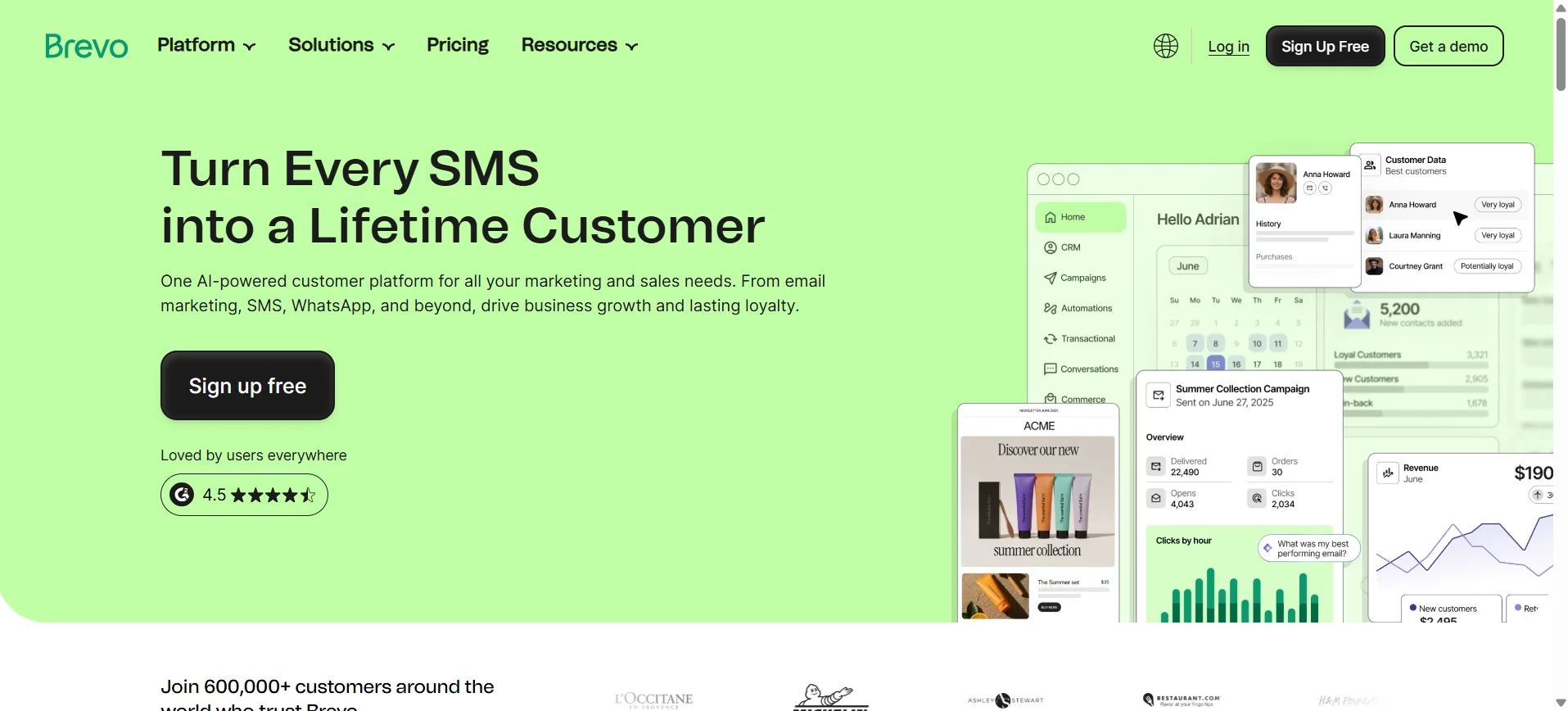
Brevo is an all-in-one platform that combines email marketing and transactional email capabilities.
It allows businesses to manage campaigns and automated emails from a single dashboard.
Great for businesses managing both marketing campaigns and transactional emails in one place.
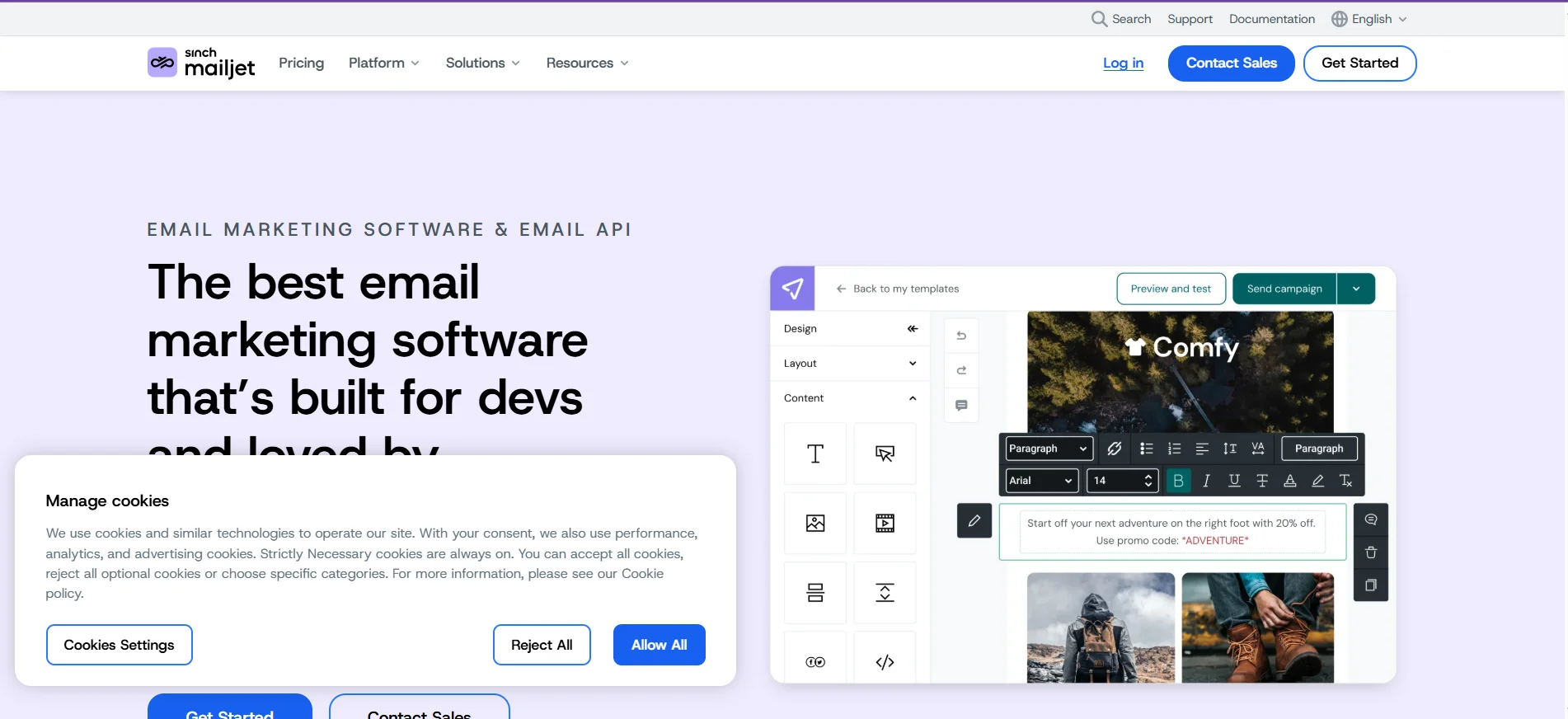
Mailjet is a cloud-based email sending platform that supports both marketing and transactional emails.
It is designed with collaboration features that help teams work together efficiently.
Useful for teams that need to collaborate on email campaigns while managing delivery infrastructure.
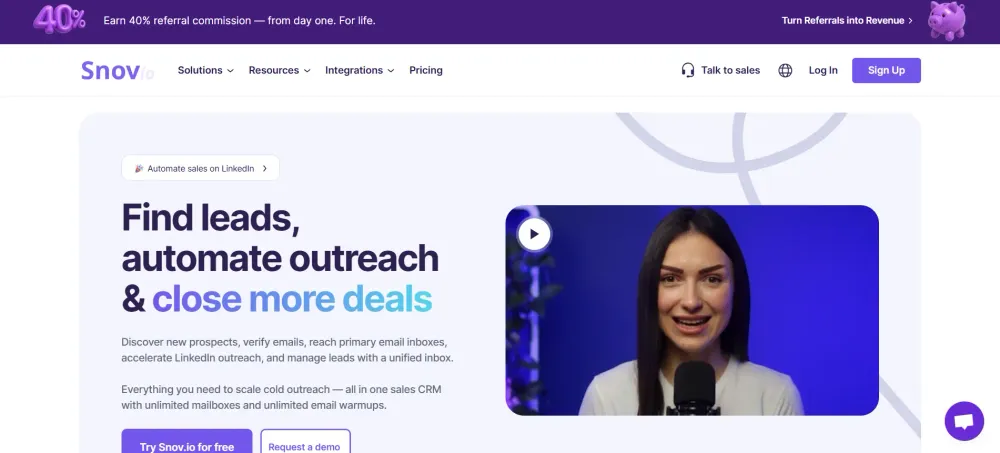
Snov.io is a sales outreach platform that combines lead generation with email automation.
It helps businesses find, verify, and contact prospects within a single workflow.
Ideal for B2B teams focused on lead generation and cold email outreach campaigns.
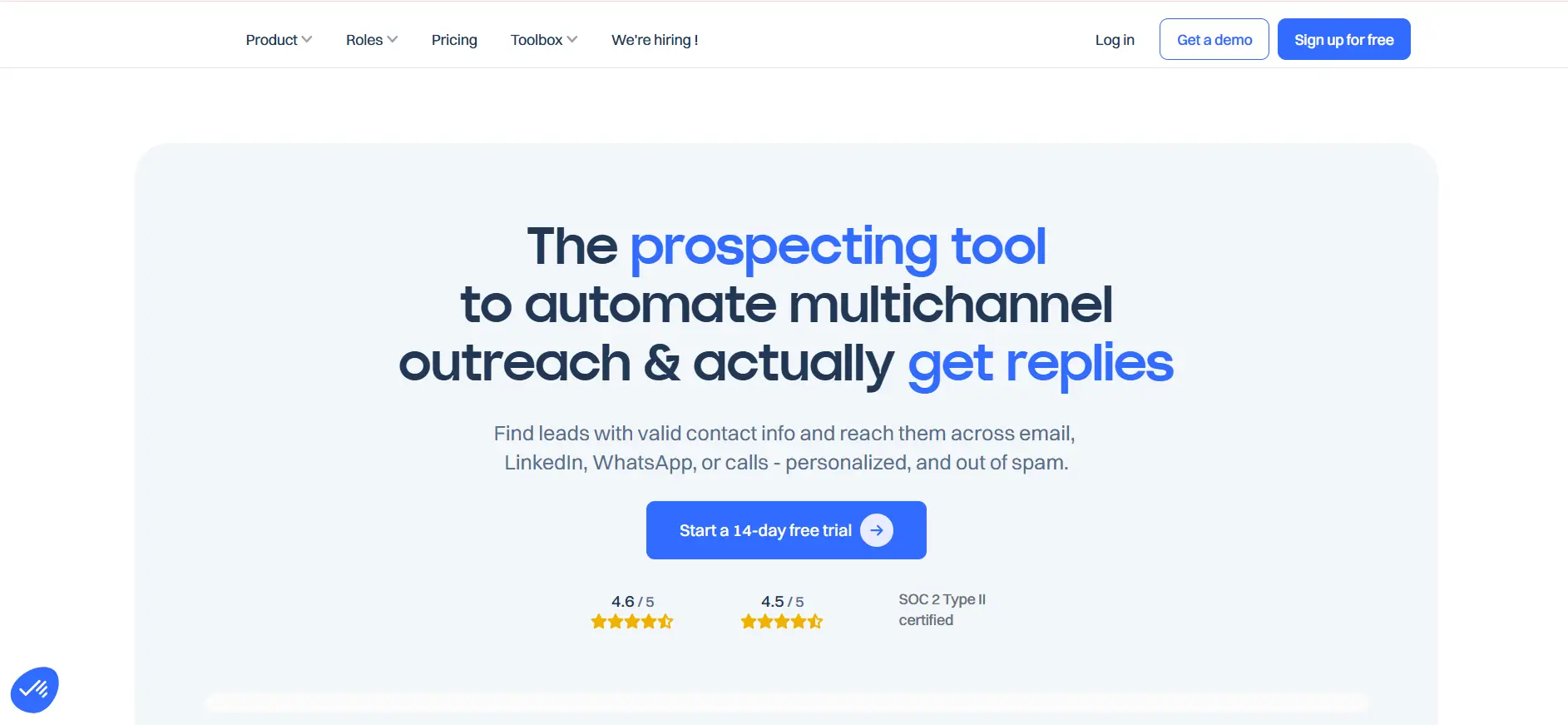
Lemlist is a cold email platform designed to improve engagement through personalization.
It focuses on helping users increase reply rates rather than just sending emails.
Best for outreach campaigns where personalization plays a key role in improving response rates.
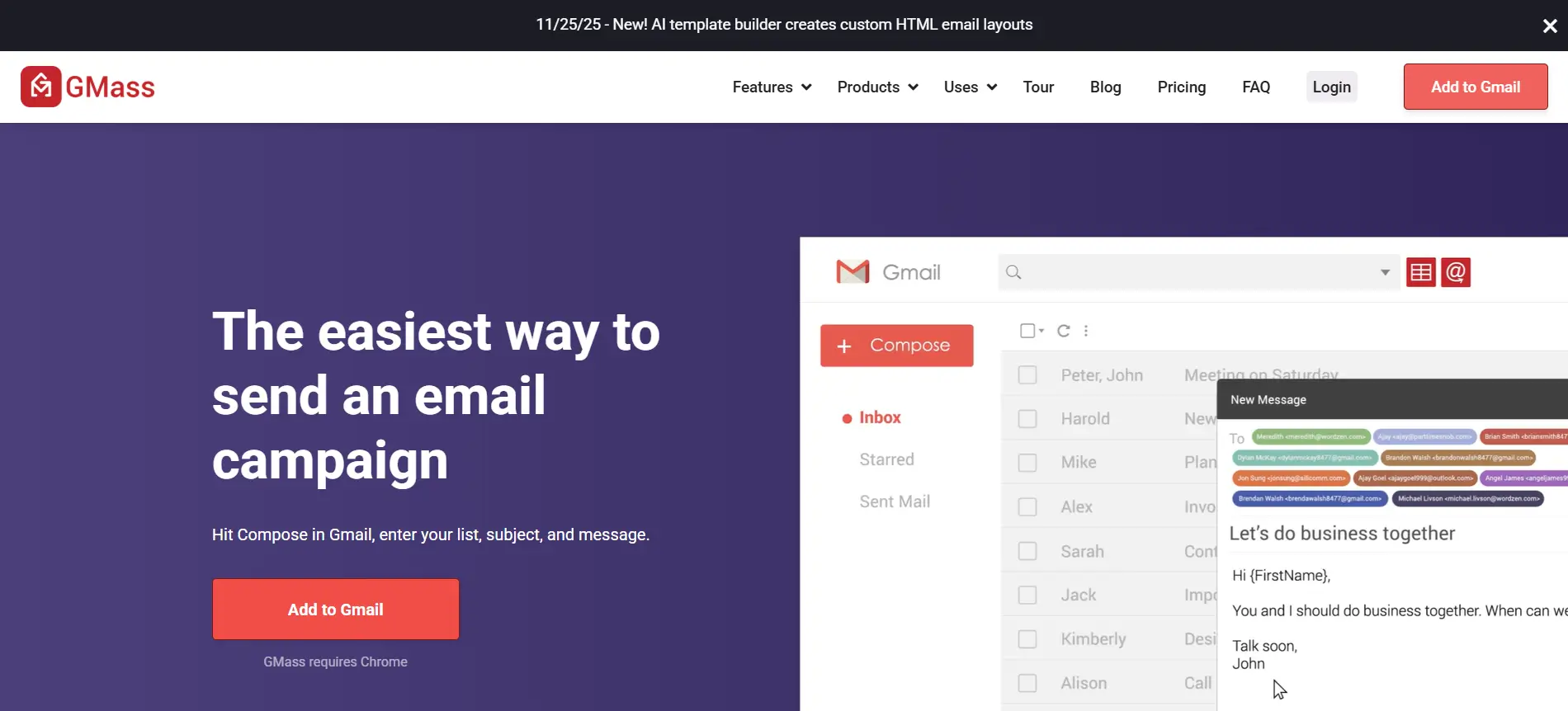
GMass is a Gmail-based email sending tool that allows users to run campaigns directly from their inbox.
It is designed for simplicity and ease of use without requiring a separate platform.
Perfect for freelancers and small teams who want to run outreach campaigns directly from Gmail.
Selecting the right email deliverability tool is essential to ensure your campaigns reach your audience effectively. The best choice depends on your unique email goals, volume, and workflow requirements.
Start by evaluating how many emails you send regularly. If you manage large campaigns, choose a tool that can handle high volumes without compromising performance. Tools with real-time analytics and multi-inbox support are ideal for scaling campaigns while monitoring deliverability.
Different tools offer distinct functionalities. For improving inbox placement, focus on tools with inbox testing and spam filter analysis. If your priority is list hygiene, opt for platforms with strong email verification and bounce reduction features. Aligning tool features with your specific goals ensures better results.
Seamless integration with your CRM, marketing platforms, or workflow automation tools can save time and reduce errors. Look for deliverability tools that sync contacts, campaign data, and responses directly to your existing systems, creating a more efficient and centralized email management process.
Finally, consider your budget and growth plans. Choose a tool that provides flexible pricing and can scale with your campaigns. Tools that allow credit rollover or tiered plans help you avoid overpaying while supporting long-term growth.
Choosing the right email deliverability tool can make a significant difference in your campaign performance. By focusing on your campaign volume, prioritizing features that align with your goals, ensuring smooth integrations, and evaluating pricing and scalability, you can maximize inbox placement and engagement.
Tools like Oppora go a step further by automating outreach, personalizing emails, and safeguarding sender reputation, making it easier to maintain high deliverability. Start exploring the right platform for your needs and see how smart automation can elevate your email campaigns today.
Transactional emails, like confirmations or alerts, usually have higher deliverability since they’re expected by recipients. Marketing emails are promotional and more likely to be filtered by spam checks, making dedicated deliverability tools crucial for campaigns.
Yes. Tools that provide analytics, A/B testing, and personalization insights help optimize subject lines, content, and sending patterns, which can increase open and click-through rates in addition to ensuring emails reach the inbox.
Email lists should be validated regularly—ideally before each major campaign—to remove inactive or invalid addresses, maintain sender reputation, and minimize bounce rates.
Yes. Tools with features like inbox rotation, domain warm-up, and spam trigger detection help maintain or improve domain reputation, preventing emails from being flagged as spam.
AI-driven tools can analyze sending patterns, predict spam triggers, and personalize content at scale, often improving deliverability faster than manual methods, especially for high-volume outreach.
Summarize with AI
Share