Home
Blog
Find & Send Cold Emails to 500 Unique Prospects Every Month for FREE.
Home
Blog
Stephen Parker
Published March 1, 2026
10 min
Try Oppora AI
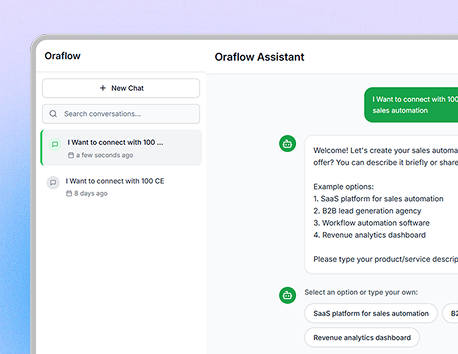
Create Self-Running Agentic Sales Workflows like N8N just by chatting with AI
Get Started for FREE
Email sequencing tools automate initial email and follow-ups so you don’t send emails manually. They help you build multi-step flows that adjust to prospect behavior.
In 2026, automation alone isn’t enough because inboxes are crowded. You also need AI personalization and strong deliverability control.
AI-powered outreach is growing fast across sales teams. Modern tools now adapt messaging and reduce copy fatigue.
In this guide, you’ll see the top 10 ranked email sequencing tools, a comparison table, and clear selection guidance by use case.
Not every tool that sends emails qualifies as a serious sequencing platform in 2026. The best solutions combine automation, AI personalization, deliverability safeguards, and scalable workflows in one system.
We ranked each tool using clear performance criteria to keep this guide neutral and practical. Here’s what separates average tools from high-performing ones.
Good sequencing starts with structured multi-step campaigns that feel connected instead of repetitive. The best tools support smart timing and behavior-based triggers instead of fixed reminders.
Look for features like:
This ensures your outreach reacts instead of blindly sending follow-ups.
Basic merge tags are no longer enough for modern outreach. Strong platforms use dynamic variables and contextual data to personalize emails deeply.
Advanced tools now offer:
The goal is scale without losing authenticity.
Sending more emails only works if they reach the inbox. That’s why deliverability infrastructure is a core ranking factor.
Top tools include:
Without these safeguards, growth quickly turns into reputation damage.
Sequencing works best when connected to reliable lead data and your CRM. Some tools offer built-in databases, while others depend fully on integrations.
We evaluated:
Disconnected systems slow your outbound down significantly.
A platform must handle growth without breaking infrastructure or budget. That includes scaling mailboxes, managing teams, and keeping pricing predictable.
We considered:
These criteria guided our ranking of the best email sequencing tools below.
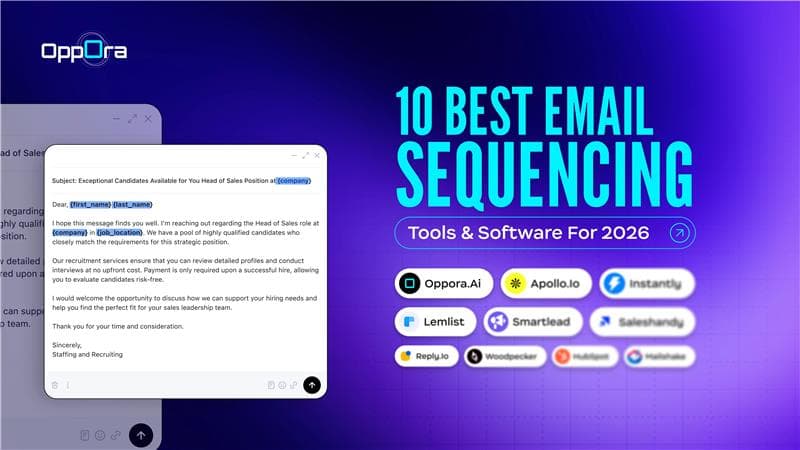
Choosing the right sequencing platform depends on how you generate leads, personalize outreach, and scale safely. Below are the top 10 email sequencing tools ranked using automation depth, AI capability, deliverability control, and scalability.
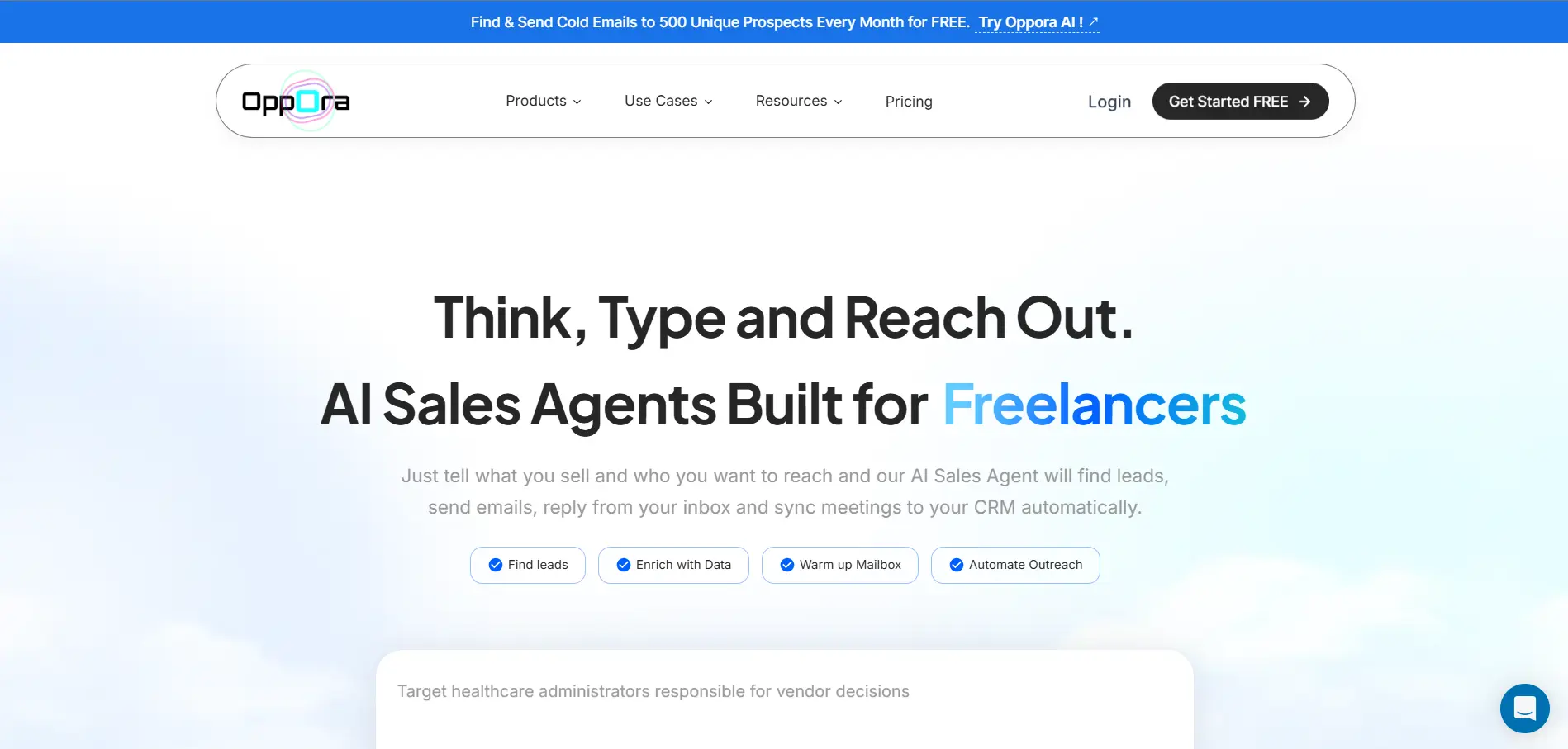
Oppora is an AI-powered email sequencing and outbound automation platform built to run your entire sales workflow.
It’s best for teams that want complete email sequencing automation with real AI personalization and built-in deliverability safeguards, without juggling multiple tools.
And, instead of charging mainly for sending infrastructure, Oppora uses connected AI agents to find leads, verify contacts, personalize every message uniquely, manage replies, and protect your sender reputation all inside one structured system that scales safely as you grow.
Key Features
Pros
Limitations
Pricing Overview
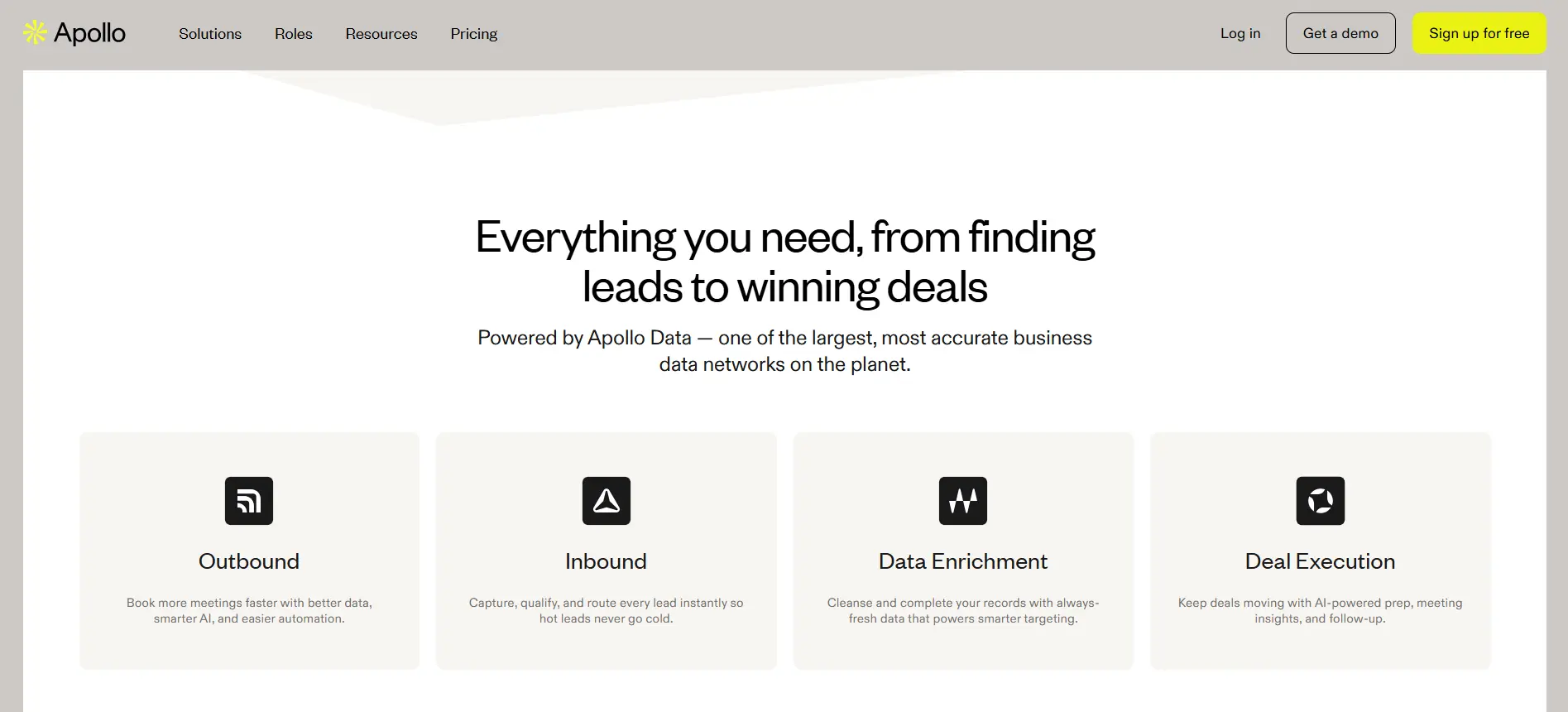
Apollo combines a large B2B contact database with built-in sequencing tools. It works well for teams that want prospecting and outreach managed inside one interface without exporting data between tools.
Key Features
Pros
Limitations
Pricing Free tier available, with paid plans based on users and credit usage.
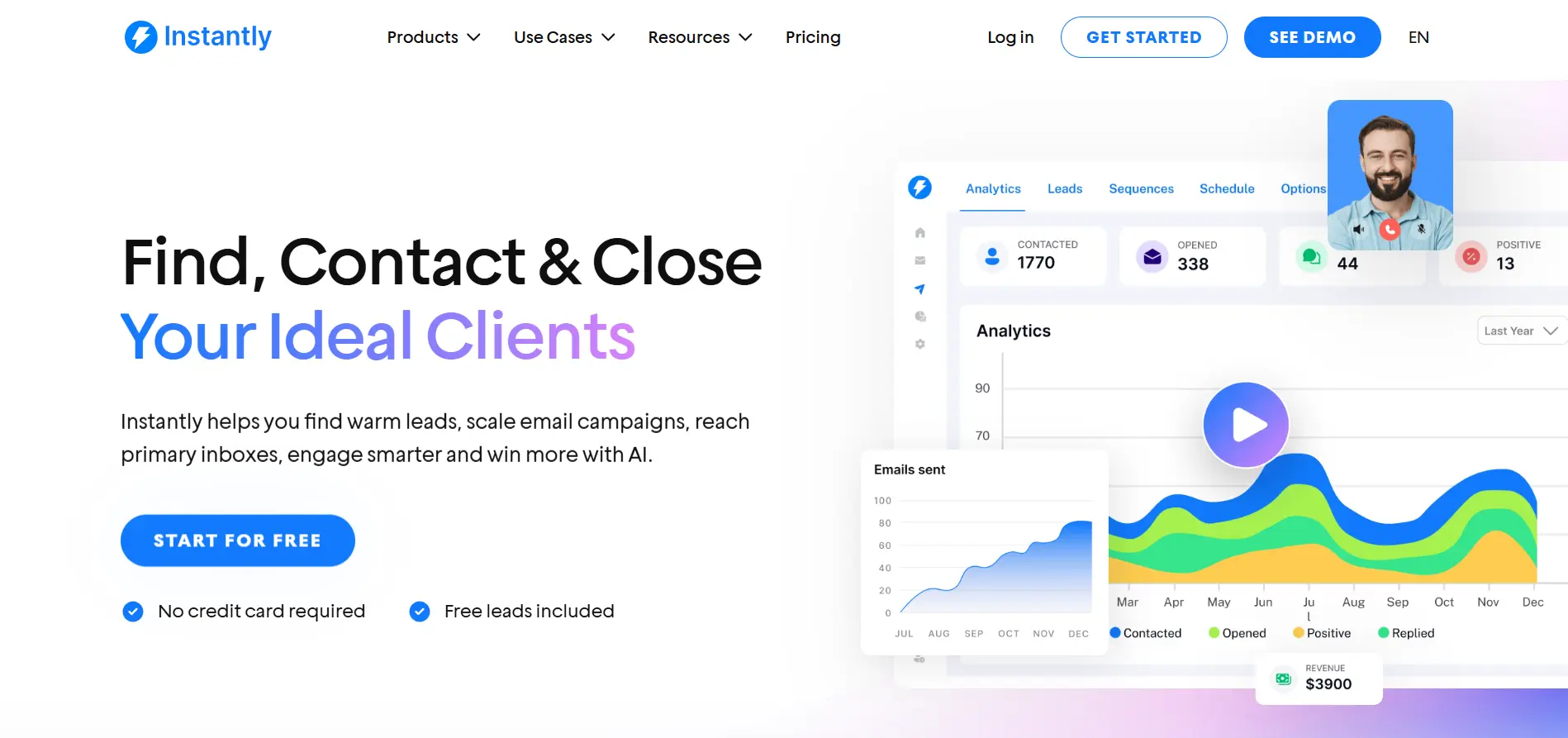
Instantly focuses on scaling outreach across multiple inboxes with simplified campaign control. It is widely used by outbound teams aiming for aggressive volume growth.
Key Features
Pros
Limitations
Pricing Monthly plans scale based on inbox volume and features.
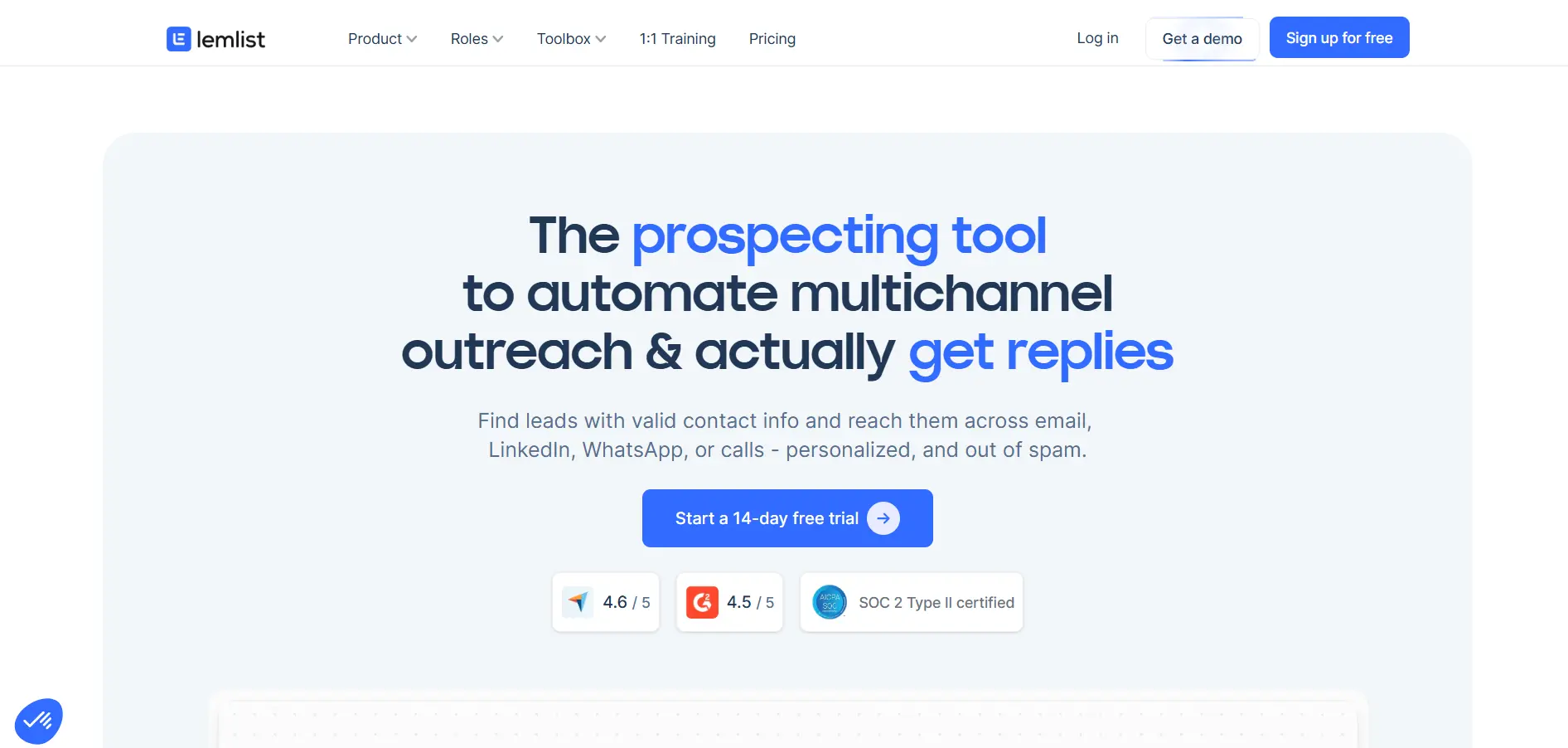
Lemlist emphasizes creative and highly customized outreach experiences. It is popular among teams that value personalization and brand tone in cold emails.
Key Features
Pros
Limitations
Pricing Tiered plans based on seats and feature access.
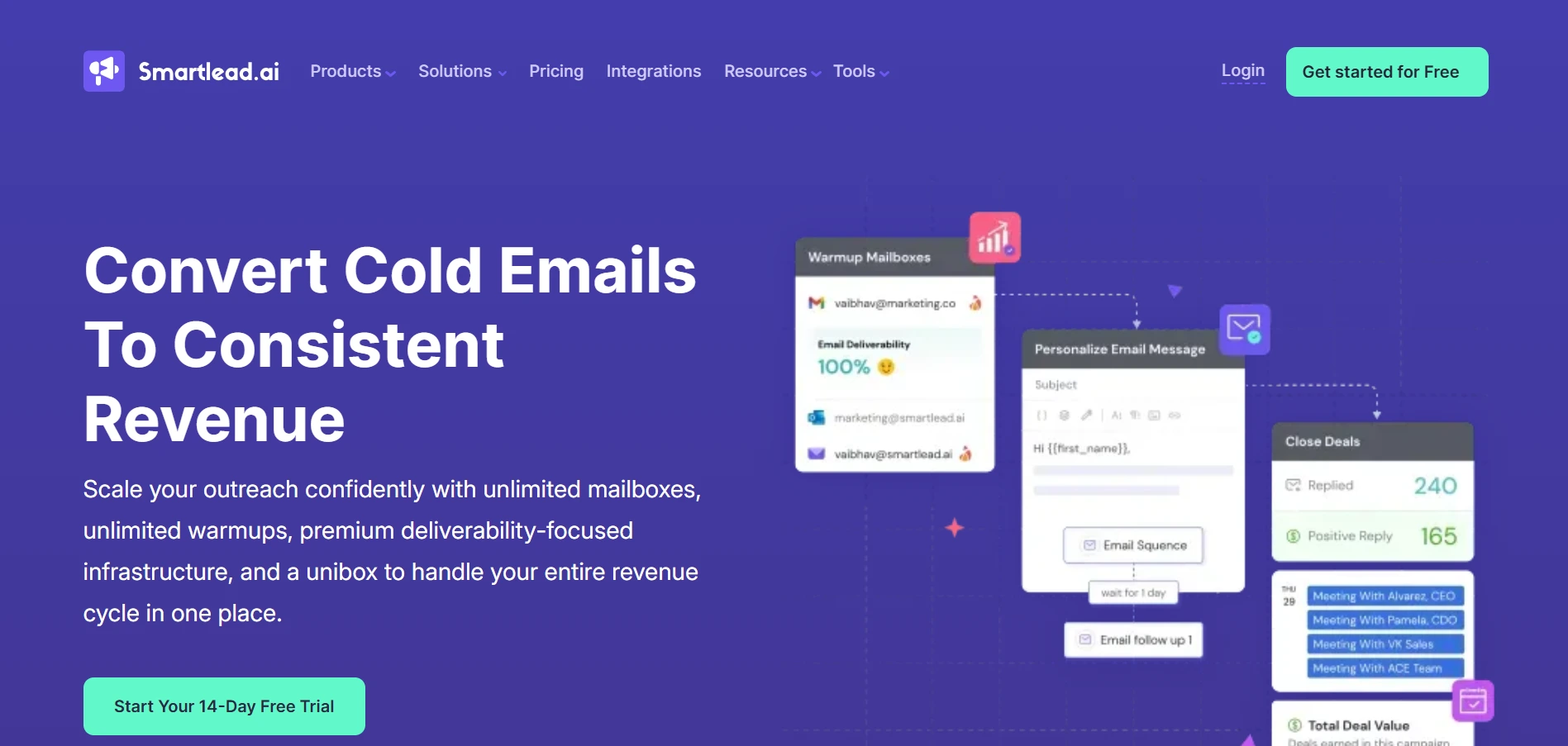
Smartlead is built for managing multiple clients and large inbox networks. It supports agencies that need scalable outreach infrastructure.
Key Features
Pros
Limitations
Pricing Plans vary based on inbox count and feature access.
Saleshandy offers sequencing at an accessible price point. It works well for small teams entering outbound for the first time.
Key Features
Pros
Limitations
Pricing Low-cost monthly plans with scalable tiers.
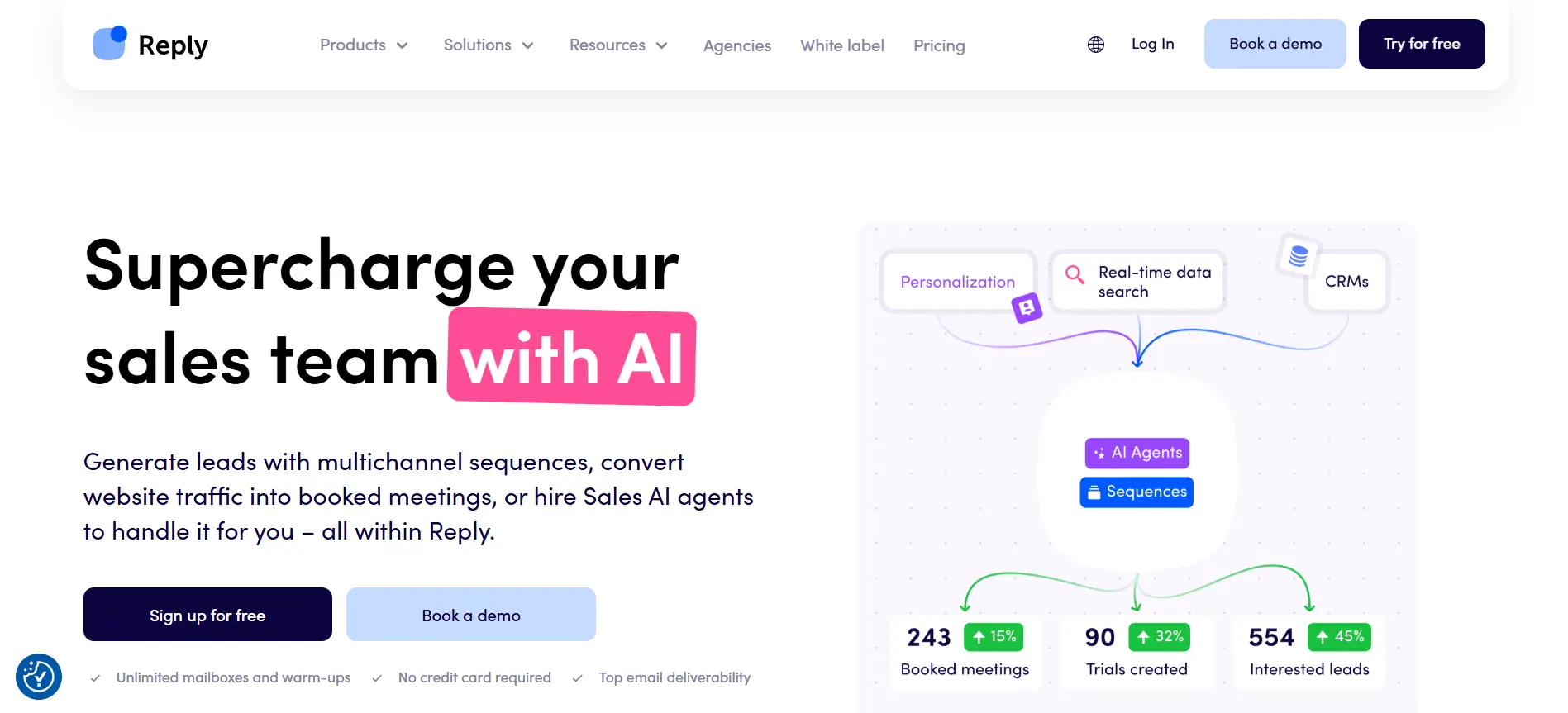
Reply.io supports structured outbound campaigns across multiple channels. It is often used by sales teams with defined processes.
Key Features
Pros
Limitations
Pricing Tiered pricing based on users and feature access.
Woodpecker focuses on safe sending and compliance-driven outreach. It is suitable for teams that prioritize inbox placement stability.
Key Features
Pros
Limitations
Pricing Pricing based on number of prospects and mailboxes.
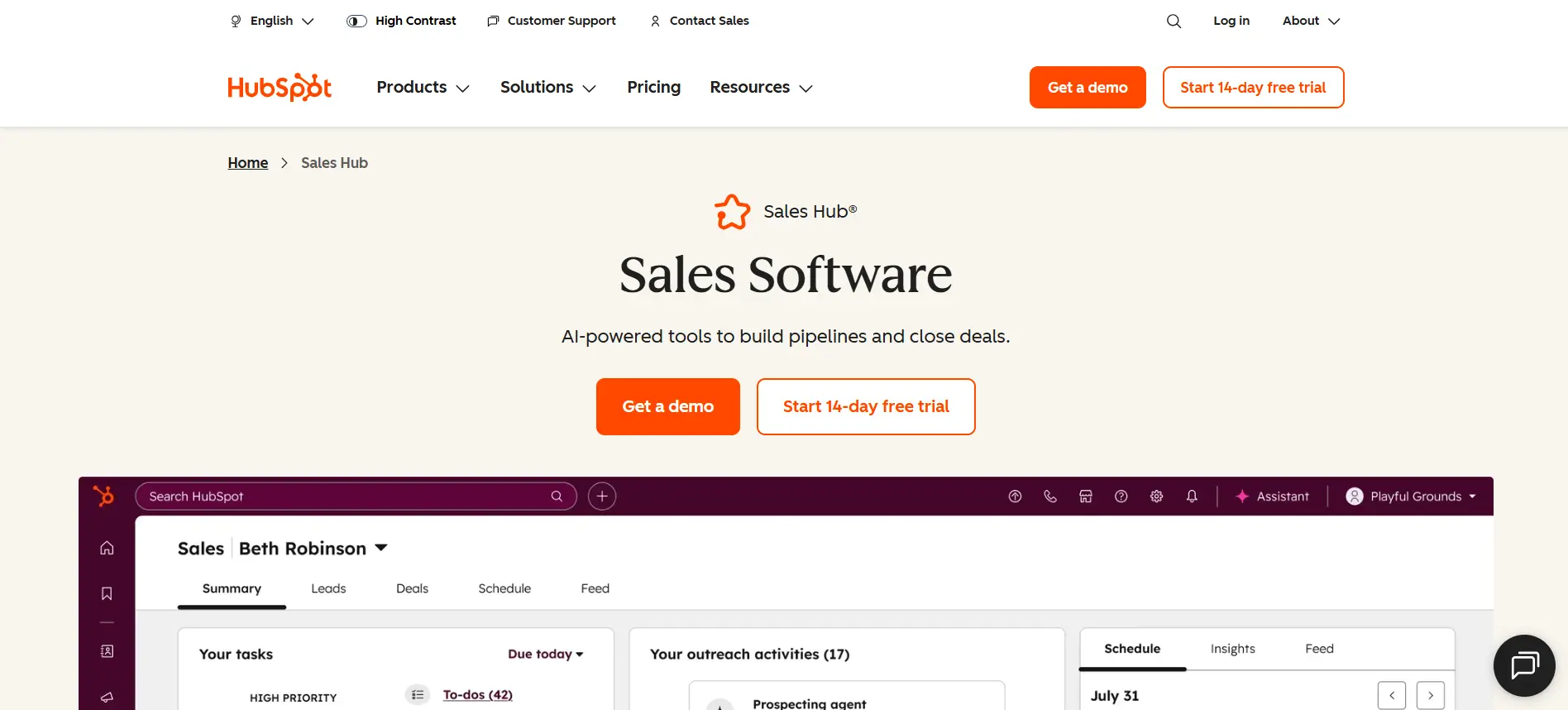
HubSpot integrates sequencing directly into its CRM system. It works best for teams already operating inside HubSpot’s ecosystem.
Key Features
Pros
Limitations
Pricing Free tools available, with premium tiers increasing significantly.
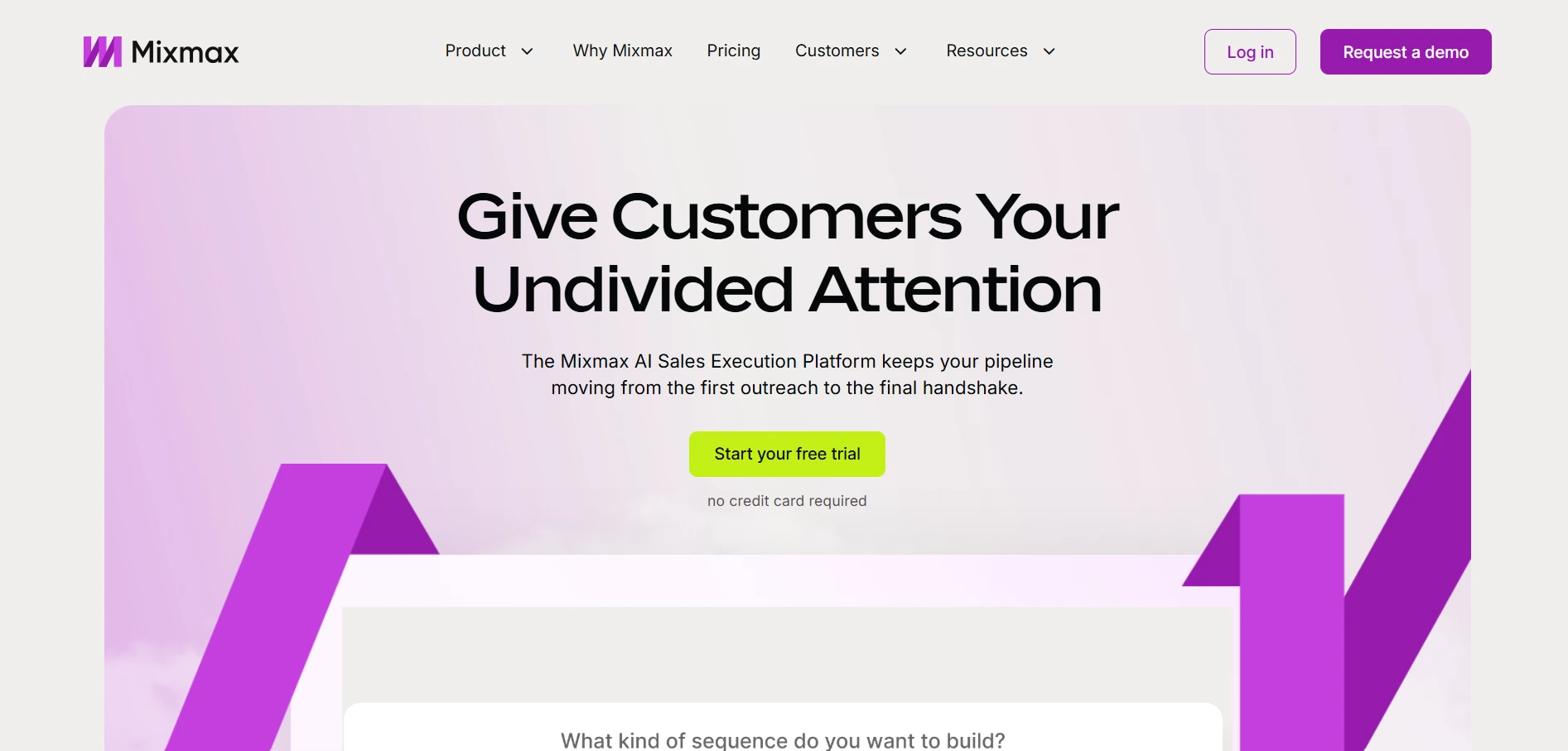
Both tools focus on lightweight sequencing inside Gmail environments. They are suited for teams that prefer simplicity over infrastructure-heavy systems.
Key Features
Pros
Limitations
Pricing Monthly subscription plans based on seats and features.
Choosing between email sequencing tools can get confusing fast. This table gives you a quick side-by-side view of AI depth, warm-up support, lead data, and pricing.
Use it to narrow your options before diving deeper. The differences below will help you spot which platform fits your outbound model quickly.
Many email sequencing tools focus only on sending follow-ups. Oppora treats outbound as a connected system rather than a single feature.
Instead of stacking separate tools for data, automation, and deliverability, everything runs inside one workflow. This improves operational efficiency without adding technical complexity.
Most sequencing platforms handle only email steps and reminders. Teams still rely on separate tools for lead sourcing, deliverability control, reply handling, and workflow automation.
That often means exporting lists, syncing CRMs manually, and managing multiple dashboards. As outreach scales, this fragmented setup becomes harder to manage.
Oppora combines a built-in 700M+ lead database, AI-powered sequencing, mailbox rotation, and workflow automation in one system. This reduces tool switching and keeps outbound streamlined.
The advantage is fewer moving parts, not just more features. You spend less time managing systems and more time improving results.
Most tools stop at sending follow-up emails. After that, you still have to manually handle replies and manage next steps.
Oppora goes further by automating what happens after someone responds. It can reply from your inbox, answer common questions, qualify interest, and book meetings automatically.
Its AI also generates personalized email content for each step without using spin-text patterns. That means every message feels natural instead of recycled.
The focus is not just on sending emails, but on running the entire outbound workflow in one place. This reduces manual work and keeps conversations moving without constant supervision.
Scaling outreach usually requires multiple inboxes and external warm-up tools. Without safeguards, higher volume increases deliverability risk.
Oppora includes domain warm-up control, volume management, and multi-mailbox scaling inside the same system. Its flexible credit model supports growth without rigid seat-based pricing.
Rather than claiming to be simply the best, Oppora is designed for teams that want sequencing, automation, and data in one environment. That design reduces operational friction as outbound expands.
Email sequencing tools are no longer optional in 2026. If you want predictable outbound results, structured follow-ups must run automatically and intelligently.
Automation alone does not drive replies anymore. Real success now comes from combining automation, AI-powered personalization, and strong deliverability control in one workflow.
Every tool in this list serves a different type of team and growth stage. Some focus on volume, others on CRM integration, and some on creative personalization.
If you need sequencing, AI personalization, and lead sourcing in one system, Oppora.ai stands out.
Email sequencing tools automate structured follow-ups so you don’t send emails manually. They allow you to build multi-step campaigns that send automatically and stop when a reply is detected.
The most important features are multi-step automation, AI personalization, reply detection, and deliverability safeguards like warm-up and inbox rotation. Without these, scaling outreach becomes difficult and risky.
Yes, many modern tools include built-in warm-up, bounce detection, and sending limits. These features help protect your domain reputation and improve inbox placement.
Bulk email tools focus mainly on sending large volumes of emails. Email sequencing tools focus on structured follow-ups, personalization, and maintaining consistent engagement over time.
The best option depends on your needs, but platforms that combine sequencing, AI personalization, deliverability, and lead sourcing in one system reduce tool stacking costs. If you need sequencing, AI personalization, and lead sourcing in one system, Oppora.ai stands out.
Summarize with AI
Share