Home
Blog
Find 500 B2B Contacts for Free Every Month with Built-In Outreach.
Home
Blog
Stephen Parker
Published March 30, 2026
10 min

Try Oppora AI
Create Self-Running Agentic Sales Workflows like N8N just by chatting with AI
Get Started for FREE
Sales teams are expected to close deals faster without increasing effort. But most pipelines slow down due to manual work and disconnected systems.
Reps often spend more time managing tools than actually selling. This creates delays, missed follow-ups, and inconsistent execution across the pipeline.
Sales acceleration tools solve this by streamlining prospecting, outreach, and follow-ups in one flow. They reduce manual effort and help teams move leads faster through each stage.
In this guide, we focus on tools that deliver real results, not just features. These platforms help sales teams stay consistent, improve efficiency, and close deals faster.
Sales acceleration tools are platforms designed to speed up the entire sales process. They help teams move leads faster from prospecting to closing without adding extra effort.
These tools also help manage leads across different stages of the pipeline. From initial contact to follow-ups, everything stays organized and trackable.
Sales acceleration tools work by automating tasks and connecting different parts of the sales process. They replace manual execution with structured workflows that improve speed and consistency.
These tools automate key activities like outreach and task management. This reduces manual effort and keeps execution consistent.
They connect multiple stages of the sales process into one system. This creates a smooth and continuous workflow.
These tools use data to improve how and when you reach out. This helps increase engagement and b2b cold email response rates.
They replace manual processes with predefined workflows. This improves consistency and reduces delays.
Choosing the right tool depends on how well it improves execution, not just features. Below are platforms that help sales teams move faster, stay consistent, and close deals efficiently.
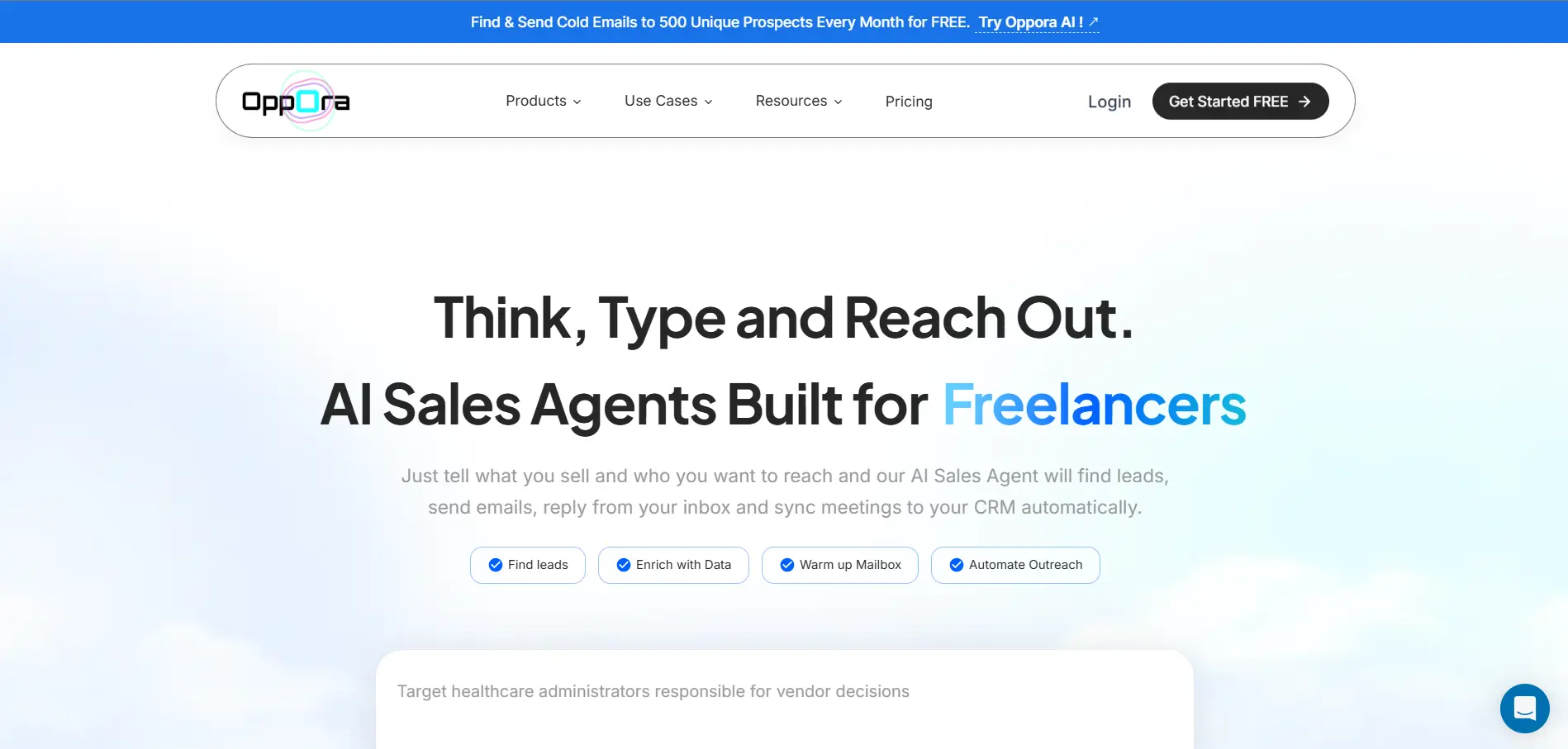
Oppora.ai is an all-in-one platform that connects lead generation, outreach, and follow-ups into one workflow. It helps teams run complete outbound campaigns without switching between tools.
Oppora combines data, workflow automation, and execution into a single system. It helps teams manage the full sales process from prospecting to closing.
Oppora is ideal for teams that want to simplify outbound and scale efficiently. It works well for different business sizes and sales structures.
Oppora requires a basic understanding of workflows to get the best results. Once configured, it becomes easy to manage and scale campaigns.
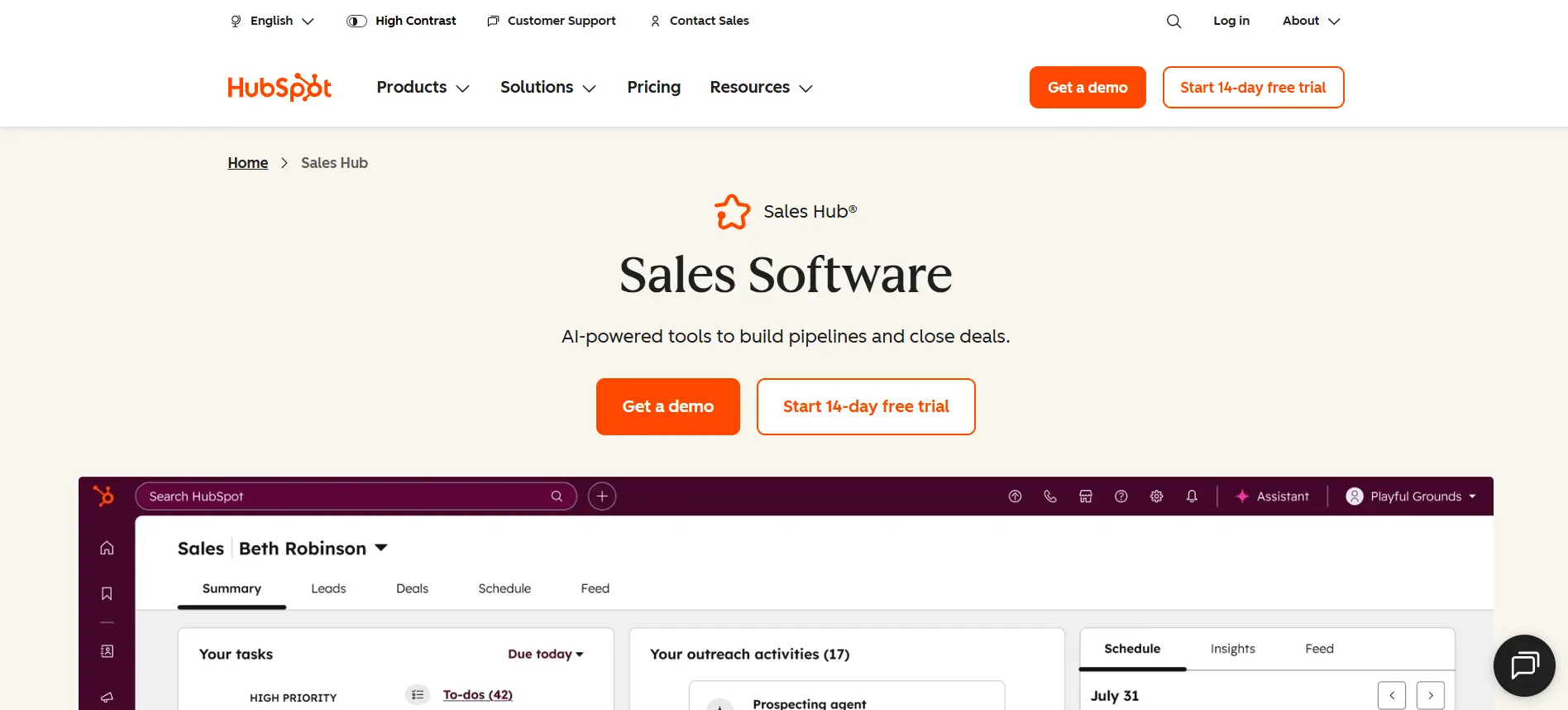
HubSpot Sales Hub is a CRM-focused platform that helps teams manage pipelines, track deals, and automate sales activities. It is widely used for organizing sales processes and improving visibility.
HubSpot focuses on pipeline management and sales tracking. It helps teams organize deals and improve collaboration.
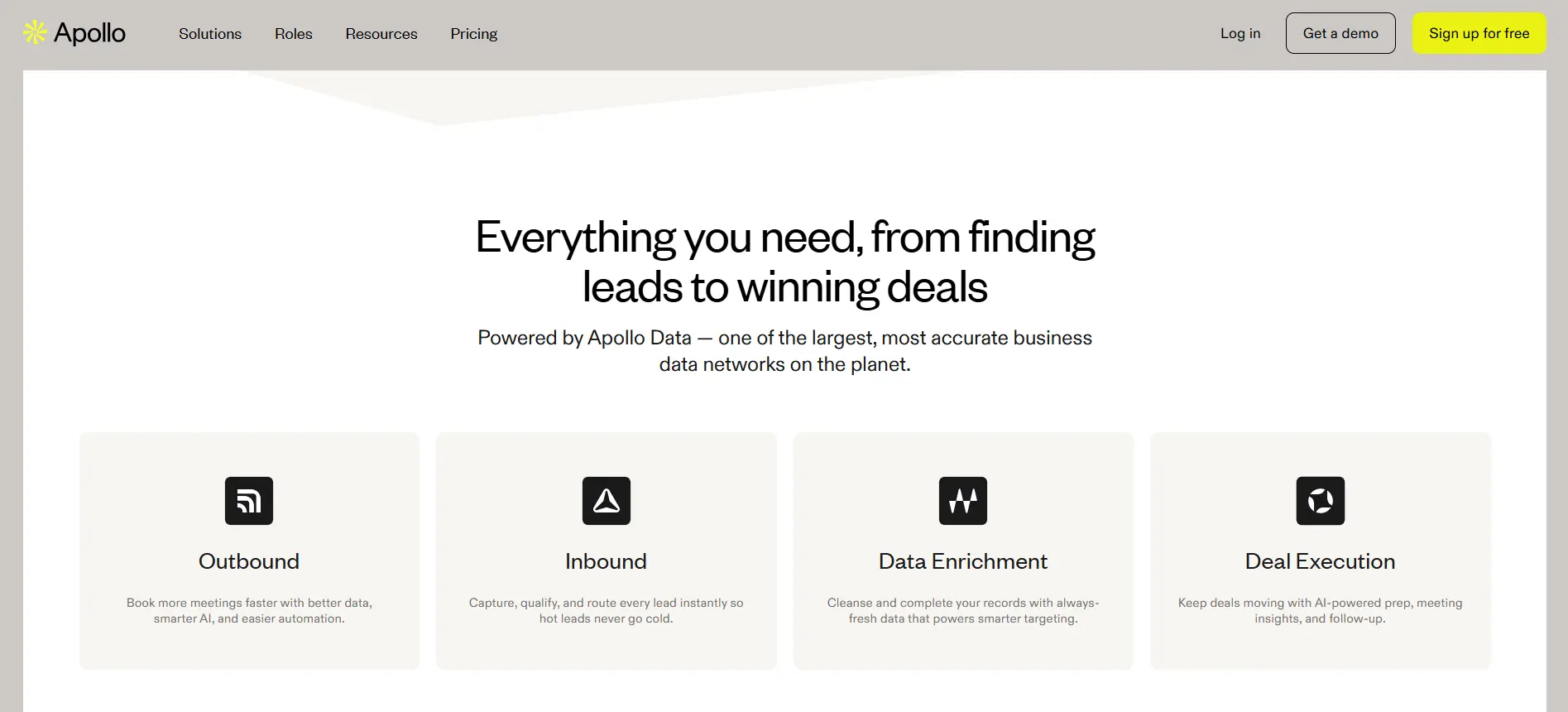
Apollo.io combines lead data and outreach tools into one platform. It helps teams find prospects and run outbound campaigns from a single interface.
Apollo focuses on combining data access with outreach execution. It is useful for teams starting outbound.
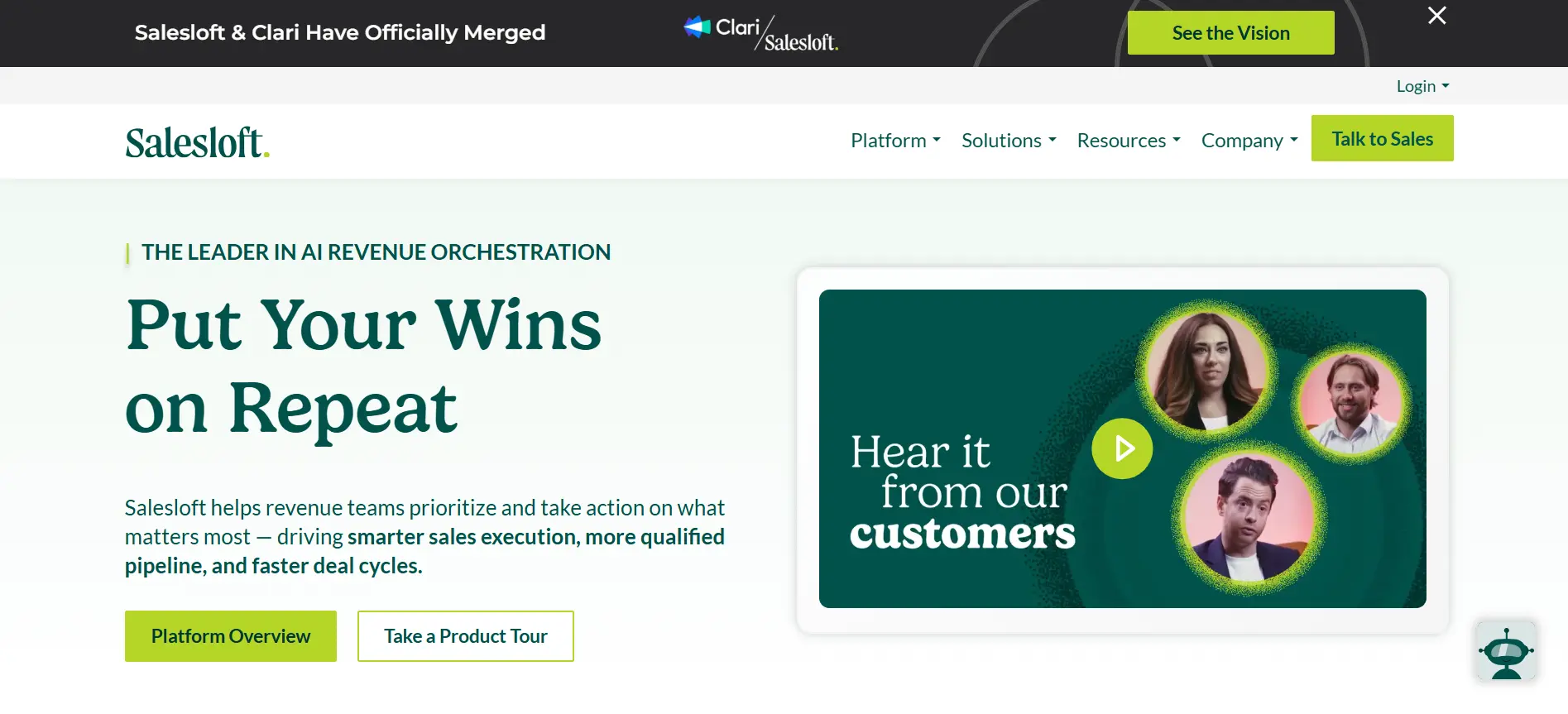
Salesloft is a sales engagement platform designed to improve outreach execution. It is commonly used by SDR teams to manage sequences and follow-ups.
Salesloft focuses on structured outreach workflows and performance tracking. It helps teams stay consistent in communication.
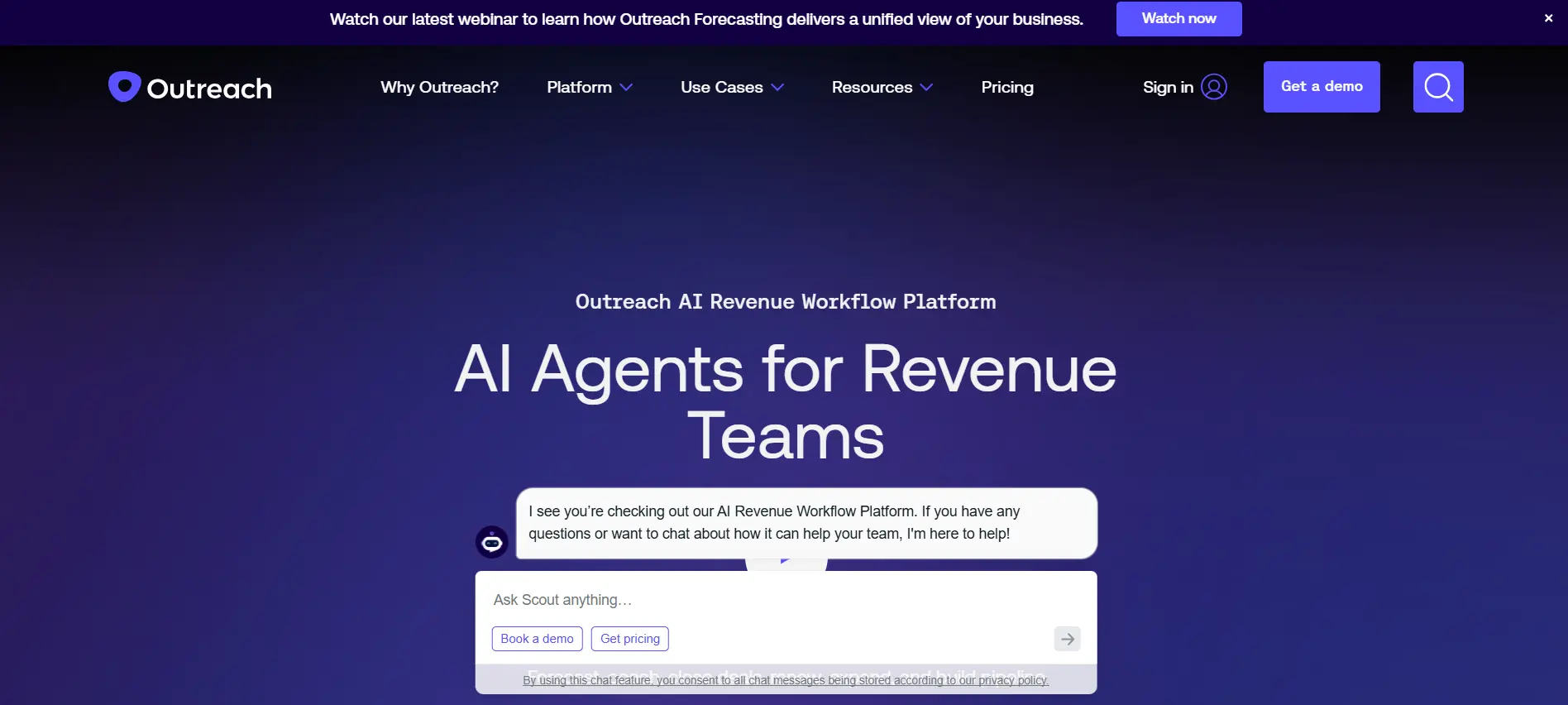
Outreach is an enterprise-grade sales engagement platform. It helps teams manage large-scale outbound programs with advanced automation.
Outreach focuses on scaling outbound efforts with structured workflows and analytics.
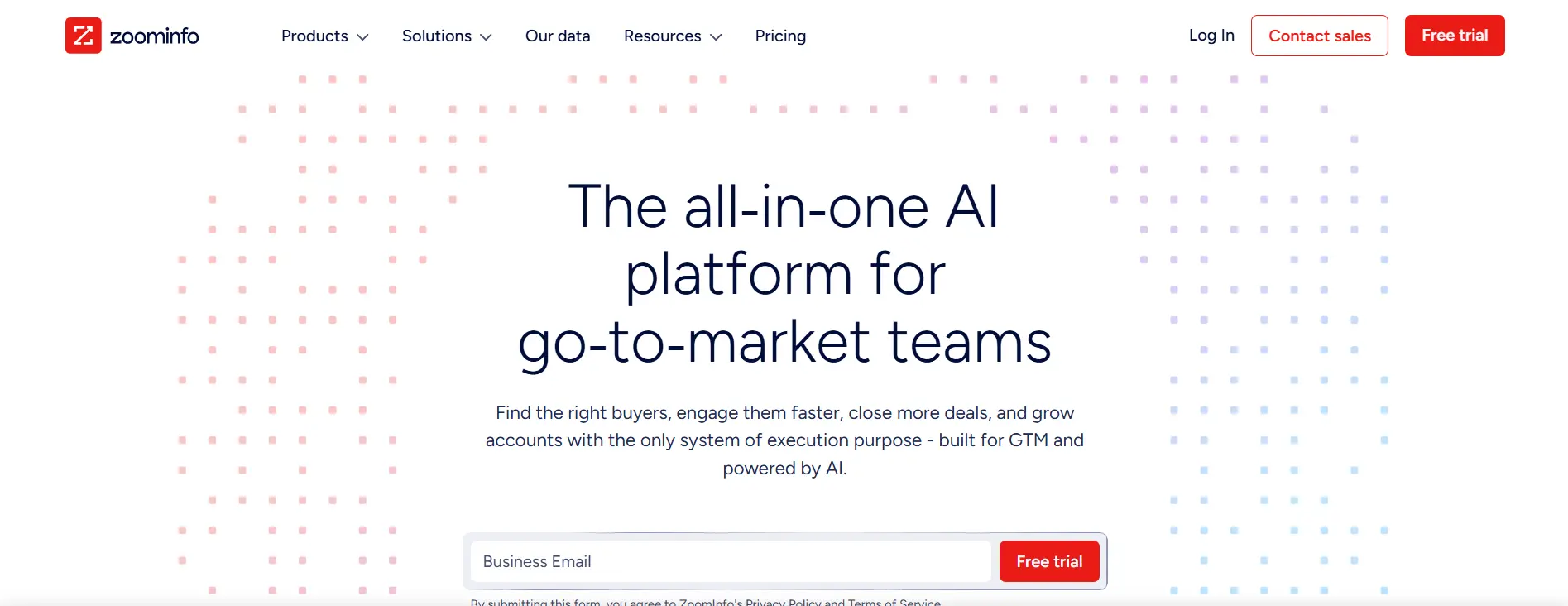
ZoomInfo is a data-driven platform known for its large contact database. It is mainly used for lead research and enrichment.
ZoomInfo focuses on providing high-quality data for prospecting and targeting.
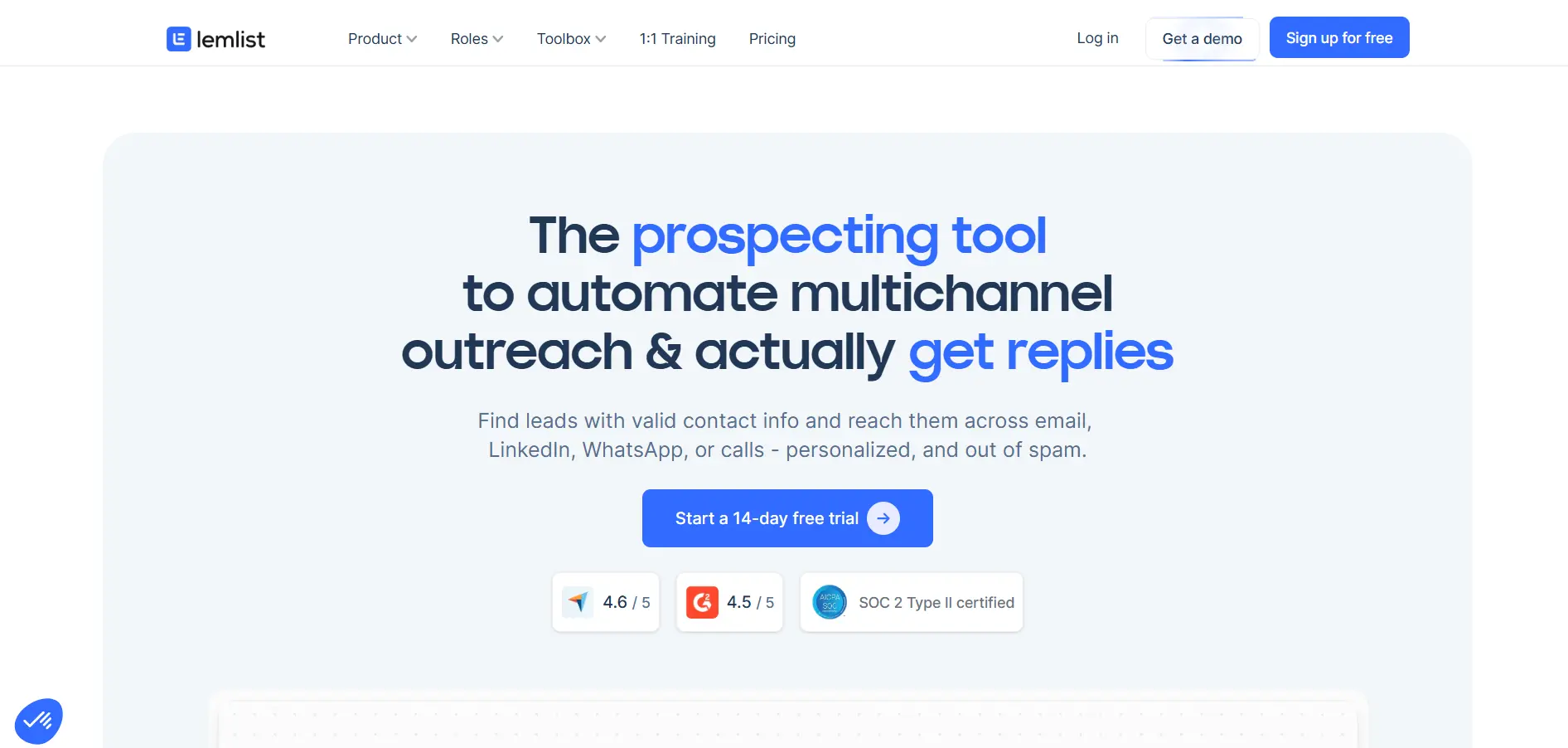
Lemlist is focused on cold email outreach and personalization. It helps teams create engaging campaigns with simple automation.
Lemlist focuses on improving email engagement through personalization.
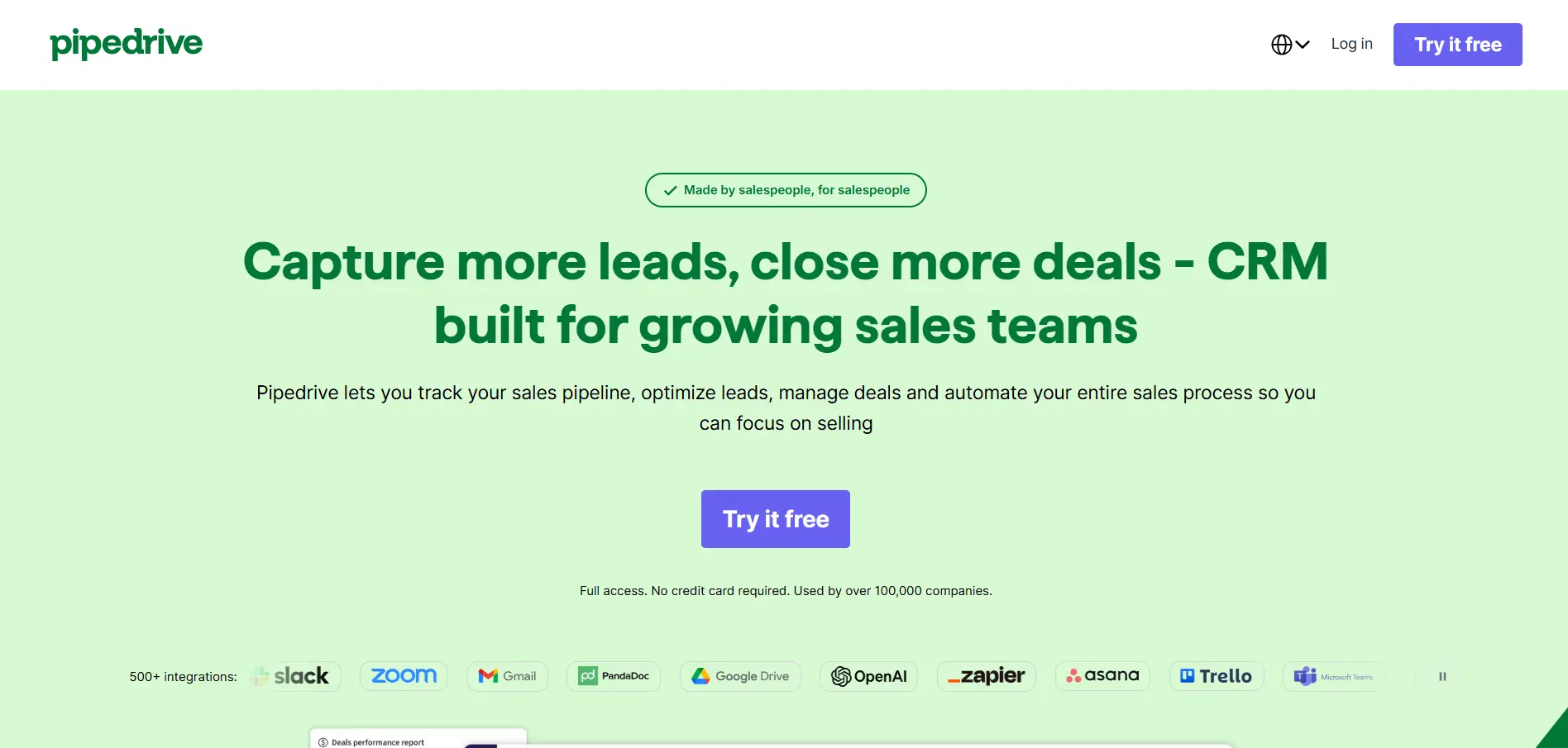
Pipedrive is a simple CRM designed for small teams. It focuses on managing deals and tracking pipeline progress.
Pipedrive focuses on simplicity and ease of use for pipeline management.
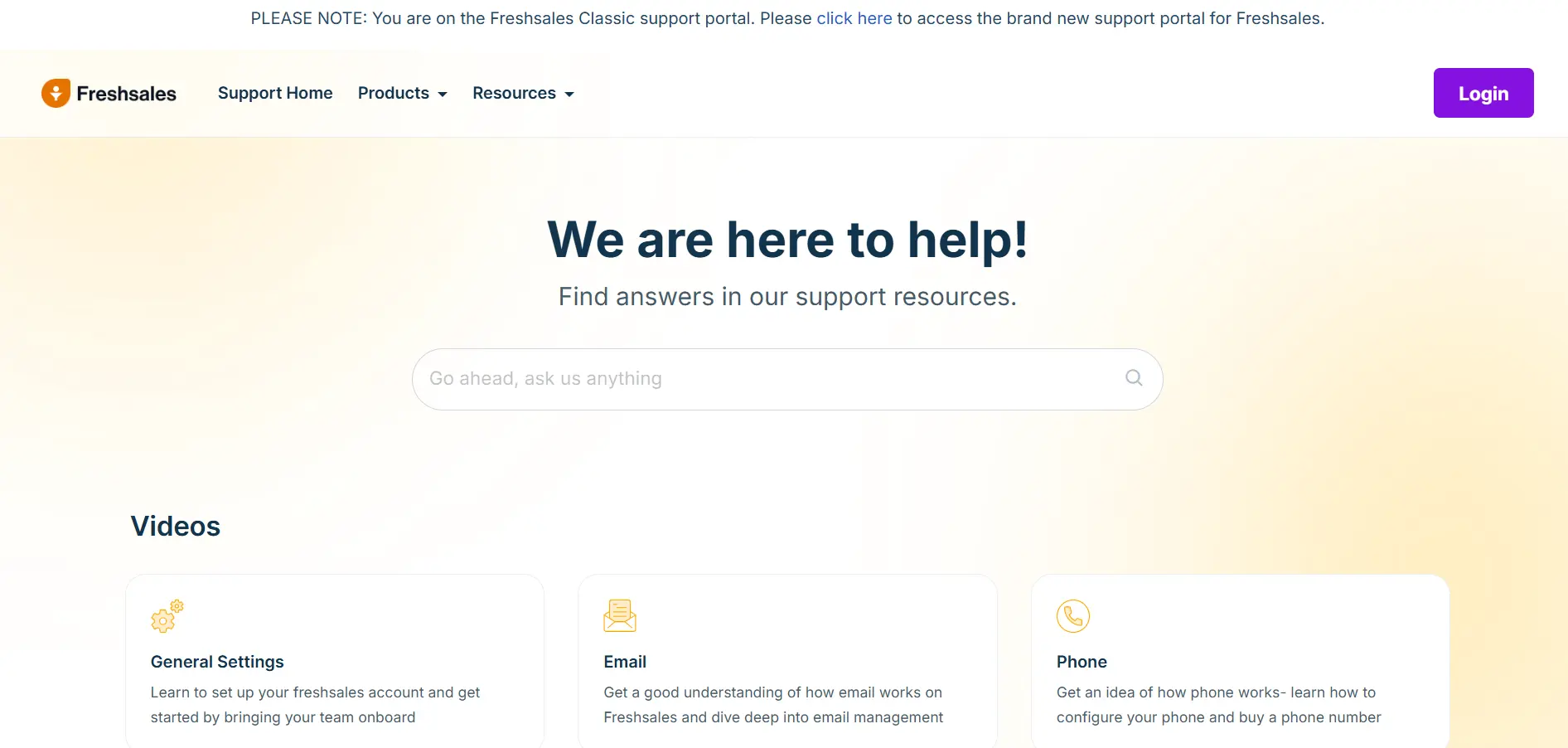
Freshsales combines CRM and communication tools in one platform. It helps manage customer interactions and sales activities.
Freshsales focuses on combining communication and CRM in one place.
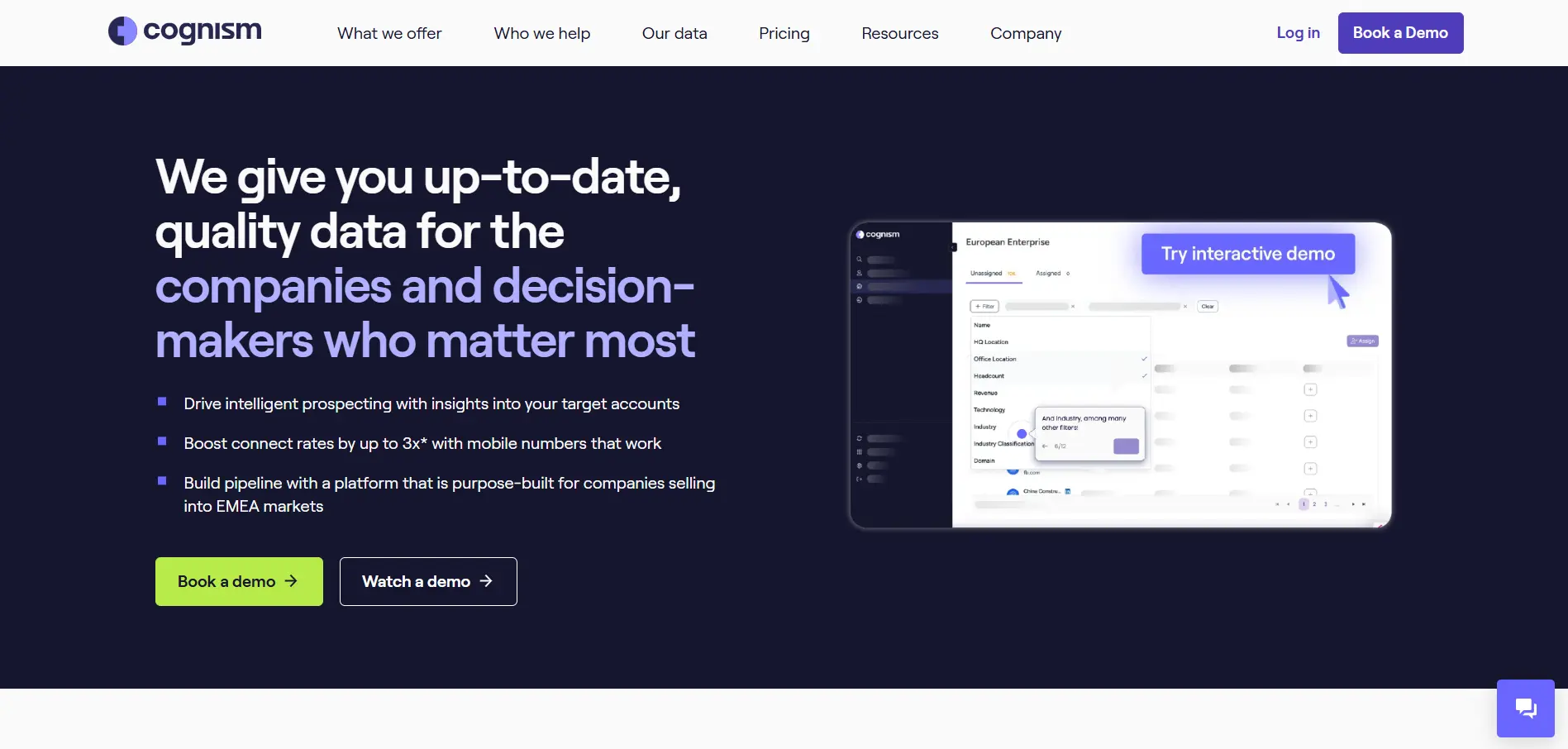
Cognism provides compliant B2B data, especially for European markets. It focuses on high-quality and GDPR-compliant data.
Cognism focuses on compliance and data accuracy for global prospecting.
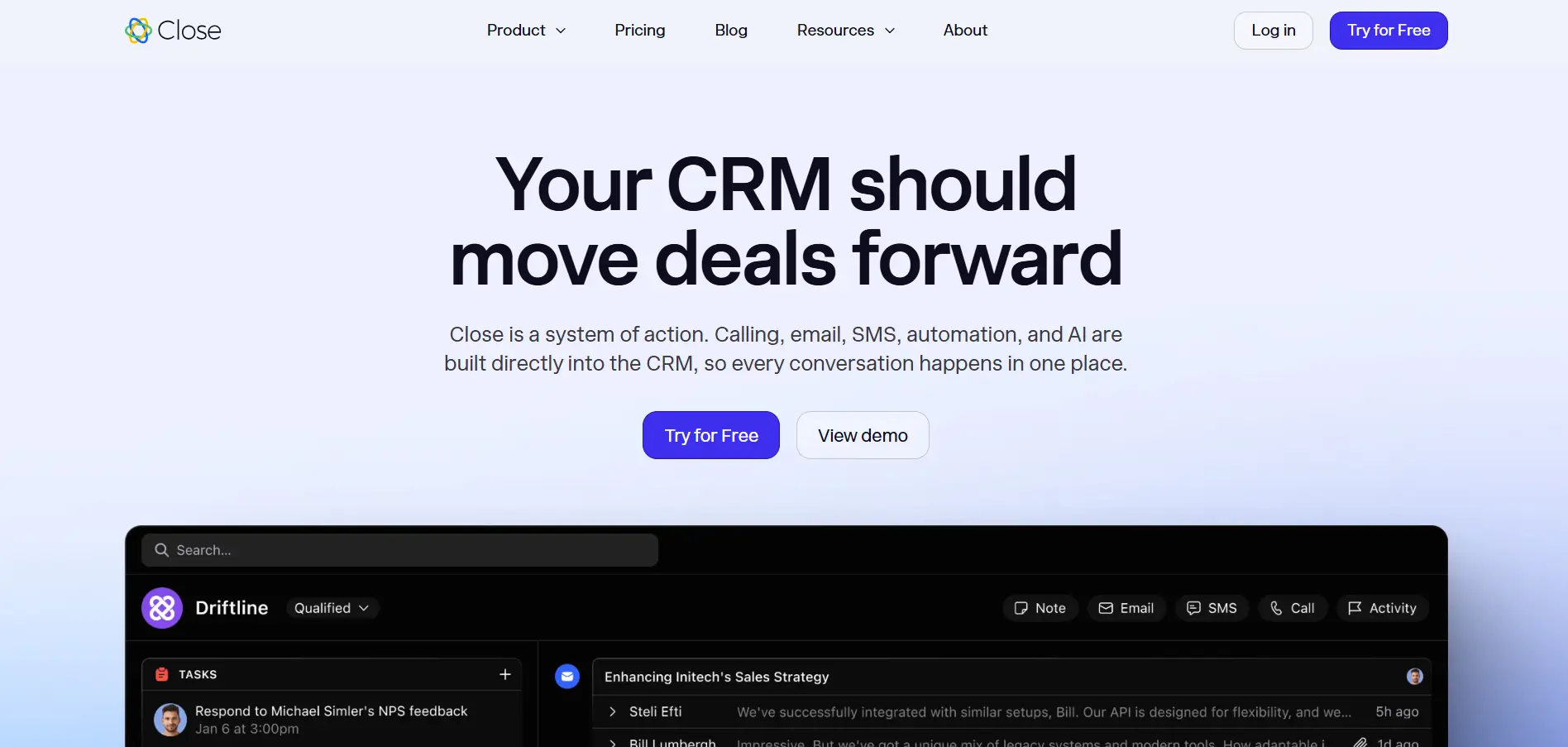
Close is a CRM built for SMBs with a focus on communication. It helps teams manage calls and emails efficiently.
Close focuses on communication-first sales workflows.
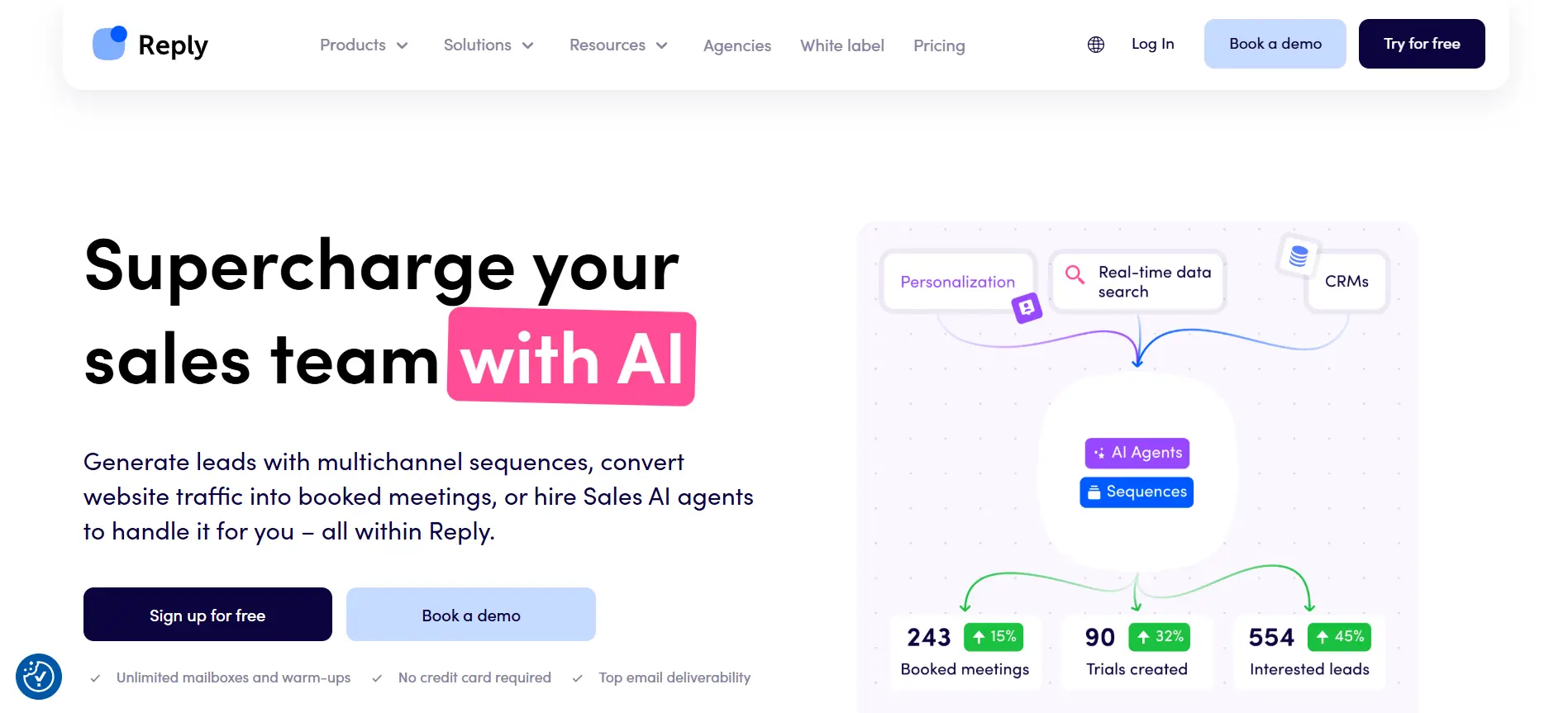
Reply.io is a multichannel outreach platform. It helps teams run campaigns across email, calls, and social channels.
Reply.io focuses on multichannel engagement and automation.
A quick comparison helps you understand how each tool performs across key areas like data, automation, and usability. This makes it easier to choose based on your workflow and team needs.
This comparison highlights that tools differ based on focus areas like data, automation, or CRM. Choosing the right one depends on whether you need an all-in-one system or a specialized solution.
Choosing the right tool depends on your workflow and current challenges, not just features. The goal is to remove bottlenecks and improve execution across your sales process.
Start by understanding where your sales process slows down the most. This helps you choose a tool that solves the right problem.
Using multiple tools can create more problems than it solves. It increases complexity and makes execution harder to manage.
Your tools should work together as one system, not in isolation. A connected workflow ensures smooth execution across all stages.
Sales acceleration tools help teams move faster by reducing manual work and improving consistency. They allow sales reps to focus more on selling instead of managing tasks.
By connecting prospecting, outreach, and follow-ups, these tools create a structured workflow. This makes pipelines more predictable and easier to manage.
The right tool depends on your workflow and where your bottlenecks exist. Choosing a system that fits your process can significantly improve results.
If you want a setup that combines data, automation, and execution in one place, tools like Oppora.ai can help simplify your outbound workflow and scale it efficiently.
Sales acceleration tools are used to speed up the sales process by automating tasks like lead generation, outreach, and follow-ups. They help teams stay consistent and manage pipelines more efficiently.
Startups usually benefit from all-in-one tools that combine data, outreach, and automation. Platforms like Oppora.ai or Apollo.io help reduce tool dependency and simplify execution.
They improve response rates by enabling better targeting, consistent follow-ups, and optimized timing. Automation ensures no lead is missed and outreach stays structured.
Not necessarily. Using too many tools can create complexity and slow down execution. Many teams prefer all-in-one platforms to manage the full workflow in one place.
Start by identifying your biggest bottleneck, such as lead generation or outreach. Then choose a tool that solves that specific problem while fitting into your existing workflow.
Summarize with AI
Share