Home
Blog
Find & Send Cold Emails to 500 Unique Prospects Every Month for FREE.
Home
Blog
Adam Hossain
Published February 9, 2026
11 min
Try Oppora AI
Create Self-Running Agentic Sales Workflows like N8N just by chatting with AI
Get Started for FREE
An AI SDR agent is a system designed to automate early-stage sales development tasks such as prospect research, outreach, follow-ups, and basic qualification.
Sales teams are turning to AI SDR agents to scale outreach without increasing headcount.
This guide reviews 12 tools based on ROI impact, feature depth, and pricing behavior.
It explains which parts of the SDR workflow each AI SDR agent replaces, where different tools fit best, and how teams can choose the right option without overpaying or adding unnecessary complexity.
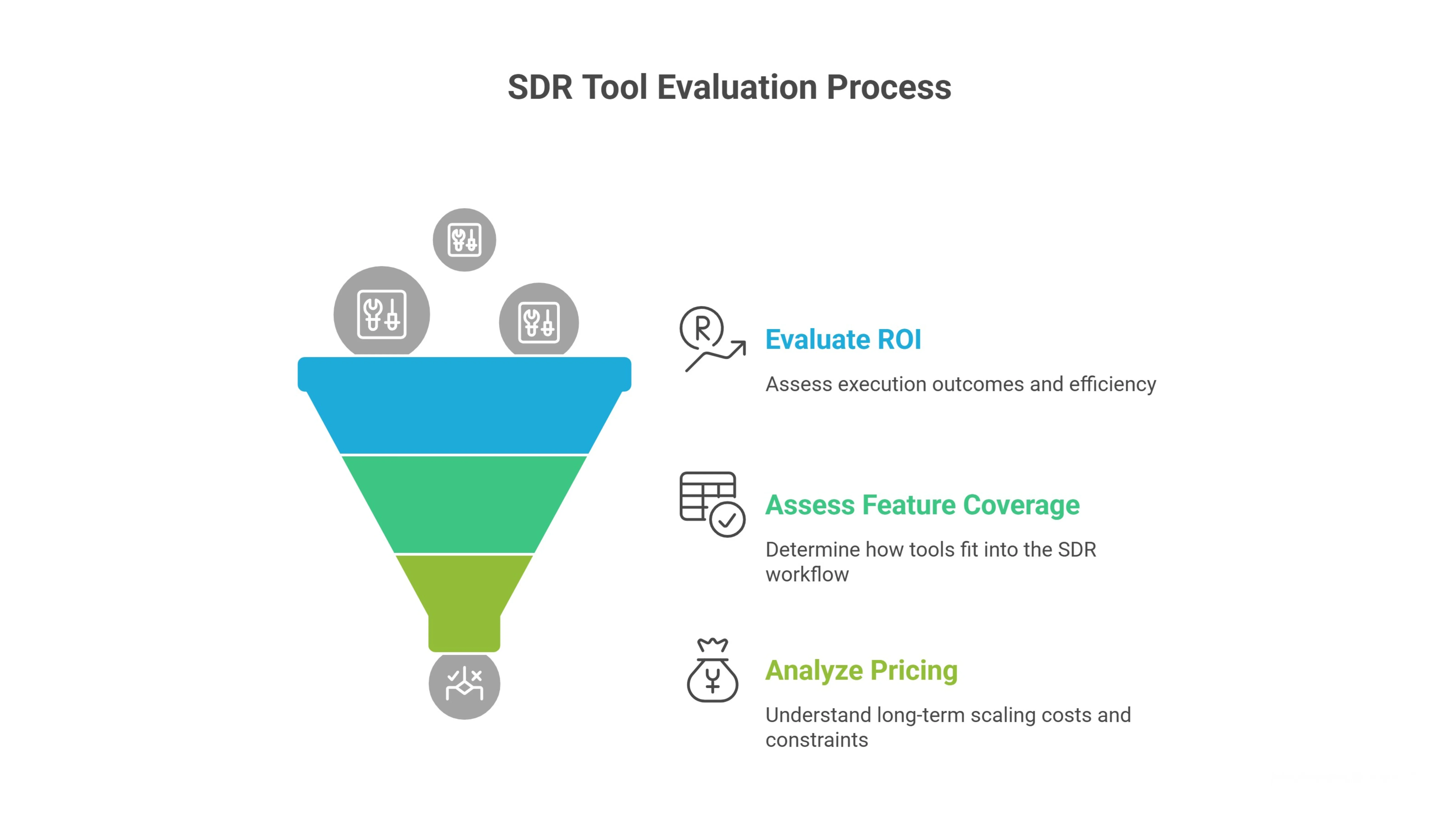
Each tool in this list is evaluated using the same criteria to keep comparisons consistent.
The focus is on measurable sales impact, workflow coverage, and pricing behavior at scale.
This avoids feature-only reviews that don’t translate into real SDR performance or predictable cost control.
Evaluation focuses on execution outcomes, not surface metrics.
Key signals include:
Tools can still fail ROI if they introduce cleanup work, create poor-fit meetings, or cause inconsistent handoffs that slow execution and add operational friction.
Each tool is reviewed based on where it fits within the SDR workflow.
Coverage is assessed across:
Broader coverage often reduces tool sprawl and prevents execution gaps between stages.
Pricing is evaluated for transparency and long-term scaling behavior.
Attention is given to hidden constraints such as:
The goal is to understand how costs behave after early traction, not just at entry-level plans.
Each AI SDR agent is presented using a consistent structure to support quick scanning and shortlisting.
Options are positioned by primary use case, SDR workflow coverage, and pricing behavior, helping teams compare tradeoffs efficiently without digging through long feature descriptions.
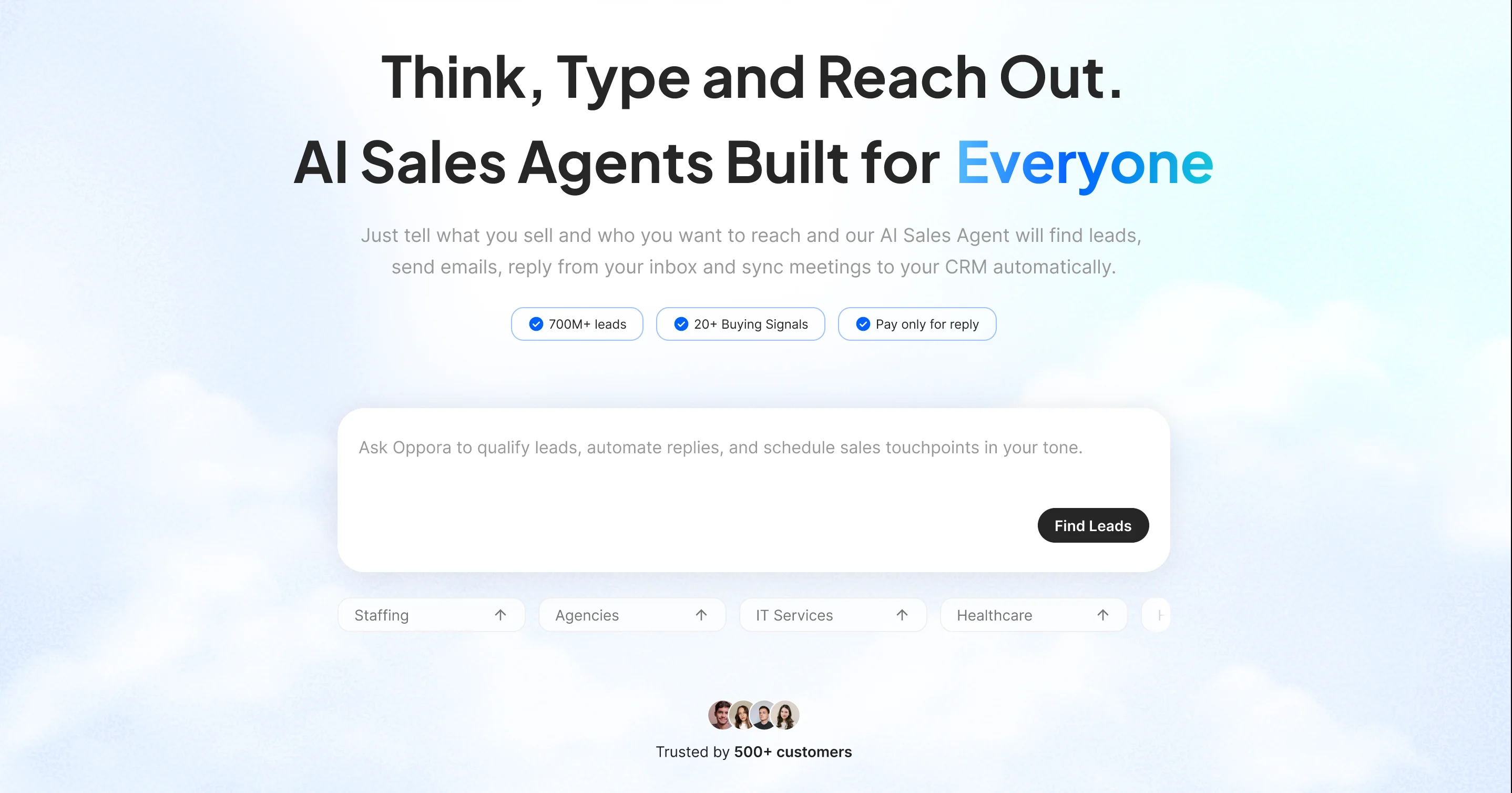
Outbound SDR teams often struggle with fragmented tools for sourcing, enrichment, sequencing, sending, and reply handling.
This leads to missed follow-ups and broken execution.
Oppora addresses this as an agentic sales platform.
It runs outbound as a connected system, where teams build end-to-end workflows by chatting with AI.
The experience feels like n8n for sales execution, without visual builders or complex logic, keeping execution continuous and consistent at scale.
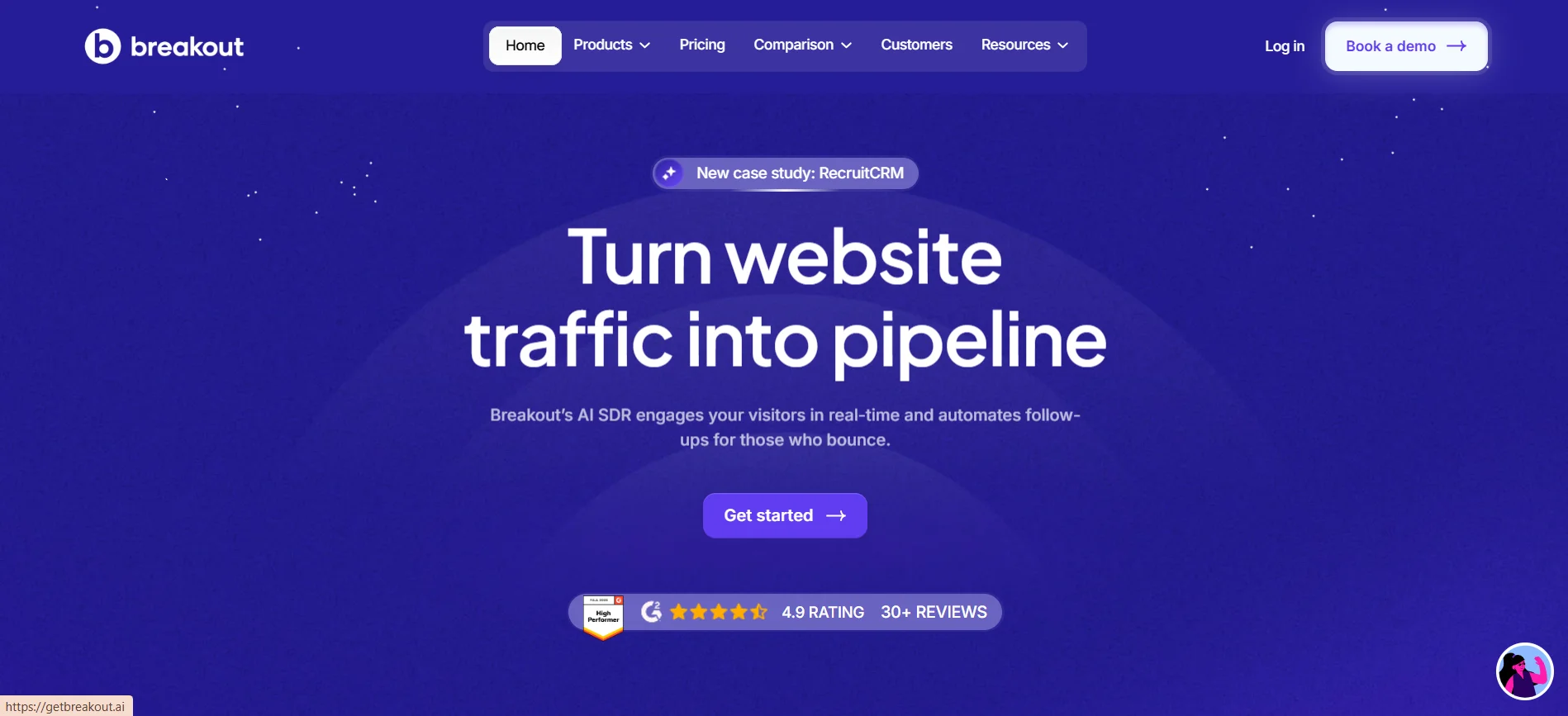
Breakout focuses on inbound conversion by engaging website visitors in real time.
It qualifies intent through structured questions and guides prospects toward meetings or clear next steps.
The platform works best when website traffic already exists and faster response is needed to prevent drop-offs and lost inbound pipeline opportunities.
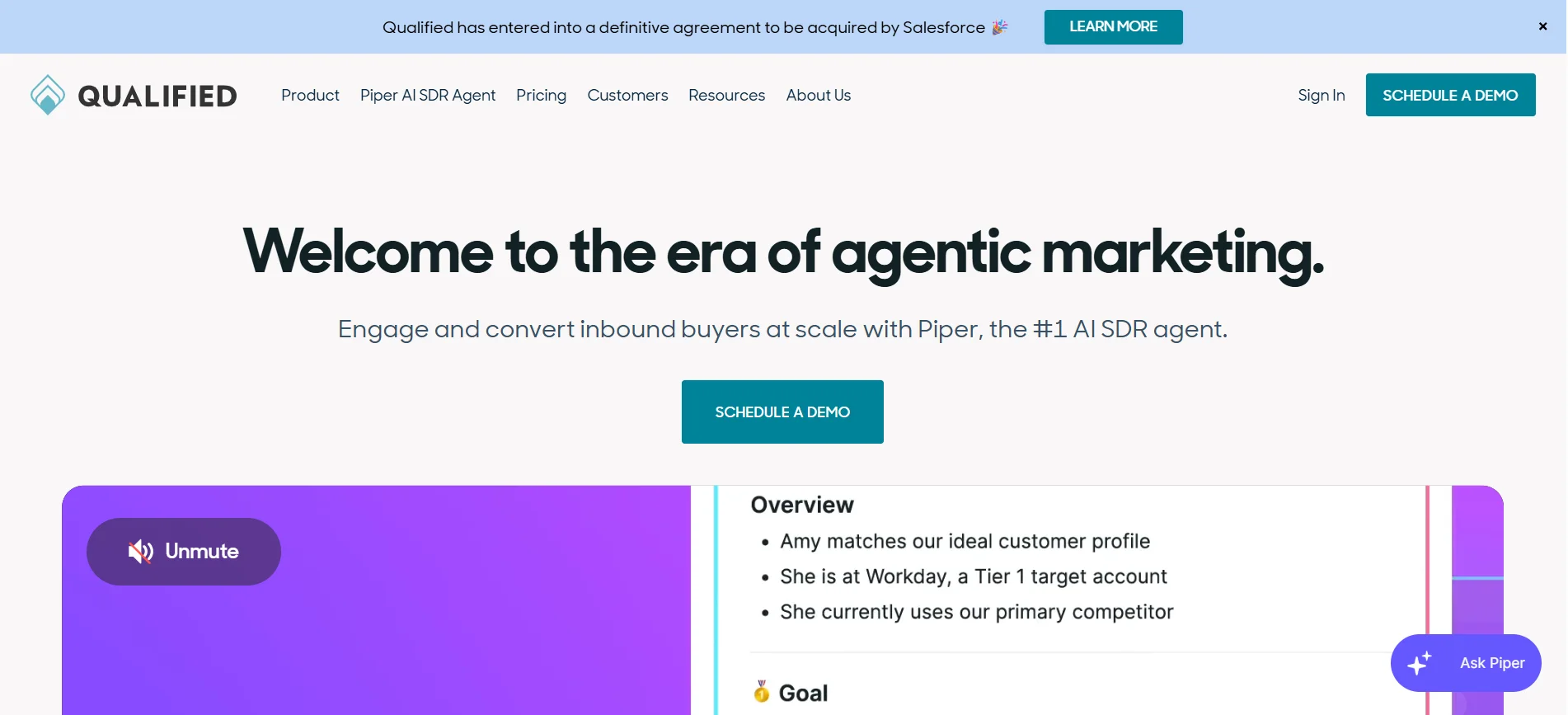
Qualified’s Piper converts inbound demand into qualified sales conversations.
It identifies buyer intent, engages visitors with structured questions, and routes prospects into sales workflows.
The focus is faster response times, better meeting quality, and consistent handoffs for teams relying on inbound leads across funnel stages and conversion performance metrics overall.
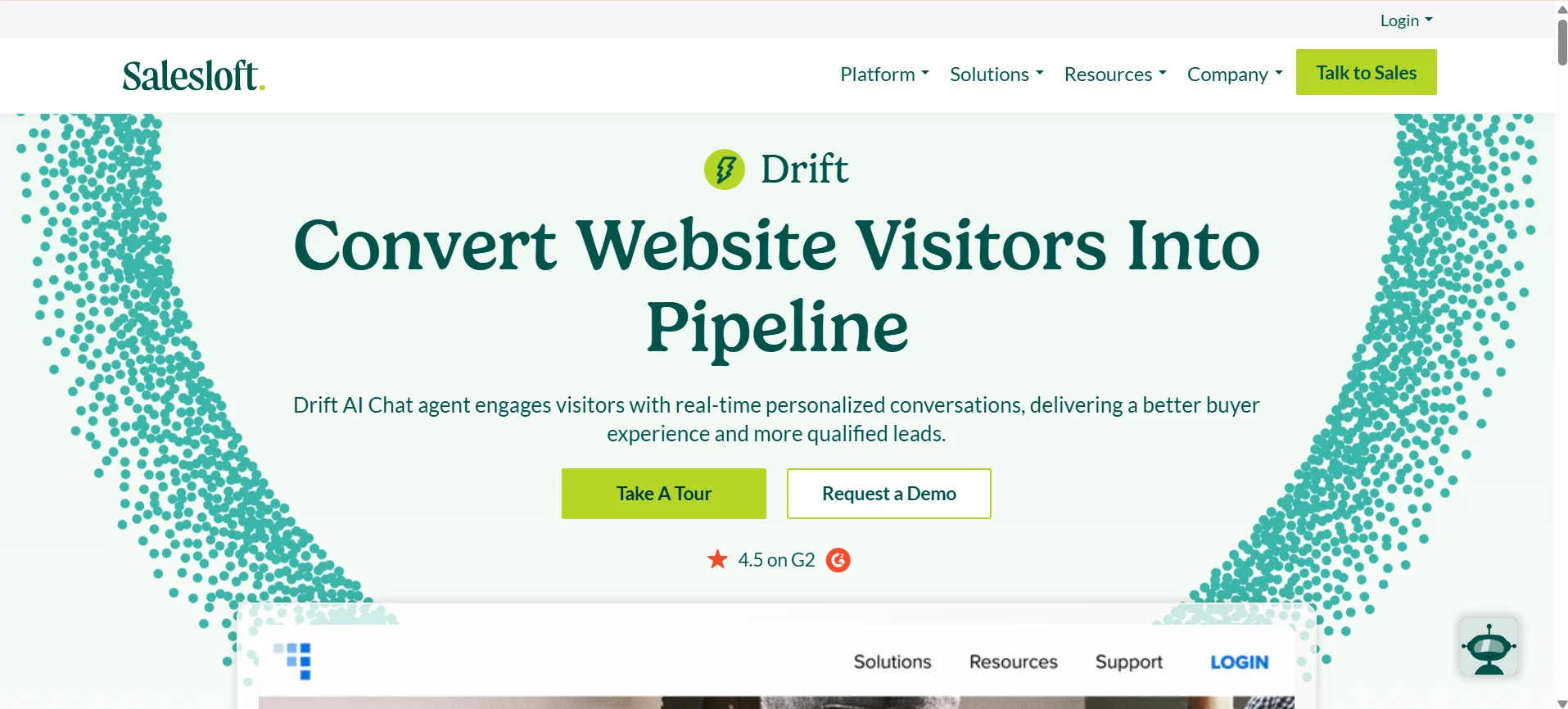
Drift uses conversation-led inbound engagement to guide website visitors toward sales conversations and meetings.
It responds in real time, asks qualification questions, and captures intent while buyers are active.
This helps reduce response delays and improves conversion from high-intent inbound traffic.
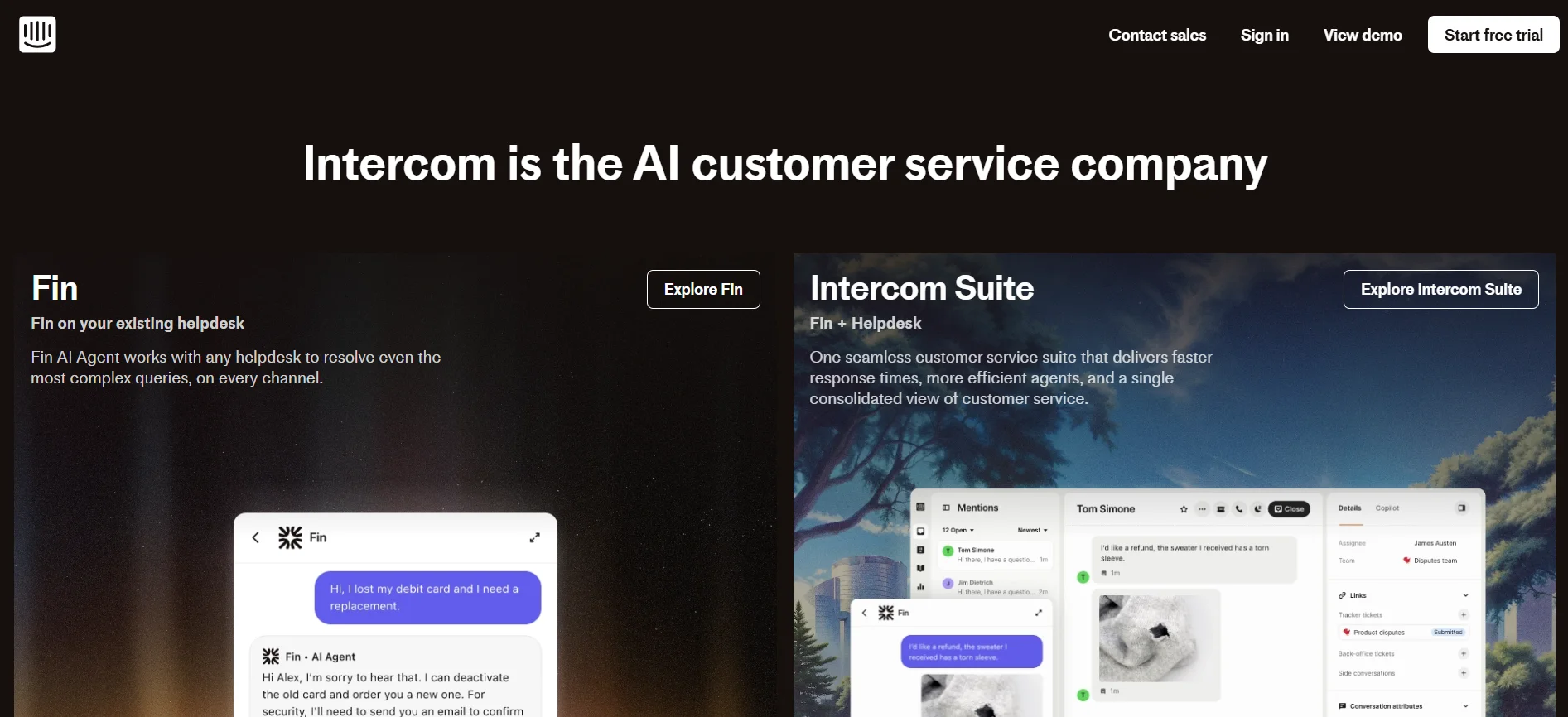
Fin manages inbound conversations and handles common product and pre-sales questions without human intervention.
It identifies basic buying signals and directs relevant conversations to sales or support teams.
This keeps inbound communication organized and ensures prospects receive timely, consistent responses during peak chat activity.
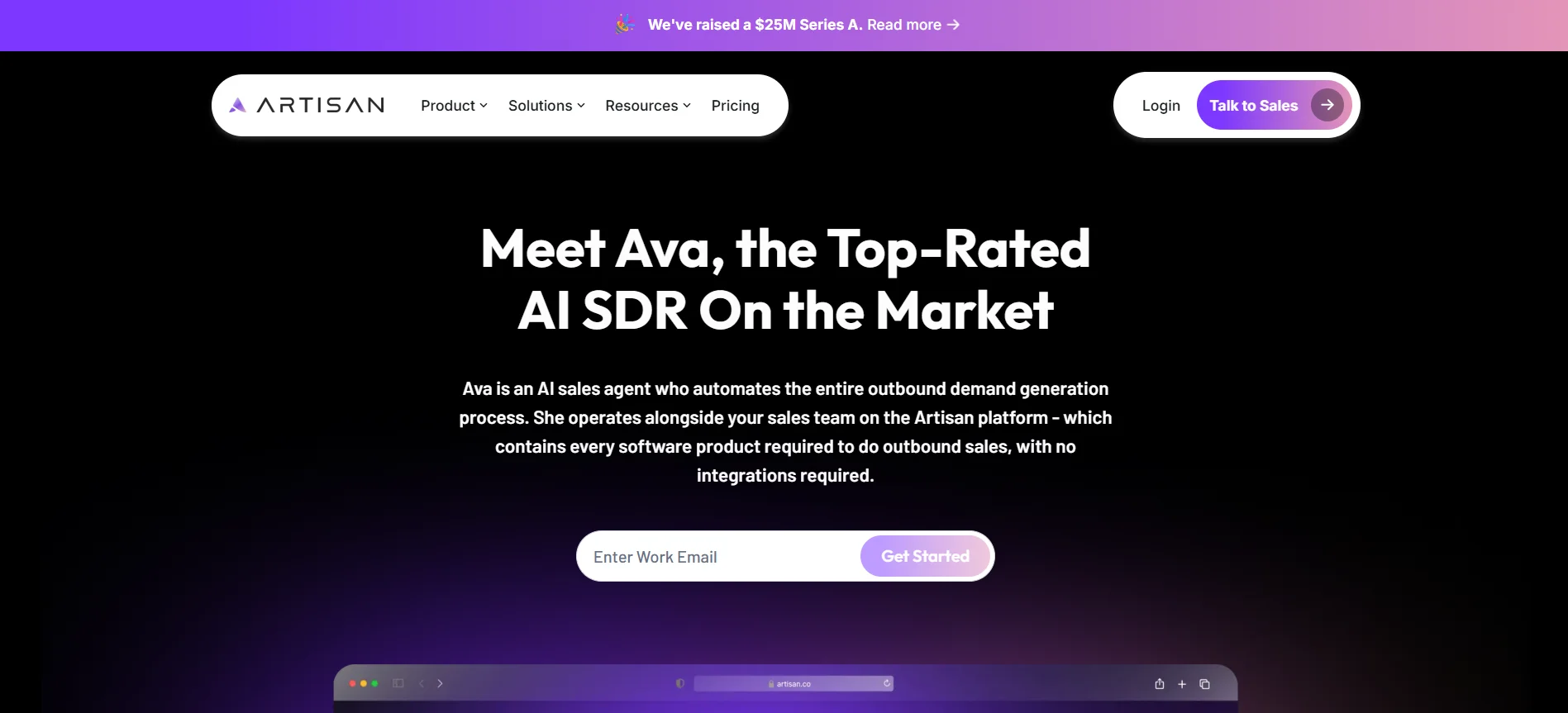
Ava automates outbound execution with a strong emphasis on autonomy and consistency.
It runs outreach and follow-up sequences with minimal human involvement once workflows are defined.
The focus is on maintaining steady execution quality as outbound volume scales.
11x.ai focuses on automating outbound outreach across multiple channels.
It helps teams coordinate messaging and follow-ups while keeping execution consistent.
The platform is designed for structured outbound motions with defined targeting and sequencing rules.
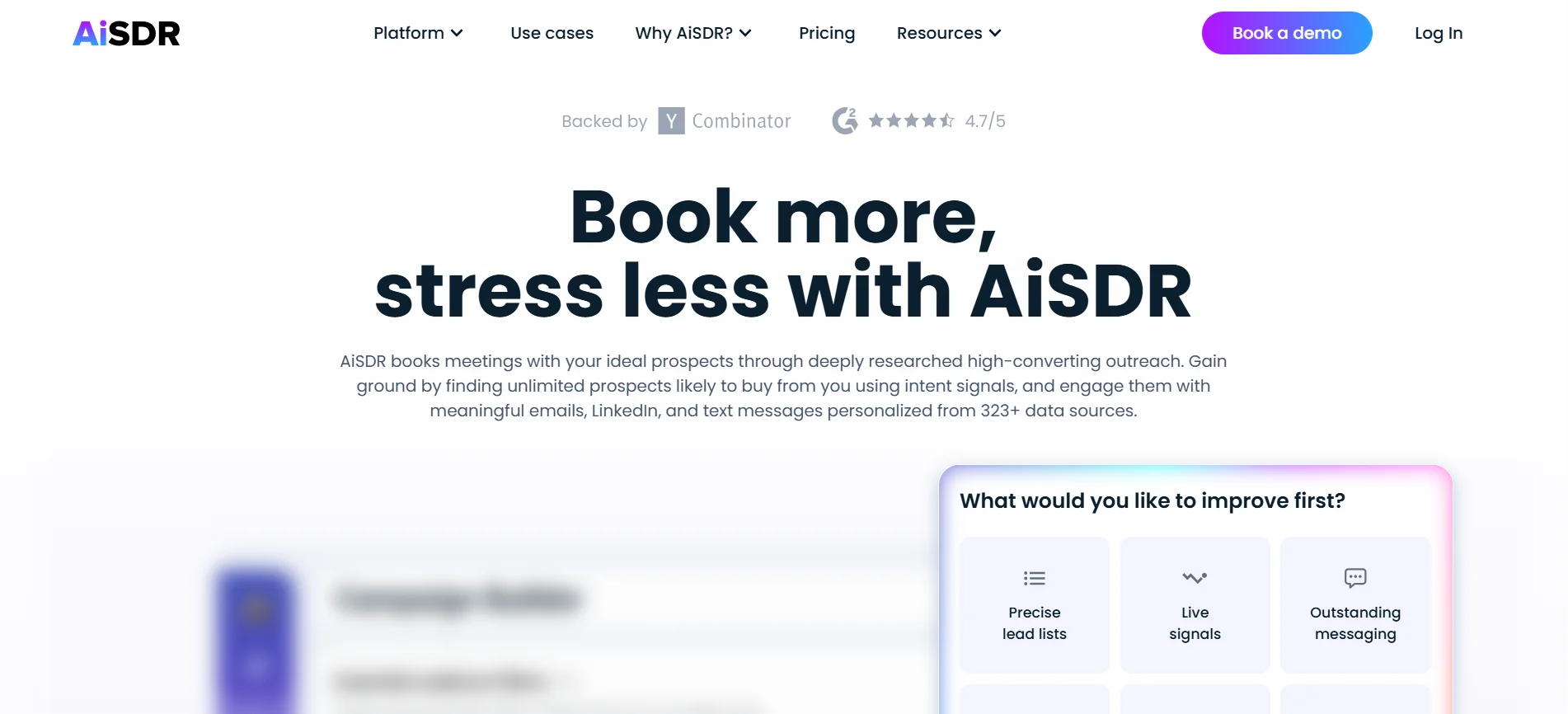
AiSDR focuses on aligning outbound outreach with existing CRM workflows.
It helps teams automate messaging and follow-ups while preserving reporting accuracy and lifecycle rules.
The platform is designed to keep sales activity structured without disrupting attribution or pipeline visibility.
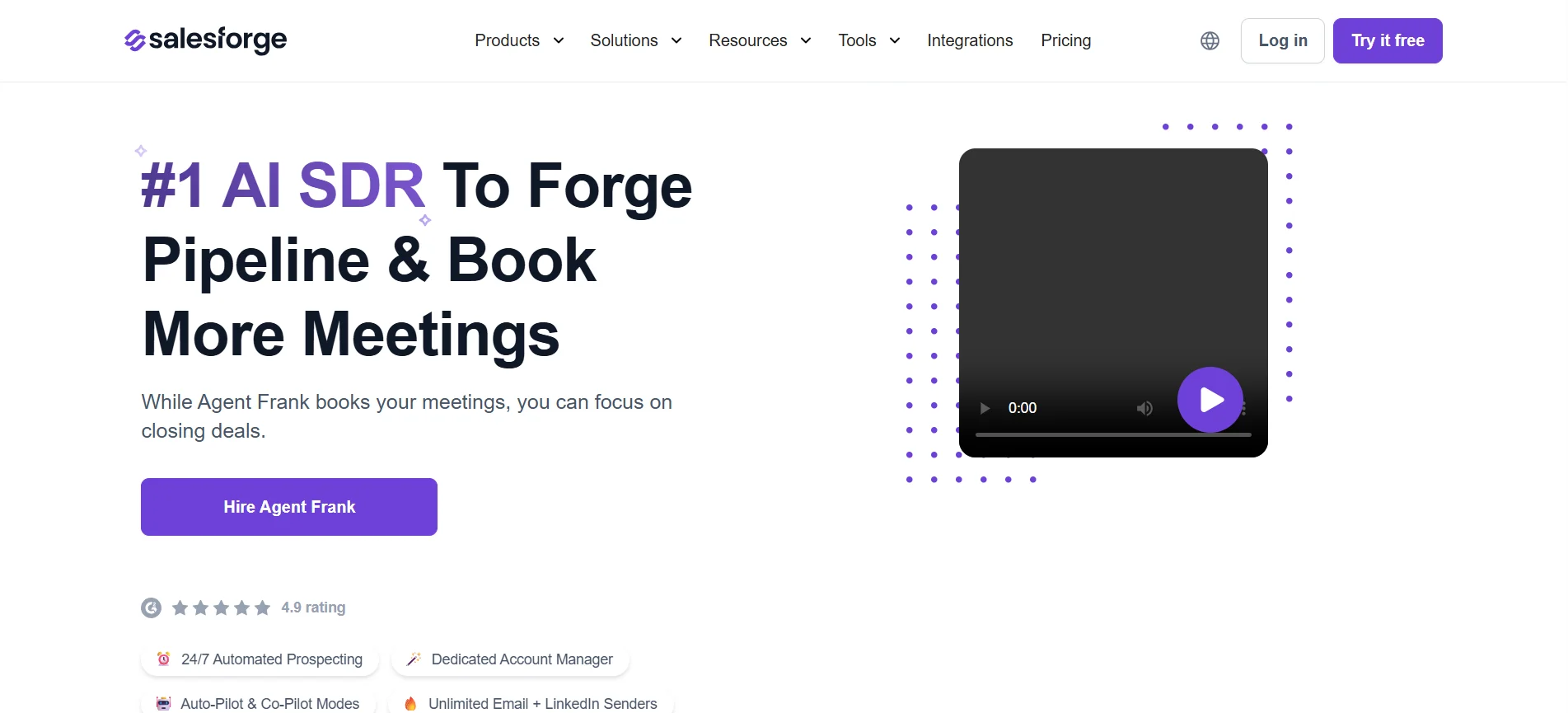
Agent Frank supports cold outreach through an automation-first and deliverability-aware approach.
It helps teams maintain consistent execution across sequences while managing follow-ups at scale.
The focus is on protecting sender reputation and keeping outbound activity predictable.
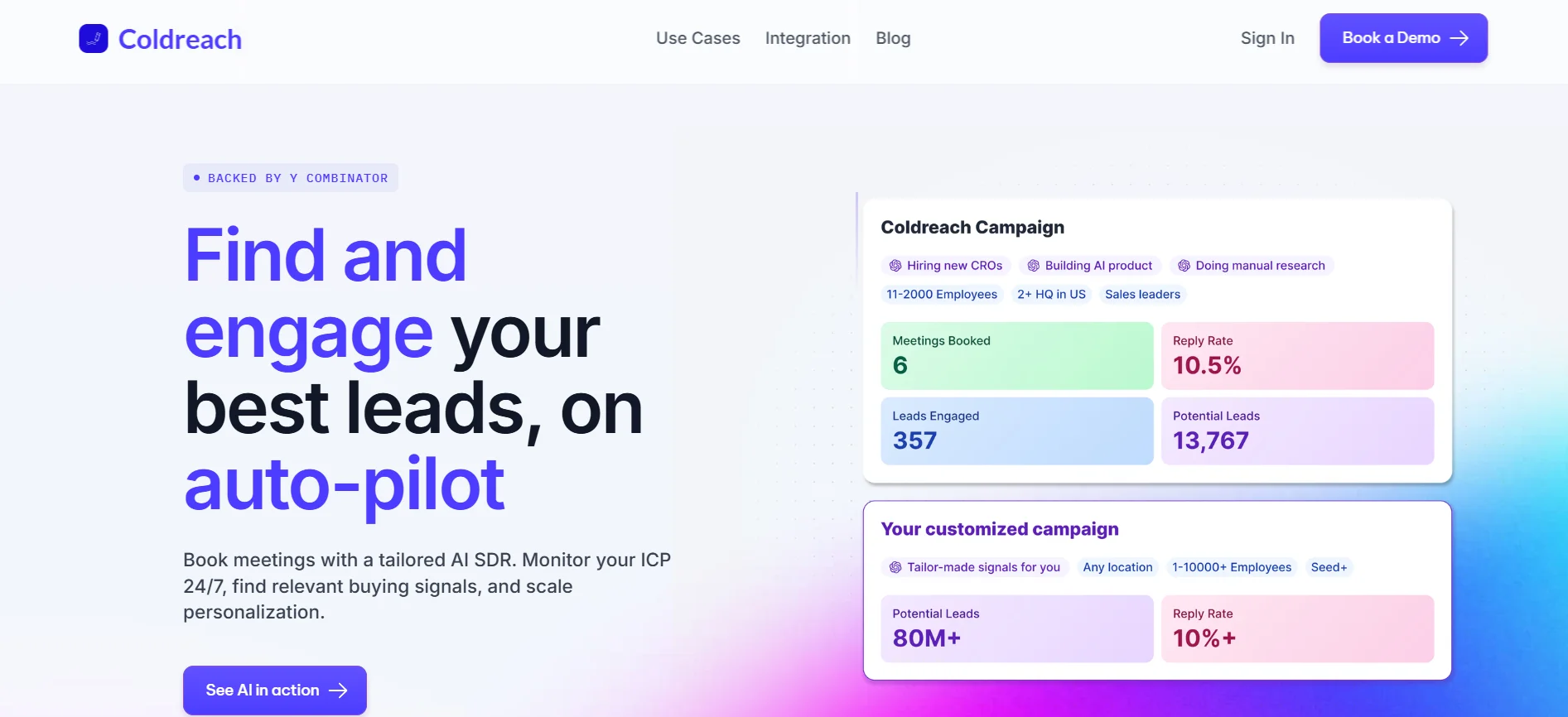
Coldreach focuses on timing outbound outreach using intent signals.
It triggers messages when buying signals appear, helping teams reach prospects at more relevant moments.
The approach favors precision and context over high-volume outbound execution.
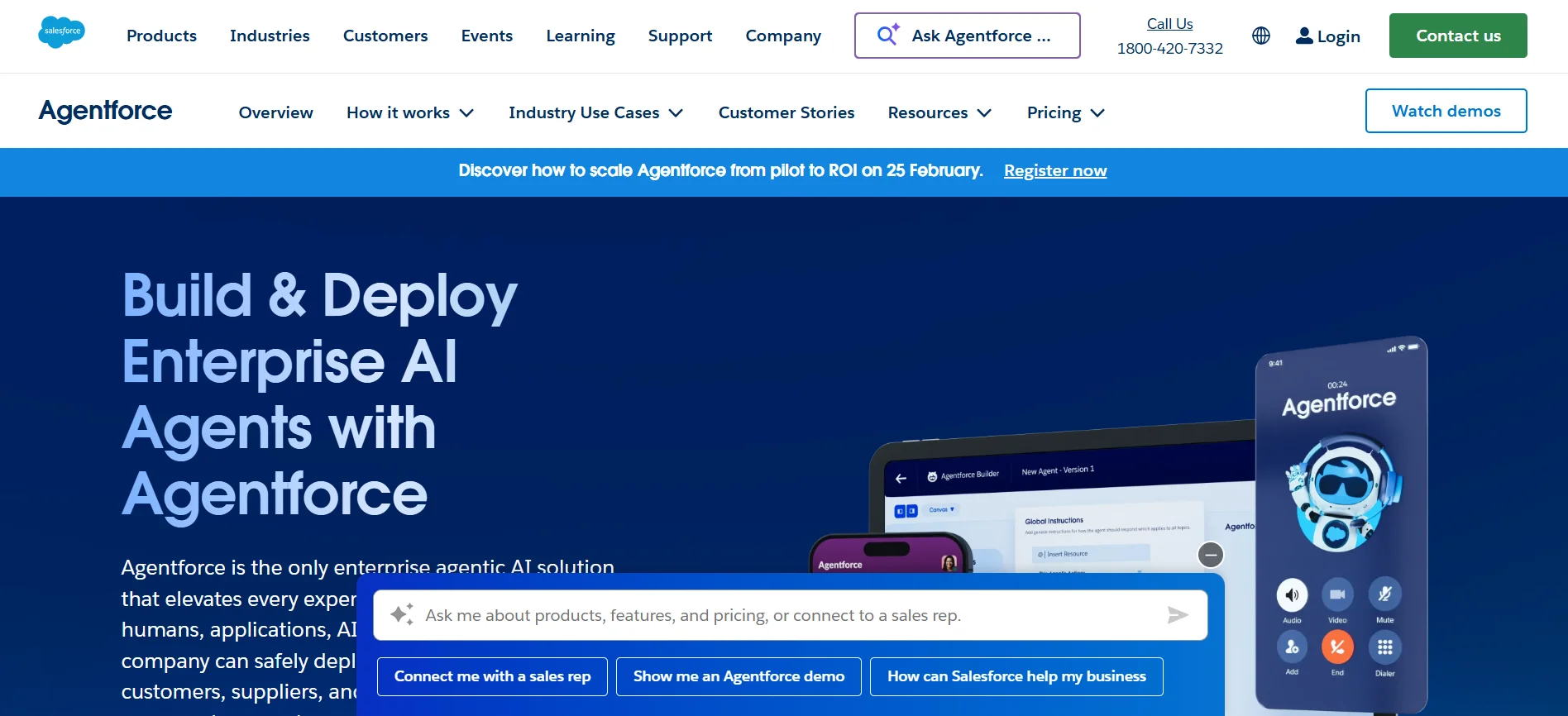
Agentforce brings AI-driven SDR automation directly into Salesforce.
It operates within native CRM workflows, using Salesforce data to trigger actions, route leads, and support sales execution.
The focus is governance, consistency, and controlled automation inside the Salesforce ecosystem.
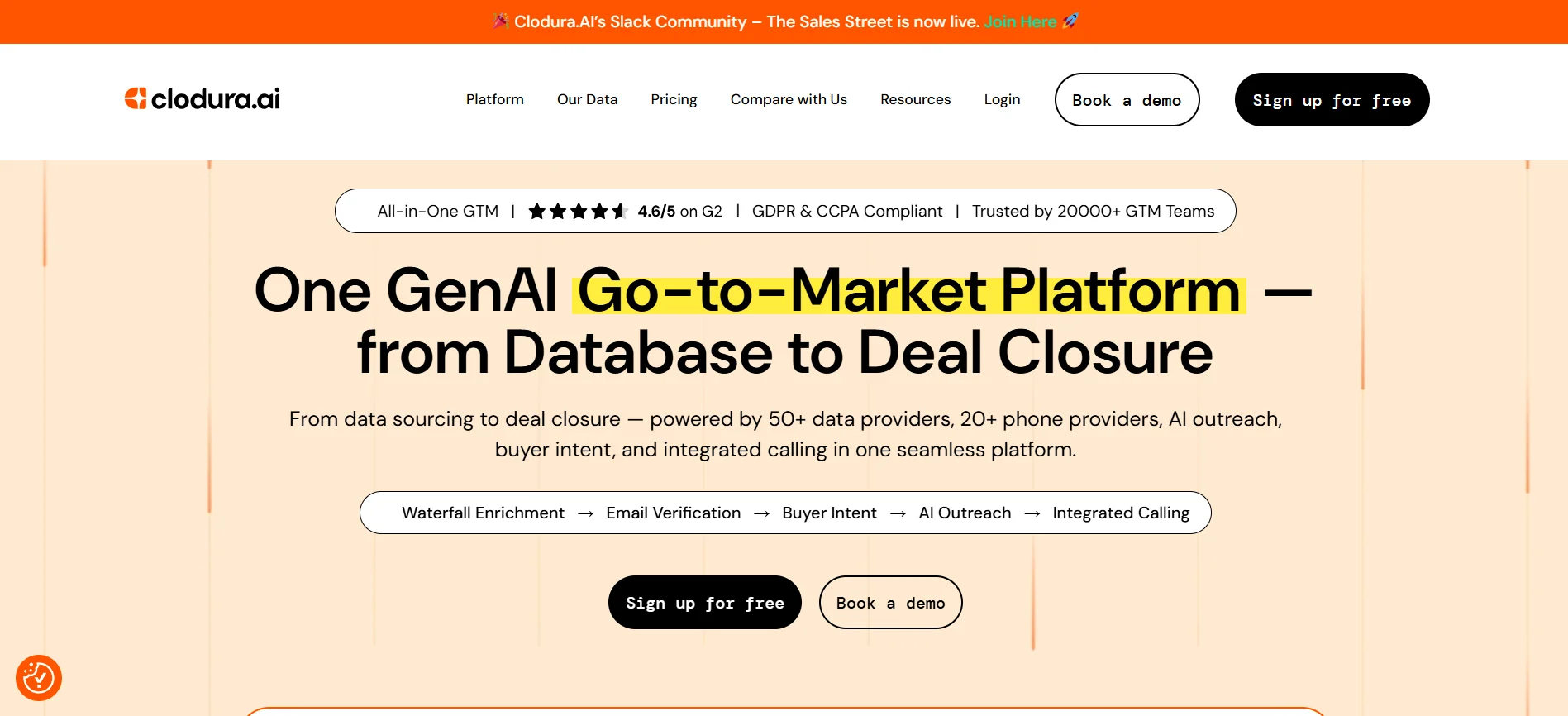
Clodura.AI combines sales intelligence with outbound prospecting to support list building and execution.
It focuses on helping teams identify the right accounts and contacts before outreach begins.
The platform emphasizes data accuracy and targeting precision over advanced message generation.
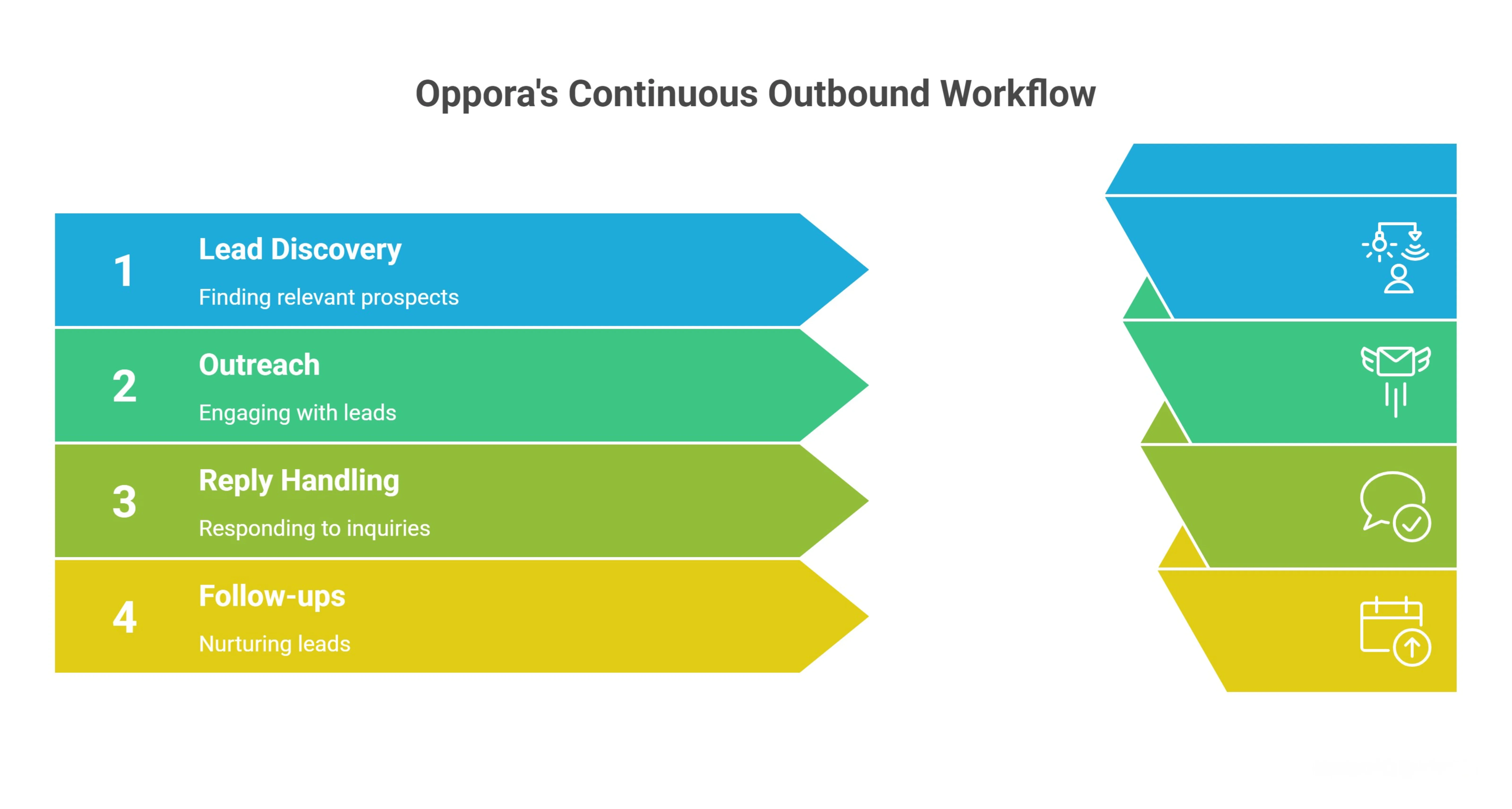
Most outbound tools work as point solutions.They automate a single step of the SDR process, while everything else stays fragmented.
Other systems push toward full autonomy, but often hide how decisions are made or how follow-through actually happens.
Oppora fits in a different place.It is built to run the outbound workflow continuously, not just assist individual tasks.
Oppora operates as an execution layer.
Instead of optimizing isolated actions like list building or email writing, it carries work from initial targeting through replies and outcomes.
This places it closer to an ai sdr agent in responsibility, while still keeping workflows visible and adjustable.
What defines this position is continuity:
This matters because outbound performance often breaks at transitions between sending and replying, or between interest and follow-up.
Oppora is structured to reduce those breaks.
In practice, it fits teams that value consistent execution over time rather than stacking disconnected automations.
It behaves less like a toolset and more like a coordinated ai sdr agent focused on end-to-end follow-through.
Choosing the right tool depends on how your sales team operates and where leads originate.
Some teams rely on inbound traffic, while others depend on outbound lists and follow-ups.
The goal is to align automation with your actual sales motion and avoid unnecessary spend on features that don’t impact pipeline.
Inbound tools perform best when website traffic drives pipeline and speed matters most.
Outbound tools work when growth depends on list quality, sequencing, and follow-up discipline.
Hybrid setups require clean handoffs and shared reporting.The best ai sdr agent for sales is the one that fits how work already flows, not one that forces a new motion.
Strong tools remove real bottlenecks such as slow response time, inconsistent follow-ups, or weak qualification.
Paying for advanced features that don’t improve meetings or pipeline usually adds cost without improving results.
The best ai sdr agents reduce manual work and improve execution consistency across sales teams.
Choosing tools that match your sales motion and scale predictably matters more than feature count.
For outbound system execution, Oppora fits when connected workflows and reliable follow-through matter most for modern revenue organizations.
No. AI SDR agents handle repetitive tasks like outreach, follow-ups, and qualification. Human SDRs are still needed for discovery calls, complex objections, and relationship building.
Inbound teams may see impact within weeks through faster response times. Outbound teams usually see results after workflows and follow-ups stabilize, often within one or two sales cycles.
Yes, especially when teams lack time for consistent follow-ups. However, value increases with higher inbound or outbound volume. Very low activity teams may see limited short-term impact.
Most tools work best with CRM access to track activity, route leads, and maintain reporting. The depth of integration depends on whether the tool supports inbound, outbound, or hybrid workflows.
Teams should focus on where execution breaks today, such as slow responses or missed follow-ups. The right tool is the one that fixes those gaps, not the one with the most features.
Summarize with AI
Share