Home
Blog
Find & Send Cold Emails to 500 Unique Prospects Every Month for FREE.
Home
Blog
Adam Hossain
Published February 15, 2026
7 min
Try Oppora AI
Create Self-Running Agentic Sales Workflows like N8N just by chatting with AI
Get Started for FREE
Cold email marketing for SaaS still works but only when you treat it like a system, not a tactic.
Random blasts don’t book demos anymore. Generic templates don’t start conversations. Volume without structure only burns domains and time.
What works is controlled, relevance-driven outreach built around clear targeting, focused messaging, and disciplined follow-up.
In this guide, you’ll learn how to build a predictable engine that generates replies and turns conversations into consistent demo bookings.
SaaS companies solve measurable business problems.
That makes targeted outreach far more effective than generic prospecting.
When your message highlights a clear pain and positions one focused outcome, it feels relevant instead of disruptive.
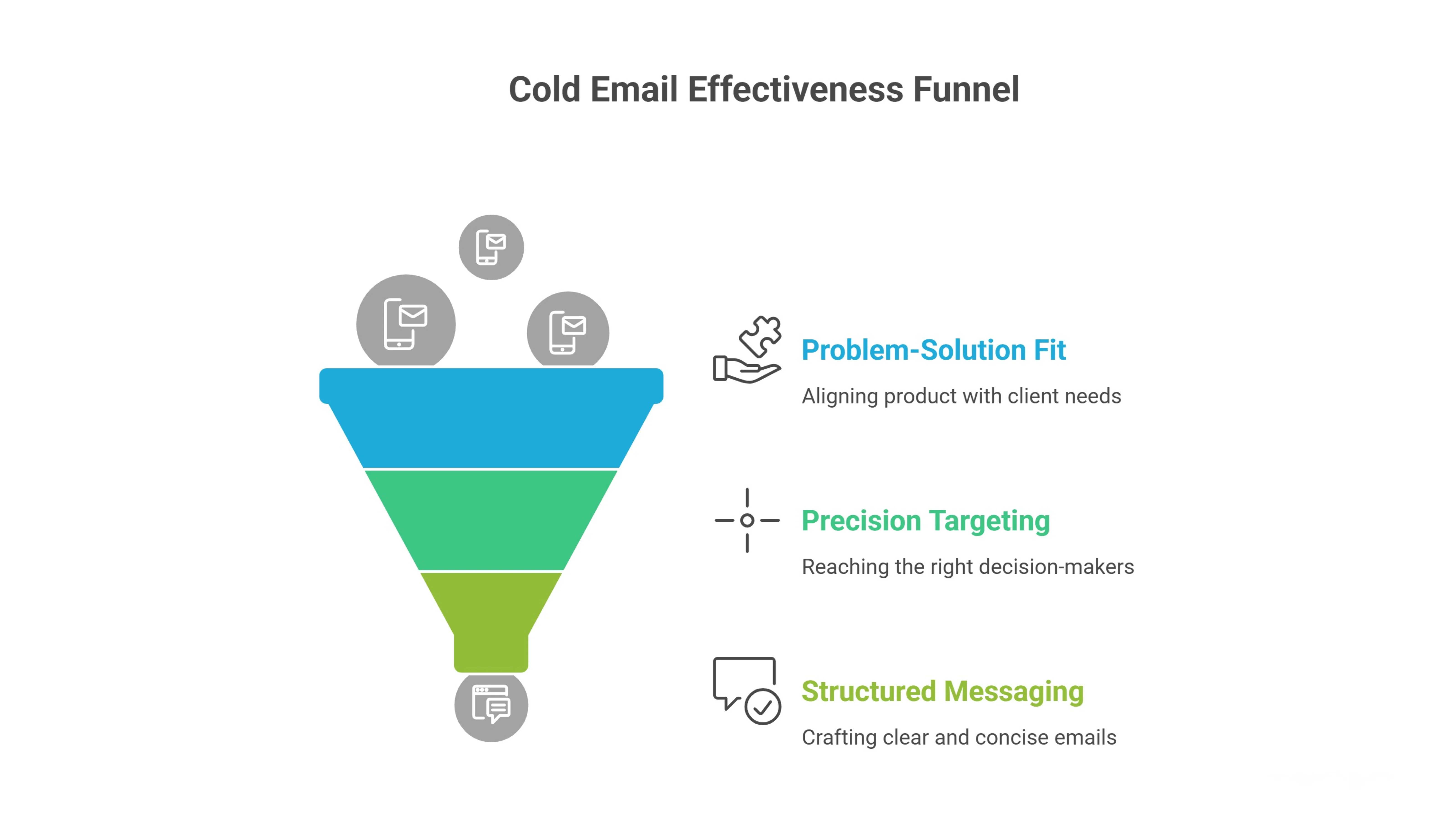
Cold email still works because of three fundamentals: strong problem–solution fit, precise targeting, and structured messaging that reduces friction.
Most SaaS products solve one clear operational or revenue problem.
When your outreach highlights that exact issue for the right role, the message immediately feels relevant. Strong alignment between pain and solution increases reply rates and naturally opens the door to meaningful demo conversations.
Modern prospecting lets you filter by role, industry, company size, and growth signals.
This reduces randomness and wasted outreach. When the right decision-maker receives a focused message tied to their priorities, interest becomes more predictable and demo conversations happen more consistently.
Short, outcome-driven emails remove pressure from the conversation.
Instead of pushing for meetings immediately, they invite low-commitment replies. This gradual approach builds comfort and trust, making prospects more open to moving naturally toward a demo discussion.
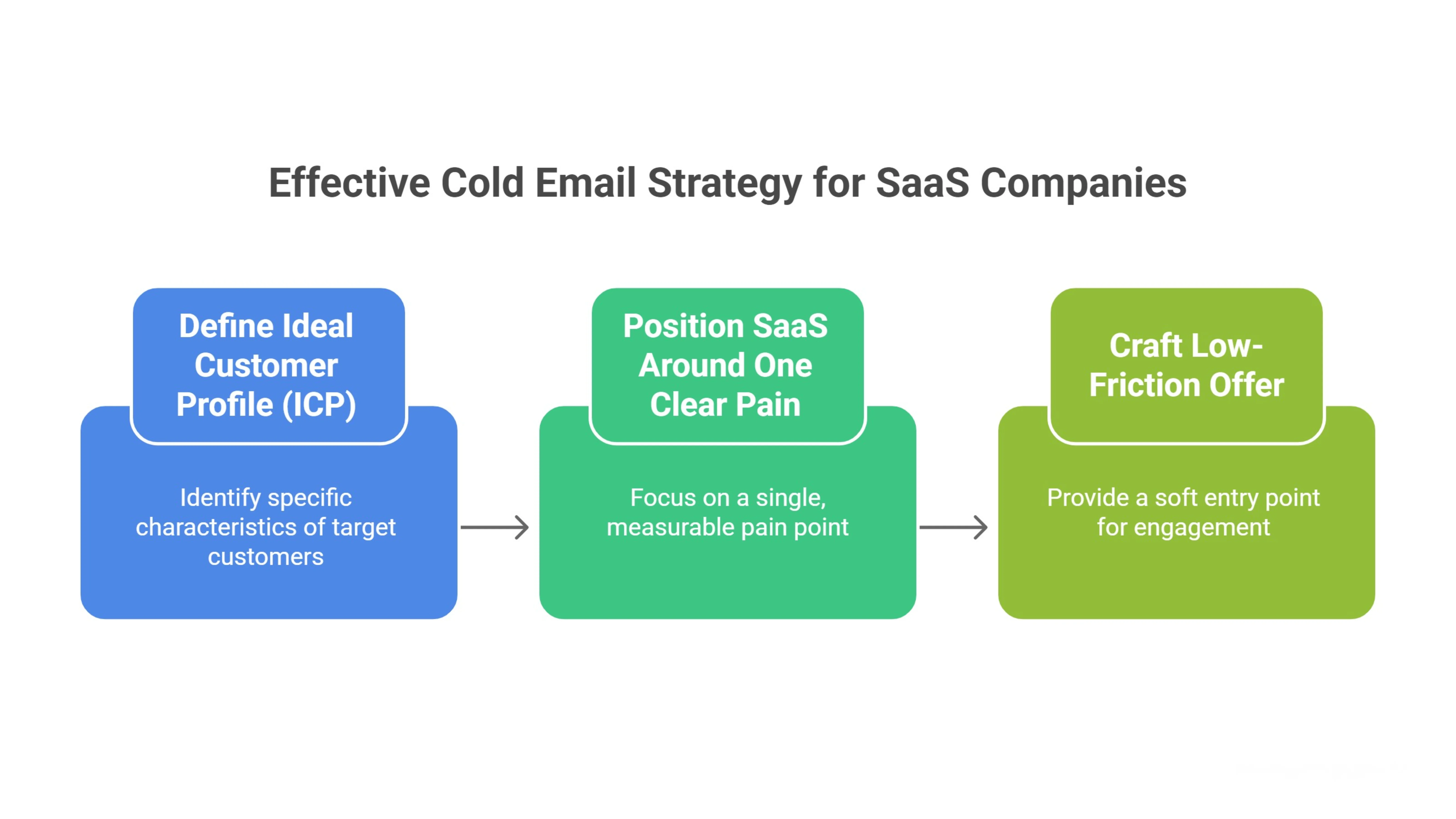
An effective cold email strategy for SaaS companies starts before you write a single line.
Clarity around your ideal customer, sharp positioning around one measurable pain, and a simple low-friction offer determine results. When strategy is defined first, outreach becomes structured, predictable, and far easier to optimize over time.
Cold outreach performs best when targeting is precise and intentional.
Define your ICP clearly by outlining:
Specificity improves reply quality and prevents wasted outreach volume.
Avoid listing multiple features in your messaging.
Instead, focus on one measurable outcome tied directly to business impact.
This keeps your positioning sharp and memorable. When prospects instantly understand the value, they’re far more likely to reply and continue the conversation.
Don’t push for a demo in the first message.
Lead with a softer entry point like:
Lower commitment increases replies and moves prospects naturally toward meetings.
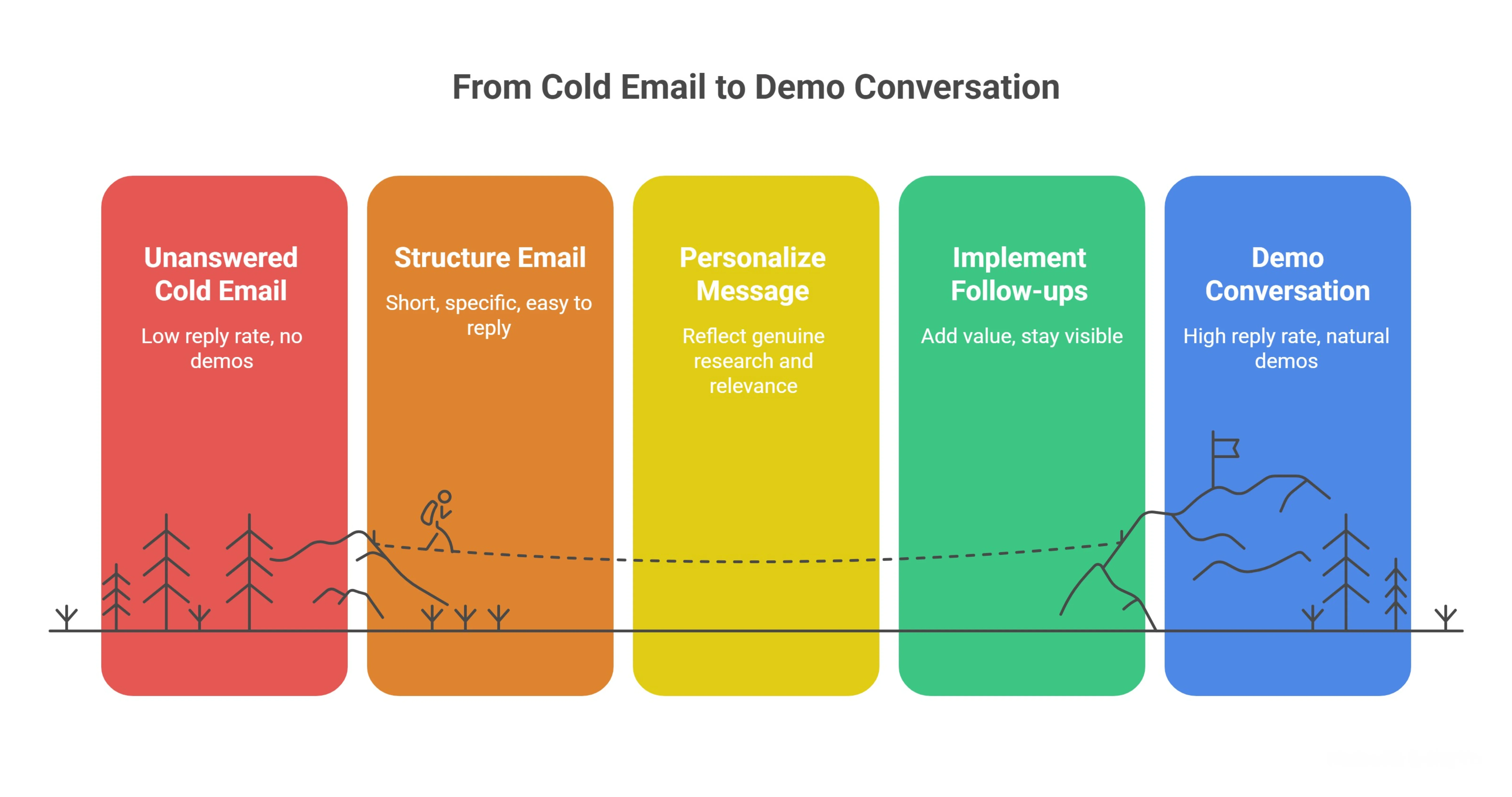
Once your strategy is clear, writing a cold email for SaaS product demos becomes much simpler.
Your message should be short, specific, and easy to reply to. Focus on structure, clarity, and meaningful personalization. When friction is removed and relevance is obvious, replies increase and demo conversations happen naturally.
Keep your email structured and friction-free.
Use this simple format:
Simplicity increases clarity and improves response probability.
Real personalization goes beyond first names or company mentions.
Reference something meaningful, such as:
When your message reflects genuine research, credibility increases and replies feel more natural instead of forced.
Most positive responses come after follow-ups, not the first email.
Send three to five spaced messages, each adding new context or value. Keep them short, respectful, and consistent, so you stay visible without sounding pushy.
Every follow-up should bring something fresh, a short clarification, a relevant insight, or a gentle nudge instead of repeating your original pitch.
If you want ready-to-use examples you can model, explore our detailed SaaS cold email templates here:
👉 https://oppora.ai/blog/cold-email-templates-for-saas/
Cold email outreach for SaaS startups only works at scale when your infrastructure is disciplined.
Sending too much too quickly damages domain reputation and inbox placement. Focus on proper technical setup, domain protection, and gradual volume control. Scaling safely ensures your emails land in inboxes not spam folders.
Use secondary domains dedicated only to outreach.
Properly configure SPF, DKIM, and DMARC to authenticate your emails and protect sender credibility. Keep your primary domain separate from cold campaigns. A clean infrastructure foundation determines long-term deliverability stability and prevents unnecessary reputation damage.
Start with low daily sending volume across each mailbox.
Increase gradually over time and avoid sudden spikes in activity. Consistent sending behavior signals legitimacy to email providers. Controlled scaling improves inbox placement and significantly reduces the risk of spam filtering.
Spread outreach across multiple mailboxes instead of relying on one account.
Monitor bounce rates, spam complaints, reply patterns, and overall domain health regularly. Early detection of issues prevents long-term damage and keeps your outreach system stable as volume increases.
Manual systems break the moment volume increases.
Cold email marketing for SaaS becomes difficult to manage when prospecting, sequencing, personalization, and reply tracking live across disconnected tools. A centralized workflow brings clarity, speed, and control without removing strategic oversight.
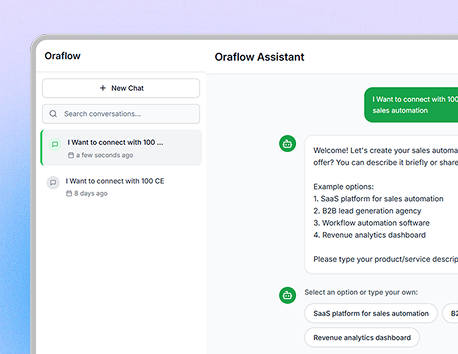
Oppora is an agentic sales platform that lets you build end-to-end outbound workflows simply by chatting with AI.
Instead of stitching together separate tools for lead sourcing, enrichment, sequencing, sending, and reply handling, Oppora works like n8n for sales but without visual builders or complex logic. You define the goal once, and the system keeps executing.
Filter prospects using clear targeting criteria:
Precision targeting improves reply quality and prevents wasted outreach volume.
Avoid random scraping and unqualified lists.
Instead, use structured filters to:
Relevance always outperforms volume in outbound.
Create a repeatable sequence instead of sending one-off emails.
Your workflow should include:
Structure removes inconsistency and keeps outreach running predictably.
Go beyond name variables.
Personalization should include:
When context feels accurate, replies increase naturally.
Protect deliverability with controlled scaling:
Stable sending behavior keeps domains healthy long term.
Organize responses without manual sorting.
Automatically categorize replies into:
AI can send contextual responses instantly, share meeting links, and maintain momentum while you focus on closing.
Once interest is confirmed, reduce friction immediately.
Clear next steps ensure qualified conversations turn into actual demo calls.
Even well-structured outreach systems lose effectiveness when execution becomes inconsistent. Small operational mistakes quietly reduce reply quality and demo conversion rates.
Most performance issues are caused by inconsistency rather than complexity. When targeting shifts, follow-ups become irregular, or data is ignored, demo quality drops even if the strategy itself is strong.
Switching segments before validating one market reduces clarity and weakens positioning.
When you target multiple ICPs too soon, your messaging becomes diluted and results become inconsistent. Win consistently within one focused segment first. Once replies and demos are predictable, then expand strategically.
Irregular follow-ups quietly reduce response rates.
When timing gaps are random, prospects forget context and momentum disappears. Maintain a predictable cadence across every sequence. Consistency reinforces awareness, builds familiarity, and significantly improves the probability of turning interest into booked demos.
Data reveals what your assumptions cannot.
If you ignore reply patterns, bounce rates, open trends, or demo attendance, optimization becomes guesswork. Track performance regularly and adjust targeting, messaging, or volume accordingly. Decisions guided by data consistently outperform intuition alone.
Outreach does not end at booking the meeting.
If sales teams lack context about pain points, objections, or conversation history, demo quality drops. Share clear notes, expectations, and qualification details internally. Strong handoffs improve close rates and protect pipeline momentum.
Cold email marketing for SaaS remains one of the fastest ways to generate qualified demos when structured correctly.
Focus on precise targeting, simple messaging, disciplined scaling, and clean conversion processes. Build conversations before pushing meetings. When execution stays consistent, demo bookings stop feeling random and start becoming predictable.
If you want to systemize this entire process instead of managing it manually, platforms like Oppora can help you turn your outreach into a structured, automated workflow.
Give it a Try for Free or schedule a demo to see how it works.
Replies can start within the first week if targeting and setup are correct. Predictable demo flow usually builds within 30–60 days of consistent execution.
Start small, around 20–30 emails per inbox daily. Increase gradually to protect deliverability and domain reputation.
Plain text works better. It feels natural, avoids spam triggers, and improves reply rates.
Respond briefly, clarify value, and track patterns. Objections often reveal messaging gaps you can fix.
Not mandatory, but helpful. It reinforces visibility and increases reply chances when combined with email.
Summarize with AI
Share