Home
Blog
Find 500 B2B Contacts for Free Every Month with Built-In Outreach.
Home
Blog
Adam Hossain
Published April 1, 2026
11 min
Try Oppora AI
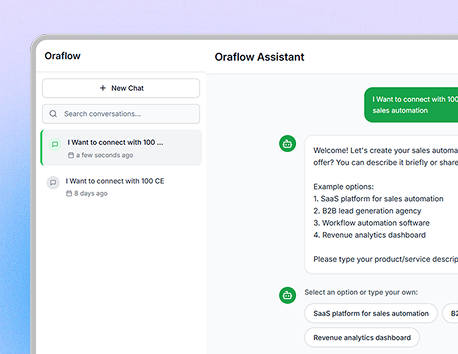
Create Self-Running Agentic Sales Workflows like N8N just by chatting with AI
Get Started for FREE
You send a few emails, follow up once or twice, and then lose track of the conversation.
Sounds familiar, right?
That’s exactly where email cadence software comes in. It helps you stay consistent, automate follow-ups, and make sure no lead slips through the cracks without needing constant manual effort.
Instead of guessing when to reach out, you build structured sequences that run on their own and keep your outreach organized.
In this guide, you’ll learn:
If you’ve ever struggled to keep track of follow-ups, this is where an email cadence tool makes a difference.
Email cadence software helps you plan, automate, and manage a sequence of emails sent over time to your prospects. Instead of sending one-off messages, you create structured outreach flows that keep conversations moving.
It ensures every lead gets timely follow-ups, improves consistency, and helps you stay organized while tracking responses and engagement in one place.
Once you understand what an email cadence tool does, the next step is knowing what actually makes one effective.
Not all tools are built the same, so focusing on the right features can make a huge difference in how your outreach performs.
Following up manually is where most outreach breaks down over time.
Automated follow-ups ensure your emails go out at the right time without you having to remember every conversation, helping you stay consistent and improve response rates without extra effort.
Your outreach should never live in isolation from your sales data.
A good email cadence software integrates with your CRM, so every interaction, reply, and update stays synced in one place, making it easier for you to track leads and make informed decisions.
You won’t improve your outreach if you don’t know what’s working.
With A/B testing and analytics, you can test subject lines, messaging, and timing while tracking key metrics like open rates and replies to continuously refine your campaigns.
Generic emails rarely get attention, especially in crowded inboxes.
Strong email cadence tools let you personalize messages based on lead data, so every email feels relevant and tailored, helping you build better connections and increase conversions.
Now that you know what features to look for, let’s explore the tools that actually deliver on them.
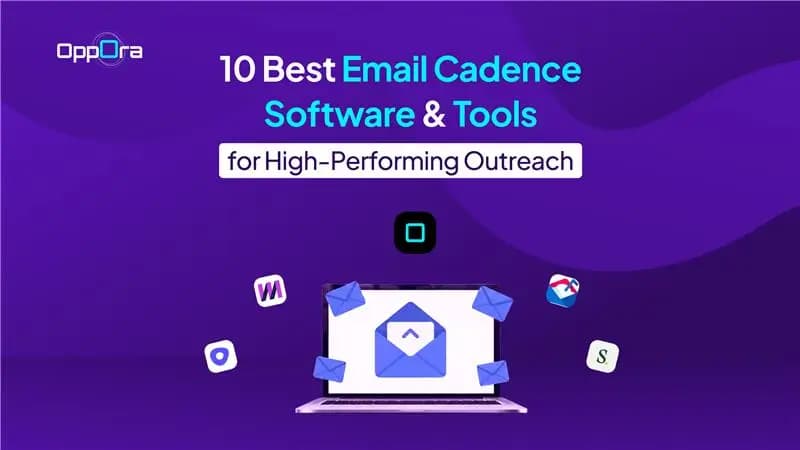
From simple automation platforms to advanced multi-channel systems, these email cadence software options help you streamline outreach, stay consistent, and improve conversions without adding extra manual work to your workflow.
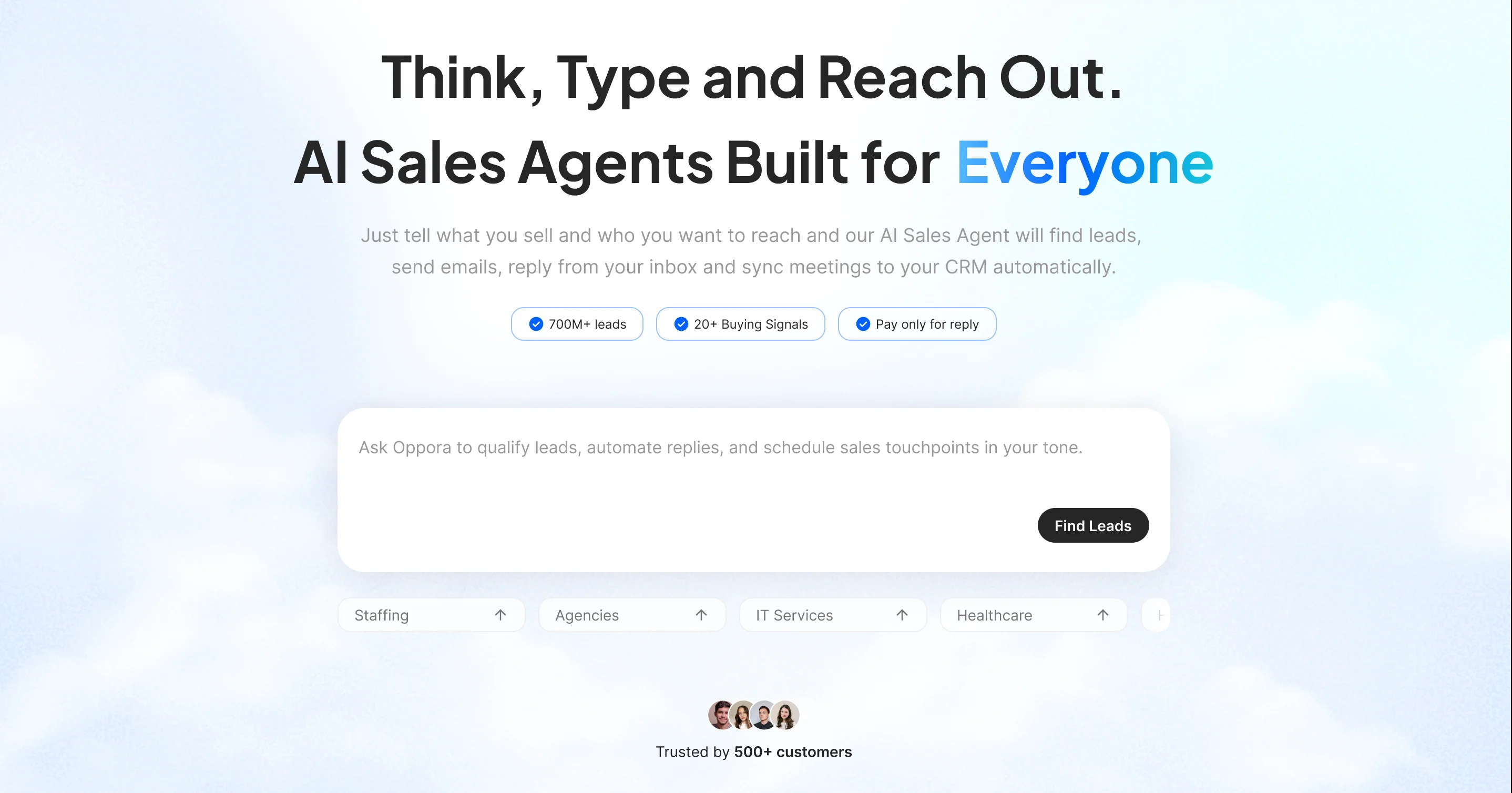
If you’re looking for more than just basic email automation, Oppora.ai takes a different approach by turning your outreach into a fully automated system.
Instead of managing separate tools for lead generation, email sending, and follow-ups, you set up a workflow once, and its AI agents handle everything from finding leads to replying and booking meetings. This makes it especially useful if you want to scale outreach without increasing manual workload.
Key Features:
Pricing:
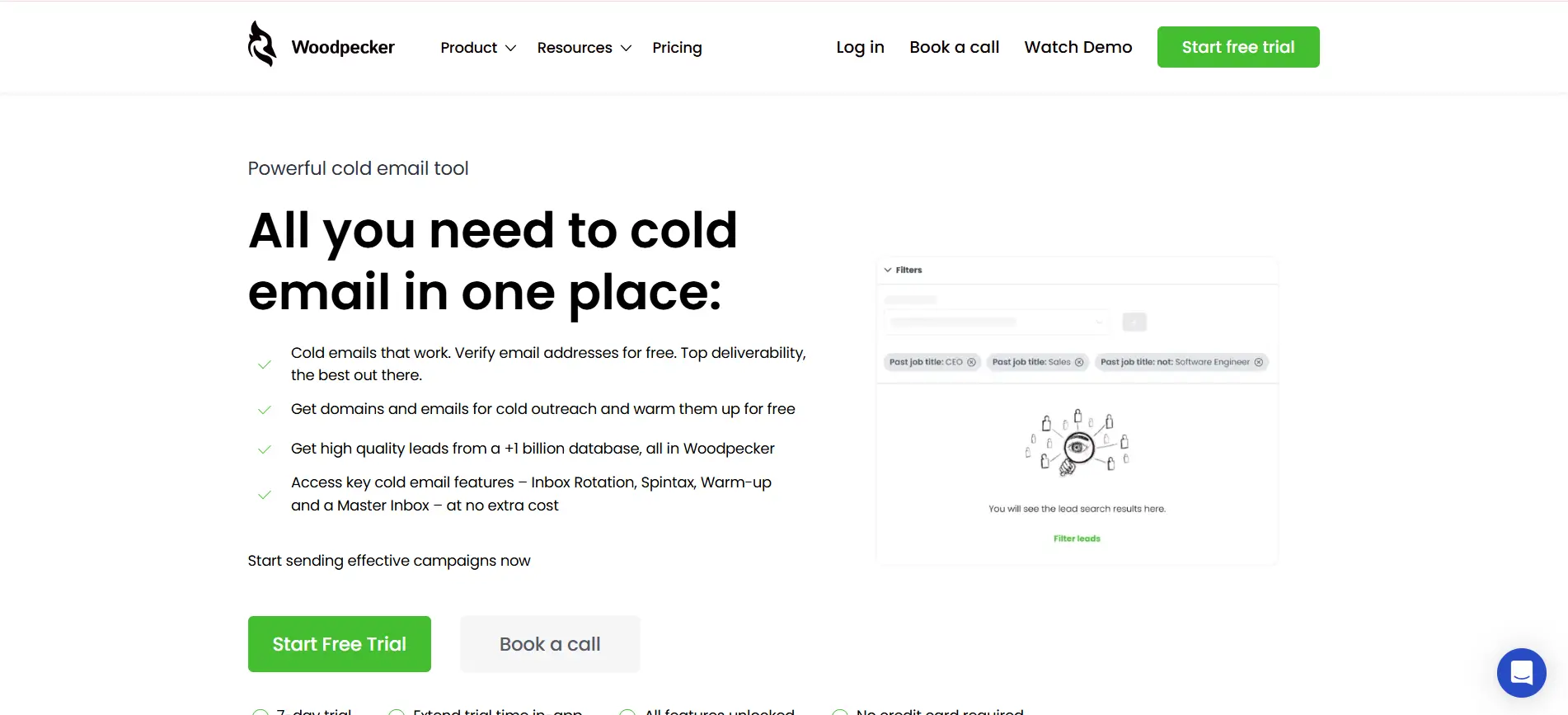
Woodpecker is built specifically for cold email outreach, making it a strong fit for agencies, freelancers, and small sales teams.
It focuses on delivering personalized email sequences while keeping automation simple and effective. You can manage follow-ups, track replies, and maintain deliverability without needing a complex setup or technical expertise.
Woodpecker pricing starts at $40/month, with plans based on team size and outreach needs.
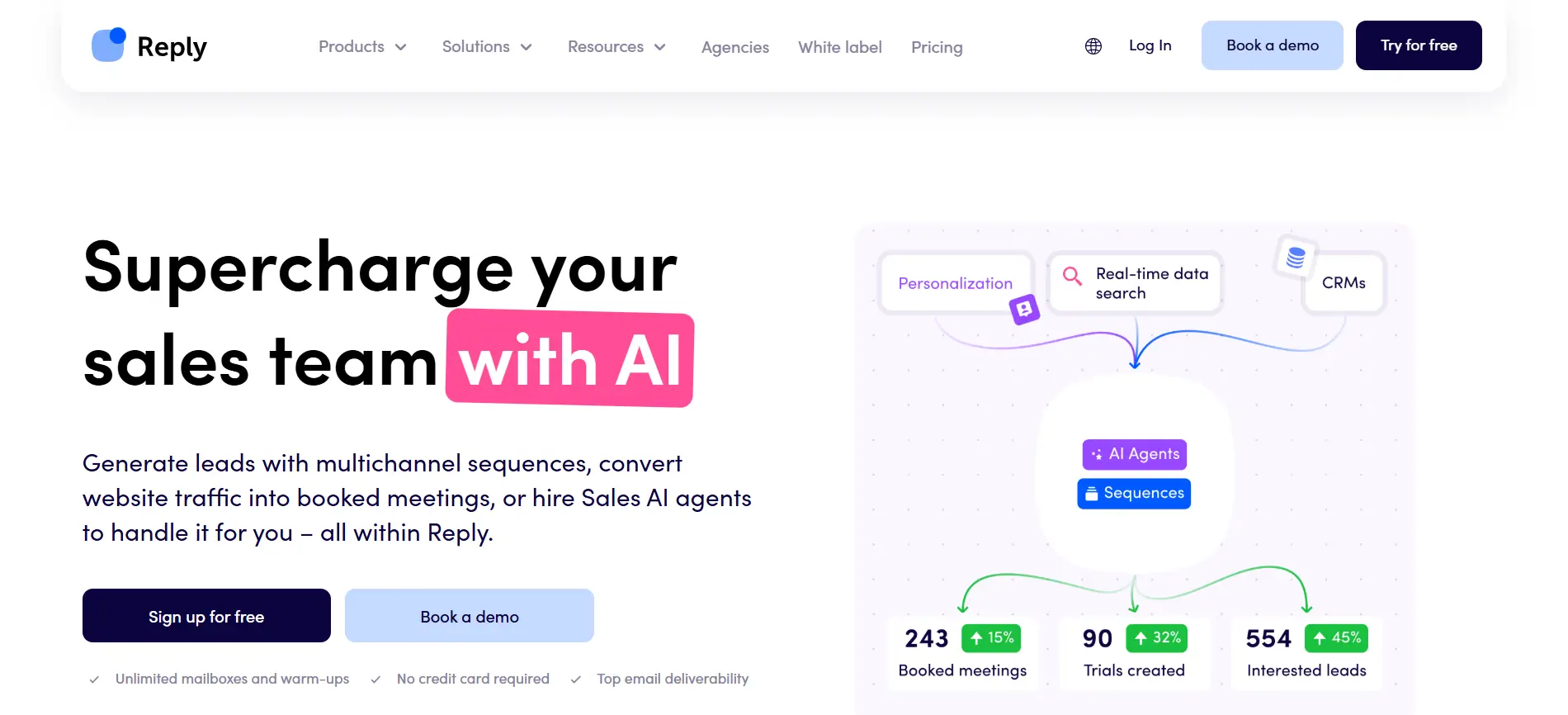
Reply.io is a sales engagement platform designed for teams that want more control over their outreach campaigns.
It combines email automation with AI-powered features, allowing you to create multi-step sequences, test messaging variations, and manage outreach across channels while keeping performance data centralized.
Reply.io pricing starts at $70/month, with additional features available in higher-tier plans.
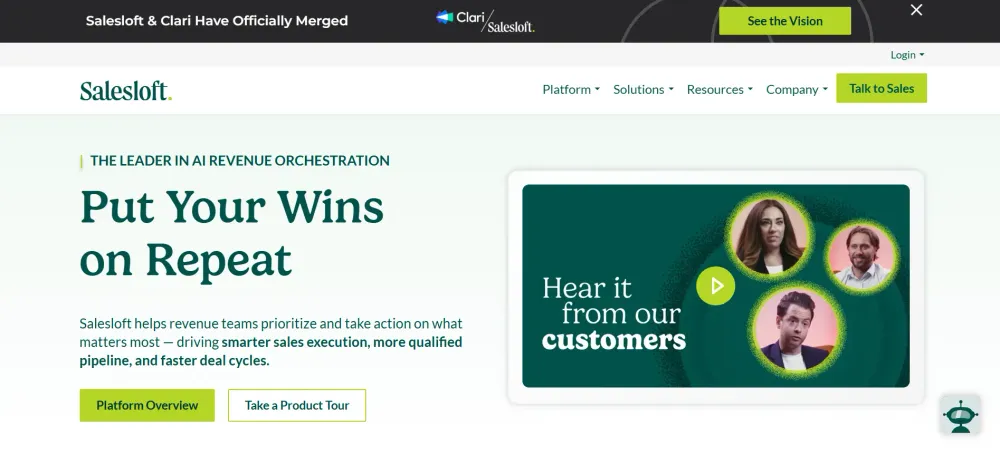
SalesLoft is a comprehensive sales engagement platform built for larger teams managing complex pipelines.
It helps you coordinate outreach across multiple channels while giving visibility into team performance and deal progress, making it easier to optimize sales processes and improve overall efficiency.
SalesLoft offers custom pricing, typically starting around $75/month depending on business requirements.
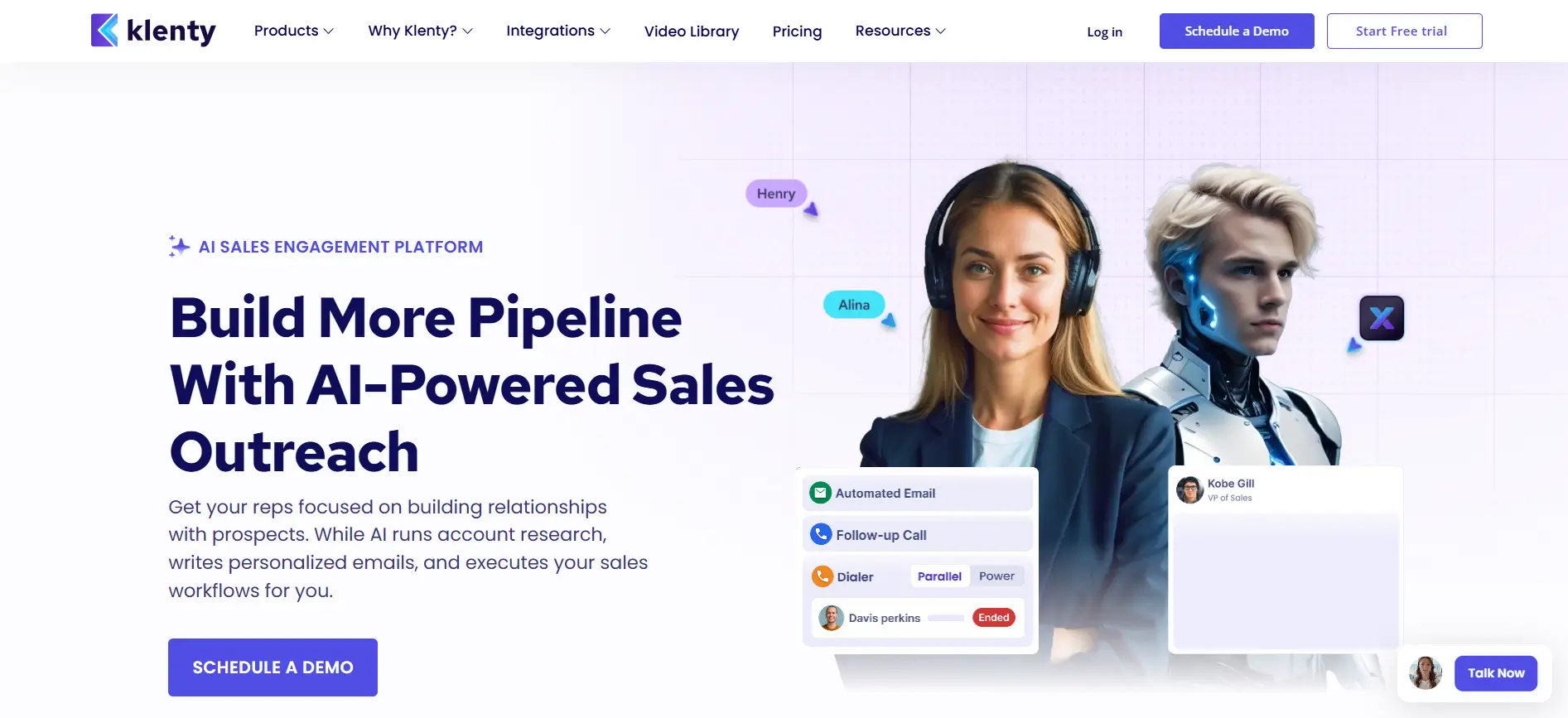
Klenty is designed for sales teams that want to scale outreach without losing personalization.
It combines automation with data-driven insights, helping you target the right prospects, run structured email sequences, and continuously improve engagement through performance tracking.
Klenty pricing starts at $50/month, with higher plans offering advanced automation and analytics features.
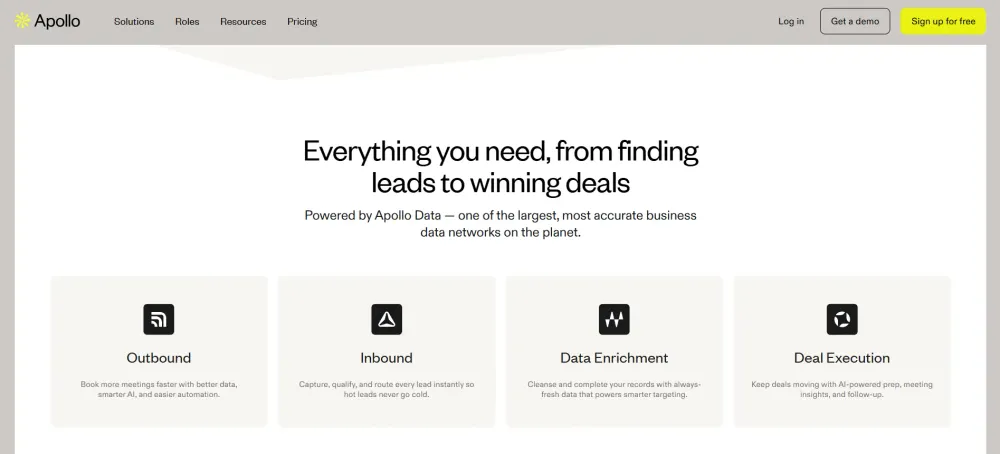
Apollo.io combines lead generation with outreach, making it a popular choice for teams that want everything in one place.
It allows you to discover prospects, enrich contact data, and run email sequences without switching tools. This makes it especially useful if you want to build targeted lists and launch campaigns quickly from a single platform.
Apollo.io offers a free plan, with paid plans starting at $39/month depending on features and usage limits.
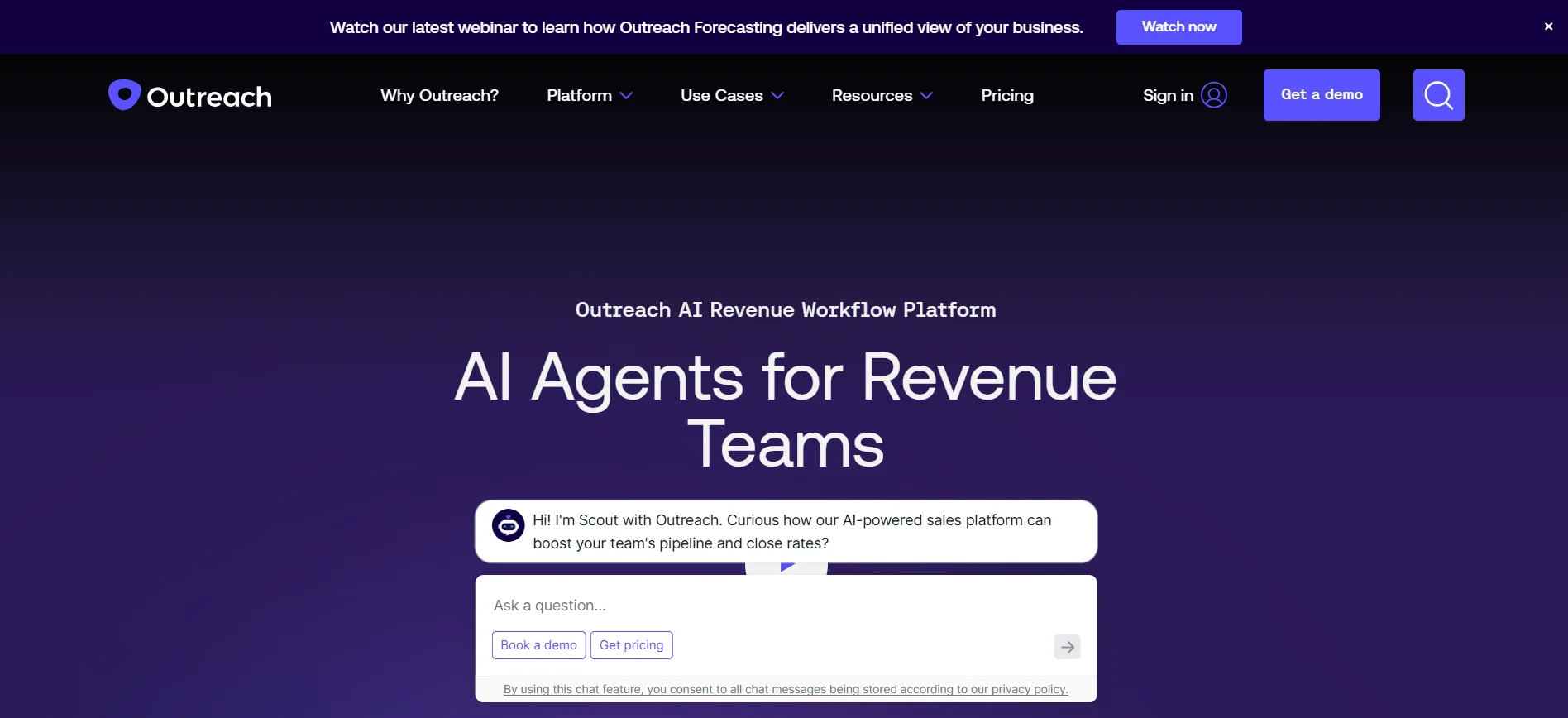
Outreach is an enterprise-level sales engagement platform designed for scaling complex outreach operations.
It helps you manage communication across email, calls, and social channels while giving deep visibility into pipeline performance, making it ideal for larger teams that need structure, automation, and advanced reporting.
Outreach offers custom pricing, typically starting at $100/month depending on the organization’s size and needs.
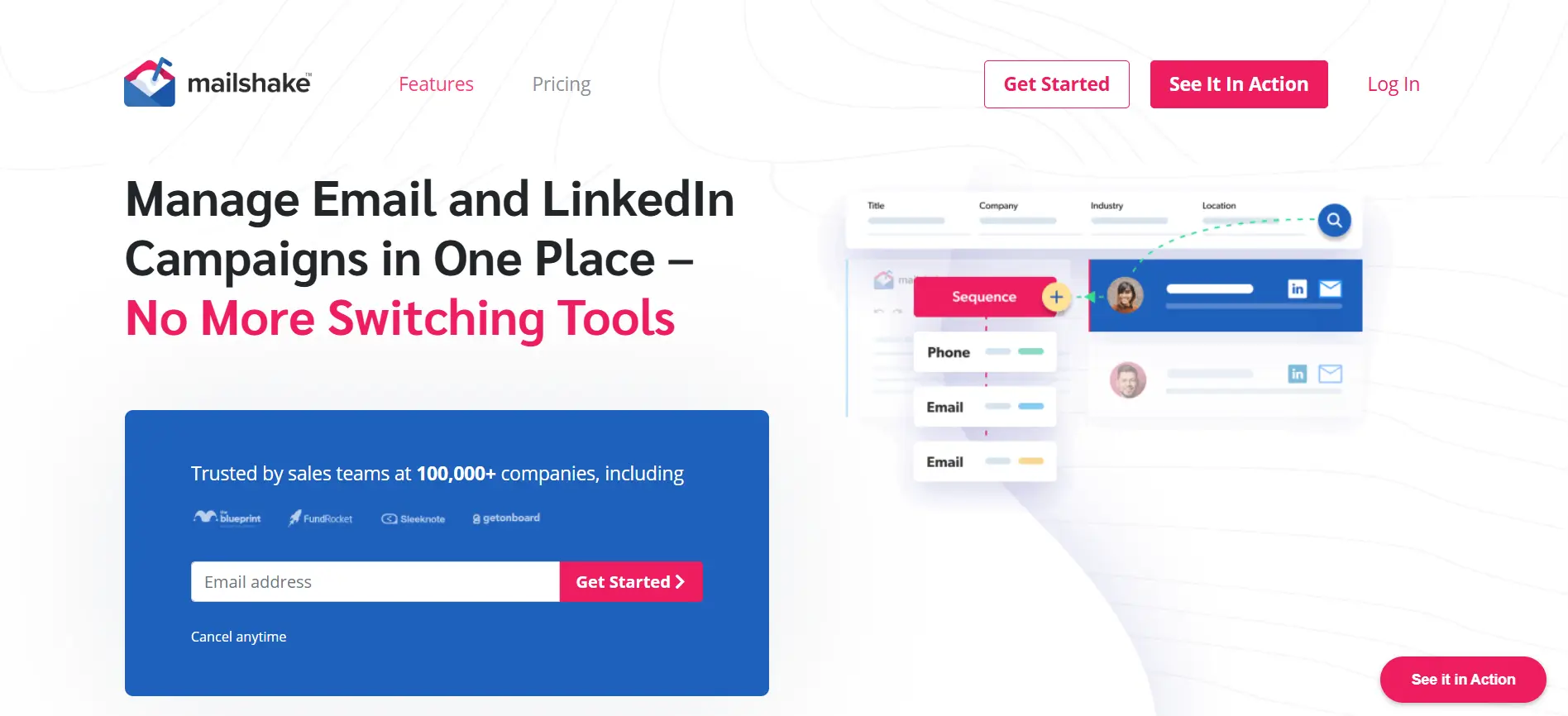
Mailshake is a simple yet effective tool focused on cold email outreach and follow-ups.
It’s designed for users who want to launch campaigns quickly without dealing with complex configurations, while still having access to essential features like automation, personalization, and testing.
Mailshake pricing starts at $59/month, with additional features available in higher-tier plans.
Mixmax is built for Gmail users who want to enhance their email outreach without leaving their inbox.
It adds powerful features like tracking, scheduling, and automation directly into Gmail, making it a convenient option for individuals and small teams who prefer working within a familiar interface.
Mixmax offers a free plan, with paid plans starting at $9/month depending on feature access.
JustCall is a communication platform that combines calling and email outreach in one system.
It is ideal for teams that rely on both phone and email interactions, allowing you to manage conversations, follow-ups, and customer engagement across multiple channels from a single dashboard.
JustCall pricing starts at $25/month, with plans scaling based on usage and team requirements.
With so many options available, choosing the right email cadence tool can feel overwhelming at first.
The key is to focus on what actually fits your sales process instead of chasing every advanced feature.
Start by understanding how your team operates on a daily basis.
Smaller teams usually need simple automation and ease of use, while larger teams often require advanced workflows, collaboration features, and multi-channel outreach to handle higher volumes efficiently.
Pricing can vary widely depending on features and usage limits.
Look beyond the base cost and evaluate what you’re getting, including email limits, credits, and scalability, so you don’t end up upgrading too quickly as your outreach grows.
The right features should support your existing workflow, not complicate it.
Make sure the tool offers essentials like automation, analytics, and CRM integrations, so your outreach, data, and reporting stay connected without manual effort.
Using email cadence software effectively is not just about automation, it’s about how you structure your outreach and continuously improve it.
When used strategically, these tools can significantly boost engagement, but only if your approach aligns with best practices that keep your messaging relevant and consistent.
Personalization is what separates high-performing campaigns from ignored ones.
Instead of sending generic messages, tailor your email sequences based on lead data such as role, industry, or behavior. This helps your outreach feel more relevant and increases the chances of getting replies.
Consistency is critical in outreach, and automation ensures you never miss a follow-up.
Schedule your sequences in advance so that each message is sent at the right time based on recipient actions, allowing you to stay persistent without being manually involved in every step.
Running campaigns without tracking results limits your ability to improve.
Regularly monitor metrics like open rates, reply rates, and conversions, and use A/B testing to experiment with subject lines and messaging so you can refine your strategy and improve overall performance over time.
Even with the right email cadence software, certain mistakes can limit your results and reduce the effectiveness of your outreach.
Understanding these pitfalls helps you use your tool more strategically and avoid common habits that negatively impact engagement and deliverability.
Automation is powerful, but relying on it too heavily can make your communication feel robotic.
If every message sounds scripted or disconnected from the recipient, your emails are more likely to be ignored. Balance automation with thoughtful personalization so your outreach still feels human and relevant.
Many users set up campaigns but fail to monitor how they perform over time.
Without tracking key metrics like open rates, replies, and conversions, you miss valuable insights that could help improve your messaging, timing, and targeting. Regular analysis is essential for continuous improvement.
Generic emails rarely stand out in crowded inboxes.
If your messages don’t reflect the recipient’s role, industry, or interests, they are less likely to engage. Even small personalization details can significantly improve response rates and make your outreach feel more intentional and relevant.
Email cadence software plays a crucial role in helping you stay consistent, organized, and effective with your outreach.
Instead of managing every follow-up manually, you can build structured sequences that ensure timely communication, better tracking, and improved engagement with your prospects.
When chosen and used correctly, these tools help you scale outreach while maintaining personalization and control over performance.
If you’re looking to take this a step further with a system that goes beyond basic automation and actually executes your outreach end-to-end, tools like Oppora.ai can help you unify lead generation, follow-ups, replies, and meeting bookings into one workflow.
Email cadence software is designed for one-to-one or sales-driven outreach with automated follow-ups and personalized sequences. Traditional email marketing tools focus more on bulk campaigns, newsletters, and broadcasts. Cadence tools prioritize engagement tracking, replies, and conversion-driven workflows rather than mass communication.
Yes, email cadence tools can improve reply rates by ensuring timely follow-ups, consistent messaging, and better personalization. Automated sequences keep prospects engaged without manual effort, while features like A/B testing and analytics help refine messaging, timing, and targeting for more effective communication.
Deliverability is critical because even well-crafted emails are ineffective if they don’t reach the inbox. Good cadence tools include features like domain warming, email verification, and sending limits to maintain sender reputation and reduce the chances of emails landing in spam folders.
Email cadence tools work well for both small businesses and large teams. Small teams benefit from automation and time savings, while larger teams use advanced features like CRM integrations and multi-channel workflows. The right tool depends on your outreach volume, goals, and required level of automation.
AI improves email cadence software by enabling smarter personalization, automated responses, and optimized messaging. Platforms like Oppora.ai use AI to handle lead generation, follow-ups, and replies, helping teams scale outreach while maintaining relevance, efficiency, and higher engagement rates.
Summarize with AI
Share