Home
Blog
Find 500 B2B Contacts for Free Every Month with Built-In Outreach.
Home
Blog
Adam Hossain
Published April 6, 2026
13 min

Try Oppora AI
Create Self-Running Agentic Sales Workflows like N8N just by chatting with AI
Get Started for FREE
If you’ve ever used a traditional mail merge tool, you already know how limiting it can feel.
What starts as a simple solution often turns into a slow, manual process that struggles to keep up with modern outreach needs.
That’s why many teams are now searching for a better mail merge alternative.
In this guide, you’ll explore:
By the end, you’ll have a clear direction to choose the right solution for smarter, more effective email automation.
Mail merge tools were built for basic use cases.
But today’s outreach needs flexibility, automation, and reliability.
That’s why many teams are actively switching to smarter mail merge alternatives that reduce manual work and improve campaign performance.
Mail merge is supposed to save time.
But in reality, it often feels harder than it should be.
Example discussion: Mail merge — why so terrible? — Users share how the setup process feels unnecessarily complex and frustrating.
Small mistakes can completely break your campaign.
And fixing them is often not straightforward.
Example discussion: Issue with mail merge — highlights how minor data issues can disrupt entire workflows.
Modern outreach depends on multiple touchpoints.
Mail merge simply doesn’t support that level of automation.
Example discussion: Does sending email by mail merge make sense? Users question its effectiveness for real outreach workflows.
Reliability is a major concern when emails don’t send properly.
And often, there’s no clear explanation why.
Example discussion: Mail merge not working — users report inconsistent sending behavior and lack of clarity.
These limitations make it clear why teams are moving toward more reliable and scalable alternatives.
Mail merge relies heavily on placeholders, which often makes emails feel generic.
You end up sending the same message to everyone with just a name swapped in.
There’s no real context or personalization, which makes your outreach feel robotic.
And when emails don’t feel human, replies naturally drop.
Another major concern is whether your emails even reach the inbox.
Mail merge tools don’t offer built-in features like domain warm-up or deliverability monitoring.
This increases the chances of your emails landing in spam without you realizing it.
Over time, this can damage your sender reputation and hurt all future campaigns.
All of this leads to one bigger problem time.
You have to manage lists manually, switch between tools, and handle multiple steps yourself.
There’s no centralized workflow, which makes scaling outreach difficult as your team grows.
What should be a streamlined process turns into a time-consuming system that slows everything down.
Before choosing a tool, it’s important to understand what actually improves your outreach.
The right mail merge alternatives don’t just send emails.
They help you scale personalization, automate workflows, and improve results without extra effort.
Basic placeholders like {{FirstName}} are no longer enough.
Modern tools help you create emails that actually feel human and relevant.
This makes your emails stand out and improves reply rates naturally.
Sending one email rarely gets results.
You need consistent follow-ups without doing everything manually.
Automation ensures no opportunity is missed while saving time.
Even great emails fail if they don’t reach the inbox.
Deliverability is what makes your campaigns actually work.
These features help your emails land where they should.
You can’t improve what you don’t measure.
Tracking helps you understand what’s working and what’s not.
This allows you to refine your strategy over time.
Your tool should fit into your existing workflow.
Otherwise, it just creates more manual work.
This keeps everything organized and saves time across your workflow.
Timing can significantly impact whether your email gets opened or ignored.
Sending emails at the wrong time reduces your chances of engagement.
Smart scheduling ensures your messages arrive when recipients are most likely to see them.
This small feature can make a noticeable difference in performance.
Managing replies manually becomes difficult as your outreach scales.
You can easily miss opportunities or respond too late.
AI-powered reply handling helps you stay on top of every conversation.
This ensures faster responses and better lead management.
If you’re working with a team, coordination becomes critical.
Without proper collaboration tools, conversations can get messy and disorganized.
The right platform keeps everyone aligned and informed.
This helps teams manage outreach without confusion or overlap.
As your outreach grows, your tool should support that growth without breaking.
Not all mail merge alternatives are built to handle scale effectively.
You need a system that can manage higher volumes safely.
Choosing a scalable solution ensures you won’t outgrow your tool as your campaigns expand.
Now that you know what to look for, the next step is choosing the right tool.
Not all mail merge alternatives are built the same.
Some focus on simplicity, while others offer advanced automation and personalization.
Below, you’ll find the best tools that help you streamline outreach, improve efficiency, and scale your email campaigns with ease.
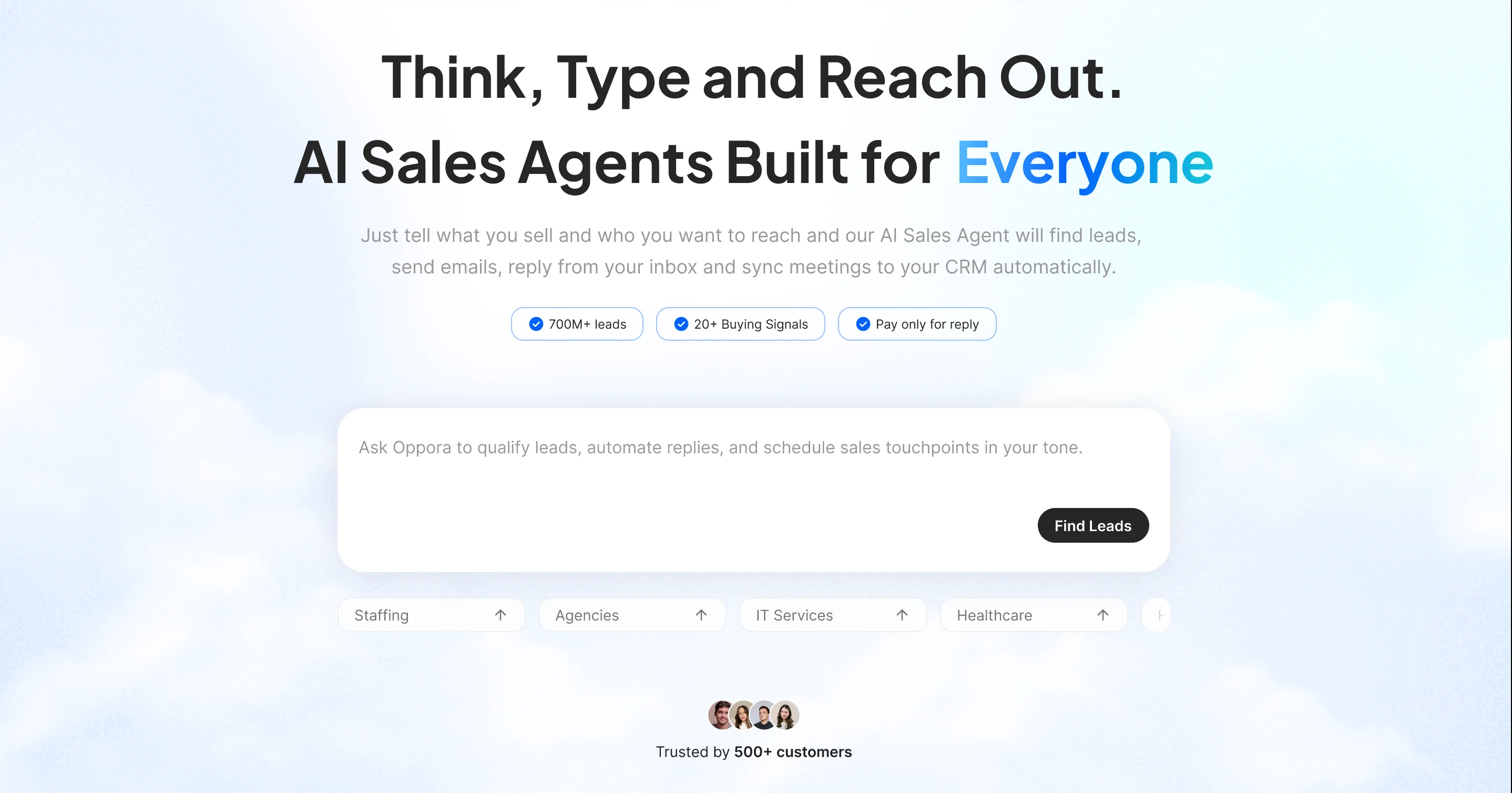
If traditional mail merge feels manual and limited, Oppora flips the model completely.
Instead of just sending emails, it builds and runs your entire outreach system automatically.
At its core, Oppora replaces mail merge with AI-driven workflows that handle personalization and follow-ups without constant input.
But it goes beyond email.
Pricing is flexible:
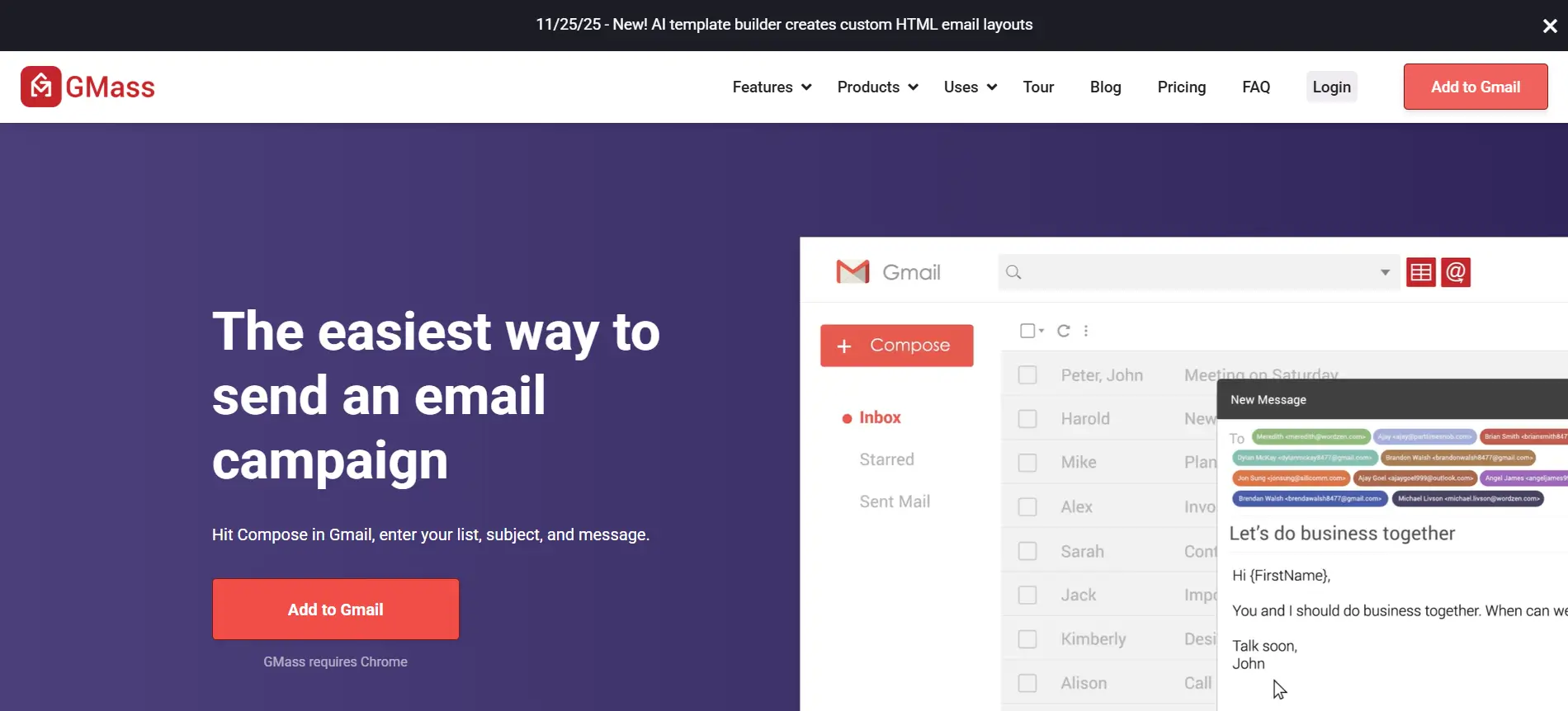
GMass is a Gmail-based tool designed for sending personalized emails at scale without leaving your inbox.
It works well as a simple mail merge alternative for users who want basic automation without adopting complex systems.
GMass keeps things straightforward and easy to use.
It allows you to launch campaigns quickly without much setup.
GMass offers flexible pricing depending on usage.
It’s a good fit for individuals or small teams looking for a simple outreach solution without advanced automation needs.
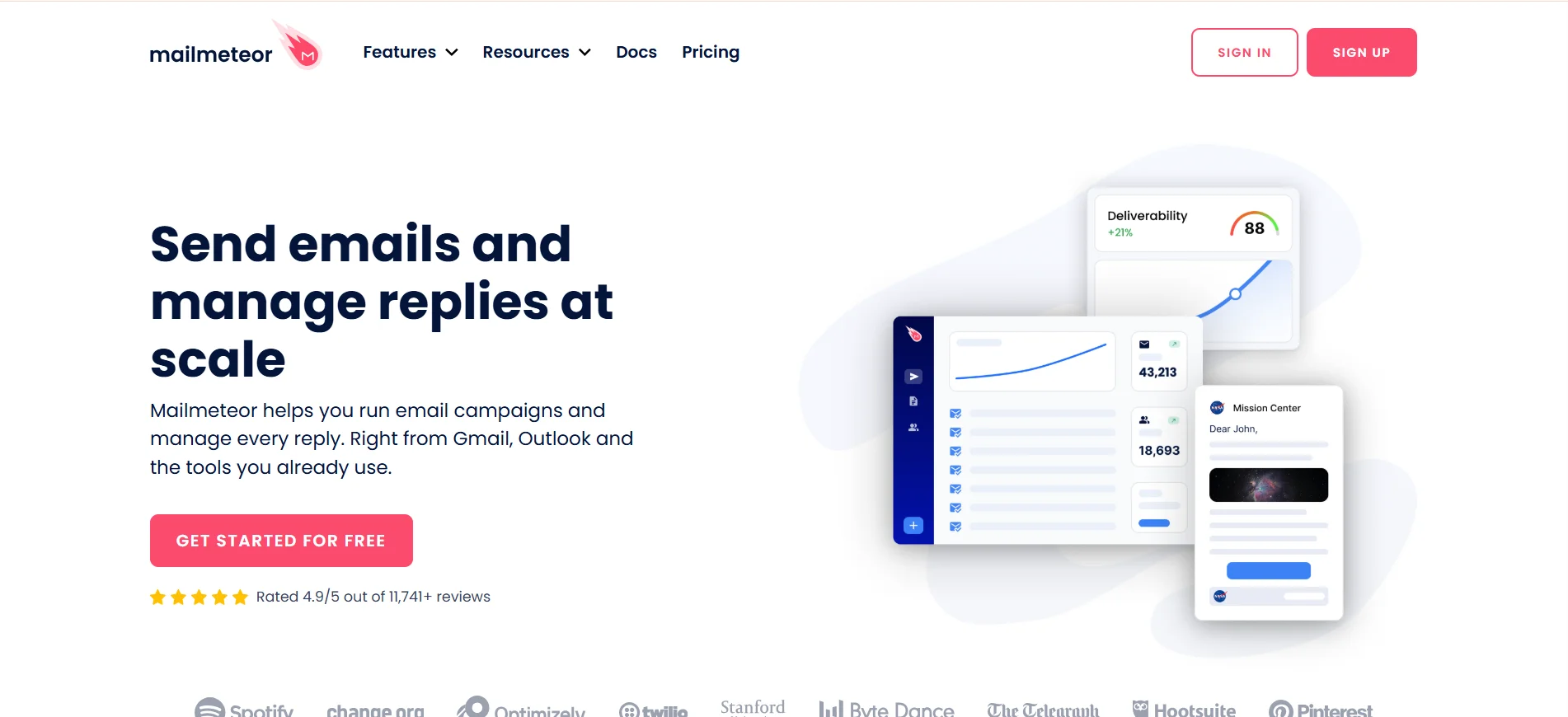
If you want to send personalized emails without learning a complex tool, Mailmeteor keeps things simple from the start.
It helps you run email campaigns directly from Gmail, making it a practical choice when you prefer working inside familiar tools instead of switching platforms or managing complicated workflows.
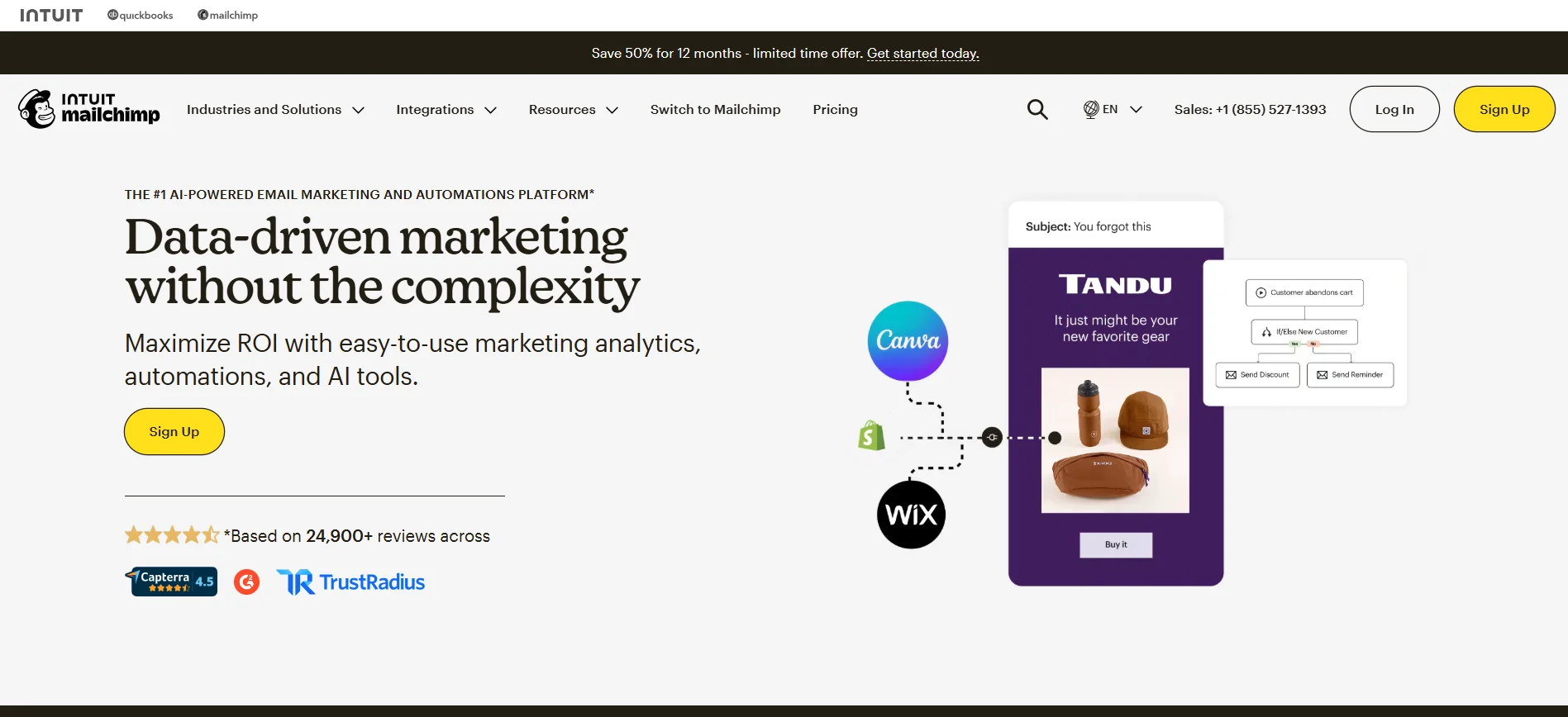
When your campaigns become more structured and performance-driven, you need more than just sending capability.
Mailchimp helps you build, automate, and optimize email campaigns, making it a strong choice for teams that want better control over targeting, messaging, and results.
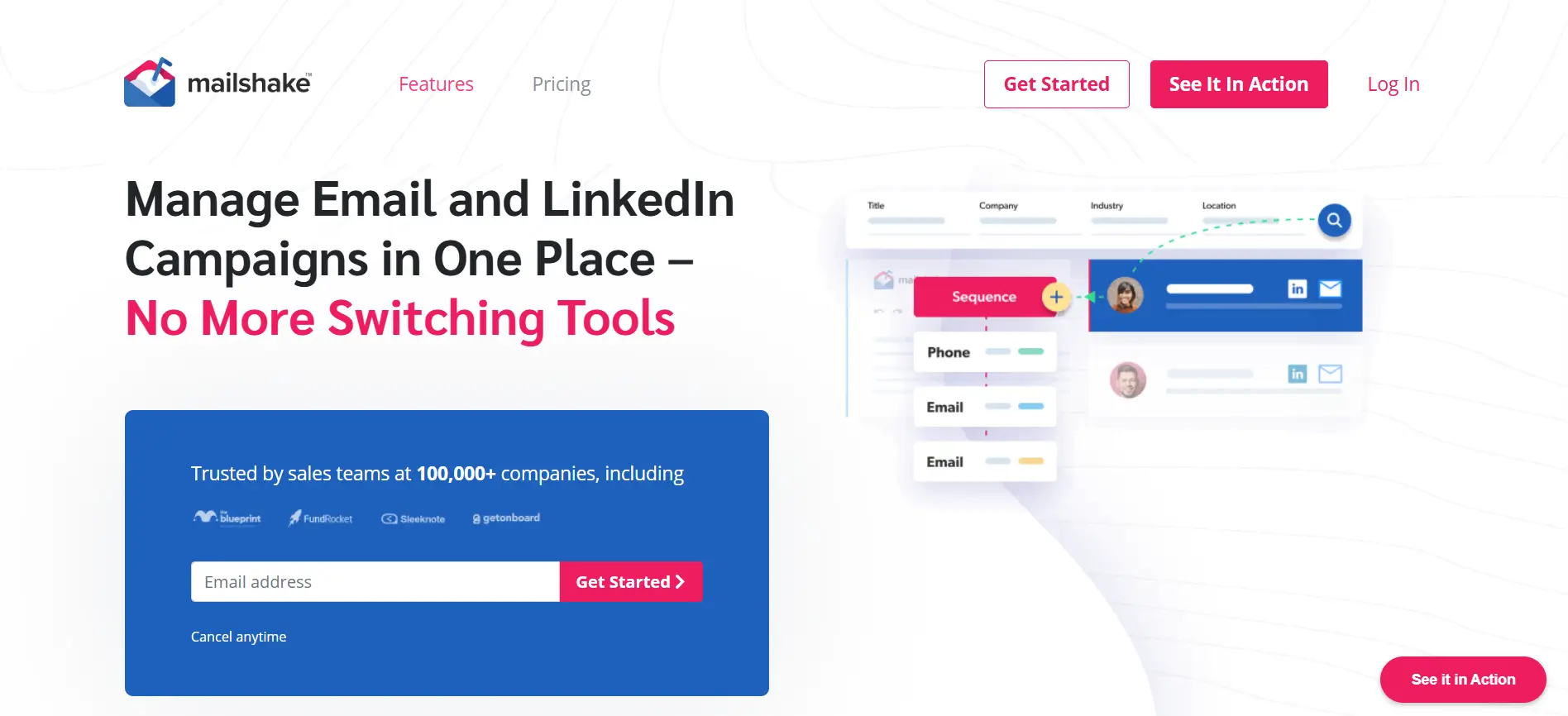
If your focus is consistent cold outreach and follow-ups, you need a tool designed specifically for that workflow.
Mailshake helps you run structured outreach campaigns, making it easier to manage conversations and improve response rates without relying on manual effort.
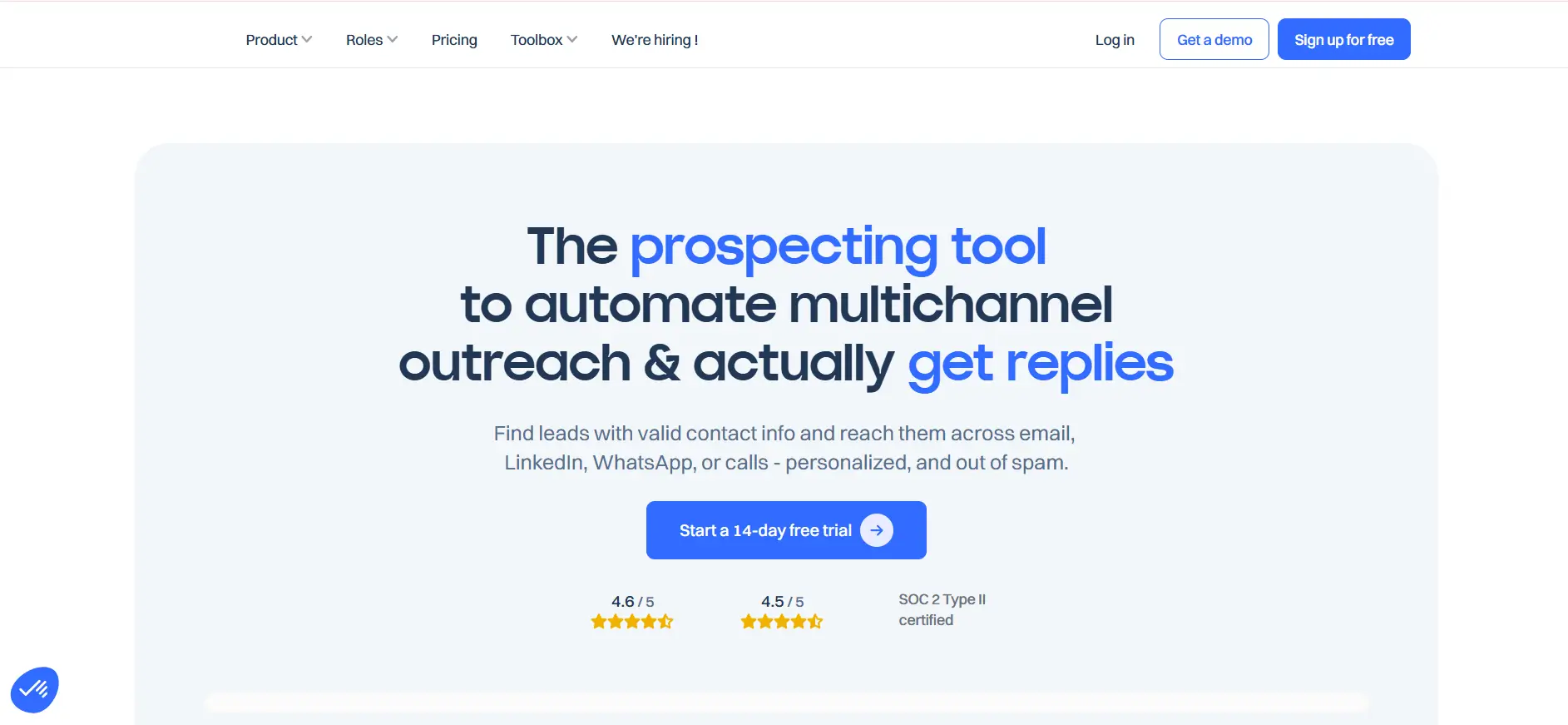
If your emails are getting ignored, improving how they look and feel can make a real difference.
Lemlist helps you create highly personalized and visually engaging emails, making it easier to stand out in crowded inboxes and increase reply rates.
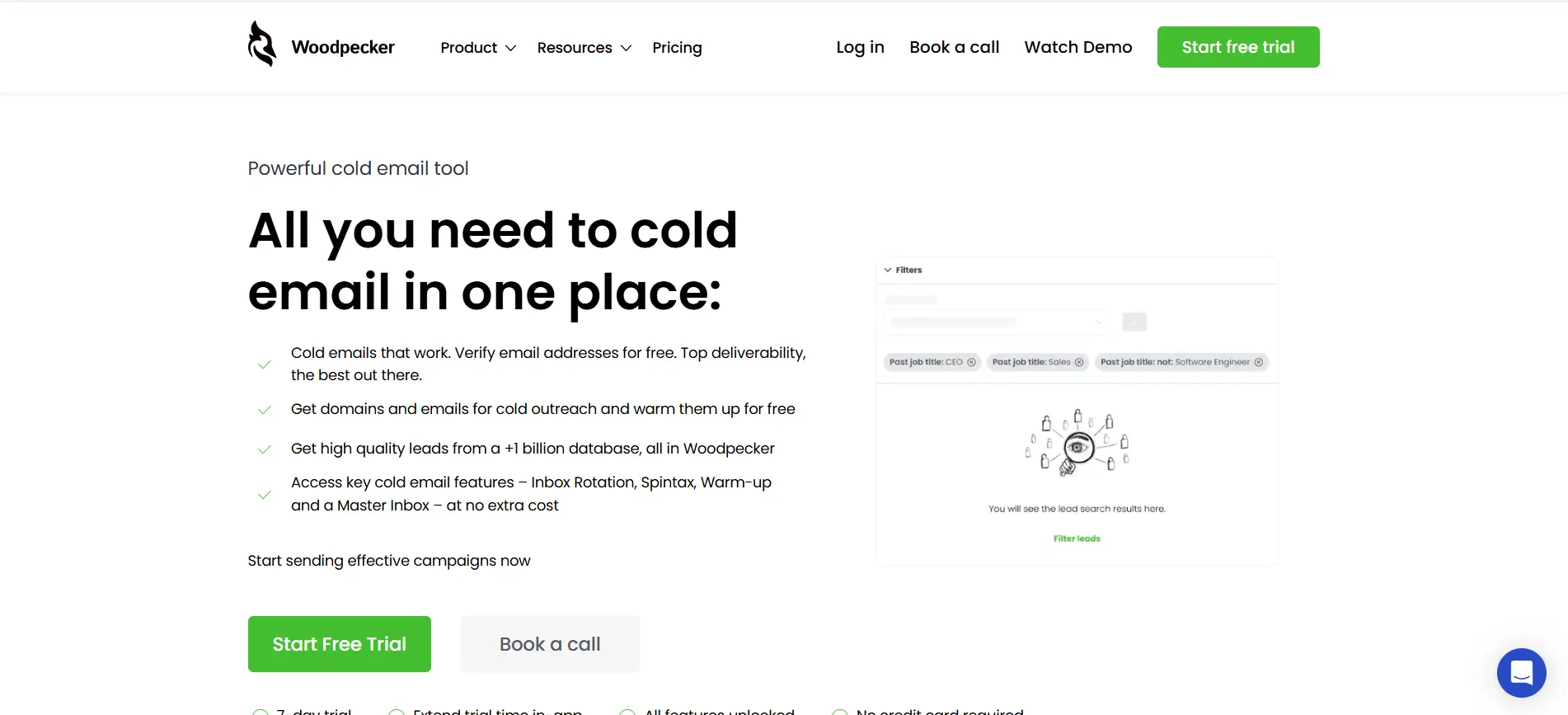
If you prefer a straightforward approach to cold emailing, Woodpecker keeps things focused and easy to manage.
It helps you run consistent outreach campaigns without adding unnecessary complexity, making it suitable for small teams and simple workflows.
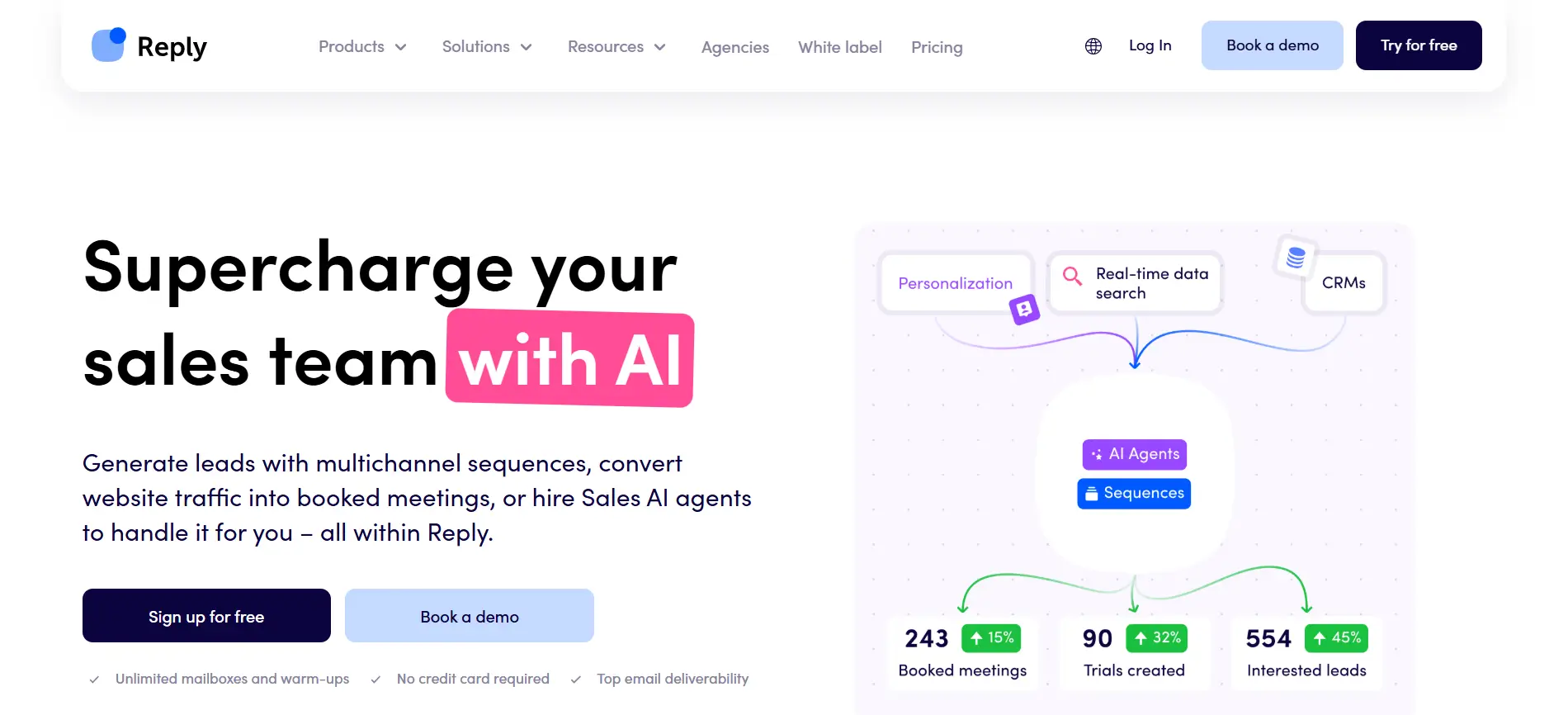
If you want to go beyond email and reach prospects across multiple channels, you need a more flexible system.
Reply.io allows you to combine email with platforms like LinkedIn, helping you manage outreach in one place instead of switching between tools.
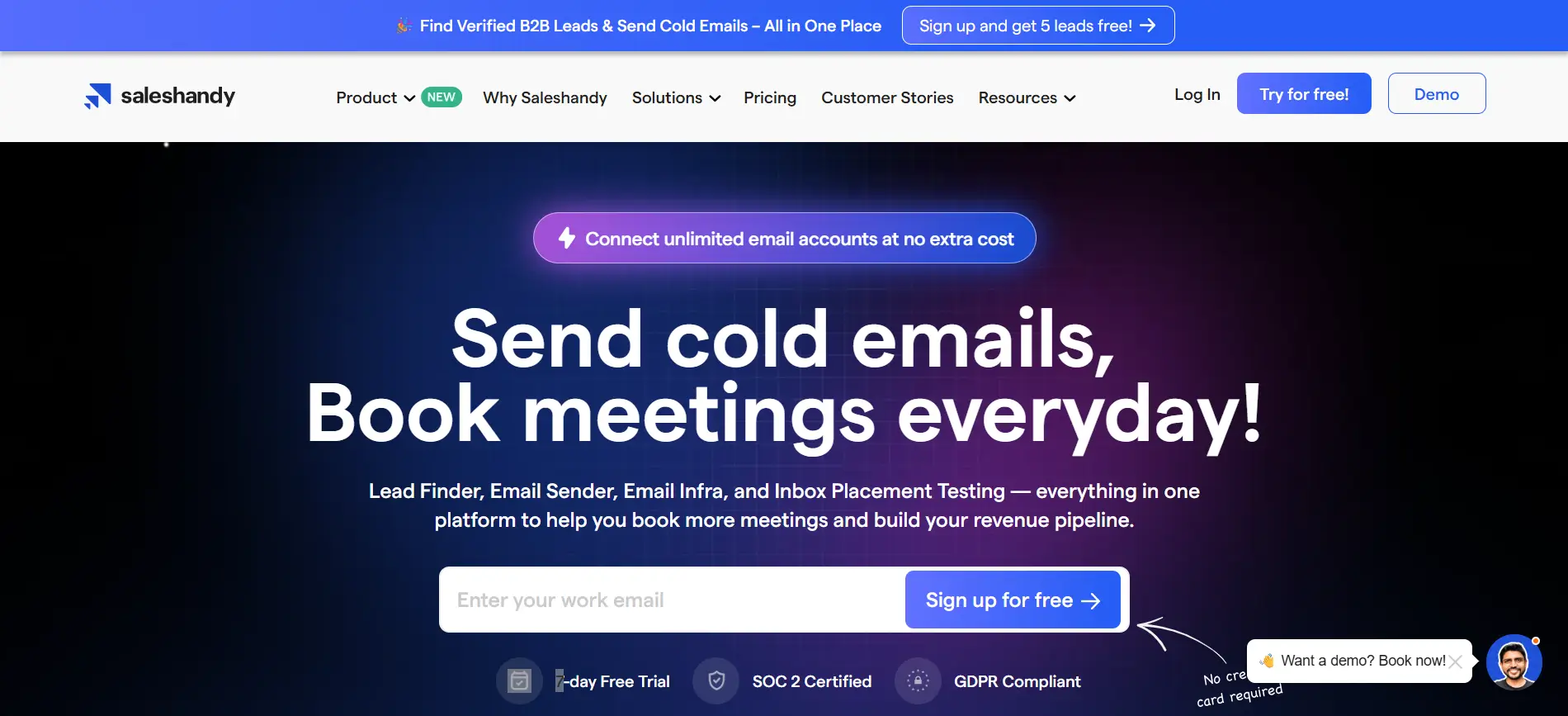
If you want better visibility into how your emails perform, tracking and analytics become essential.
Saleshandy helps you understand engagement and optimize your outreach strategy using real data instead of guesswork.
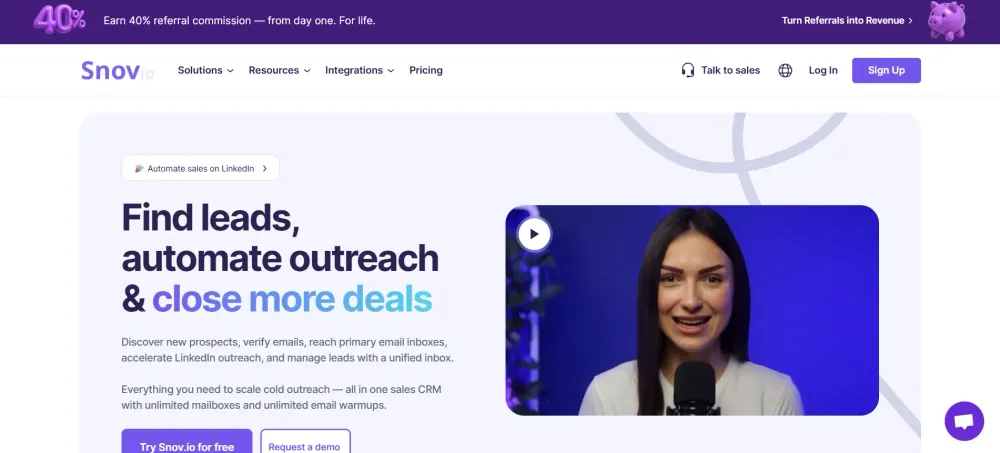
If you want to handle both lead generation and outreach without using multiple tools, an all-in-one platform becomes more useful.
Snov.io combines contact discovery with email automation, helping you manage the entire outreach process from one place.
Not every tool fits every workflow.
Choosing the right mail merge alternative depends on how you plan to use it and what outcomes you expect.
Making the right choice early can save you time, cost, and unnecessary tool switching later.
Start by identifying what you actually need.
Your use case will guide your decision.
Clarity here helps narrow down your options quickly.
The size of your team impacts how complex your tool should be.
Choosing the wrong level can slow adoption.
Pricing varies widely across tools.
It’s important to balance cost with value.
A cheaper tool isn’t always the better choice.
A powerful tool is useless if it’s too hard to use.
Adoption depends on simplicity.
Simple tools often perform better in the long run.
Your needs will grow over time.
Your tool should grow with you.
Switching tools frequently can disrupt your outreach, so it’s better to choose one that scales with your goals.
Most tools require you to manage multiple steps across different platforms.
This creates friction and slows down your outreach.
Oppora simplifies this by bringing everything into one structured system.
Instead of handling tasks separately, everything follows a clear flow.
You start by defining your ideal customer profile and target segments.
From there, the system finds relevant leads, enriches and verifies data, and launches personalized campaigns.
Each step is connected, so you can track engagement without switching tools.
Manual work is one of the biggest bottlenecks in outreach.
Oppora removes this by automating repetitive tasks across campaigns.
This allows campaigns to run faster with minimal effort.
Better execution leads to better results.
Oppora helps you reach the right prospects and engage them consistently.
This makes it easier to turn conversations into real meetings and outcomes.
Traditional mail merge tools can’t keep up with modern outreach needs.
With better mail merge alternatives, you get automation, personalization, and scalability without the usual limitations.
The right tool helps you save time, improve response rates, and run campaigns more efficiently.
If you want to go beyond just sending emails and actually automate your entire outreach workflow, platforms like Oppora can help you bring everything, lead generation, personalization, and follow-ups into one seamless system.
Mail merge focuses on sending bulk emails with basic personalization. Modern tools go further by adding automation, behavior-based triggers, analytics, and multi-step sequences, making outreach more dynamic, scalable, and results-driven.
Yes, most modern tools include features like email warm-up, domain monitoring, and spam checks. These help improve inbox placement and reduce the chances of emails landing in spam folders.
Absolutely. Many tools offer simple interfaces and free plans, making them accessible for solo users. As your needs grow, you can upgrade to advanced features without switching platforms.
Most modern tools are designed for ease of use. While advanced features may require some learning, basic email campaigns and automation can usually be set up without technical expertise.
You can track metrics like open rates, reply rates, click rates, and conversions. These insights help you understand what’s working and optimize your campaigns for better performance over time.
Summarize with AI
Share