Home
Blog
Find & Send Cold Emails to 500 Unique Prospects Every Month for FREE.
Home
Blog
Adam Hossain
Published February 19, 2026
13 min
Try Oppora AI
Create Self-Running Agentic Sales Workflows like N8N just by chatting with AI
Get Started for FREE
If you are doing B2B cold outreach, everything starts with one thing finding the right email address.
Not just any contact, but the right decision-maker with a verified, deliverable email.
The problem is, most teams either rely on outdated databases or waste hours manually hunting for contacts. That slows you down and hurts reply rates.
That’s where B2B email finder tools come in.
The right tool doesn’t just give you emails. It helps you target smarter, verify contacts, and build a repeatable prospecting system.
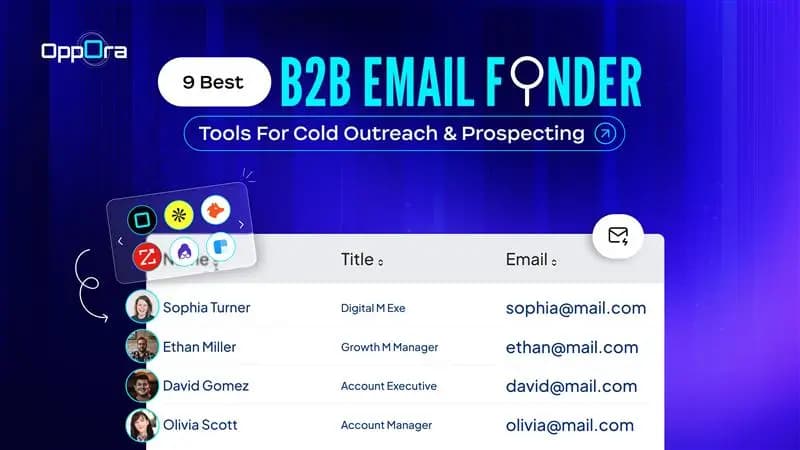
In this guide, you’ll discover the 9 best B2B email finder tools for cold outreach and scalable prospecting.
Choosing a B2B email finder is not just about who has the biggest database.
It is about how reliably you can turn data into conversations.
The right tool should help you move from identifying companies to reaching decision-makers without breaking your workflow or damaging deliverability. Let’s break down what actually matters when you are evaluating options.
At the core of every email finder tool is its database.
If the coverage is weak, everything else falls apart.
You want access to a large, regularly updated contact database that covers industries, geographies, and company sizes relevant to your market. It should include not just generic company emails, but direct contacts of decision-makers like founders, marketing heads, sales leaders, and procurement managers.
Depth also means context.
A good tool does not just give you a name and email. It provides job titles, company details, LinkedIn profiles, and sometimes even technology stack data.
This helps you personalize your outreach instead of sending generic emails that get ignored.
Finding emails is only half the job.
Making sure they are valid is what protects your sender reputation.
If your tool does not verify contacts in real time or offer bulk verification, you risk high bounce rates. That leads to domain damage, spam folder placement, and reduced open rates over time.
A strong B2B email finder should include built-in email verification, flag risky addresses, and help you filter out catch-all or invalid domains.
Deliverability safeguards are especially important if you are sending at scale. Because once your domain reputation drops, recovery takes time and money.
The best tools let you filter precisely.
Industry, location, company size, revenue, job title, keywords, technologies used these filters help you narrow down your ideal customer profile.
Without strong filtering, you end up exporting thousands of irrelevant contacts and manually cleaning lists later.
Good lead extraction also means flexibility.
You should be able to search by company name, domain, or even upload a list and enrich it with verified contacts.
This turns your tool from a simple email finder into a true prospecting engine.
Finally, your email finder should not live in isolation.
If you constantly export CSV files and manually upload them into your CRM, you create friction in your process.
The best tools integrate directly with platforms like HubSpot, Salesforce, or Pipedrive, so your leads flow automatically into your pipeline.
Even better, some tools connect with outreach platforms so you can move from finding a contact to launching a campaign without switching tabs.
When your email finder fits naturally into your workflow, prospecting becomes consistent, scalable, and far less chaotic.
Now that you know what actually matters, let’s look at the tools that stand out.
Some focus purely on contact databases. Others combine email finding with outreach automation.
The right choice depends on whether you just need data or a structured prospecting system that runs end to end.
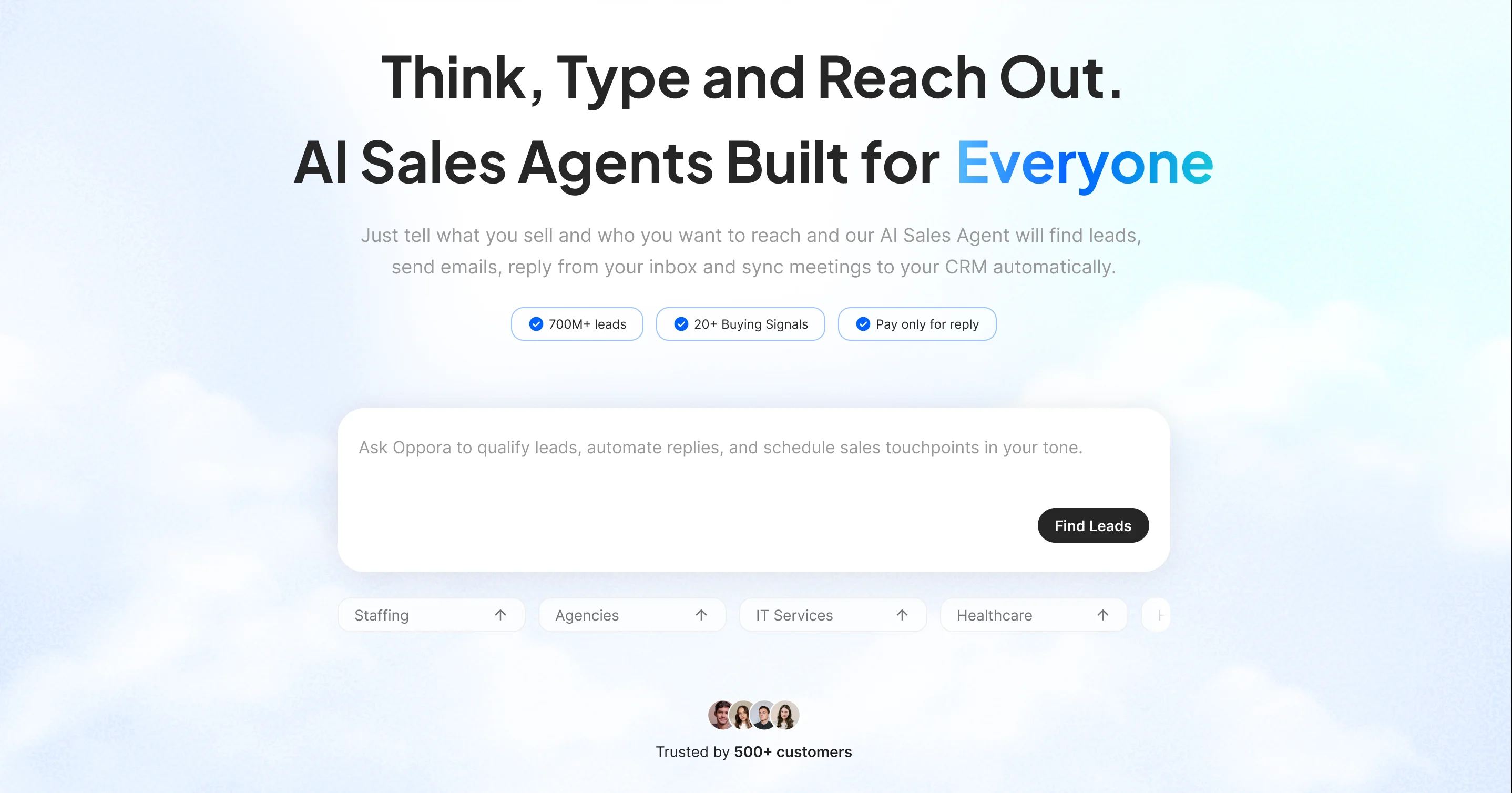
Unlike traditional email finder tools that stop at contact extraction, Oppora is built around a complete outbound workflow.
It does not just help you find emails. It connects lead discovery, verification, outreach, replies, and CRM syncing into one continuous system.
Instead of manually moving from tool to tool, you define what you sell and who you want to target and the workflow runs automatically.
This makes it more than a database tool. It functions as a structured prospecting engine.
It is designed for teams who want systemized outbound, not one-off email pulls.
If you want your outreach to run as a system rather than a series of manual steps, this fits well.
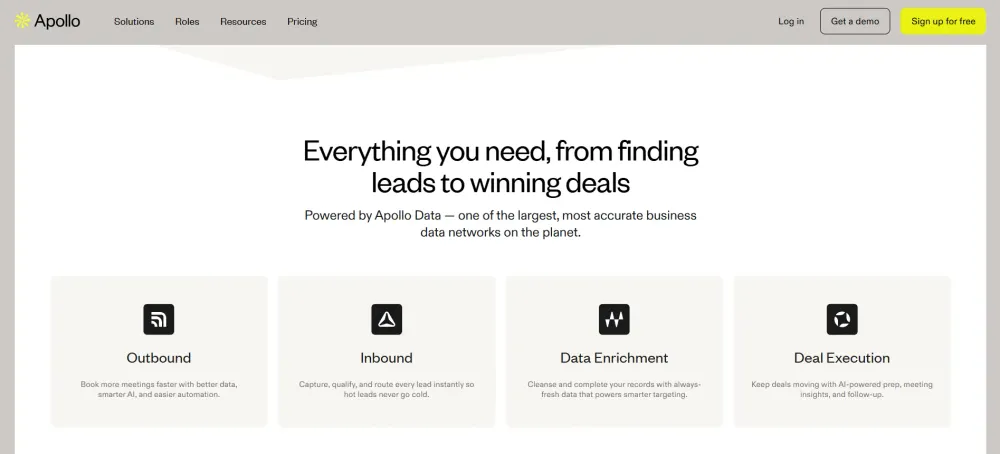
If you want a large B2B contact database combined with built-in outreach tools, Apollo.io is one of the most popular options.
It blends prospecting, enrichment, and sales engagement into a single platform.
Apollo works well if you want both contact data and outbound campaigns in one tool.
It offers power, but sometimes at the cost of simplicity.
Apollo offers a free plan with limited credits.
Paid plans start at a monthly per-user fee, scaling based on contact credits and advanced features.
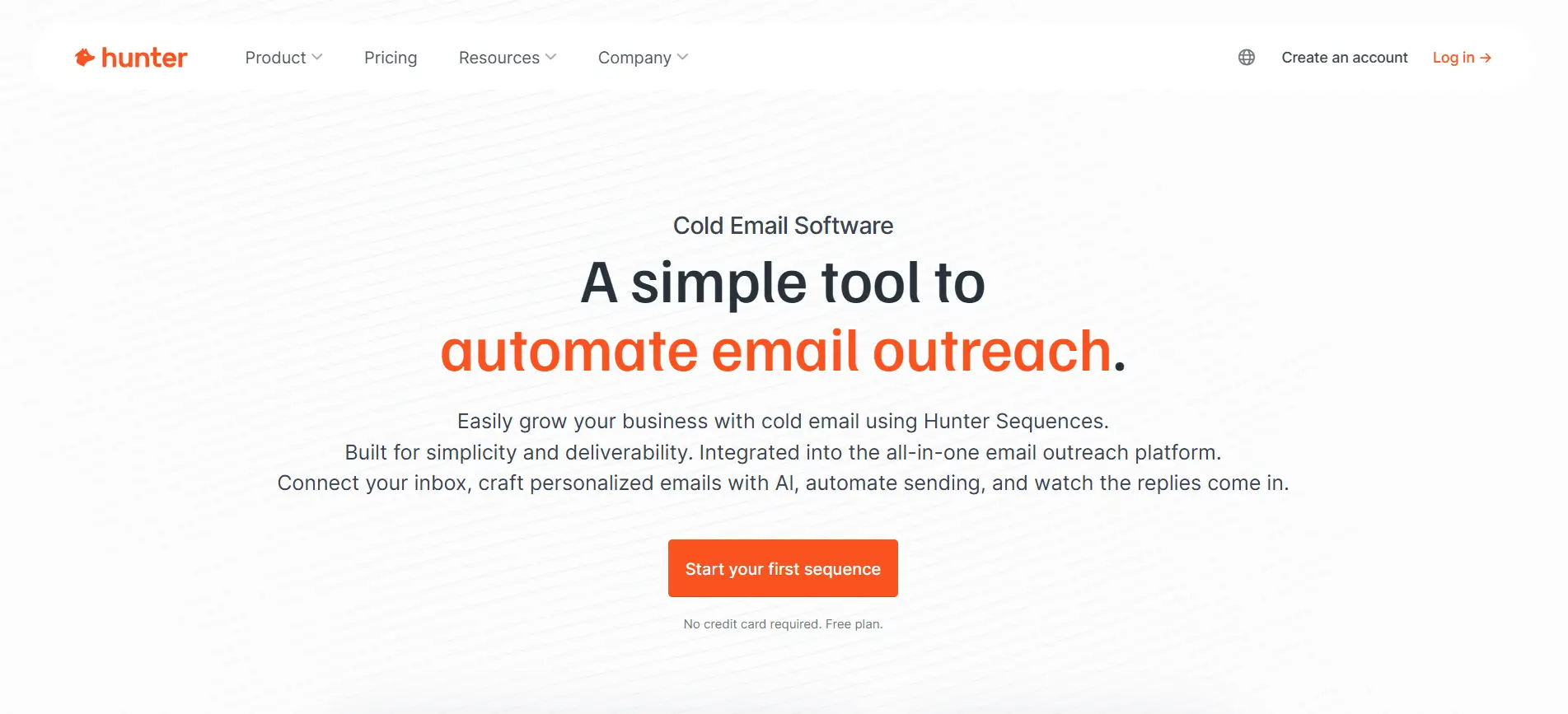
If you are looking for a simple and focused email finder, Hunter.io is one of the most straightforward tools available.
It is designed primarily for finding and verifying professional email addresses linked to specific domains.
Hunter works especially well when you already know the company you want to target and need verified contact emails quickly.
It does one thing well: finding emails from domains.
If you need deep segmentation or large-scale prospecting lists, you may outgrow it quickly.
Hunter offers a free plan with limited monthly searches.
Paid plans scale based on the number of searches and verifications per month, making it affordable for smaller teams.
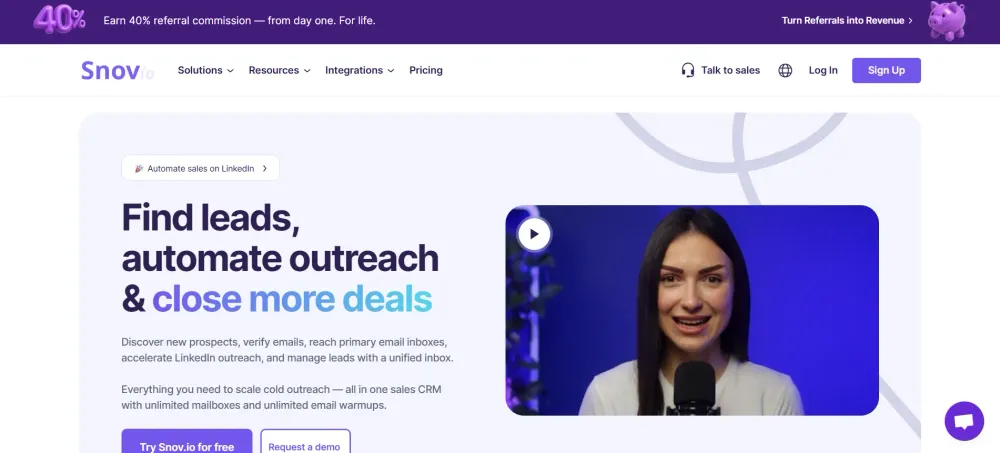
Snov.io combines email finding, verification, and cold outreach automation in one platform.
It sits somewhere between a pure email finder and a full outbound tool.
Snov.io is useful if you want to find emails and immediately plug them into a cold email sequence without switching platforms.
It balances prospecting and outreach reasonably well.
It works best when used as a mid-level outbound solution.
Snov.io offers a free trial with limited credits.
Paid plans are credit-based and scale depending on searches, verifications, and email campaign usage.
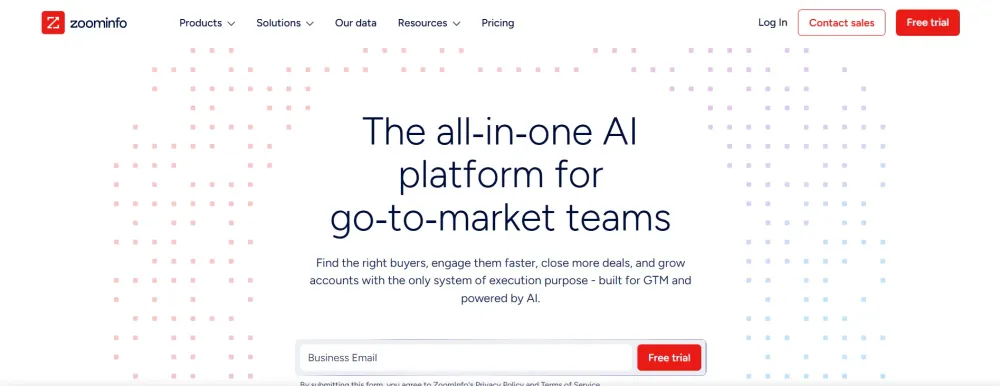
If you are operating at enterprise scale, ZoomInfo is one of the most established players in B2B data.
It is more than an email finder. It is a full go-to-market intelligence platform built for large sales and marketing teams.
ZoomInfo shines when you need deep segmentation and highly structured account targeting.
You can build account lists, identify buying committees, and layer in intent signals to prioritize outreach.
It is powerful, but not always cost-effective for small teams.
ZoomInfo does not publish public pricing.
Plans are typically custom-quoted and can run into thousands per year depending on seat count and feature access.
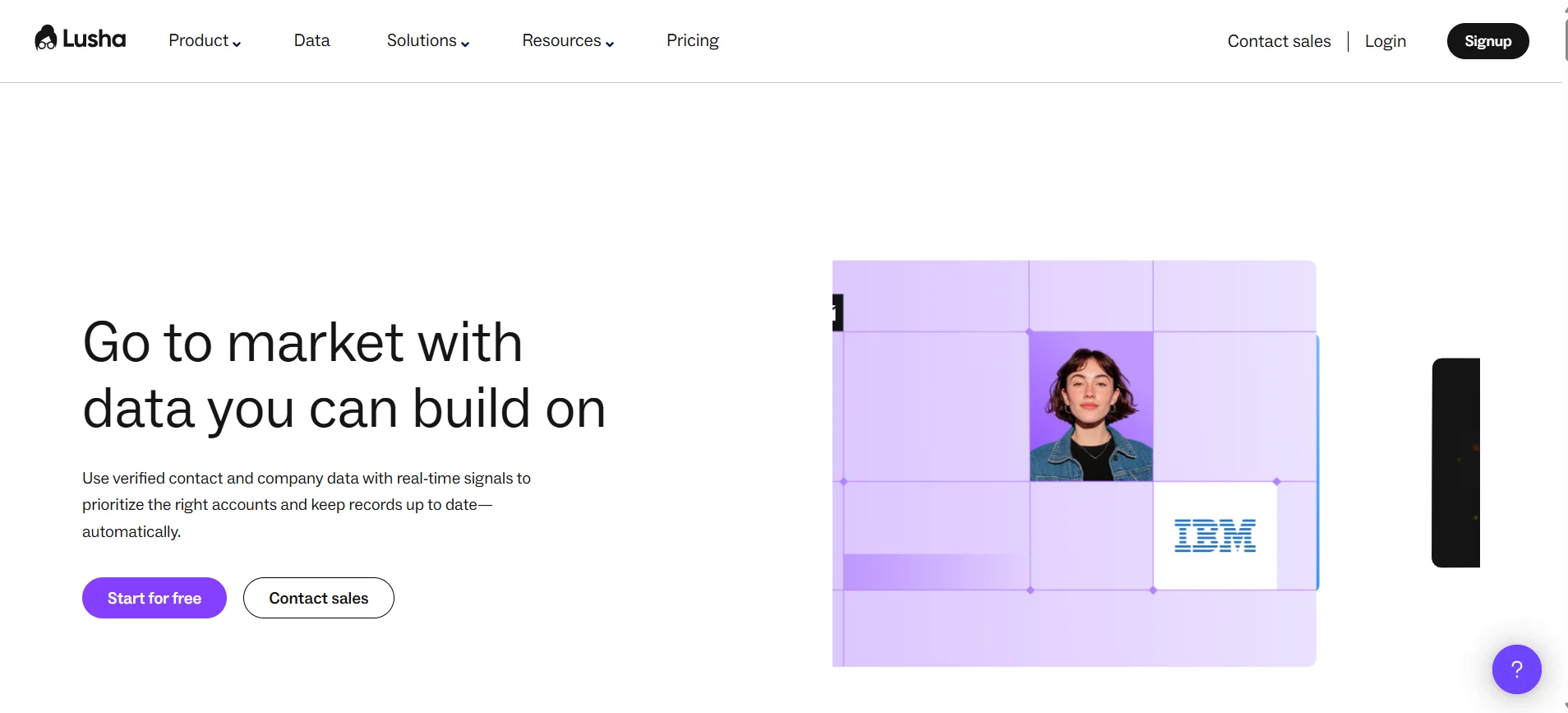
Lusha is known for its simplicity and ease of use.
It focuses on providing direct contact details through a browser extension and lightweight platform.
Lusha is fast.
You can visit a LinkedIn profile, click once, and pull verified contact information instantly.
It works best for targeted, manual prospecting rather than building massive lists.
Lusha offers a limited free plan with monthly credits.
Paid plans are credit-based and scale depending on the number of contacts you want to unlock each month.
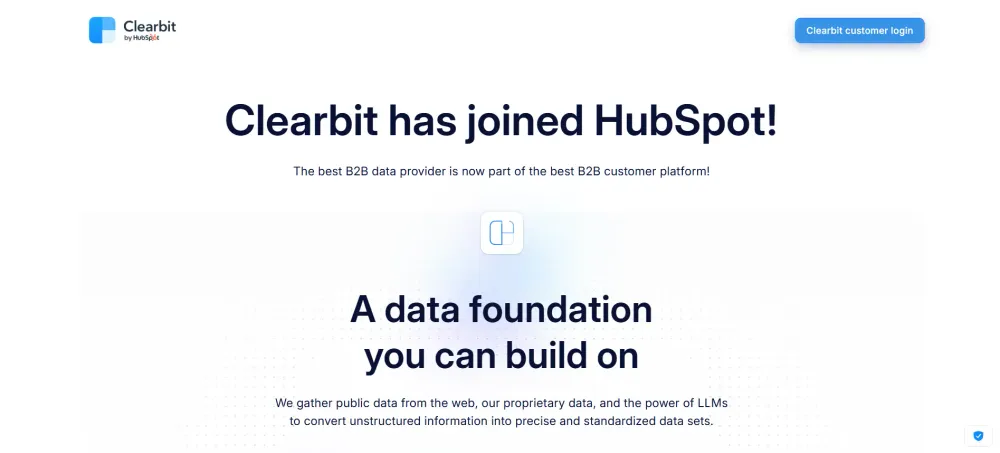
If your focus is more on data enrichment than bulk email scraping, Clearbit is a strong contender.
It is widely used by marketing and growth teams to enrich inbound leads and power account-based strategies.
Clearbit works exceptionally well when you already have partial data — like an email or domain — and want to enrich it with deeper company insights.
Instead of just giving you contacts, it helps you understand who they are and how to prioritize them.
If your main goal is extracting large prospect lists from scratch, other tools may feel more direct.
Clearbit does not publish transparent pricing.
Plans are typically custom and based on data usage, enrichment volume, and integrations required.
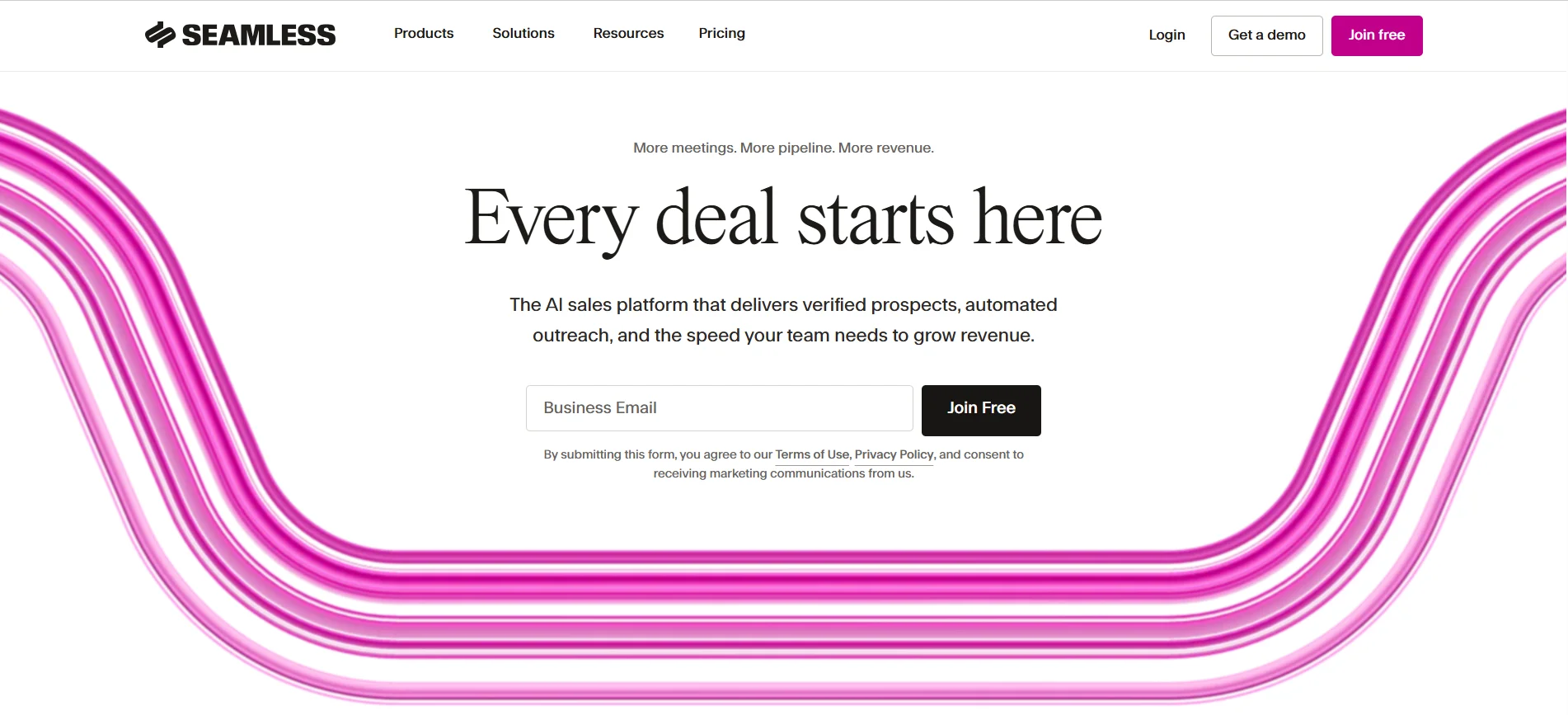
Seamless.ai positions itself as an AI-powered real-time search engine for B2B contacts.
It focuses heavily on helping sales reps find emails and phone numbers quickly.
Seamless.ai is built for speed.
Sales reps can search by company, job title, or industry and export contacts quickly for outreach.
It is powerful for prospecting, but you may still need separate tools for advanced automation and deliverability control.
Seamless.ai offers a limited free plan with daily credits.
Paid plans are typically quoted based on user seats and monthly credit volume.
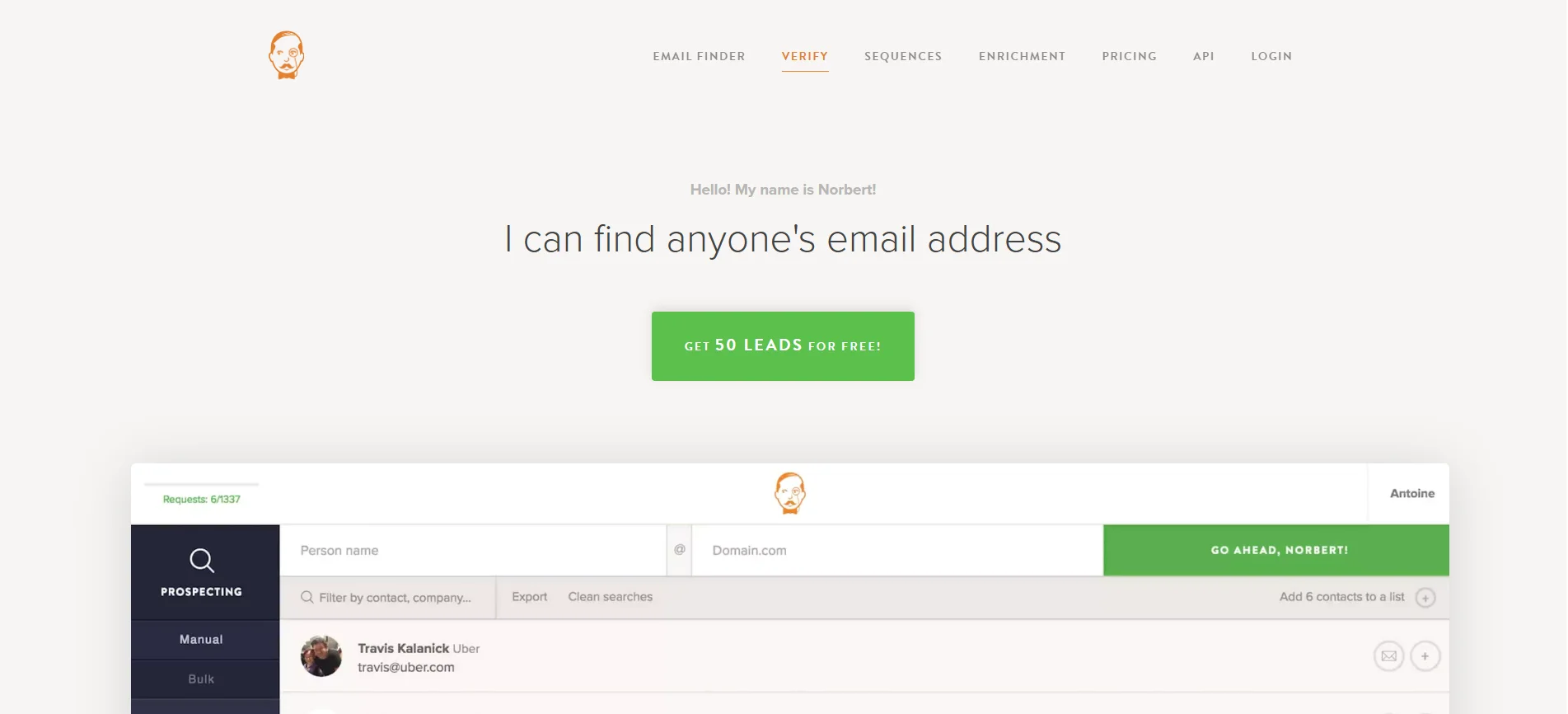
If you want a lightweight and focused email finder, Voila Norbert is a simple option to consider.
It is built primarily for finding and verifying professional email addresses without overwhelming you with extra features.
Voila Norbert works well when you already know who you want to contact and just need a reliable way to locate their professional email.
It keeps the process straightforward and easy to manage.
If you are building a large-scale outbound system, you may need additional tools alongside it.
Voila Norbert offers a free trial with limited searches.
Paid plans are credit-based and scale depending on the number of email searches and verifications you need each month.
Now that you have seen the top tools, the real question is this.
Which one actually fits your team structure, budget, and outbound goals?
The best choice depends less on features and more on how you run prospecting internally.
If you are a founder or small team, simplicity matters more than complexity.
You likely do not have a dedicated SDR managing multiple tools every day.
In this case, choose a tool that combines email finding, verification, and basic outreach in one place. Look for clean interfaces, reasonable pricing, and built-in deliverability protection.
You want something that helps you move fast without spending hours exporting CSV files or fixing bounce issues.
Efficiency and ease of use should be your priority.
As your team scales, structure becomes more important than speed alone.
You need advanced filtering, bulk list building, and CRM integrations.
At this stage, look for tools that allow deep segmentation, team collaboration, and workflow automation. Deliverability controls like inbox rotation and domain warm-up also become critical when sending volume increases.
Your focus shifts from “finding emails” to building a repeatable outbound engine.
Enterprise teams operate differently.
They care about data depth, buying committees, intent signals, and account-based targeting.
In this case, prioritize platforms with large databases, advanced enrichment, and strong CRM synchronization. Reporting and compliance also matter more at this level.
The right tool should support strategic, multi-threaded outreach not just provide a list of emails.
Even the best email finder will fail you if your process is flawed.
Most teams do not struggle because of the tool. They struggle because of how they use it.
Let’s look at the common mistakes that quietly kill outreach performance.
Pulling emails without verifying them is risky.
High bounce rates damage your domain reputation and push future campaigns into spam.
Always use built-in verification or a separate validation step before sending. Clean data protects deliverability and keeps your outreach sustainable.
If your targeting is broad, your messaging becomes generic.
And generic emails rarely get replies.
Instead of exporting thousands of random contacts, define your ideal customer profile clearly. Filter by industry, role, company size, and relevance. Better segmentation leads to stronger personalization and higher response rates.
Many teams find emails and immediately start sending.
No warm-up. No sequence strategy. No follow-up structure.
That approach leads to inconsistent results. You need a defined workflow — from list building to verification, sending, follow-ups, and response tracking. Structure turns outreach into a system, not a guessing game.
More emails do not automatically mean more meetings.
If your list is irrelevant, scaling only multiplies poor results.
Focus on quality first. When your targeting and messaging align with the right decision-makers, even smaller campaigns can outperform mass sends.
Finding emails is step one.
Building a repeatable outbound system is what actually drives consistent meetings.
With Oppora, the goal is not just extracting contacts, but turning prospecting into an automated, structured workflow.
Everything starts with clarity.
You define what you sell, who benefits most, and which industries or company sizes fit best.
When your ICP is clear, the system knows exactly what kind of companies to target.
Once your ICP is defined, you filter companies by industry, revenue, size, and location.
This ensures you are not wasting effort on irrelevant accounts.
Segmentation at this stage improves both personalization and reply rates later.
After identifying companies, the next step is targeting the right people.
Oppora identifies decision-makers based on roles and responsibilities that match your offer.
You move from generic company emails to real buyers.
Verification protects your domain.
Oppora validates emails in real time so you avoid bounces and spam risks.
Clean data keeps deliverability strong as you scale.
Instead of blasting thousands of emails at once, you control sending volume and mailbox rotation.
This maintains a healthy sender reputation and improves inbox placement.
Finally, every reply is tracked and categorized automatically.
Warm leads are identified, objections are handled, and meetings are booked — creating a structured, scalable prospecting engine.
The right B2B email finder is not just about database size.
It is about how well the tool fits your targeting, verification, and outreach workflow.
If you want scalable prospecting, focus on data accuracy, deliverability protection, and system integration.
When your email finder supports a structured process instead of random sending, your outreach becomes predictable, measurable, and far easier to scale.
Yes, but you must comply with data protection laws like GDPR or CAN-SPAM. Use tools that source publicly available data and include verification features. Always provide clear opt-out options and send relevant, legitimate business communication to reduce compliance risk.
Accuracy varies by provider, industry, and region. Enterprise databases may offer higher coverage, but no tool guarantees 100% accuracy. Using built-in email verification before sending significantly reduces bounce rates and protects your domain reputation.
Yes. Many teams combine tools for better coverage and enrichment. For example, one tool may provide bulk company data, while another verifies emails. Just ensure your workflow stays organized and data remains deduplicated to avoid messy pipelines.
Some platforms include direct dials or mobile numbers, especially enterprise tools. However, not all providers focus on phone data. If multichannel outreach is important, choose a platform that supports both verified emails and reliable phone contact details.
It depends on your domain age, warm-up status, and inbox health. New domains should start slowly, often under 30 emails per day per inbox. As reputation builds, you can gradually increase volume while monitoring deliverability and reply rates closely.
Summarize with AI
Share