How to Generate SMB Leads: 12 Proven Strategies That Convert
Adam Hossain
Published July 12, 2026
13 min
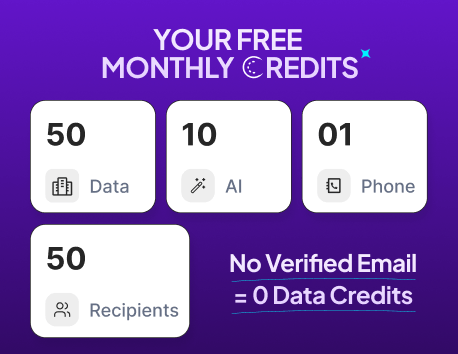
Complete Agentic Email Outreach
AI agents find and enrich prospects, personalize emails, follow up, and handle replies with your meeting link.
Claim Your FREE Credits
Most SMB owners will tell you the same thing: leads are the hardest part of growing a business.
You know your product is good. You know people need it. But actually finding those people, reaching them, and turning them into paying customers? That's where things get messy.
The good news is that SMB lead generation isn't guesswork when you have the right approach.
In this guide, you'll learn:
- What makes SMB lead generation different from enterprise
- The core fundamentals every strategy needs
- 12 proven tactics to generate leads that actually convert
- Common mistakes quietly draining your results
What Makes SMB Lead Generation Different
Before you chase any tactics, it helps to understand why SMB lead generation plays by its own rules.
What works for a large enterprise rarely works the same way for a smaller business.
The budgets are tighter and the sales cycles move a lot faster.
Enterprise teams can spend months nurturing a single high-value account.
You usually don't have that kind of time on your side.
Trust also works differently when someone buys from a smaller business.
Those buyers often want a real human connection before they commit to you.
That's why generic, high-volume outreach tends to fall flat with this audience.
Core Fundamentals of Successful SMB Lead Generation
Now that you know how SMB lead generation differs, let's build the foundation that makes every tactic work.
Skip these fundamentals and even the best strategies will leak leads. Get them right and everything else gets easier.
Define Your Ideal Customer Profile (ICP) Before Choosing a Channel
Before you spend a single dollar on any channel, you need to know exactly who you're chasing.
Your ICP is a clear picture of the business most likely to buy from you and stay.
When you skip this step, you end up attracting leads that waste your time and drain your budget.
A sharp ICP keeps your outreach focused and your conversion rates far healthier.
Choose the Right Lead Generation Channels for Your Business
Once you know who you're targeting, the next question is where to actually find them.
Not every channel deserves your attention, and spreading yourself thin usually backfires fast.
The smarter move is to match your channels to where your ideal buyers already spend time.
A few channels worth weighing based on your ICP:
- Local SEO and Google Business Profile for buyers searching nearby
- Paid ads when you need leads quickly and predictably
- Cold outreach across email, phone, and LinkedIn or direct targeting
- Referrals and partnerships for warm, high-trust introductions
Start with one or two channels, prove they work, then expand from there.
Suggested Reading:
How to Automate Lead Generation (Save 20+ Hours/Week)Create a Strong Value Proposition That Attracts the Right Buyers
Picking the right channel only matters if your message actually lands once you get there.
Your value proposition tells buyers why they should choose you over every other option.
It should speak directly to their problem and the outcome they truly want.
Keep it clear and specific, because vague promises rarely convince anyone to act.
Capture, Qualify, and Nurture Every Lead Effectively
A strong message brings leads in, but what happens next decides whether they convert.
Too many SMBs capture leads and then let them go quietly cold.
You need a simple system to capture details, qualify fit, and nurture until they're ready.
That steady follow-up is often what separates a closed deal from a missed one.
Track Performance and Continuously Optimize Your Lead Generation Strategy
Even a solid system needs regular tuning to keep performing at its best.
Tracking your numbers shows you what's working and what's quietly wasting your budget.
Watch a few core metrics closely to guide smarter decisions:
- Cost per lead across each active channel
- Conversion rate from lead to paying customer
- Lead quality based on how many actually fit your ICP
Review these often, then double down on whatever consistently brings your best leads.
12 Proven Strategies to Generate SMB Leads That Convert
With the fundamentals in place, you're ready for the tactics that actually fill your pipeline.
These aren't random ideas thrown together to pad a list.
Each strategy below is proven to help SMBs find, reach, and convert the right leads.
Some focus on inbound, others on direct outreach, so you can mix what fits your business.
Let's get into the first one.
1. Let Oppora AI find and enrich leads from both Google Maps and professional networks
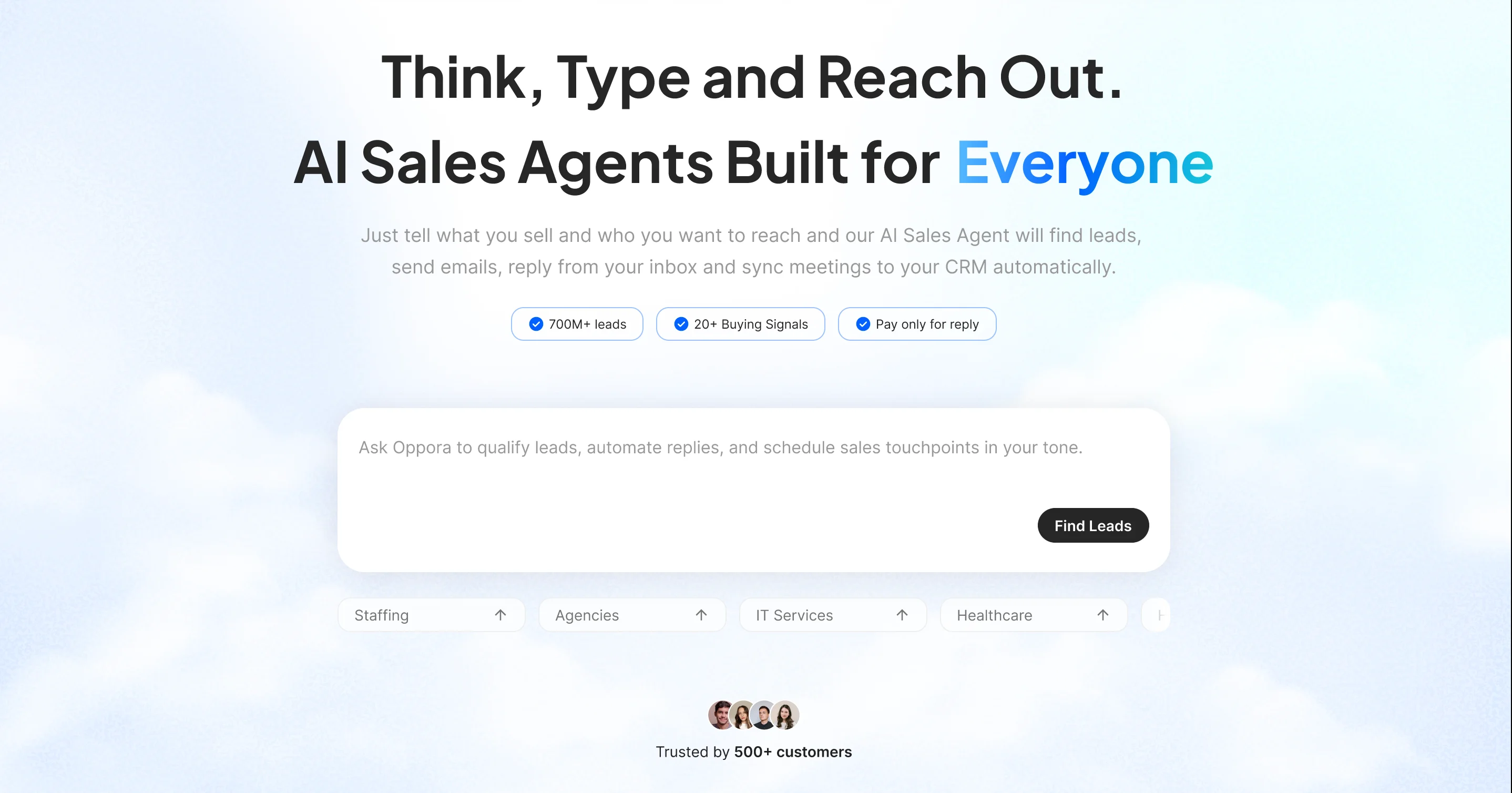
Most lead generation slows down at the same painful point: finding good leads takes forever.
You bounce between Google Maps, LinkedIn, and endless tabs just to build one usable list.
Oppora is an AI sales system that automates lead generation, enrichment, outreach, and follow-ups end-to-end.
If you're figuring out how to generate SMB leads without the daily grind, this is where it clicks.
Oppora pulls prospects from both Google Maps and professional networks in a single place.
So you reach local businesses and decision-makers without juggling separate tools or messy exports.
From there, Oppora enriches each lead so you're never reaching out blind again:
- Verified emails from 1B+ contacts using waterfall data sources
- Owner-level details, direct phone numbers, and job titles
- Company size, industry, revenue, and location filters
- Intent and buying signals like recent funding or new job postings
- Built in email and Linkedin outreach
That enrichment means you spend energy only on leads that genuinely fit your ideal customer profile.
But Oppora doesn't stop once your list is built and ready to go.
Its self-running workflows can enrich, verify, and route those leads straight into your outreach.
You get a cleaner pipeline from two powerful sources, without the manual grind eating your week.
Suggested Reading:
10 Best Google Maps Lead Scraper Tools to Find Local Leads Fast2. Rank locally with Local SEO and an optimized Google Business Profile
Not every lead comes from outreach, and some of your best ones are already searching for you.
When someone nearby types "service near me," you want your business showing up first.
That's the whole point of local SEO paired with a well-optimized Google Business Profile.
Start by claiming your profile and filling out every detail buyers care about:
- Accurate name, address, phone, and business hours
- Clear service categories and a keyword-rich description
- Real photos and prompt responses to every review
Then keep your listing active and consistent, because Google rewards businesses that stay updated and engaged.
3. Run geo-targeted paid ads to reach nearby buyers fast
Local SEO builds momentum over time, but sometimes you need leads flowing in a lot sooner.
That's where geo-targeted paid ads become your fastest route to nearby, ready-to-buy customers.
You can set a tight radius around your location and show ads only to people who matter.
So your budget goes toward local buyers instead of leaking out to audiences who'll never convert.
Keep your ad copy specific to the area and the exact problem you solve for them.
Pair that with a focused landing page, and you turn clicks into real conversations quickly.
Start small, watch what converts, then scale the campaigns that consistently bring quality leads.
4. Turn your website into a lead-capture engine with clear CTAs
Paid ads and local search both send traffic somewhere, and usually that somewhere is your website.
The problem is that most SMB websites look nice but quietly let visitors slip away.
Every page should guide the visitor toward one clear, obvious next step you want them to take.
That means placing strong calls-to-action where people actually look, not buried at the very bottom.
A few CTAs worth testing across your key pages:
- "Book a free consultation" for high-intent visitors
- "Get a quote" for buyers comparing options
- "Download the guide" for people still researching
When your CTAs are clear and specific, your website starts capturing leads instead of losing them.
5. Build reviews and referrals into a steady inbound source
A lead-capturing website works even harder when trust is already built before people arrive.
Nothing builds that trust faster than genuine reviews and referrals from happy customers.
So make asking for reviews a simple, repeatable habit right after you deliver great work.
A quick follow-up message or a direct link removes the friction that usually stops people.
Then encourage referrals by making it easy and genuinely rewarding for customers to send people your way.
A small incentive or a simple thank-you often keeps that word-of-mouth flowing naturally.
Over time, this steady inbound stream costs you almost nothing yet consistently brings your warmest leads.
6. Target newly registered businesses before competitors reach them
Some of the best leads aren't searching yet, because they've only just opened their doors.
Newly registered businesses often need tools, services, and suppliers before anyone else reaches out.
That timing gives you a real edge if you get there before your competitors do.
New business registrations are usually public, so you can spot fresh opportunities as they appear.
Watch for a few signals that a business is ready to hear from you:
- Recent business registration or licensing filings
- A new website or social profile going live
- Early job postings hinting at growth
Reach out early with a helpful offer, and you become the first name they remember.
7. Track review velocity and tech-stack shifts as buying signals
Timing matters just as much for businesses that already exist and are quietly changing.
The trick is spotting the small shifts that signal a business is ready to buy right now.
Review velocity is one of the clearest signals you can watch without much effort.
A sudden jump in reviews often means growth, new locations, or rising demand you can serve.
Tech-stack changes tell a similar story about where a business is heading next:
- Adopting new software that pairs with your offer
- Dropping a tool you can directly replace
- Adding tools that hint at scaling plans
Reach out while that change is fresh, and your message lands exactly when they're most open.
8. Find owner-level emails and direct dials, not generic inboxes
Spotting the right moment only helps if your message actually reaches a real decision-maker.
Too often, outreach dies inside a generic inbox that nobody important ever checks.
Getting owner-level emails and direct dials puts you straight in front of the person who says yes.
That single shift can dramatically lift your reply rates and shorten your whole sales cycle.
So skip the "info@" addresses and focus your energy on verified, personal contact details instead.
Tools that enrich leads with direct contacts save you hours of manual digging and guessing.
When you reach the owner directly, every conversation starts with far less friction and more intent.
9. Tap chambers of commerce and trade association directories
Direct contacts work best when you're pulling them from the right pools of businesses.
Chambers of commerce and trade associations quietly hold some of the most qualified local leads around.
These directories group businesses by industry and location, which does a lot of your targeting for you.
Membership also signals that a business is established, active, and invested in growing steadily.
So mine these directories for prospects, then reach out with a relevant, community-aware angle that feels personal.
10. Partner with complementary local businesses to cross-refer
Directories point you to businesses you can sell to, but some are better as partners than prospects.
Complementary local businesses often serve the exact customers you want, without competing for the sale.
Think of a web designer teaming up with a marketing agency to send each other steady work.
Each partner becomes a trusted source of warm referrals that already arrive with built-in credibility.
Look for a few natural partnership fits in your area:
- Businesses that serve your customers before you do
- Services that pair naturally with your offer
- Local players who share your ideal customer profile
Set up a simple cross-referral arrangement, and you both gain a reliable stream of warmer leads.
11. Run multichannel cadences across email, phone, and LinkedIn
Referral partners bring warm leads, but your direct outreach still needs a smarter, steadier rhythm.
One email rarely lands, and a single channel almost never earns you a reliable reply.
That's why a multichannel cadence across email, phone, and LinkedIn consistently outperforms any lonely one-off message.
Each touchpoint reinforces the last, so your name feels familiar by the time they respond.
A simple cadence might flow naturally across all three channels over a couple of weeks:
- A first email that opens with real relevance
- A LinkedIn connection with a short, personal note
- A quick follow-up call when timing feels right
Spread these touches out thoughtfully, and you stay persistent without ever tipping into annoying.
Suggested Reading:
How to Combine LinkedIn Outreach with Email Campaigns12. Score, route, and nurture leads until the timing lines up
Reaching leads consistently only pays off when you handle each one based on real readiness.
Not every lead is ready today, and treating them all the same quietly wastes your best opportunities.
Scoring helps you rank leads by fit and intent, so hot prospects never slip through unnoticed.
Routing then sends each lead to the right next step instead of a random, generic follow-up.
For everyone not ready yet, steady nurturing keeps you top of mind until the timing finally lines up.
Common Mistakes That Hurt SMB Lead Generation
You now have plenty of strategies to fill your pipeline with quality leads.
But even great tactics can fall flat when a few common mistakes quietly get in the way.
Spotting these early saves you wasted budget, lost time, and a lot of avoidable frustration.
Targeting the Wrong Audience
The most expensive mistake happens before you send a single message or run one ad.
When you target the wrong audience, everything downstream struggles no matter how good your execution is.
You end up attracting people who were never going to buy from you in the first place.
That drains your budget and fills your pipeline with leads that go nowhere slowly.
A sharp ideal customer profile fixes this by keeping every effort pointed at the right buyers.
So revisit who you're targeting often, because a clear audience makes every other tactic work harder.
Prioritizing Volume Over Lead Quality
Once your targeting is right, it's tempting to chase as many leads as you possibly can.
But bigger lists aren't better when most of those names never turn into paying customers.
Chasing volume usually means lowering your standards and welcoming leads that quietly waste your time.
A smaller list of well-matched prospects almost always beats a huge pile of poor-fit ones.
Focus on quality signals that tell you a lead is genuinely worth pursuing:
- Clear fit with your ideal customer profile
- Real intent or a recent buying signal
- Budget and authority to actually say yes
Chase the right leads, not just more of them, and your conversion rates climb steadily.
Sending Generic Outreach Messages
Even high-quality leads will ignore you when your outreach feels copied and completely impersonal.
Generic messages signal that you didn't bother to understand the person you're reaching out to.
A little relevance goes a long way toward earning a reply instead of a silent delete.
So reference their business, their situation, or a signal that shows you actually did your homework.
That small effort makes your message stand out in an inbox full of forgettable pitches.
Depending on a Single Acquisition Channel
Personalized outreach works, but leaning on just one channel to deliver it is a fragile strategy.
When that single channel dips, your entire lead flow can dry up almost overnight.
Spreading across a few proven channels protects you from those sudden, painful drops in volume.
So build two or three reliable sources, then keep testing new ones as you grow.
Giving Up After the First Follow-Up
Diversifying your channels means little if you quit chasing leads far too early in the process.
Most deals aren't won on the first touch, yet many SMBs stop right after one follow-up.
Your prospects are busy, and a little persistence often makes the difference between silence and a reply.
So build a steady follow-up sequence, and keep showing up until they're finally ready to talk.
Conclusion
SMB lead generation stops feeling overwhelming once you have a clear system guiding every move.
You know your audience, you pick the right channels, and you follow up until the timing lines up.
The strategies here work best when they run together instead of in scattered, one-off bursts.
That's the part most SMBs struggle with, simply because doing it all manually eats your week.
This is where Oppora quietly earns its place, running lead generation, enrichment, and outreach on autopilot for you.
So you can focus on closing deals while your pipeline keeps filling itself in the background.
Frequently Asked Questions (FAQs)
How much should an SMB budget for lead generation?
There's no fixed number, but many SMBs invest around 7–10% of revenue into marketing and lead generation. Start small, track your cost per lead across channels, then reinvest into whatever consistently brings quality prospects. Let real performance guide your budget rather than guessing upfront.
How long does it take to see results from SMB lead generation?
It depends heavily on your channels. Paid ads can bring leads within days, while local SEO and referrals often take a few months to build momentum. A healthy strategy blends both, so you get quick wins while slower channels compound quietly in the background.
Should SMBs handle lead generation in-house or outsource it?
Both work, and the right choice depends on your time and budget. In-house gives you control and deeper customer knowledge, while outsourcing saves time when you lack capacity. Many SMBs land in the middle, using automation tools to handle the heavy lifting without hiring a full team.
What's the difference between a lead and a qualified lead?
A lead is anyone who shows basic interest, like filling out a form. A qualified lead fits your ideal customer profile and shows real intent or buying signals. Focusing on qualified leads keeps your pipeline healthier and your sales conversations far more productive.
How often should SMBs review their lead generation strategy?
A monthly review works well for most SMBs. Check your cost per lead, conversion rates, and channel performance, then adjust what's underperforming. Reviewing too often creates noise, while waiting too long lets wasted budget quietly pile up. Monthly keeps you responsive without overreacting to small dips.
Summarize with AI
Share