Home
Blog
Find 500 B2B Contacts for Free Every Month with Built-In Outreach.
Home
Blog
Stephen Parker
Published April 29, 2026
20 min
Try Oppora AI
Create Self-Running Agentic Sales Workflows like N8N just by chatting with AI
Get Started for FREE
You are probably already using multiple sales development tools to run your outbound.
But instead of simplifying your workflow, they often create more steps, more tabs, and more manual work than expected.
You switch between tools to find leads, verify emails, write messages, send campaigns, and track replies, and somewhere in that process, speed and consistency start to drop.
The real challenge is not finding tools, it is choosing the right ones based on ROI and ease of use.
In this guide, you will explore:
Sales development tools are the systems you use to find, reach, and engage potential customers before a deal even starts.
They sit at the very top of your sales funnel and help you turn cold prospects into qualified conversations.
Instead of relying on manual research and one-off emails, these tools streamline the entire outbound process so you can move faster and stay consistent.
Most sales development tools typically help you:
But here is where things get tricky.
Many teams end up using multiple disconnected tools for each step, which creates a fragmented workflow and slows everything down.
The best sales development tools are not just feature-rich.
They bring your entire outbound process into one smooth, connected system.
By now, you know what sales development tools do.
But the real question is which ones actually make your outbound easier and more effective, instead of adding more complexity?
The difference usually comes down to how the tool performs in daily use, not how it looks in a feature list.
A tool might look powerful during a demo, but if it takes hours or days to set up, your team will avoid using it consistently.
Complex workflows often require constant manual input, which defeats the purpose of using sales development tools in the first place.
The best tools reduce friction.
You should be able to go from idea to live campaign quickly without needing technical expertise or constant troubleshooting.
Your outreach is only as strong as the data behind it.
If your contact details are outdated or inaccurate, your emails will either bounce or reach the wrong person.
High-quality sales development tools focus on verified data and continuous enrichment so your pipeline stays clean and relevant.
Better data does not just improve deliverability.
It increases your chances of having meaningful conversations with the right decision-makers.
Automation helps you scale, but it can also make your outreach feel generic if not done correctly.
When every email sounds the same, prospects quickly lose interest and ignore your messages.
The best sales development tools balance automation with real personalization, so each message still feels relevant and thoughtful.
This is where most tools fall short.
They automate volume, but not quality.
It is easy to get impressed by long feature lists.
But more features do not always translate into better results, especially if your team only uses a small portion of them.
What actually matters is how much value you get compared to the time, effort, and cost involved.
The right sales development tools should help you book more meetings, reduce manual work, and improve consistency all without increasing complexity.
In the end, ROI is not about how much a tool can do.
It is about how much it actually helps you grow.
Now that you know what to look for, let’s break down the tools that actually deliver results.
Instead of just listing features, this section focuses on how these sales development tools perform in real workflows, how easy they are to use, and how much ROI they generate over time.
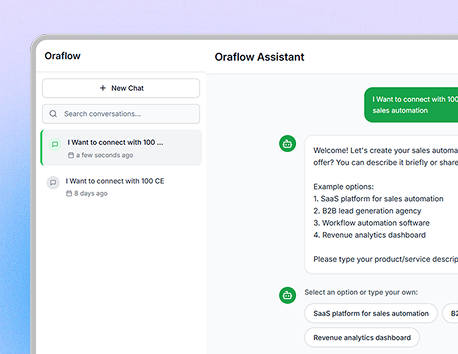
Most sales development tools focus on solving a single part of outbound.
Oppora.ai is designed to handle the entire sales development workflow as one connected system, reducing the need for multiple tools and manual coordination.
You define your target audience and offering once.
From there, the platform builds and continuously executes your outbound process using AI agents.
Key Features:
What makes Oppora.ai stand out among sales development tools is not just automation, but system-level execution.
Instead of managing separate tools and processes, you are operating a single, continuously running outbound engine that reduces manual effort and improves overall ROI.
After looking at an all-in-one system like Oppora, it is important to understand tools that specialize in a single stage of outbound.
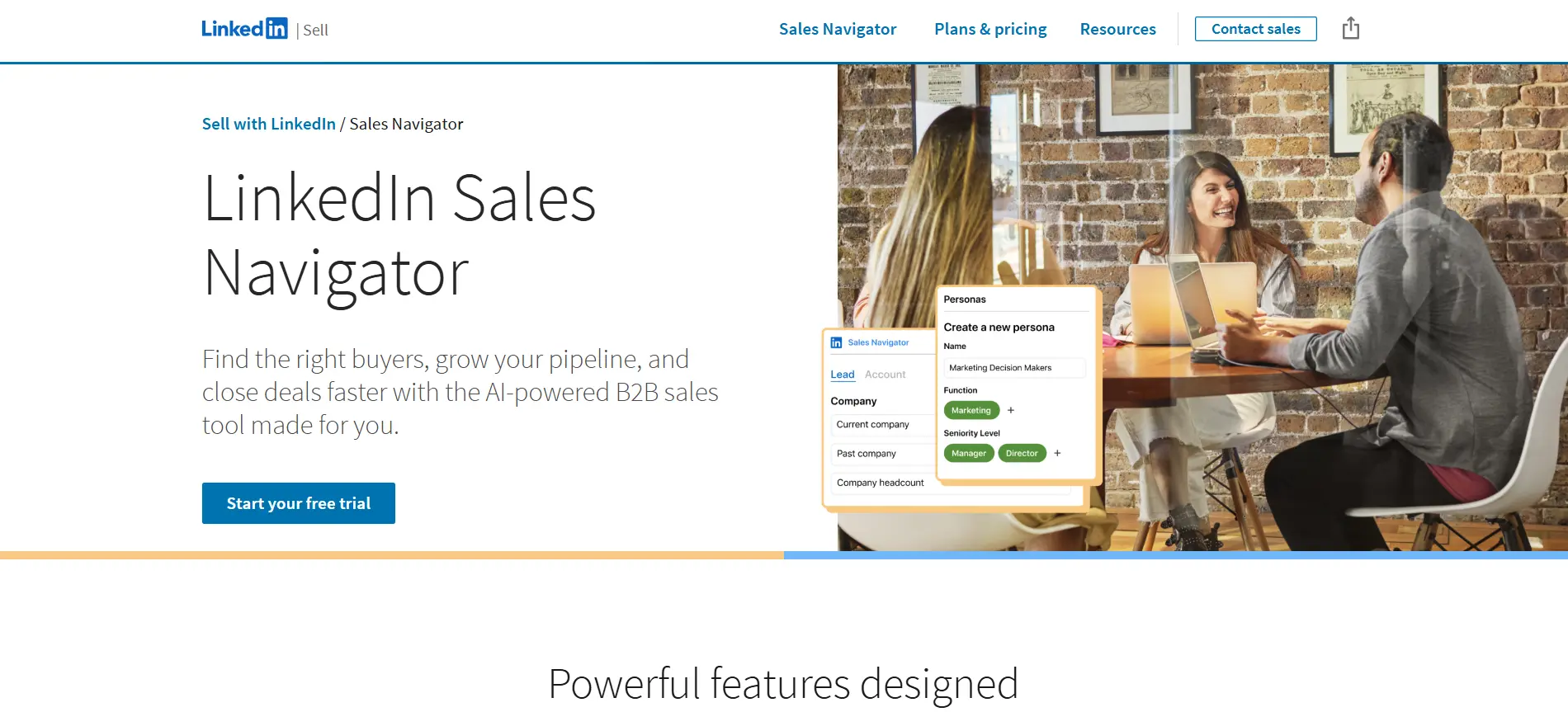
LinkedIn Sales Navigator focuses heavily on prospect discovery and intent signals rather than execution.
It helps you identify the right people and understand when to reach out, which directly improves the quality of your outreach.
Key Features:
LinkedIn Sales Navigator is one of the most valuable sales development tools when it comes to research and timing.
However, it does not handle outreach automation or email workflows, which means you will still need additional tools to complete your outbound process.
After tools focused on research like Sales Navigator, the next step is finding a platform that combines data and outreach in one place.
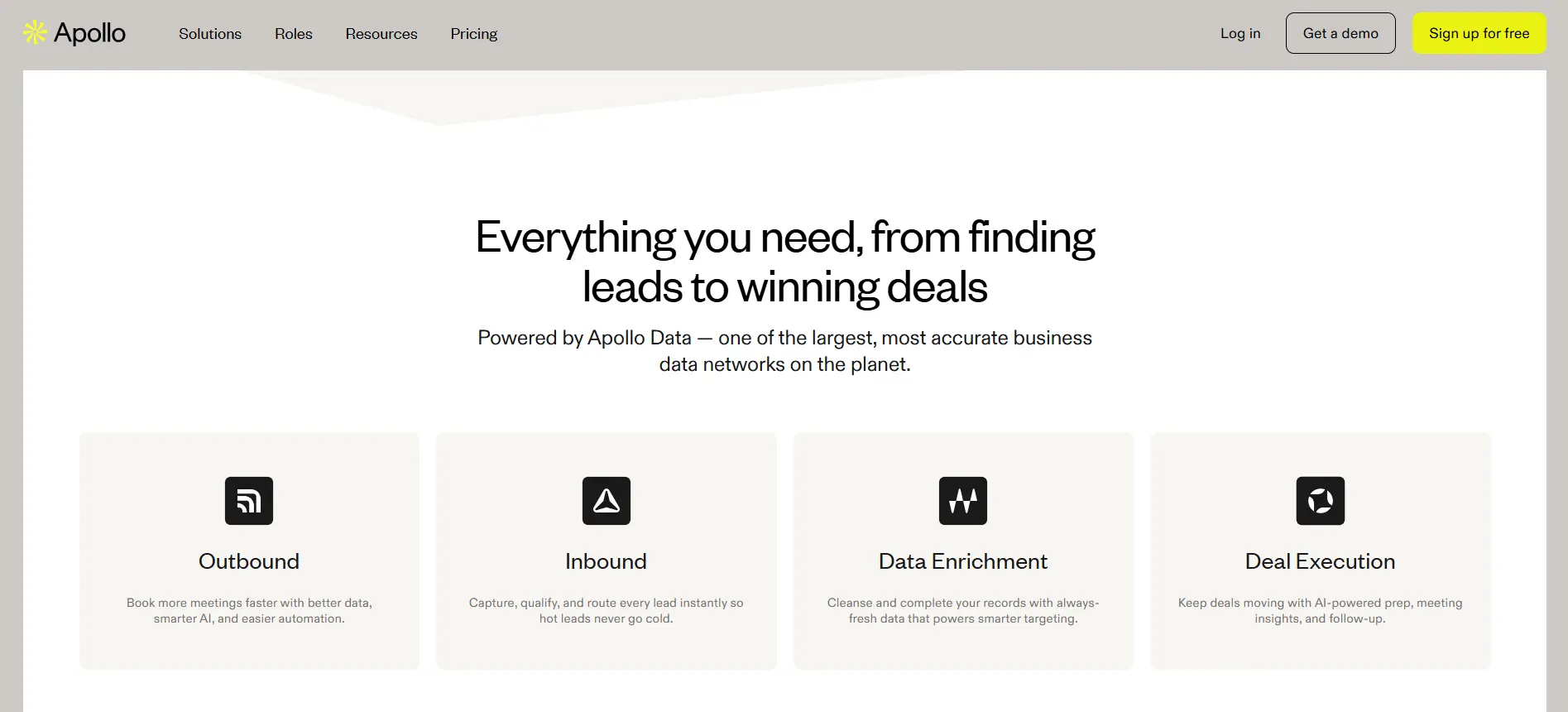
Apollo.io is popular because it gives you both prospecting and basic outreach at a relatively low cost.
It is often the starting point for teams building their outbound engine without a large budget.
Key Features:
Apollo.io is one of the most accessible sales development tools if you want to combine lead generation and outreach in one place.
However, as your outbound scales, you may start needing better data accuracy, deeper automation, and stronger deliverability controls.
As your outbound grows, you start needing more structure, visibility, and control across your sales process.
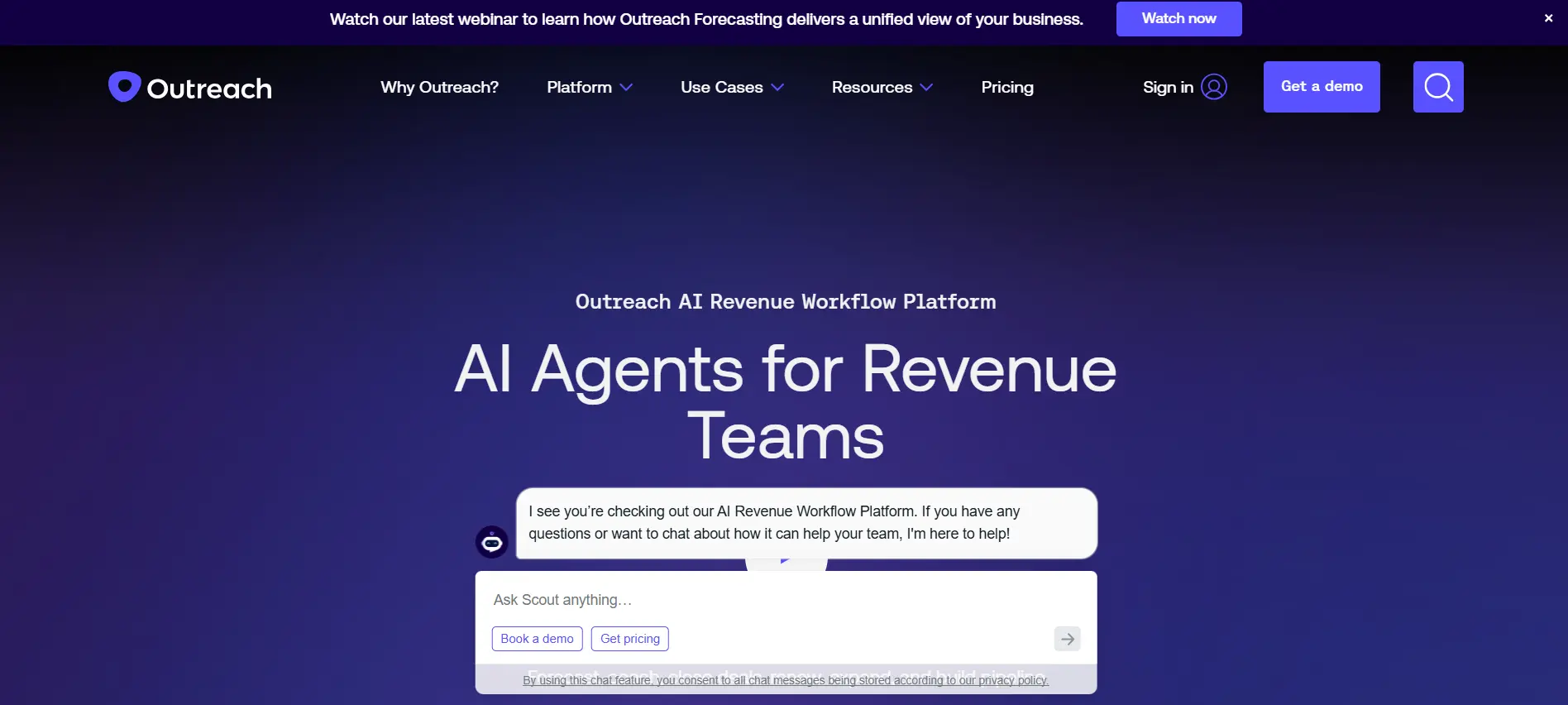
That is where Outreach comes in, built specifically for larger teams managing complex sales workflows at scale.
It focuses less on finding leads and more on executing and optimizing outreach across multiple SDRs.
Key Features:
Outreach is one of the most powerful sales development tools for enterprise teams that need control and scalability.
However, it requires time, training, and resources to fully implement, which can make it less suitable for smaller teams or fast-moving startups.
Once your team starts running consistent outbound, managing follow-ups becomes the real challenge.
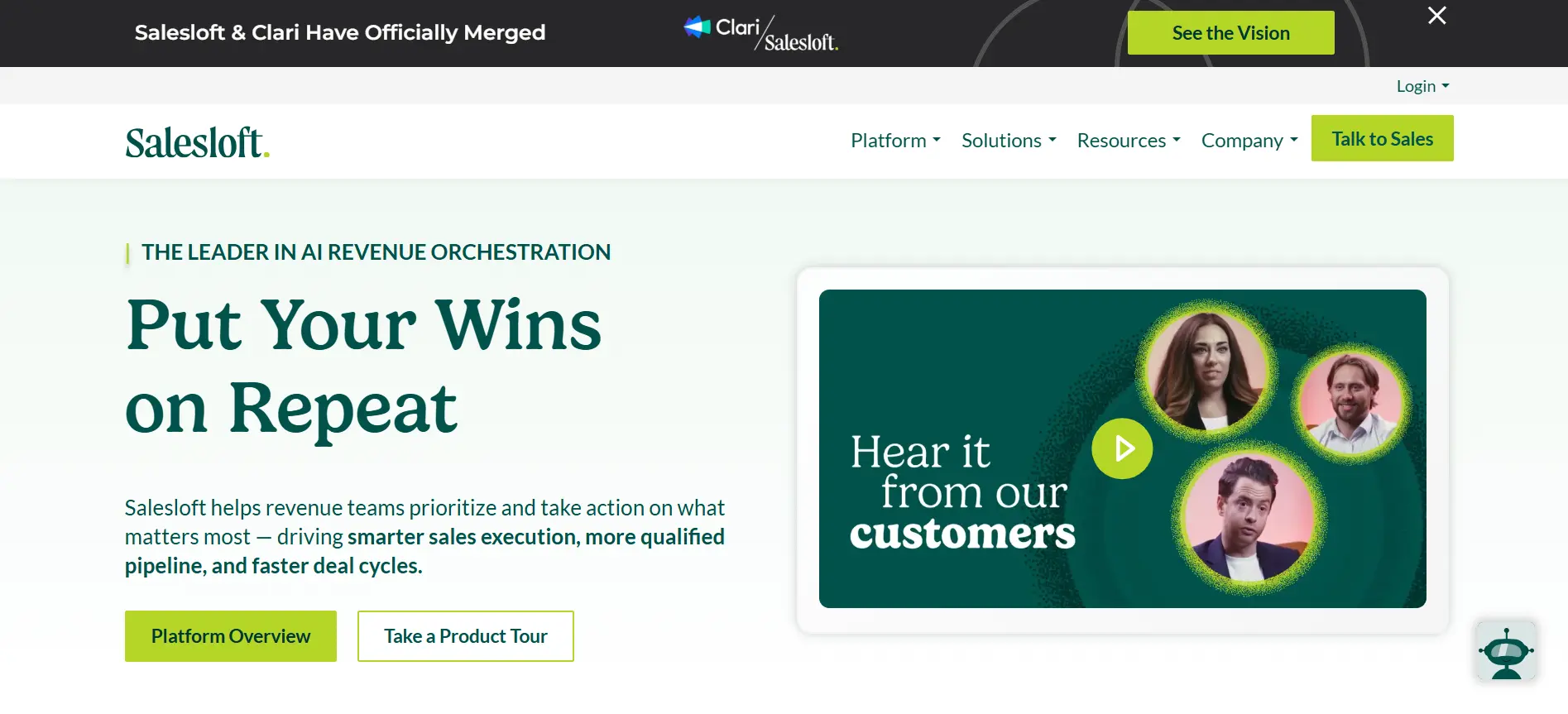
Salesloft is built to bring structure and consistency to SDR activities, especially across larger teams.
It focuses on helping reps execute well-defined cadences without missing steps or timing.
Key Features:
Salesloft is one of the most reliable sales development tools for teams that already have a defined outbound process and want to execute it consistently.
However, it focuses more on execution than prospecting, so you will still need additional tools for lead generation and data.
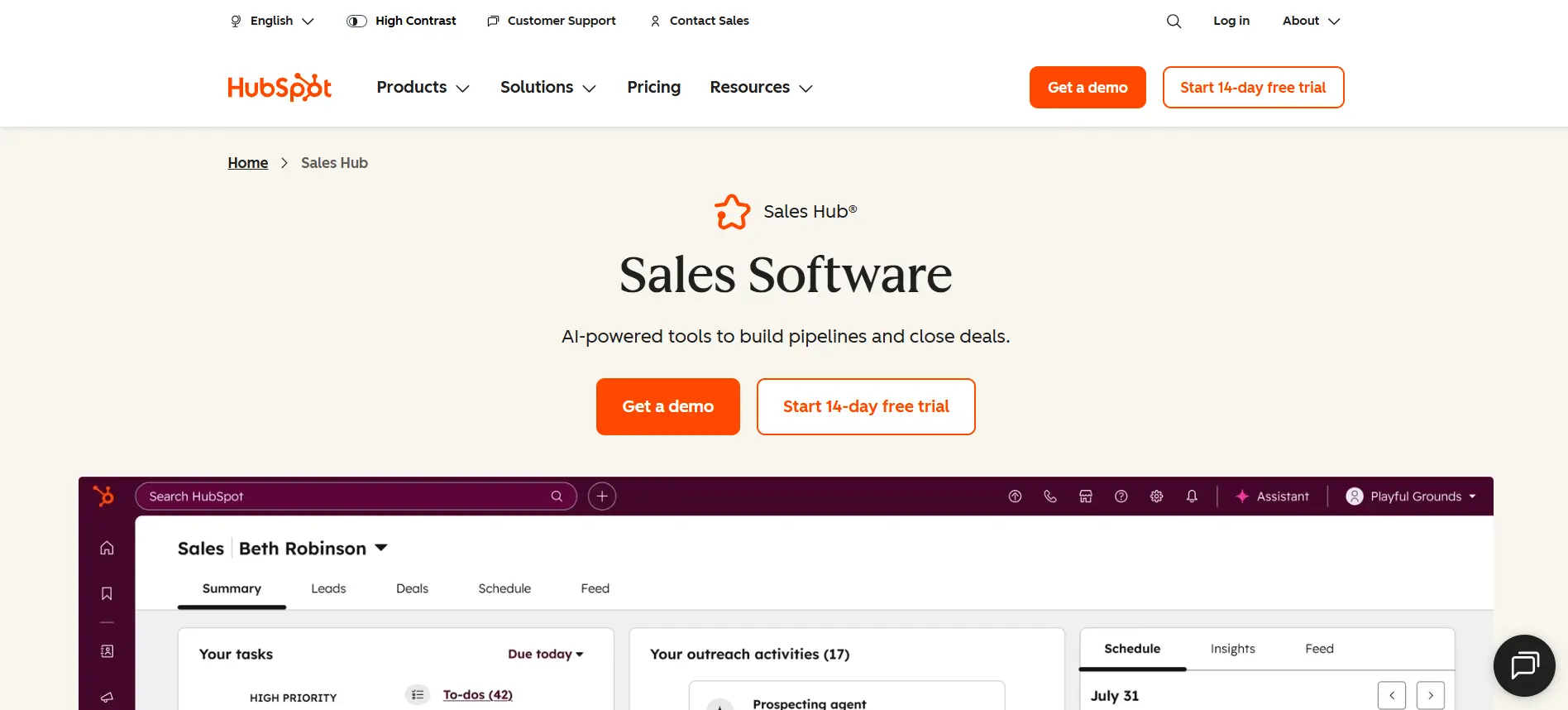
After looking at execution-focused tools like Salesloft, the next category is platforms that combine CRM and outbound in one place.
HubSpot Sales Hub is a strong option if you want your sales development tools tightly connected with your pipeline and customer data.
It is especially popular among teams that prefer simplicity and ease of adoption.
Key Features:
HubSpot Sales Hub stands out among sales development tools for its ease of use and all-in-one CRM approach.
However, as your outbound becomes more advanced, you may need additional tools for deeper prospecting, enrichment, or deliverability control.
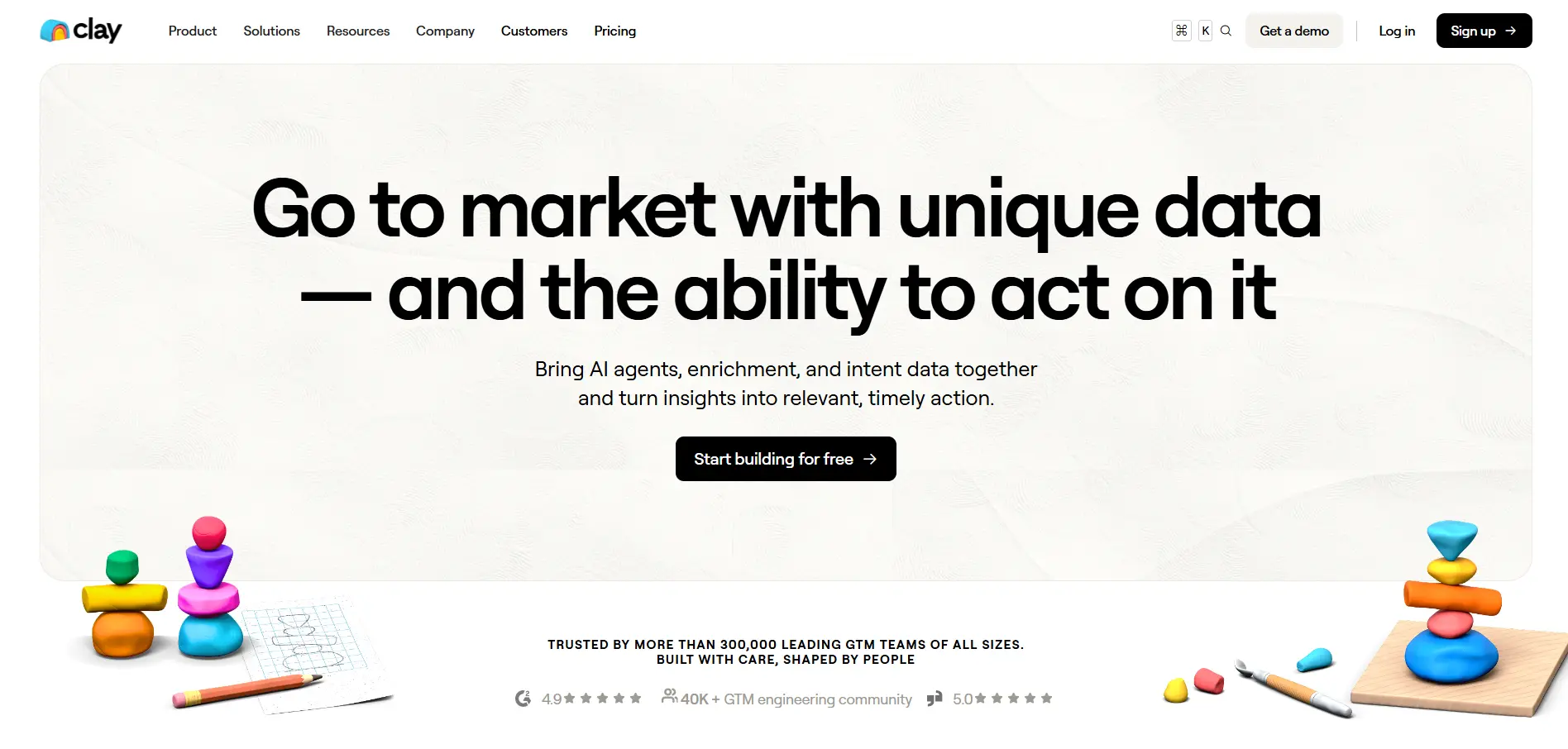
As your outbound matures, basic lead data often stops being enough.
That is where Clay becomes valuable, especially if you want deeper control over how your lead data is collected, enriched, and structured.
Clay is less about sending emails and more about building powerful data workflows behind your outreach.
Key Features:
Clay stands out among sales development tools for teams that rely heavily on data precision and customization.
However, it comes with a learning curve and typically requires pairing with outreach tools to complete the full outbound process.
Suggested Reading:
10 Best Clay Alternative & Competitors for AI Outreach & Lead Enrichment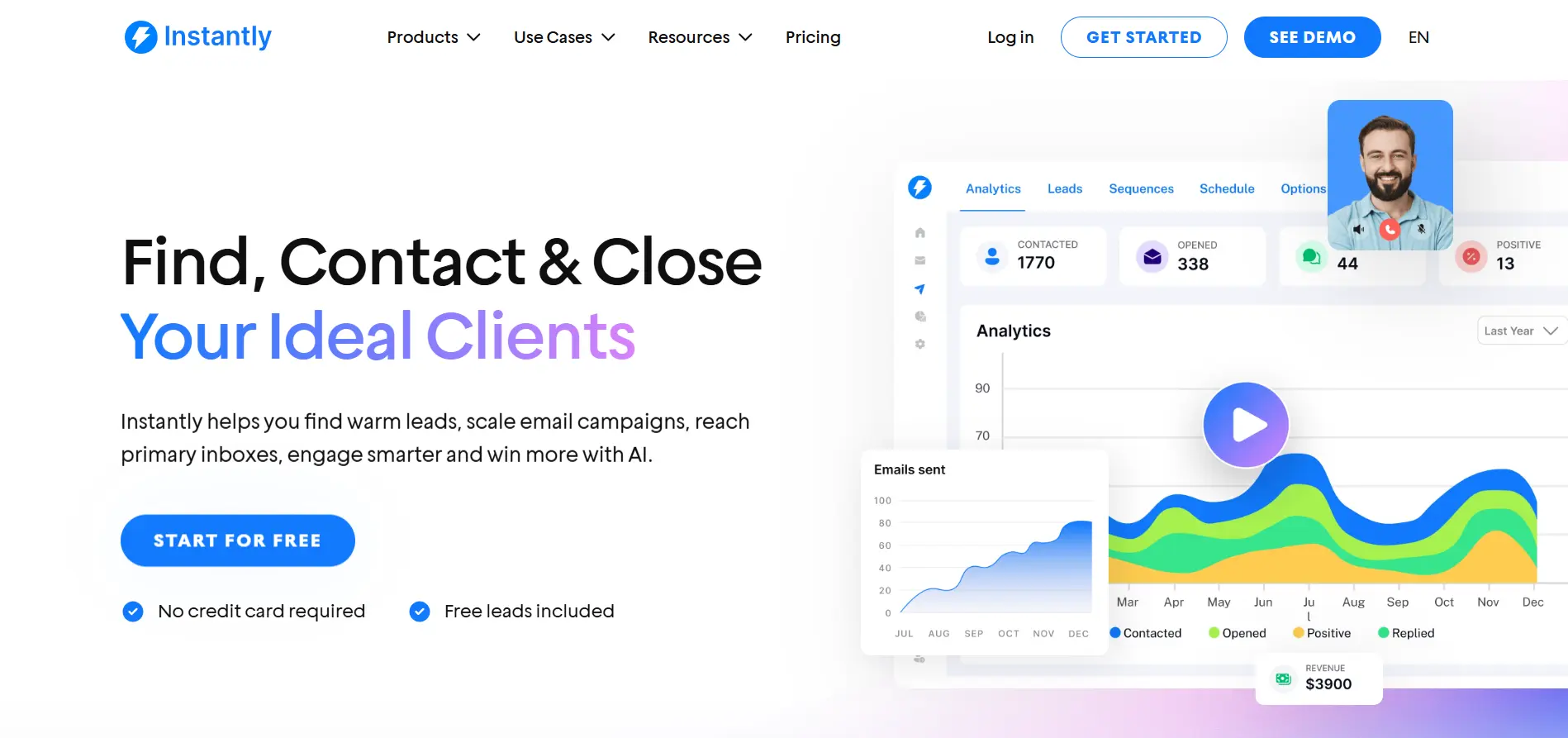
Once your lead list is ready, the next challenge is sending emails at scale without damaging deliverability.
Instantly.ai focuses specifically on this part of the outbound process, making it a go-to tool for high-volume cold email campaigns.
It is built for teams that already have lead sources and need reliable sending infrastructure.
Key Features:
Instantly.ai is one of the most efficient sales development tools when your priority is scaling outbound volume safely.
However, it does not handle lead generation or deep personalization, so it works best when combined with other tools in your stack.
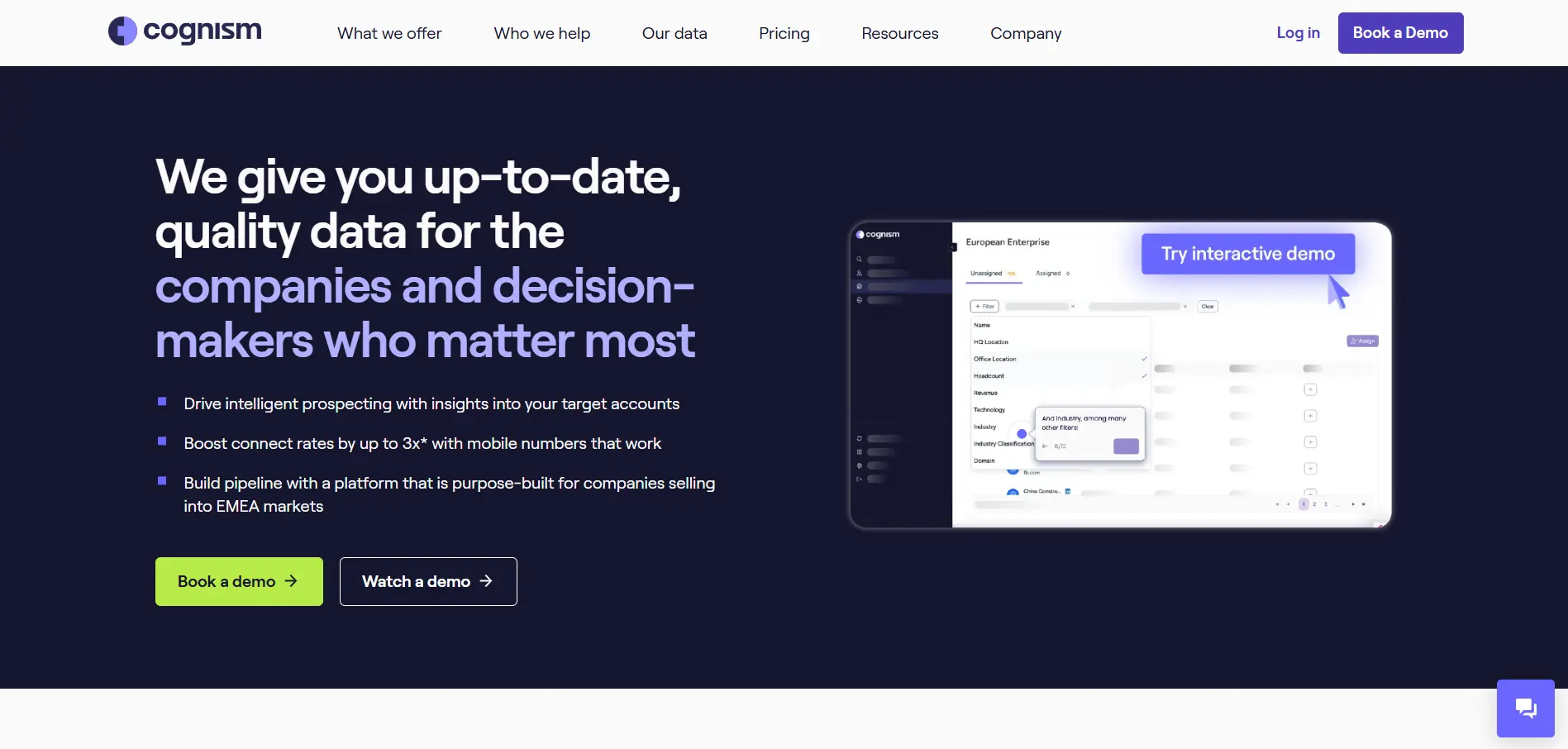
As you expand outbound beyond a single region, data quality and compliance become much more important.
Cognism is built for teams that need accurate, compliant, and globally accessible contact data, especially across Europe and international markets.
It focuses heavily on verified data and regulatory compliance rather than outreach execution.
Key Features:
Cognism stands out among sales development tools when your priority is international reach and compliance.
However, it is primarily a data provider, which means you will still need separate tools for outreach and automation.
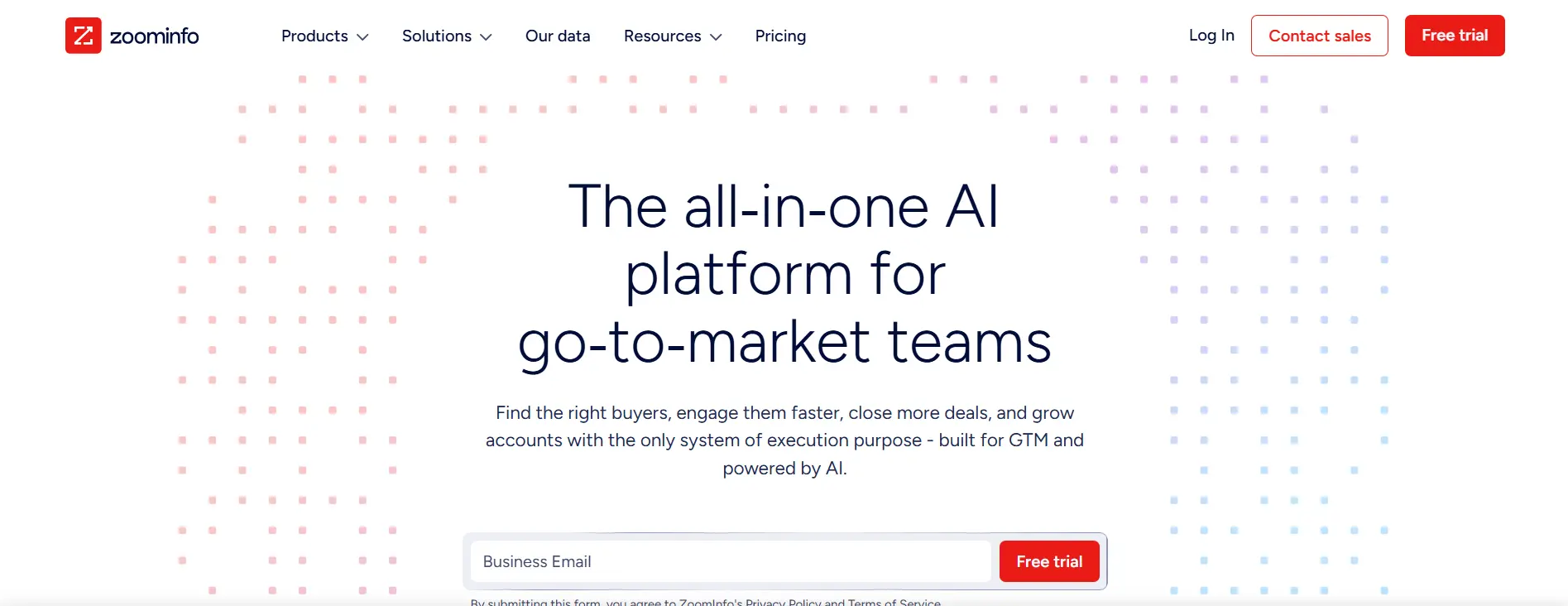
As outbound scales further, many teams prioritize access to large volumes of reliable contact data.
ZoomInfo is built for this exact need, offering one of the most extensive B2B databases for enterprise sales teams.
It focuses on helping you identify, segment, and prioritize the right accounts before outreach begins.
Key Features:
ZoomInfo stands out among sales development tools for its scale and depth of data, especially for enterprise teams.
However, like most database-first platforms, it requires additional tools for outreach, automation, and deliverability.
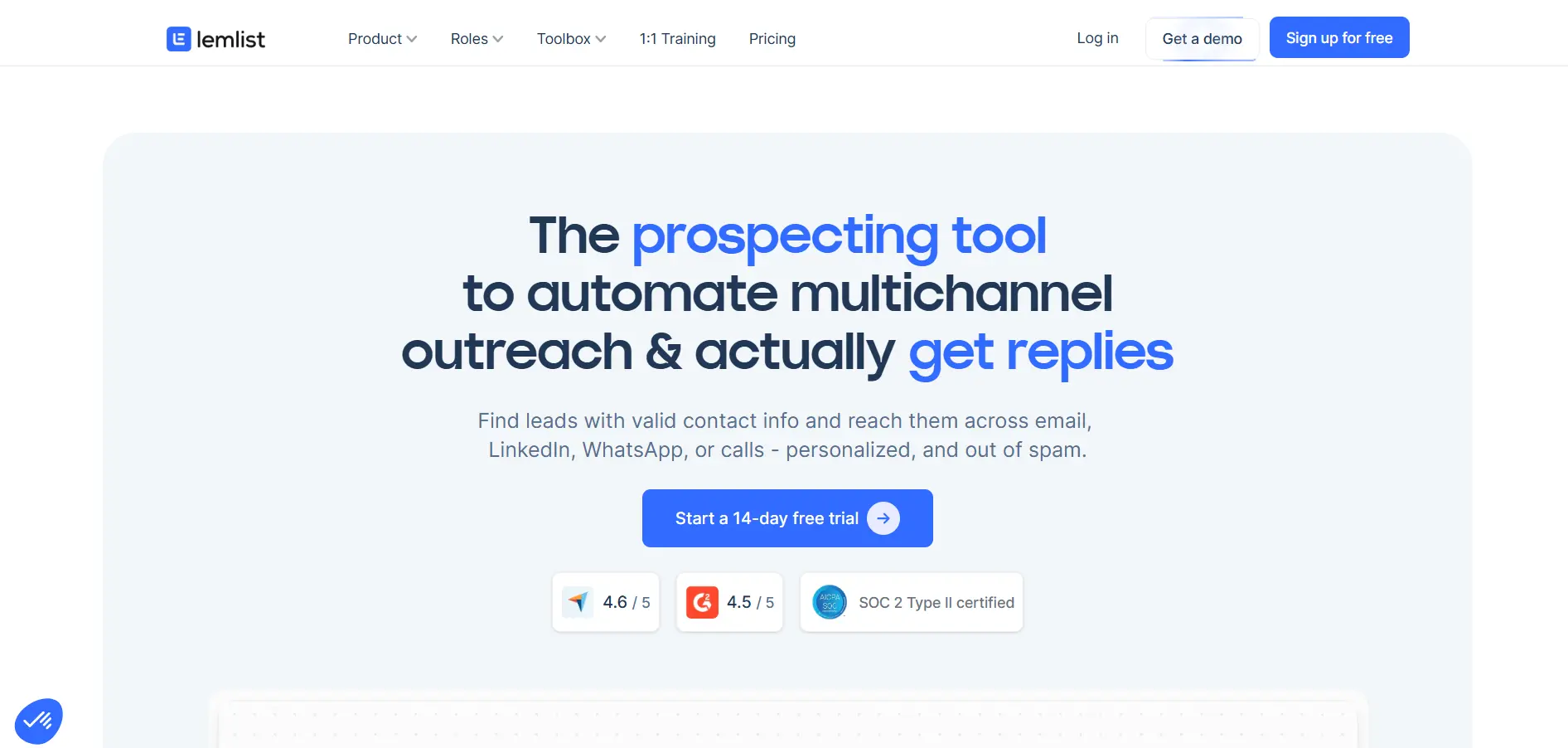
After looking at data-heavy and infrastructure-focused tools, the next layer is making your outreach stand out.
Lemlist is built specifically for personalization, helping you create emails that feel more human and less like bulk outreach.
It focuses on improving reply rates by making each message more engaging and relevant.
Key Features:
Lemlist stands out among sales development tools for teams that prioritize creativity and personalization in outreach.
However, it is not a full outbound system, so you will still need separate tools for lead generation and deeper data enrichment.
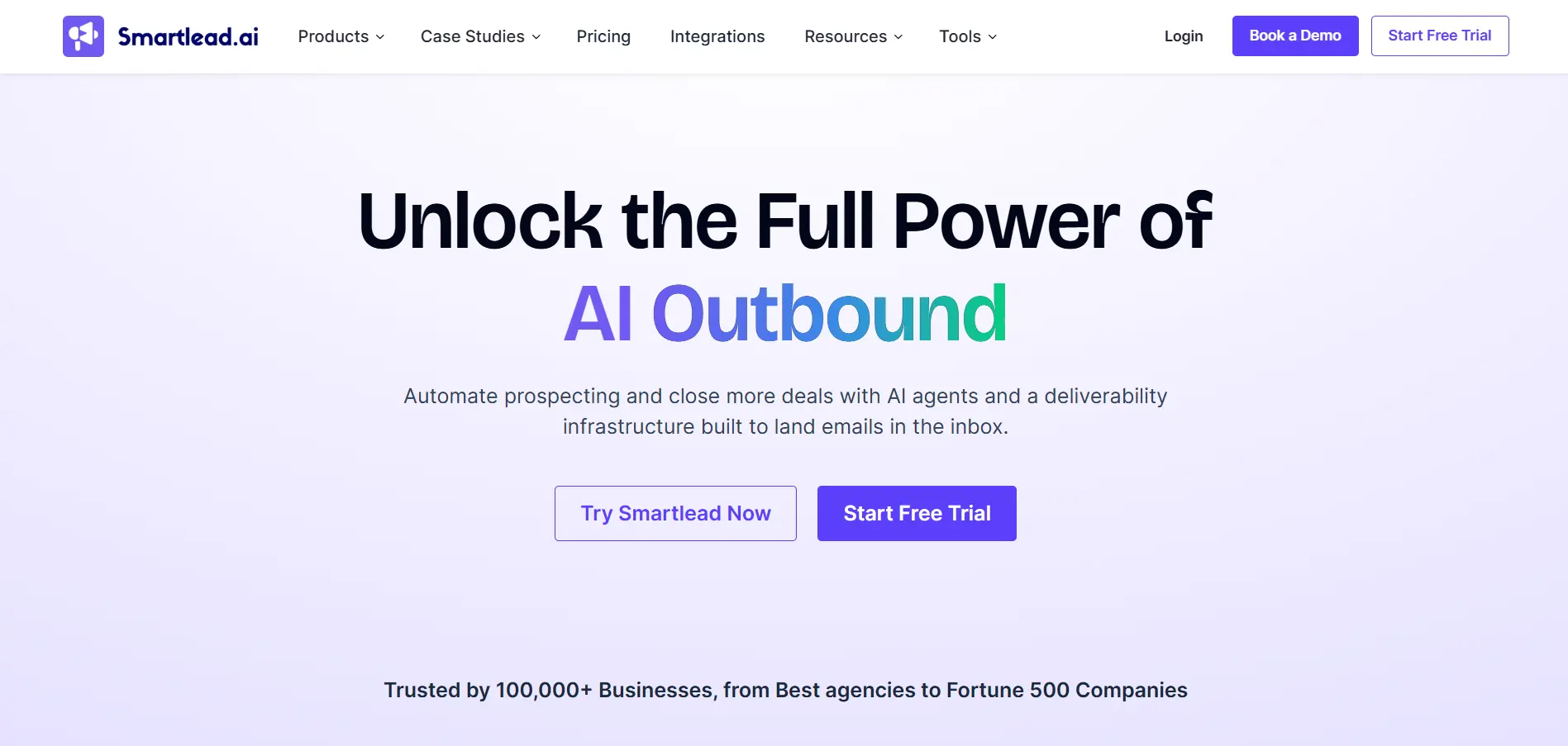
After personalization and sending infrastructure, the final piece of outbound is deliverability at scale.
Smartlead is built specifically to help you send large volumes of emails while maintaining strong inbox placement and sender reputation.
It focuses less on prospecting and more on making sure your emails actually get seen.
Key Features:
Smartlead stands out among sales development tools for teams that prioritize scaling outreach without hurting deliverability.
However, like other sending-focused platforms, it works best when combined with tools for lead generation and data enrichment.
Suggested Reading:
15 Best AI Tools for Business Development That Drive GrowthNow that you have seen the top sales development tools, the next step is choosing what actually fits your workflow.
Because the “best” tool depends entirely on how you run outbound, your team size, volume, and how much manual work you want to handle.
Let’s break this down based on real-world use cases.
If you are a startup or a small SDR team, your biggest priorities are speed, simplicity, and cost efficiency.
You do not want to spend weeks setting up tools or managing complex systems.
You need something that works quickly and does not require a full ops team.
Best tools for this stage:
For most startup teams, reducing tool overload matters more than having advanced features.
That is why all-in-one systems like Oppora.ai can significantly simplify early-stage outbound.
Suggested Reading:
11 Best AI SDR Tools for Smarter Sales AutomationIf your strategy is based on sending large volumes of cold emails, your focus shifts to deliverability and infrastructure.
At this stage, sending safely at scale matters more than deep personalization.
You need tools that can handle multiple inboxes, warm-up, and rotation without breaking your domain reputation.
Best tools for high-volume outreach:
The key here is not just sending more emails.
It is sending more emails while still landing in the inbox.
Enterprise teams operate very differently.
They need structure, reporting, collaboration, and deep integrations across the entire sales organization.
These teams usually have dedicated SDRs, ops teams, and defined workflows.
Best tools for enterprise teams:
For enterprise teams, visibility and control become just as important as execution.
That is why these sales development tools focus heavily on analytics, integrations, and scalability.
Many teams eventually realize they are using too many tools.
One for leads, one for enrichment, one for emails, one for replies — and nothing truly works together.
This creates inefficiencies, higher costs, and more manual work than expected.
If your goal is to simplify your stack, you need tools that cover multiple parts of the workflow.
Best all-in-one approaches:
The advantage here is not just fewer tools.
It is having a system where every part of your outbound works together without constant switching.
By now, you have seen how different sales development tools fit different strategies.
But most teams do not struggle because of lack of options.
They struggle because they choose tools based on the wrong priorities.
Here are the biggest mistakes you should avoid.
It is easy to get impressed by large contact databases.
But data alone does not generate pipeline.
If you only use database tools, you still need separate platforms to actually reach out to prospects.
This creates a disconnected workflow.
What usually goes wrong:
What to do instead:
Many teams focus on sending more emails.
Very few focus on whether those emails are actually landing in inboxes.
If your deliverability is poor, your campaigns fail silently.
Common issues teams ignore:
Tools that solve this well:
Deliverability is not a feature.
It is the foundation of outbound success.
Some tools look powerful but are difficult to use daily.
If your SDRs cannot adopt them quickly, the tool becomes a burden instead of an advantage.
What typically happens:
What to look for instead:
The best sales development tools are not the most advanced.
They are the ones your team actually uses every day.
Choosing tools based only on price often backfires.
Lower-cost tools may lack accuracy, automation, or deliverability controls.
This leads to more manual work and weaker results.
Hidden costs of cheap tools:
Better approach:
That is why higher ROI tools like Oppora or Outreach often outperform cheaper alternatives.
Because they reduce effort while improving results.
Choosing the right sales development tools is less about features and more about how well everything works together.
You can have the best database, the best outreach tool, and the best CRM, but if they do not connect seamlessly, your outbound will always feel slow and fragmented.
The tools that actually drive results are the ones that reduce manual effort, improve consistency, and help you move from prospect to meeting faster.
If you are just starting, simple tools like Apollo or HubSpot can help you get moving.
If you are scaling, platforms like Outreach or Salesloft bring structure and control.
But if your goal is to simplify your entire outbound system and avoid tool stacking, it is worth exploring a more unified approach.
That is where platforms like Oppora.ai come in.
Instead of managing multiple tools, you can build one system that handles prospecting, outreach, and follow-ups together, so your outbound keeps running without constant effort.
Sales development tools help you find potential customers, reach out through channels like email or LinkedIn, and convert them into meetings by managing prospecting, outreach, follow-ups, and engagement tracking in a structured and scalable way.
You do not always need multiple tools, but many teams use separate platforms for leads, outreach, and tracking, which can create inefficiencies, so using an all-in-one system like Oppora can simplify your workflow by handling everything in one place.
Beginners should choose tools that are easy to set up and use, such as Apollo.io for combined prospecting and outreach, HubSpot Sales Hub for CRM-based workflows, or Oppora if you want a more automated and simplified outbound system from the start.
Email deliverability is critical because even strong messaging will fail if your emails do not reach the inbox, which is why tools like Smartlead, Instantly, and Oppora focus on inbox rotation, warm-up, and sender reputation to improve campaign performance.
You can improve ROI by reducing tool fragmentation, using accurate data, prioritizing deliverability, automating repetitive tasks, and choosing platforms like Oppora that combine multiple outbound functions into one streamlined system.
Summarize with AI
Share