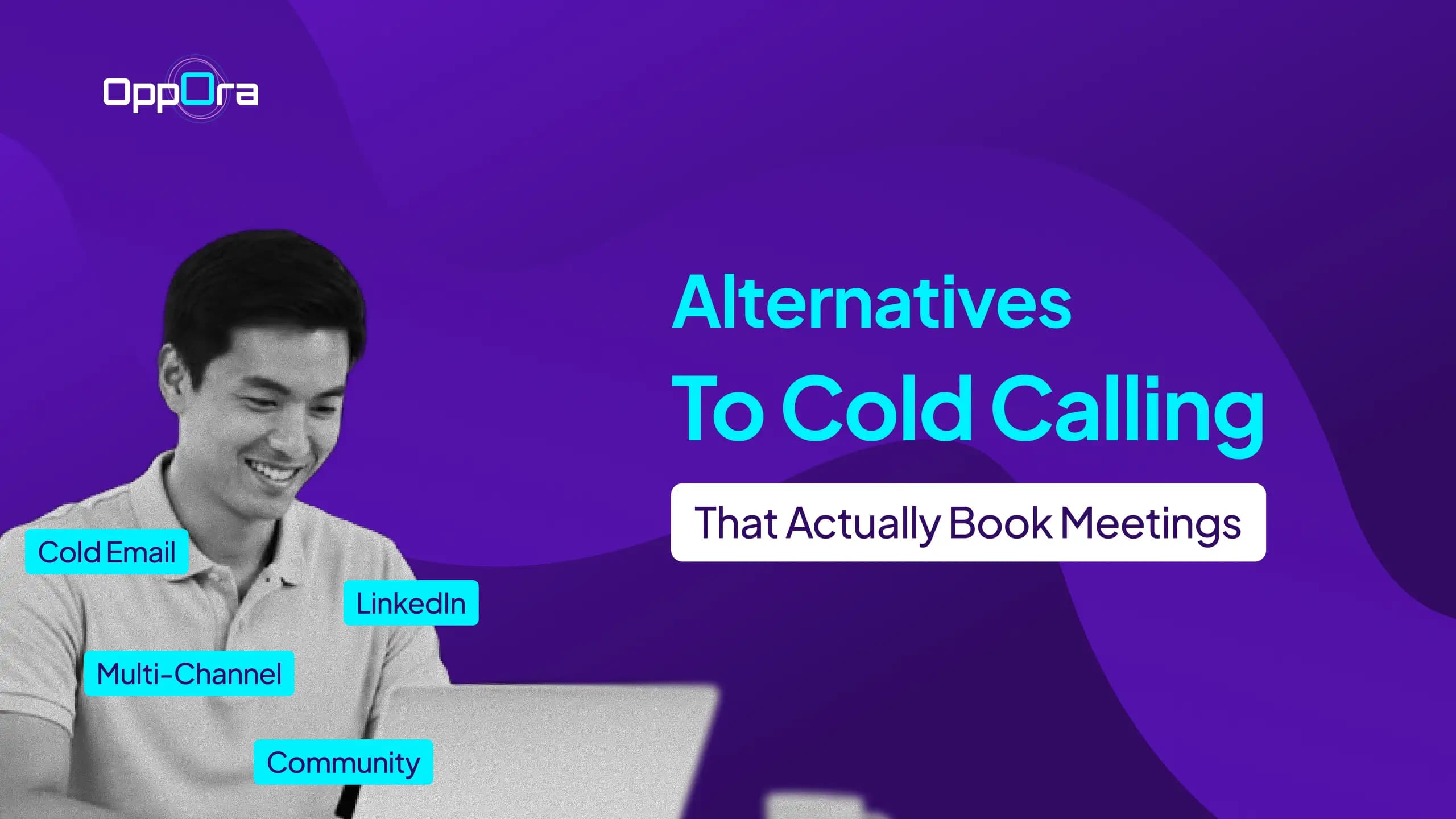
9 Alternatives to Cold Calling That Actually Book Meetings
Adam Hossain
Published May 12, 2026
10 min
Complete Agentic Email Outreach
AI agents find and enrich prospects, personalize emails, follow up, handle replies, and book meetings automatically.
Claim Your FREE Credits
Cold calling used to be one of the most reliable ways to book sales meetings.
But today, most buyers ignore unknown numbers, avoid interruptive outreach, and expect more personalized conversations before responding.
That is why many outbound teams now look for smarter alternatives to cold calling that feel more relevant and scalable.
Instead of relying only on phone calls, businesses now combine email, LinkedIn, intent signals, content, referrals, and automation to create better outbound conversations.
In this guide, you’ll learn:
- Why traditional cold calling is becoming less effective
- The best alternatives to cold calling that actually book meetings
- Which outbound strategies work best for different sales situations
- How modern teams scale outreach more efficiently today
Why Businesses Are Moving Away From Traditional Cold Calling
Buyer behavior has changed significantly over the last decade. Decision-makers now receive constant outreach across calls, emails, LinkedIn, and ads throughout the day.
Because of this, businesses are exploring cold calling alternatives that create more relevant and less interruptive conversations.
Modern outbound prospecting now depends more on timing, personalization, and multi-channel engagement rather than pure call volume.
Suggested Reading:
10 Best Outbound Lead Generation Tools Tested for Real ResultsBuyers Ignore Unknown Calls More Than Before
Most professionals no longer answer unknown phone numbers unless they expect a call.
Spam calls, robocalls, and aggressive sales outreach have trained buyers to ignore unexpected calls automatically.
Even when SDRs reach the right person, the conversation often starts with resistance because the interruption feels inconvenient.
This creates a major challenge for teams using traditional cold calling as their primary outbound strategy.
Instead of answering immediately, buyers now prefer channels they can respond to on their own schedule, including:
- Email outreach
- LinkedIn messages
- Referral introductions
- Educational content
- Webinar registrations
Suggested Reading:
How to Set up AI Cold Email Outreach in Simple StepsManual Calling Slows Down Outbound Teams
Cold calling also creates operational challenges behind the scenes.
Sales reps spend hours building prospect lists, researching companies, finding phone numbers, and manually dialing contacts.
That process becomes difficult to scale consistently, especially for smaller outbound teams.
As outreach volume grows, manual workflows often reduce efficiency instead of improving pipeline growth.
Suggested Reading:
10 Most Popular AI Tools for Sales Reps in 2026Modern Buyers Respond Better to Personalized Outreach
Today’s buyers expect outreach connected to their business situation, goals, or current challenges.
A personalized email referencing hiring activity or company expansion usually feels far more relevant than a random sales call during working hours.
That is why modern outbound teams combine multiple channels together instead of depending entirely on cold calls alone.
9 Alternatives to Cold Calling That Actually Book Meetings
1. Cold Email Outreach
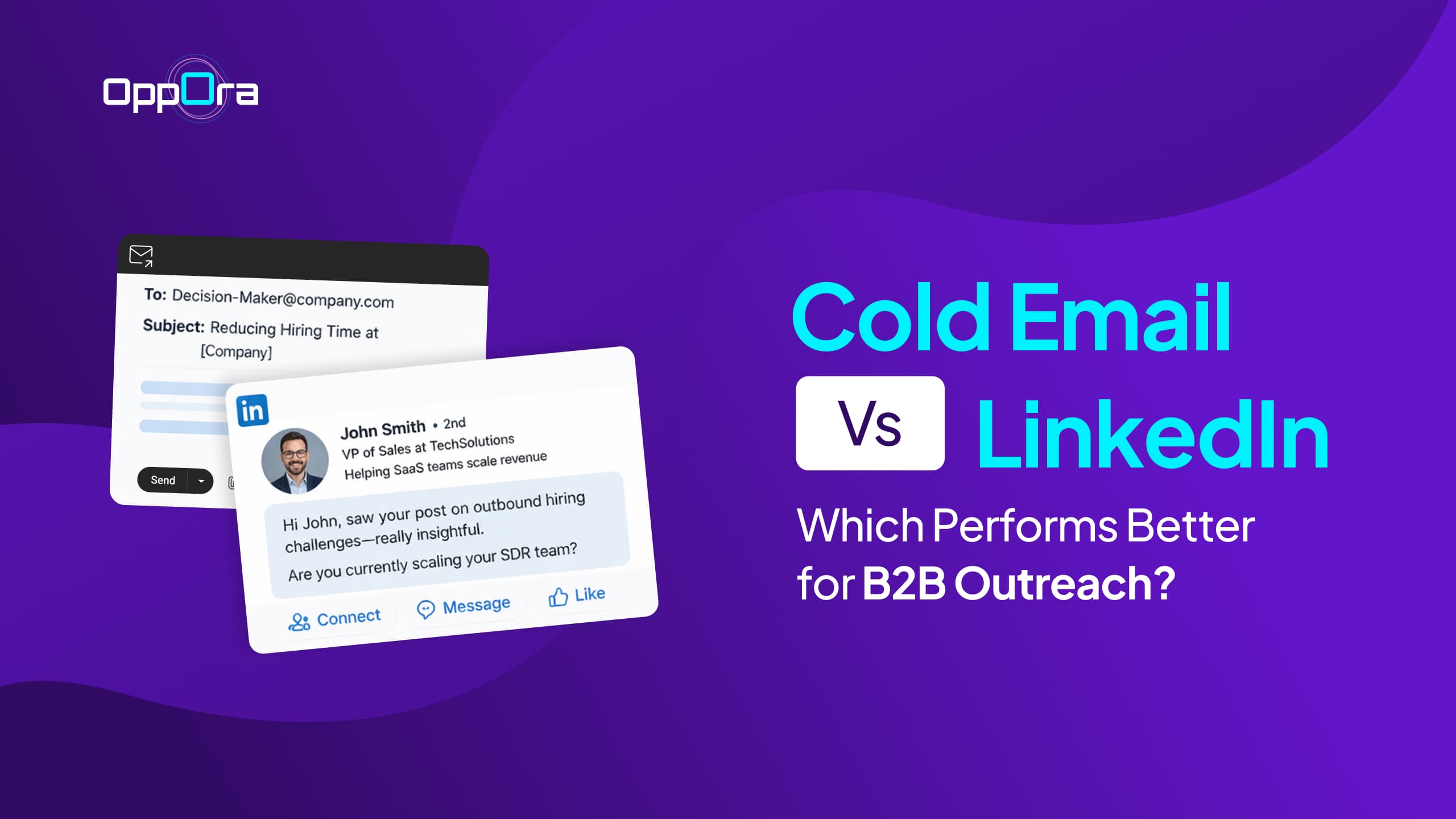
Cold email outreach continues to work because it allows businesses to reach decision-makers at scale without creating the pressure of an unexpected phone call.
Buyers can read and respond when convenient, which often leads to more thoughtful conversations.
The biggest difference between successful and poor outbound email strategy is personalization.
Emails connected to a prospect’s industry, hiring activity, business goals, or recent company updates usually perform far better than generic templates.
Many teams reduce reply rates by:
- Sending overly long emails
- Using aggressive sales language
- Focusing only on product features
- Following up without adding new context
Short, relevant, and conversational emails consistently perform better.
2. LinkedIn Outreach and Social Selling
While email helps businesses scale outbound communication, LinkedIn outreach adds a more human layer to prospecting.
Decision-makers often engage more naturally on LinkedIn because conversations happen inside a professional networking environment instead of a crowded inbox.
Sales teams can reference shared interests, hiring activity, company updates, or industry discussions before starting outreach.
This approach makes conversations feel less interruptive and more contextual.
However, LinkedIn outreach works best when businesses focus on engagement first instead of immediately pitching meetings.
Sending connection requests followed by instant sales messages usually reduces response rates quickly.
The goal of social selling is to build familiarity before moving prospects into deeper sales conversations.
Suggested Reading:
How to Combine LinkedIn Outreach with Email Campaigns3. Multi-Channel Outreach Campaigns
Modern outbound prospecting rarely succeeds through one channel alone. Buyers may ignore an email but respond on LinkedIn.
Others may notice content first and reply later through email.
That is why multi-channel outreach campaigns perform better than single-channel prospecting.
Combining channels creates repeated visibility without depending entirely on one outreach method. A prospect might:
- See a LinkedIn connection request
- Open an email later that week
- Read a shared article or insight
- Respond after multiple touchpoints
The key is consistency without becoming repetitive or spammy.
Successful multi-channel outreach keeps messaging aligned across every platform while adjusting communication style slightly for each channel.
4. Intent-Based Outreach
One major problem with traditional cold calling is timing. Many businesses reach out before prospects actually have a reason to buy.
Intent-based outreach solves this problem by focusing on buying signals.
Instead of contacting random companies, outbound teams prioritize businesses showing signs of change or growth, such as:
- Hiring activity
- Funding announcements
- Team expansion
- New technology adoption
- Market expansion
This makes outreach more relevant because conversations happen while businesses actively experience operational changes.
Timing often matters just as much as messaging in outbound prospecting.
5. Referral-Based Prospecting
Referral prospecting creates warmer conversations because trust already exists before outreach starts.
Buyers naturally respond better when introductions come from mutual connections, customers, partners, or industry relationships.
Referral-based outreach also reduces skepticism because prospects already have some level of confidence in the conversation.
Compared to traditional cold outreach, referrals often lead to:
- Higher reply rates
- Faster conversations
- Shorter sales cycles
- Better-qualified opportunities
Businesses that consistently build relationships usually generate more referrals over time without relying entirely on outbound prospecting.
6. Content-Led Outbound Prospecting
Content-led prospecting helps businesses educate prospects before asking for meetings.
Instead of immediately selling, outbound teams share useful insights, guides, industry observations, or relevant resources that help buyers understand problems and opportunities more clearly.
This approach builds trust gradually while positioning the business as a helpful resource instead of another sales pitch.
However, content only works when it feels genuinely useful. Overly promotional articles and self-focused messaging usually reduce engagement quickly.
The strongest outbound content strategy focuses on helping first and selling later.
7. Community and Event Networking
Not every outbound conversation needs to start with direct outreach.
Communities, webinars, Slack groups, and industry events often create better networking opportunities because prospects already participate in discussions related to their interests and business challenges.
These environments make conversations feel more natural and less sales-driven.Instead of pitching immediately, businesses can build familiarity by sharing insights, answering questions, and participating consistently over time.
However, many teams make the mistake of treating communities like prospect databases. Aggressive promotion, constant pitching, or forcing meetings too early usually damages trust quickly.
8. Personalized Video Outreach
As inboxes become more crowded, personalized video outreach helps businesses stand out without sounding overly sales-focused.
A short video can explain context, introduce your company, and create a more human connection within seconds. For teams handling outreach at scale, AI video creation can help turn a brief into a short video tailored to a prospect’s company or business challenge.
Mentioning the prospect’s company, recent activity, or specific challenge can make the message feel far more personal than generic email templates.
Most successful sales videos usually:
- Stay under one minute
- Focus on one clear idea
- Avoid scripted sales language
- Include a simple next step
The goal is to create curiosity and familiarity, not deliver a full sales presentation.
9. Webinar and Live Demo Outreach
Webinars and live demos work well because they generate conversations through education instead of interruption-based prospecting.
Prospects who register already show interest in solving a specific problem, which creates warmer outbound opportunities.
These events also help businesses build authority naturally.
Instead of convincing prospects to listen, companies provide useful insights first and start sales conversations afterward.
The biggest advantage comes during follow-up. Webinar attendees are usually more open to outreach because they already interacted with your content, team, or expertise before the sales conversation even begins.
How Oppora.ai Helps Teams Replace Manual Cold Calling Workflows
Modern outbound teams no longer want to spend hours manually researching prospects, switching between tools, and relying entirely on repetitive cold calling workflows.
Businesses now need faster ways to identify opportunities, personalize outreach, and scale conversations across multiple channels.
That is where Oppora.ai helps simplify outbound prospecting.
Oppora.ai is an AI-powered outbound sales platform built around self-running AI sales agents that handle prospecting, enrichment, personalization, outreach, follow-ups, and replies automatically.
Instead of juggling multiple tools and manual SDR work, businesses can create scalable multi-channel outbound systems that continuously book conversations with less operational effort.
Find High-Intent Prospects Before Making Calls
Instead of contacting random companies, Oppora.ai helps teams prioritize businesses already showing buying signals.
Sales teams can identify opportunities through:
- Hiring activity
- Funding announcements
- Expansion signals
- Company growth trends
This helps outbound teams focus on prospects more likely to engage before outreach even begins.
Find Verified Emails and Direct Phone Numbers Faster
Manual contact research slows down prospecting significantly.
Oppora.ai helps businesses discover verified emails and direct phone numbers without spending hours searching across multiple platforms.
Teams can build cleaner prospect lists faster while improving outreach accuracy and efficiency.
Suggested Reading:
10 Best B2B Phone Number Finder Platforms Compared (2026)Use Personalized Multi-Channel Outreach Before Cold Calls
Cold calls perform better when prospects already recognize your business.
Oppora.ai helps teams combine email, LinkedIn, and outbound workflows together so conversations feel warmer and more personalized before calls happen.
AI-generated personalization also helps outreach feel more relevant instead of template-driven.
Scale Follow-Ups and Prospecting Without Manual SDR Work
Following up consistently becomes difficult when everything depends on manual SDR activity.
Oppora.ai helps automate repetitive outreach tasks, organize campaigns, and manage multi-step follow-ups so businesses can scale outbound operations more efficiently without increasing manual workload.
How to Choose the Right Cold Calling Alternative for Your Business
Not every outbound strategy works the same for every business.
The right cold calling alternative usually depends on your sales cycle, target audience, deal size, and how buyers prefer to engage.
Instead of copying another company’s outbound process, businesses should focus on building a system that fits their own customer journey and sales goals.
Match Outreach Methods to Your Sales Cycle
Shorter sales cycles often perform better with faster outreach channels like cold email, LinkedIn messaging, and personalized videos.
Larger enterprise deals usually require longer relationship-building through referrals, webinars, networking, and multi-touch engagement.
Buyers in complex sales environments often need more trust before booking conversations.
Choosing outreach methods that match buyer behavior helps improve response quality over time.
Combine Multiple Outreach Channels Together
The strongest outbound strategies rarely depend on one channel alone.
Businesses usually see better results when they combine multiple touchpoints across the buyer journey, including:
- Email outreach
- LinkedIn engagement
- Educational content
- Intent-based targeting
- Referral conversations
This creates more visibility without relying too heavily on repetitive follow-ups in a single channel.
Measure Conversations and Meetings Instead of Vanity Metrics
Many outbound teams focus too much on open rates, impressions, or connection requests.
Those metrics matter less if they do not lead to real business conversations. Strong outbound performance should focus more on qualified replies, booked meetings, pipeline opportunities, and long-term revenue growth.
Conclusion
Cold calling is no longer the only way businesses generate outbound meetings and build pipeline.
Modern buyers now respond better to personalized, relevant, and multi-channel outreach that respects their time and business priorities.
That is why many outbound teams combine cold email, LinkedIn outreach, buying signals, content, referrals, webinars, and automation together instead of depending entirely on phone-first prospecting.
The most effective outbound strategy is usually not about replacing calls completely. It is about creating warmer conversations before calls happen.
If your team wants to reduce manual prospecting work and scale outbound more efficiently, platforms like Oppora.ai can help combine prospect discovery, buying signals, verified contacts, AI personalization, and multi-channel outreach into one workflow so your sales process feels more modern, targeted, and scalable.
Frequently Asked Questions (FAQs)
Are cold calling alternatives effective for small businesses?
Yes. Small businesses often benefit more from cold calling alternatives because channels like cold email, LinkedIn outreach, and referral prospecting are easier to scale with smaller teams and lower budgets. They also help create more targeted conversations without depending on high-volume calling.
How long does it take to see results from multi-channel outreach?
Results depend on targeting quality, personalization, and follow-up consistency. Many businesses start seeing replies within a few days, while qualified meetings and pipeline growth usually improve over several weeks of consistent outreach activity across multiple channels.
Which cold calling alternative works best for B2B sales?
There is no single best option for every business. B2B companies often combine cold email, LinkedIn outreach, intent-based prospecting, and referrals together because different buyers respond better to different communication channels during the sales process.
Should businesses completely stop cold calling?
Not necessarily. Cold calling can still work when combined with personalized outreach and proper timing. Many successful outbound teams now use calls as one part of a broader multi-channel strategy instead of relying on phone outreach alone.
What makes outbound outreach feel less spammy to buyers?
Relevant messaging, proper personalization, and good timing make the biggest difference. Buyers respond better when outreach connects to real business challenges, growth activity, or shared context instead of generic mass messaging sent without research.
Summarize with AI
Share