10 Best AI Workflow Automation Tools to Save Work Hours
Ravikanth
Published May 19, 2026
11 min
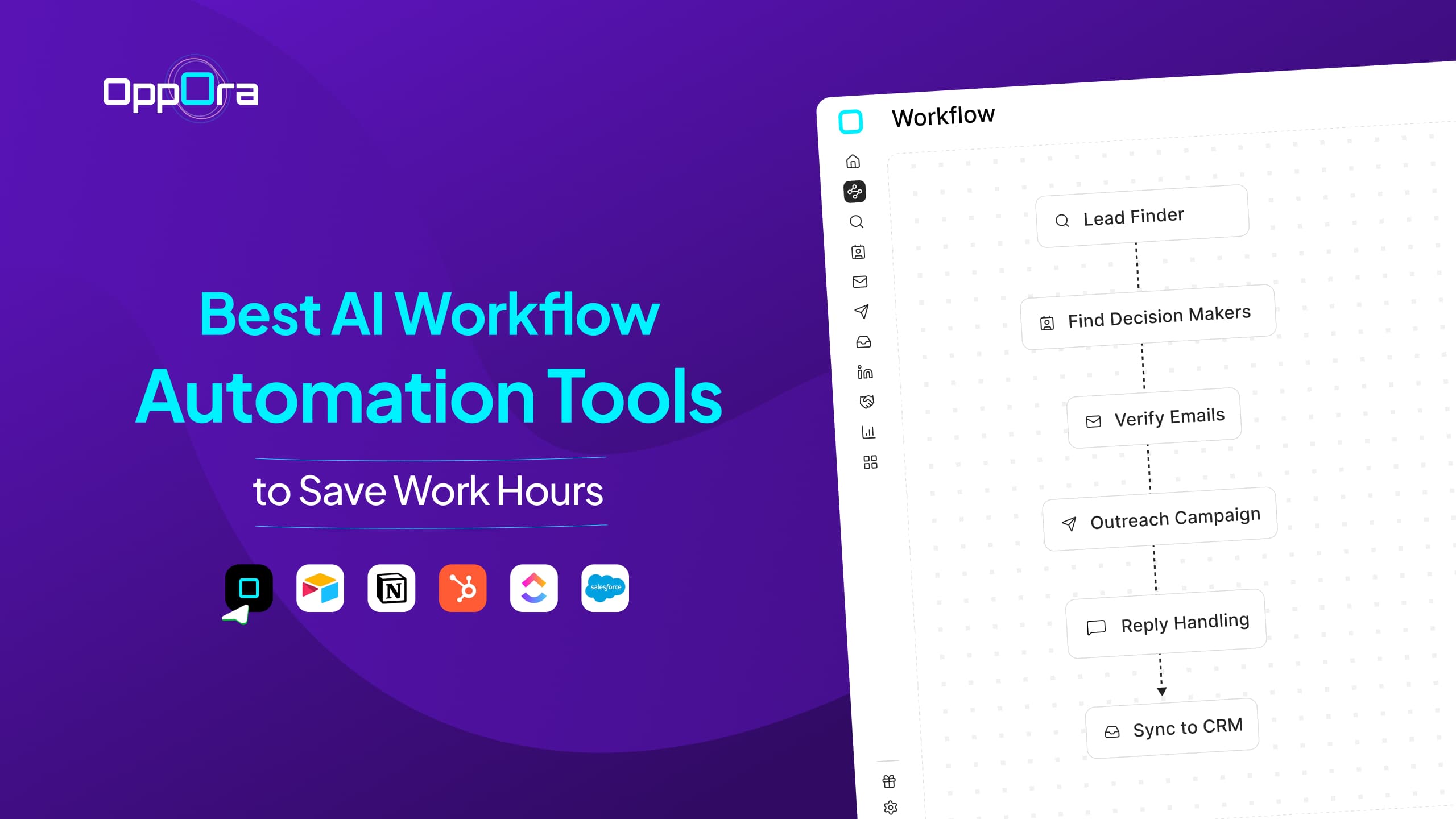
Complete Agentic Email Outreach
AI agents find and enrich prospects, personalize emails, follow up, handle replies, and book meetings automatically.
Claim Your FREE Credits
Most teams today are not struggling because they lack tools.
They are struggling because too much time gets wasted on repetitive work, disconnected apps, manual follow-ups, and processes that should already be automated.
That is exactly why AI workflow automation tools are becoming essential for modern businesses.
They help you automate repetitive tasks, reduce operational bottlenecks, and free your team to focus on high-value work instead of routine execution.
In this guide, we will cover:
- What AI workflow automation actually means
- Key features to look for before choosing a tool
- The 10 best AI workflow automation tools in 2026
- How to choose the right platform for your workflow needs
What Is AI Workflow Automation?
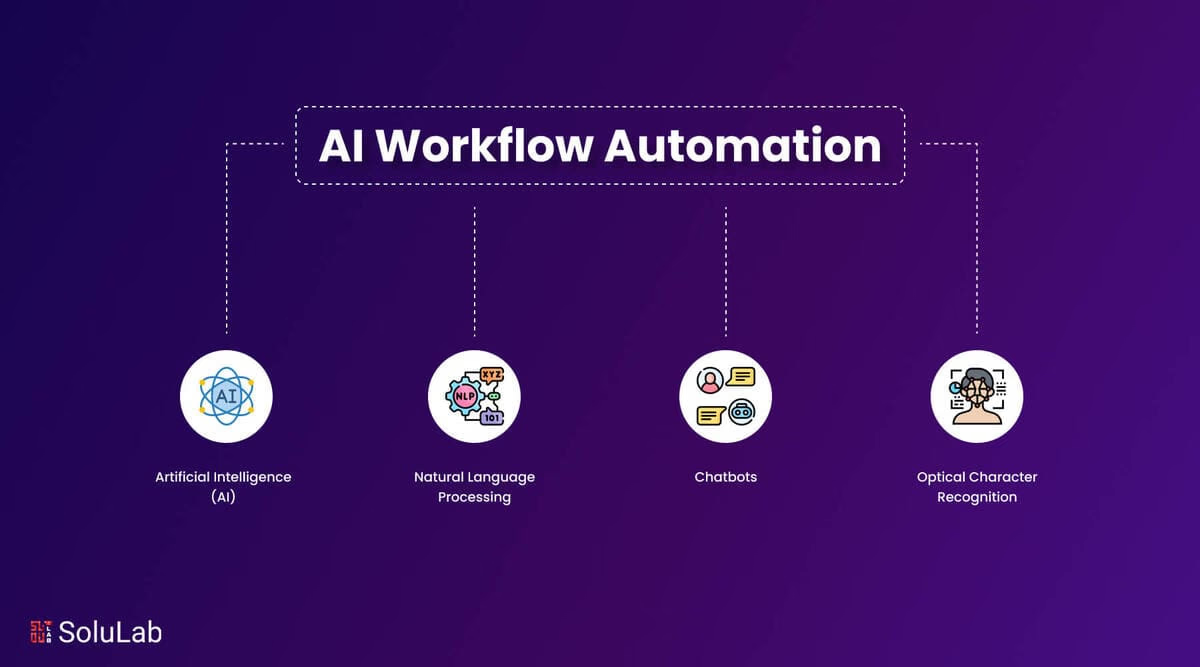
AI workflow automation is the process of using artificial intelligence to automate repetitive tasks, business processes, and decision-making workflows without requiring constant manual input. In regulated industries, compliance and inspection management software can help organizations digitize and streamline activities such as inspections, audits, documentation, and work orders.
Unlike traditional automation, which follows fixed rules, AI-powered workflow automation tools can analyze data, recognize patterns, make recommendations, and even adapt actions based on changing conditions.
For example, instead of manually assigning leads, sending follow-up emails, updating CRMs, or routing support tickets, AI automation tools can handle these tasks automatically in the background.
This helps businesses reduce operational delays, minimize human errors, and save significant work hours across teams.
Today, companies use AI workflow automation for:
- Sales outreach and lead management
- Marketing campaigns and customer journeys
- Project management and team collaboration
- Customer support workflows
- Data processing and reporting
As AI becomes more advanced, workflow automation is shifting from simple task automation to fully autonomous business operations.
Key Features to Look for in AI Workflow Automation Tools
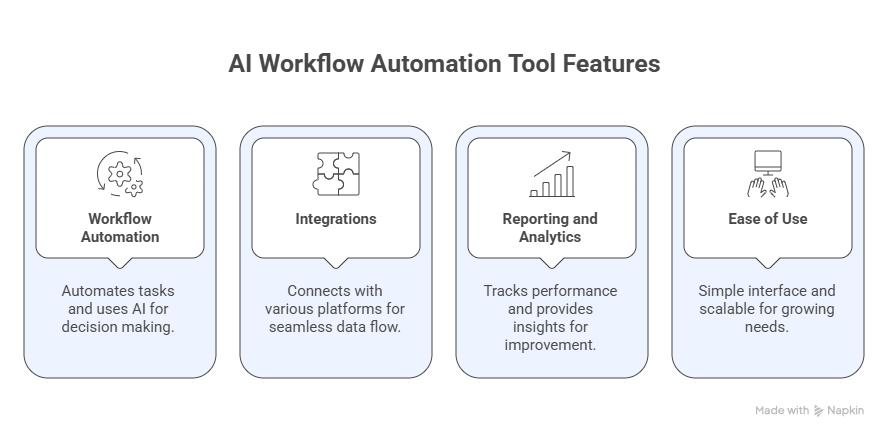
Choosing the right AI workflow automation tool is not just about automating tasks. You need a platform that improves efficiency, connects your existing systems, and helps your team save time consistently.
Workflow Automation and AI Decision Making
Modern AI workflow automation tools do more than follow fixed rules. They can analyze data, prioritize tasks, generate responses, and automate decisions based on real-time conditions.
This helps teams reduce manual work and speed up daily operations.
Integrations and Cross-Platform Connectivity
A good automation platform should connect smoothly with your CRM, email tools, project management apps, and communication platforms.
Strong integrations help you manage workflows without constantly switching between multiple tools.
That creates a more connected and efficient workflow system.
Reporting, Analytics, and Performance Tracking
Automation without visibility can quickly become difficult to manage.
The best tools provide reports, workflow analytics, and performance tracking to help you monitor productivity and identify process bottlenecks.
These insights help you improve workflows over time.
Ease of Use and Scalability
Complex software often slows down adoption across teams.
Look for platforms with intuitive interfaces, simple workflow builders, and flexible scalability options that can support growing business operations.
10 Best AI Workflow Automation Tools to Save Work Hours
As businesses rely more on AI-driven operations, workflow automation tools are evolving far beyond simple task automation.
Modern platforms now help teams automate decisions, manage workflows across multiple apps, and reduce hours spent on repetitive operational work.
Here are some of the best AI workflow automation tools helping teams save time and improve productivity.
1. Oppora.ai — Best for Autonomous AI Sales Workflow Automation

Unlike traditional automation platforms that mainly connect apps, Oppora focuses on autonomous AI-powered sales workflows.
It combines lead generation, outreach automation, enrichment, AI agents, and CRM workflows inside one platform.
Key Features
- AI-powered sales workflow automation
- Autonomous AI agents for outreach and follow-ups
- Lead search, enrichment, and email verification
- Built-in CRM integrations
- AI email reply generation
- Unlimited campaigns and email sending
- Credit rollover on paid plans
- Chrome extension for LinkedIn prospecting
Oppora also supports self-running sales workflows that automate prospecting, enrichment, emailing, replying, and CRM updates together.
Why Oppora Saves Work Hours
Oppora reduces the need to manage multiple separate tools for prospecting, outreach, verification, and workflow automation.
Teams can automate large parts of the outbound sales process from one dashboard.
The platform claims users save around 340 hours monthly while improving lead qualification and outreach efficiency.
Pricing
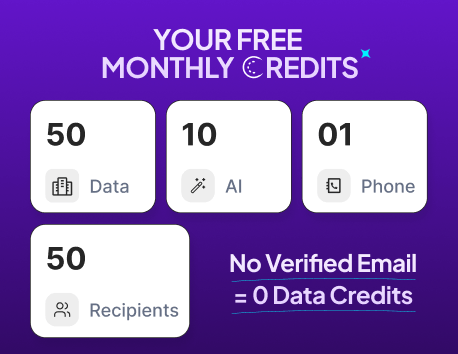
Oppora offers a free plan along with paid plans starting at $34/month. The platform also provides mini pricing packs starting from $7/month for specific tasks like email search and verification.
2. Zapier — Best for Connecting Apps Without Coding
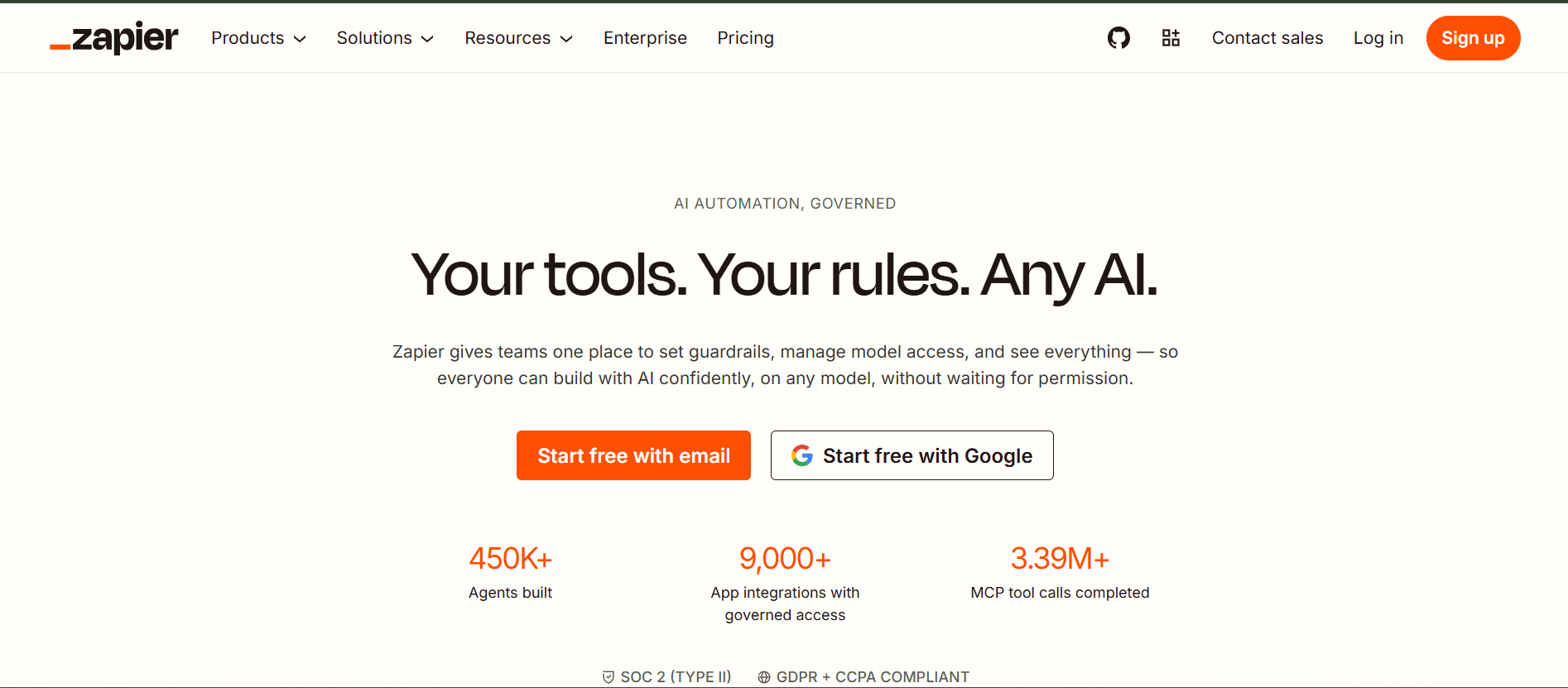
Zapier is one of the most popular no-code workflow automation tools available today. It helps businesses connect thousands of apps and automate repetitive workflows without technical expertise.
Key Features
- 8,000+ app integrations
- No-code workflow builder
- AI-powered Zap builder
- Multi-step workflow automation
- Automated triggers and actions
- Built-in workflow templates
Zapier also includes AI-powered troubleshooting and workflow suggestions to simplify automation setup.
Why Zapier Saves Work Hours
Zapier eliminates repetitive manual work like data transfers, notifications, CRM updates, and task creation between apps.
Teams can automate workflows across marketing, sales, operations, and customer support without relying on developers.
3. Make — Best for Visual Workflow Automation
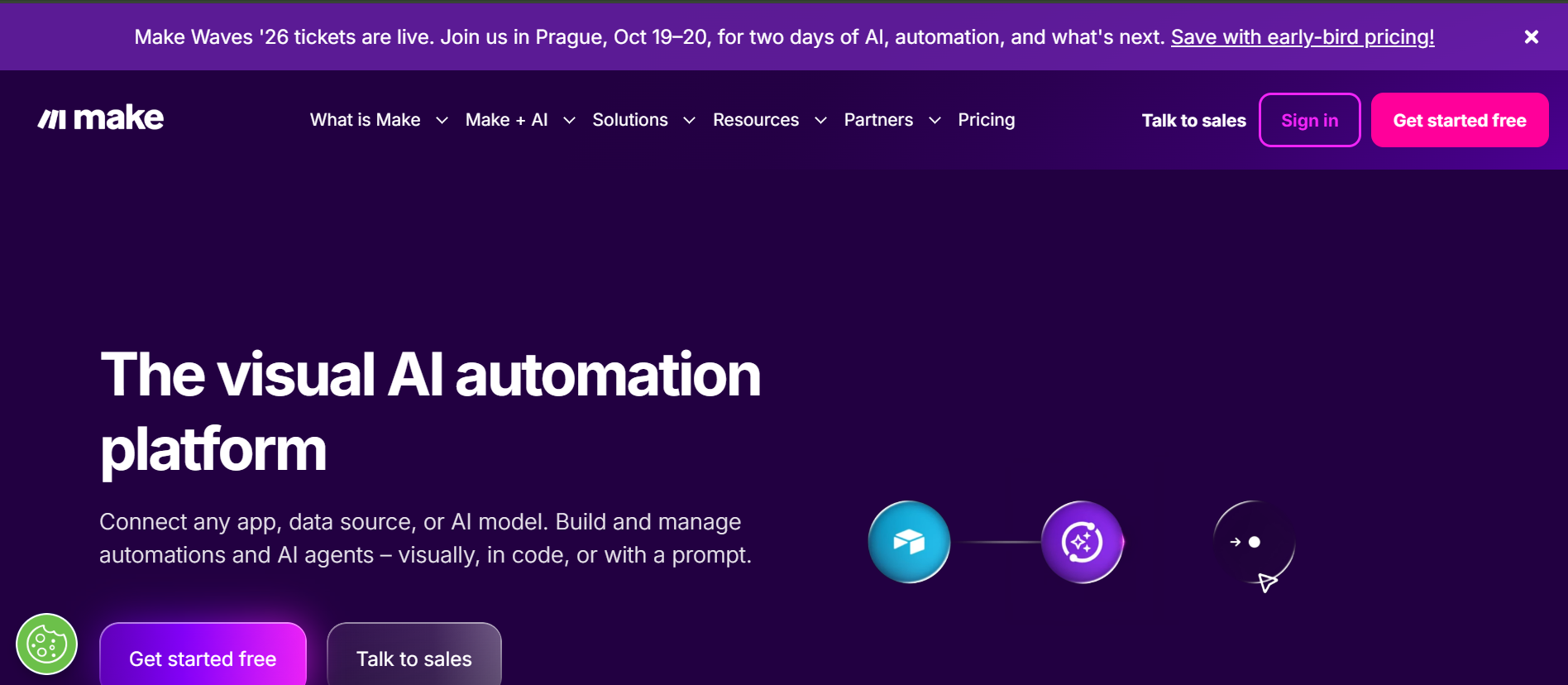
Make is known for its visual workflow builder that allows users to design complex automations using a drag-and-drop interface.
Key Features
- Visual workflow automation builder
- AI agent orchestration
- Multi-app integrations
- Real-time workflow monitoring
- Advanced workflow customization
- No-code and low-code support
The platform supports automation across apps, databases, APIs, and AI tools from one visual workspace.
Why Make Saves Work Hours
Make helps teams automate operational processes visually without writing code. Its workflow mapping system makes it easier to manage complex automation logic across multiple systems.
4. HubSpot — Best for AI-Powered CRM Automation

HubSpot combines CRM management with AI-powered automation for sales, marketing, and customer service teams.
Key Features
- AI-powered CRM workflows
- Marketing automation
- Automated lead nurturing
- Sales pipeline automation
- Email sequencing and follow-ups
- Reporting dashboards and analytics
HubSpot’s AI capabilities help businesses automate repetitive customer engagement and sales tasks while keeping workflows centralized.
Why HubSpot Saves Work Hours
HubSpot reduces manual CRM management by automating lead tracking, follow-ups, customer segmentation, and reporting.
This allows sales and marketing teams to spend more time on revenue-generating activities.
5. UiPath — Best for Enterprise Process Automation
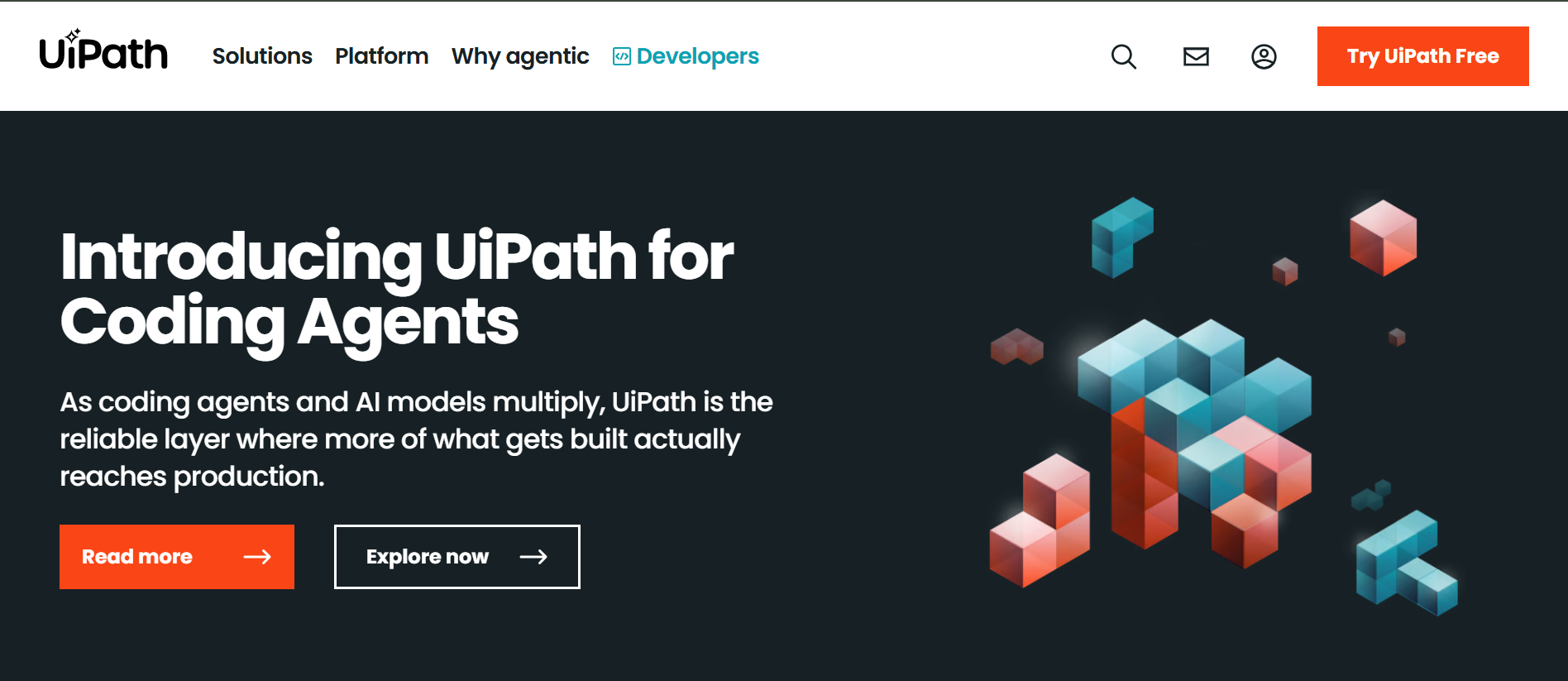
UiPath is one of the leading enterprise automation platforms focused on robotic process automation and AI-driven business workflows.
Key Features
- Enterprise-grade workflow automation
- Robotic Process Automation (RPA)
- AI document processing
- Task mining and workflow discovery
- Process orchestration
- Enterprise integrations and governance
UiPath is widely used by enterprises for automating high-volume operational workflows across departments.
Why UiPath Saves Work Hours
UiPath automates repetitive enterprise processes like data entry, invoice processing, document handling, and workflow approvals.
This significantly reduces operational workload and improves process efficiency across large organizations.
6. Notion AI — Best for Team Productivity Automation
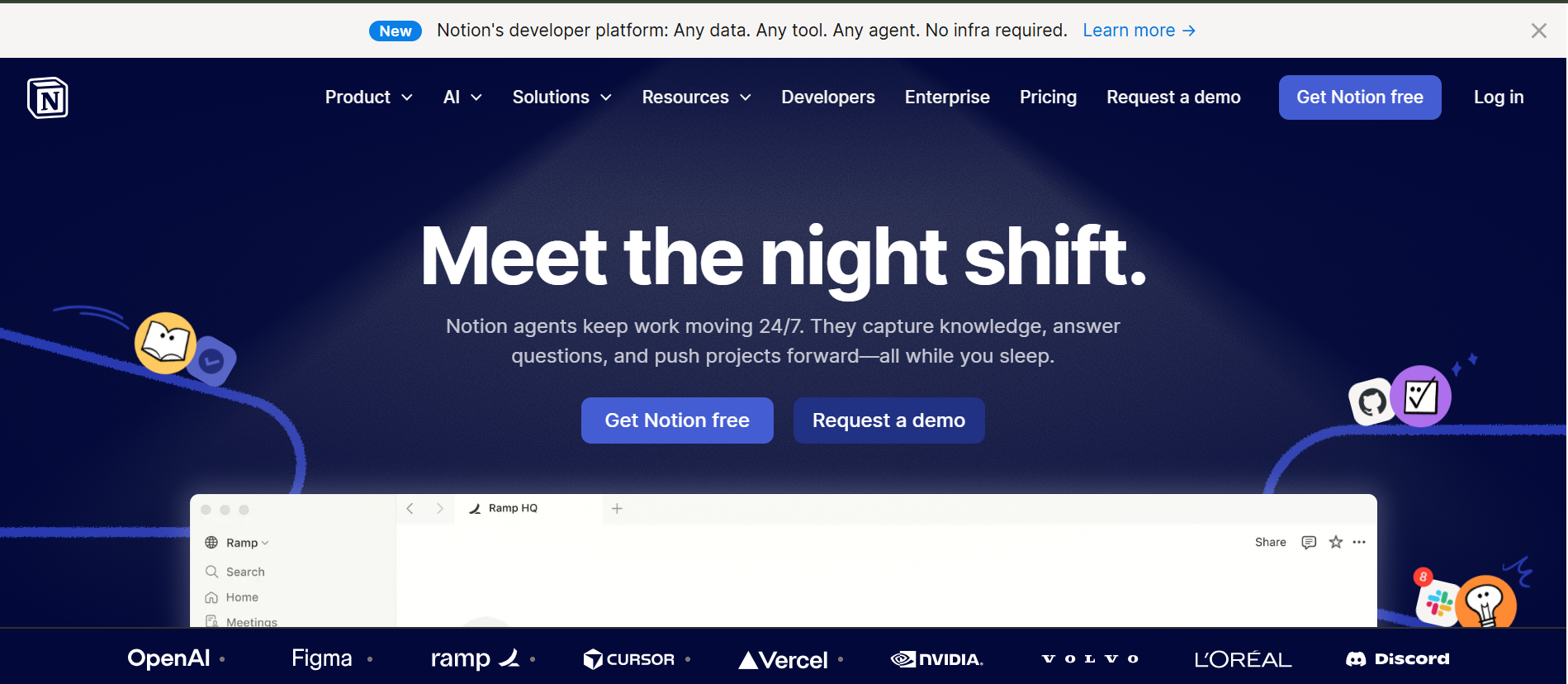
Notion AI combines documentation, collaboration, and AI-powered productivity tools inside one workspace.
It is especially useful for teams that want to automate knowledge management and daily operational tasks.
Key Features
- AI writing and summarization
- Automated meeting notes
- AI-powered knowledge search
- Task and project organization
- Workflow documentation
- Team collaboration workspace
Notion AI can also generate content drafts, organize databases, and help teams retrieve information faster from internal documents.
Why Notion AI Saves Work Hours
Notion AI reduces the time spent writing documentation, summarizing meetings, and searching for internal information.
Teams can centralize workflows and automate repetitive content-related tasks inside a single platform.
This improves collaboration while reducing operational friction across departments.
7. Monday.com — Best for AI Project Workflow Automation
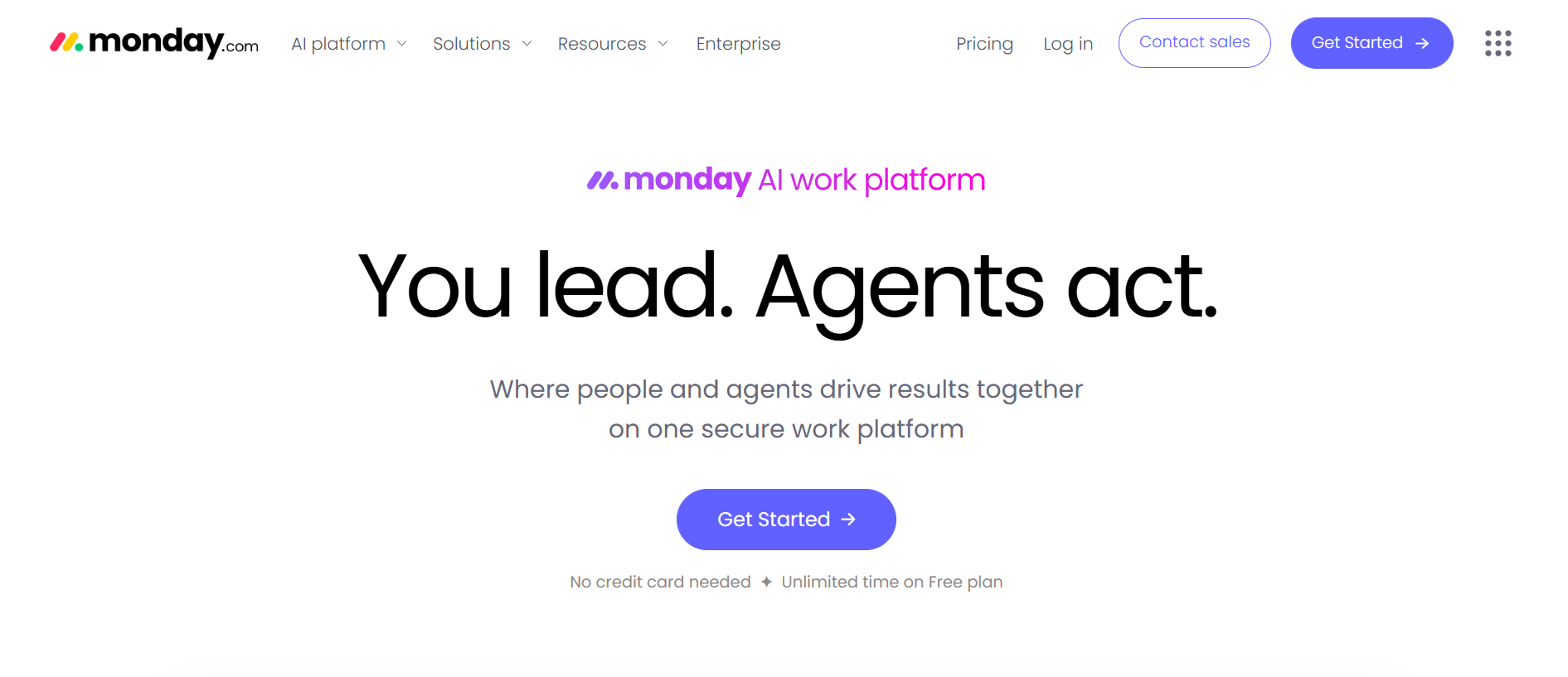
Monday.com is a project and workflow management platform that uses AI to streamline task management, collaboration, and operational workflows.
Key Features
- AI workflow automation
- Project and task management
- Automated notifications and updates
- Custom workflow templates
- CRM and third-party integrations
- AI-generated task summaries
The platform allows teams to automate repetitive project workflows without requiring advanced technical setup.
Why Monday.com Saves Work Hours
Monday.com reduces manual project coordination by automating task assignments, progress tracking, reminders, and workflow approvals.
Teams spend less time managing projects manually and more time executing work efficiently.
Its centralized dashboard also improves workflow visibility across teams.
8. ClickUp — Best for All-in-One Productivity Automation
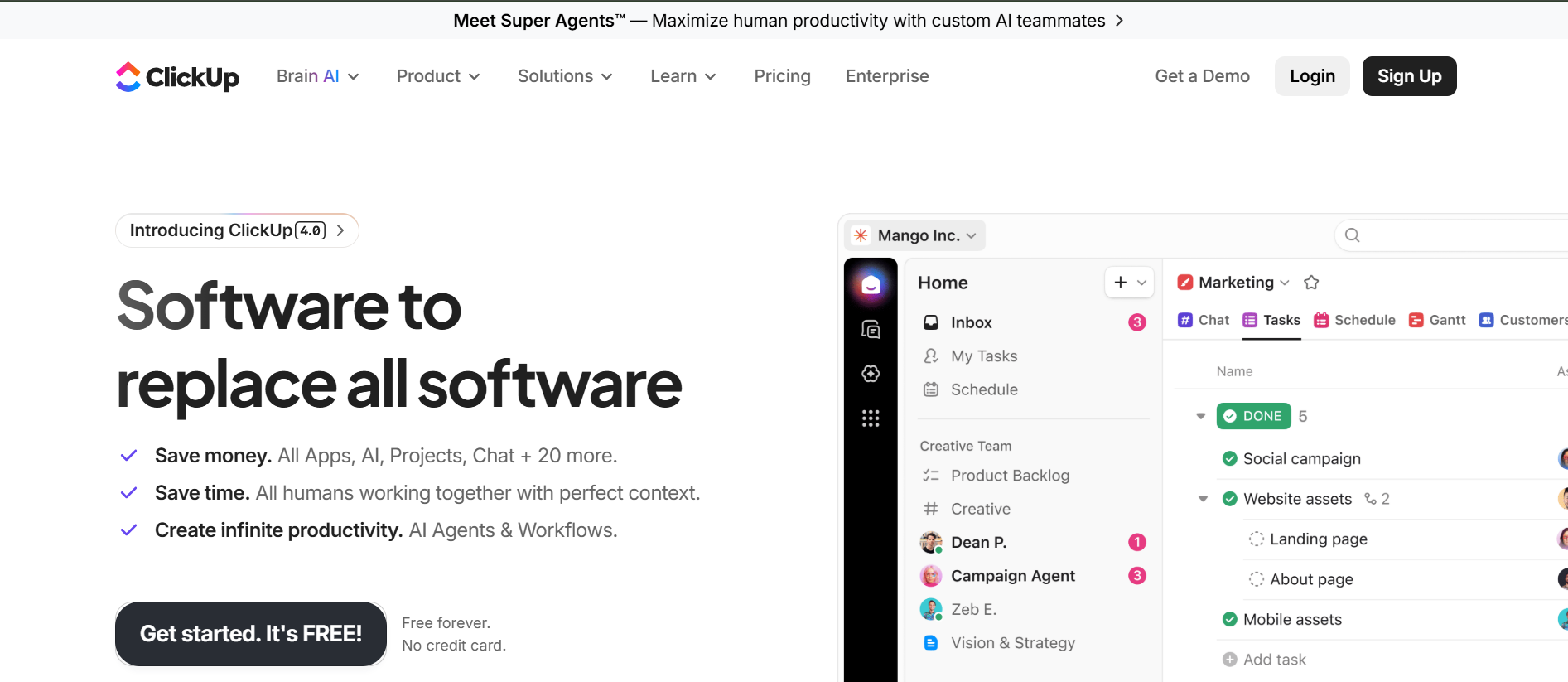
ClickUp combines productivity management, AI assistance, and workflow automation inside one platform.
It is designed for teams looking to manage projects, documents, communication, and automation together.
Key Features
- AI-powered task management
- Workflow automation
- Document collaboration
- Goal and time tracking
- CRM and app integrations
- AI writing assistant
ClickUp supports customizable workflows that help teams automate operational processes across different departments.
Why ClickUp Saves Work Hours
ClickUp helps reduce tool switching by combining multiple productivity functions into one workspace.
Teams can automate recurring tasks, streamline communication, and manage workflows more efficiently from a centralized platform.
Its AI tools also speed up documentation and task planning processes.
9. Salesforce Einstein — Best for AI-Powered Sales Automation
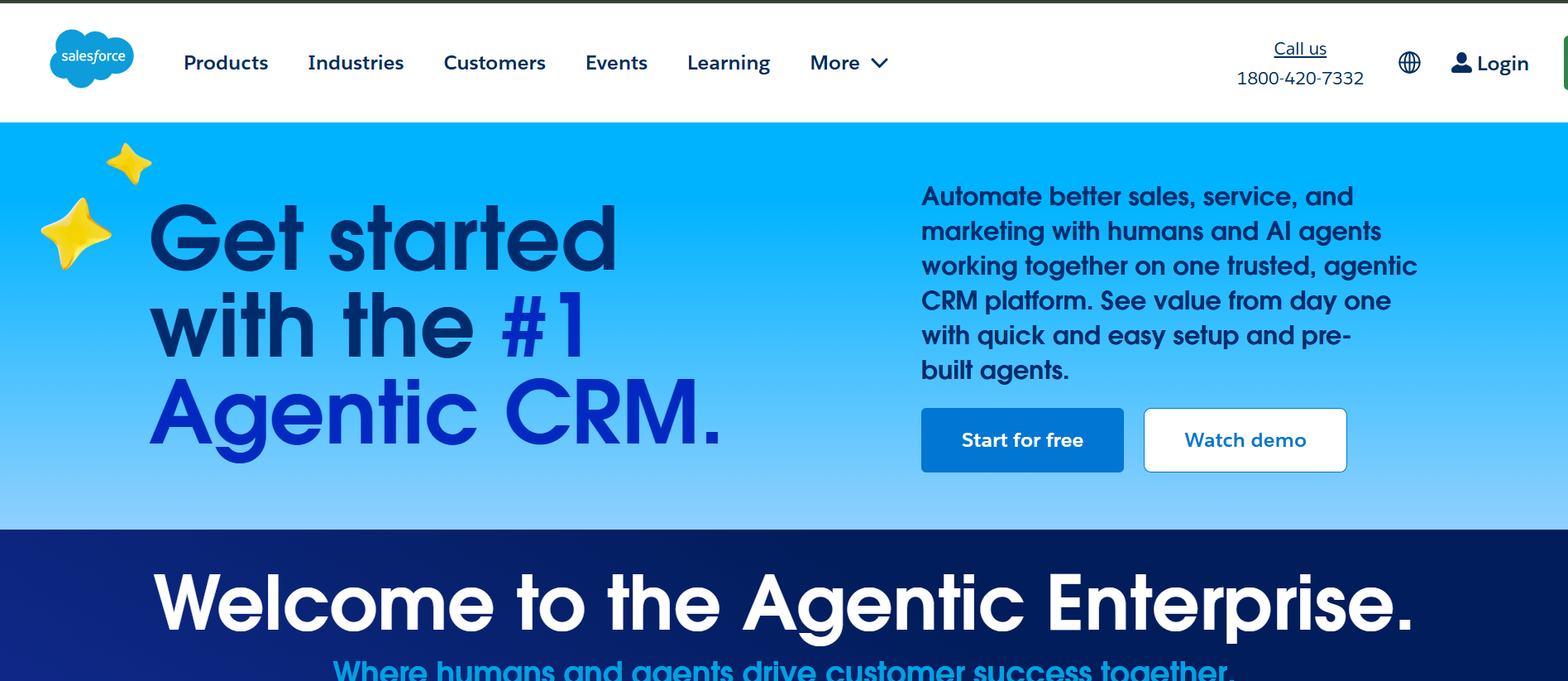
Salesforce Einstein brings AI capabilities directly into the Salesforce ecosystem to automate sales processes, forecasting, and customer engagement workflows.
Key Features
- AI-powered lead scoring
- Sales forecasting
- Automated CRM workflows
- Predictive analytics
- AI-generated email recommendations
- Customer behavior insights
Einstein uses machine learning to help sales teams prioritize opportunities and automate repetitive CRM tasks.
Why Salesforce Einstein Saves Work Hours
Salesforce Einstein reduces manual sales management by automating lead prioritization, pipeline analysis, customer insights, and follow-up recommendations.
Sales teams can focus more on closing deals instead of managing CRM data manually.
Its predictive capabilities also help businesses make faster sales decisions.
10. Airtable AI — Best for Flexible Workflow Management
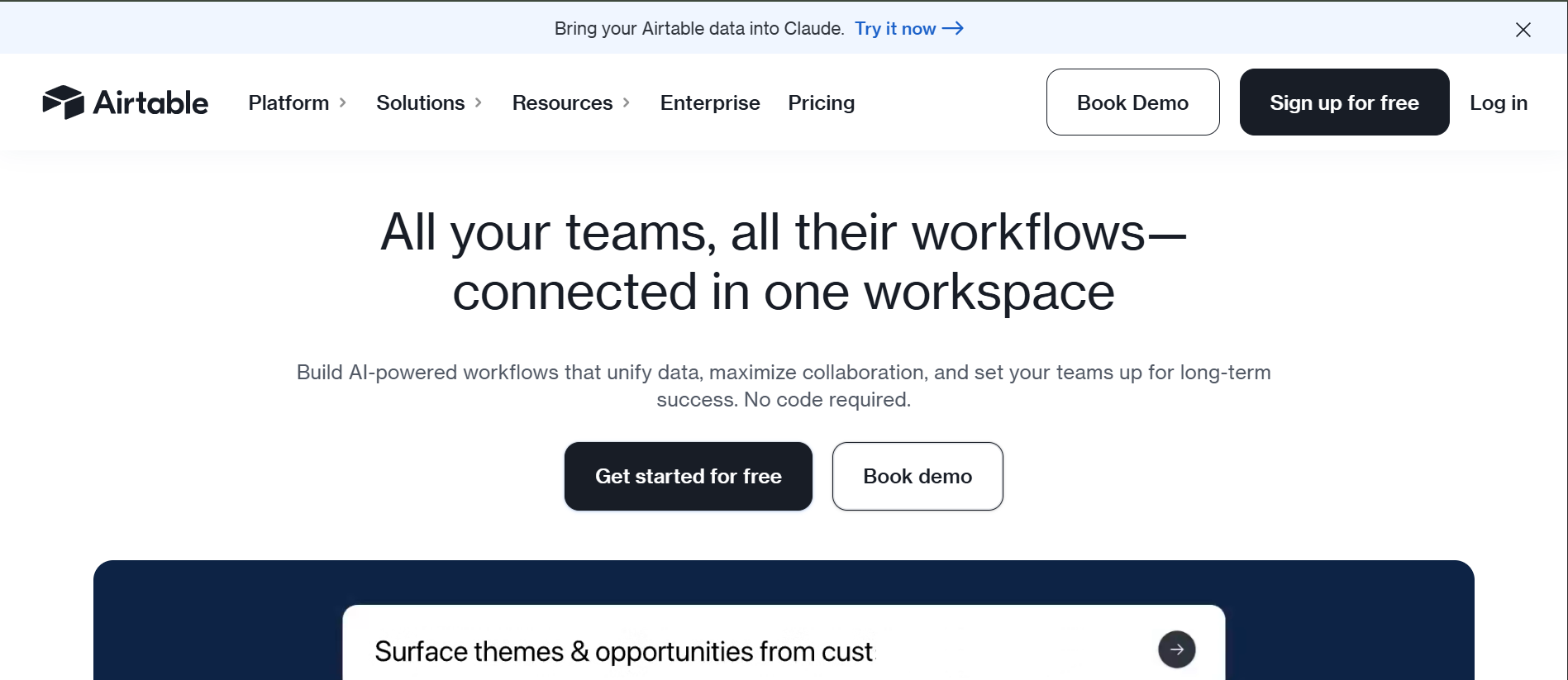
Airtable AI combines database management with AI-powered workflow automation. It is ideal for teams that need customizable workflows across operations, marketing, product management, and content planning.
Key Features
- AI-powered workflow automation
- Flexible database management
- Custom workflow building
- Team collaboration tools
- AI-generated content and summaries
- Integration with popular business tools
Airtable allows teams to create highly customized operational workflows without building complex systems from scratch.
Why Airtable AI Saves Work Hours
Airtable AI simplifies workflow management by centralizing data, collaboration, and automation in one place.
Teams can automate repetitive administrative tasks, organize operational data faster, and reduce manual coordination work.
Its flexibility also makes it easier to adapt workflows as business needs change.
How to Choose the Right AI Workflow Automation Tool
With so many AI workflow automation platforms available today, choosing the right one can quickly feel overwhelming.
The best solution depends on the workflows you want to automate and how efficiently your team needs to operate daily.
Choose Based on Your Workflow Needs
Start by identifying the repetitive tasks consuming the most time across your business. Some teams need workflow automation for sales outreach, while others focus more on project management, reporting, customer support, or internal collaboration.
If your business relies heavily on outbound sales and lead management, platforms like Oppora can help automate prospecting, enrichment, outreach, follow-ups, and CRM workflows from one system.
Choosing a tool aligned with your operational priorities creates better long-term workflow efficiency.
Prioritize Ease of Use and Integrations
An automation platform should simplify work instead of adding complexity. Look for tools with intuitive workflow builders, clean dashboards, and strong integrations with the software your team already uses.
The easier it is to connect workflows across different platforms, the faster your team can reduce manual operational work.
Tools that combine multiple workflow functions inside one platform can also reduce the need to manage disconnected systems.
Look Beyond Automation
The best AI workflow automation tools do more than automate repetitive tasks. They also improve decision-making, reduce bottlenecks, and provide visibility into operational performance.
Features like AI recommendations, workflow analytics, autonomous execution, and reporting can help businesses save significant work hours over time.
Platforms that combine automation with AI-driven workflow management often create stronger long-term operational efficiency instead of simply automating isolated tasks.
Conclusion
AI workflow automation tools are no longer just productivity add-ons. They are becoming essential for businesses that want to reduce manual work, improve operational efficiency, and scale faster without increasing workload across teams.
The right platform can help you automate repetitive processes, improve collaboration, and save significant work hours every month.
If your focus is sales workflow automation, platforms like Oppora can help streamline prospecting, outreach, follow-ups, and workflow management from a single system while reducing operational complexity.
Frequently Asked Questions
What is an AI workflow automation tool?
An AI workflow automation tool helps businesses automate repetitive tasks and operational processes using artificial intelligence.
These tools can manage workflows, automate decisions, connect apps, and reduce manual work across teams.
How do AI workflow automation tools save work hours?
AI workflow automation tools reduce the time spent on repetitive tasks like data entry, follow-ups, reporting, task assignments, and workflow approvals.
This allows teams to focus more on strategic and revenue-generating work.
Which industries benefit most from AI workflow automation?
AI workflow automation is widely used across sales, marketing, customer support, operations, HR, and project management teams.
Businesses with repetitive workflows and multi-step processes benefit the most from automation.
Are AI workflow automation tools difficult to set up?
Most modern platforms are designed with no-code or low-code workflow builders, making setup much easier for non-technical teams.
Many tools also provide templates, integrations, and guided automation workflows.
How do I choose the right AI workflow automation platform?
The best platform depends on your workflow needs, team size, integrations, and automation goals.
If your business focuses heavily on sales automation and outreach workflows, platforms like Oppora can help centralize and automate multiple sales operations from one system.
Summarize with AI
Share