10 Best Business Phone Number Finder Tools to Reach Decision Makers
Adam Hossain
Published May 17, 2026
19 min
Complete Agentic Email Outreach
AI agents find and enrich prospects, personalize emails, follow up, handle replies, and book meetings automatically.
Claim Your FREE Credits
Finding the right decision-maker is hard enough. Reaching them without a direct phone number makes sales outreach even slower.
Most cold emails get ignored, while gatekeepers and generic inboxes delay conversations that could have turned into real opportunities.
That’s why sales teams now rely on business phone number finder tools to connect faster, qualify leads quickly, and improve response rates through direct outreach.
In this guide, you’ll discover:
- The best business phone number finder tools
- Key features to compare before choosing one
- Which tools work best for different sales workflows
- How platforms like Oppora.ai automate contact discovery and outreach
How We Evaluated Business Phone Number Finder Tools
Once you decide a paid tool is worth it, the real question becomes which one to trust with your outreach. We did not rank these tools on reputation alone. We tested them against the criteria that actually affect whether a call gets answered.
That meant putting each provider through the same searches and comparing what came back, not reading through their marketing pages.
Phone Number Coverage and Match Rate
Coverage tells you how many of your searches actually return a number instead of a blank result. Match rate goes a step further, measuring how often that number is correct for the person you searched.
We ran each tool against a mix of company sizes and industries to see how consistent those results held up beyond a lucky first search. A tool that only performs well on large enterprises is not much use if most of your list is small or mid-sized businesses.
Suggested Reading:
How to Find CEO Email Address in 2026 (28 Real Tactics)Direct Dial and Mobile Number Availability
A tool that only returns a company's main line is not much help once you are trying to reach one specific person.
We specifically checked how often each tool surfaced a direct dial or mobile number tied to an individual, not just a shared switchboard. That distinction ended up separating genuinely useful tools from ones padding their coverage numbers.
Suggested Reading:
How to Find Phone Number Associated With Email in MinutesData Accuracy and Freshness
A number that was correct a year ago is not necessarily correct today. People change roles, companies switch phone systems, and old data quietly goes stale.
We looked at how often each provider refreshes its database and whether numbers are verified before they are shown to you, not just pulled from an old cached record.
Search, Bulk Lookup, and Enrichment Capabilities
Finding one number at a time works fine occasionally, but most sales teams need to process lists, not individuals. We tested whether each tool handled single searches, bulk uploads for larger lists, and enrichment for adding phone data to leads you already have. Tools that only supported one of these felt limiting fast.
CRM and Outreach Integrations
A phone number is only useful once it reaches the place you will actually act on it. We checked whether each tool synced directly with common CRMs, including:
- HubSpot
- Salesforce
- Pipedrive
- Zoho
Tools without native integrations meant extra manual exporting, which adds friction to your outreach workflow.
Pricing and Credit Usage
Pricing matters just as much as the data itself, especially at scale. We looked at whether each tool offered a usable free tier, how phone lookups were priced relative to other data credits, and whether unused credits carried over or reset every month.
A cheap plan that burns through credits fast is not actually cheap once overage costs add up.
Key Features to Look for in a Business Phone Number Finder Tool
Not every business phone number finder delivers the same level of accuracy or workflow support.
Some tools only provide basic contact data, while others help automate prospecting, verification, and outreach at scale.
Before choosing a platform, focus on features that improve both data quality and sales efficiency.
Accuracy of Data
Accurate phone numbers are the foundation of successful outreach. Outdated or incorrect contact details waste time and lower connection rates.
Look for tools that regularly update and verify their databases to ensure you reach real decision-makers instead of disconnected numbers.
Suggested Reading:
10 Best B2B Phone Number Finder Platforms Compared (2026)Integration with CRM Systems
A tool that integrates with your CRM helps keep your sales process organized. Instead of manually exporting contacts, your team can sync leads, activities, and conversations automatically.
This improves tracking, follow-ups, and overall workflow management.
Bulk Search and Filtering Capabilities
Large outreach campaigns require more than single-contact searches.
Bulk search features allow teams to find multiple contacts quickly while applying filters to narrow results.
Useful filters often include:
- Industry
- Job title
- Company size
- Location
This makes lead targeting far more efficient.
AI-Powered Contact Verification
AI-powered verification helps identify whether phone numbers are active and reachable before outreach begins.
This reduces failed calls and improves campaign performance.
Modern tools also use AI to enrich contact data, detect duplicates, and improve lead quality automatically.
10 Best Business Phone Number Finder Tools at a Glance
With those evaluation criteria in mind, here's how the top 10 stack up side by side before we break each one down in detail.
A quick scan only tells you so much though. Here's a closer look at each one, including where it genuinely fits and where it falls short.
10 Best Business Phone Number Finder Tools
Choosing the right business phone number finder depends on your sales workflow, team size, and outreach goals.
Some tools focus on large contact databases, while others specialize in automation, enrichment, or CRM integration.
Below, we’ll compare the 10 best business phone number finder tools based on their features, strengths, pricing approach, and ideal use cases so you can find the best fit for your outbound sales strategy.
1. Oppora.ai – AI-Driven Business Phone Number Finder
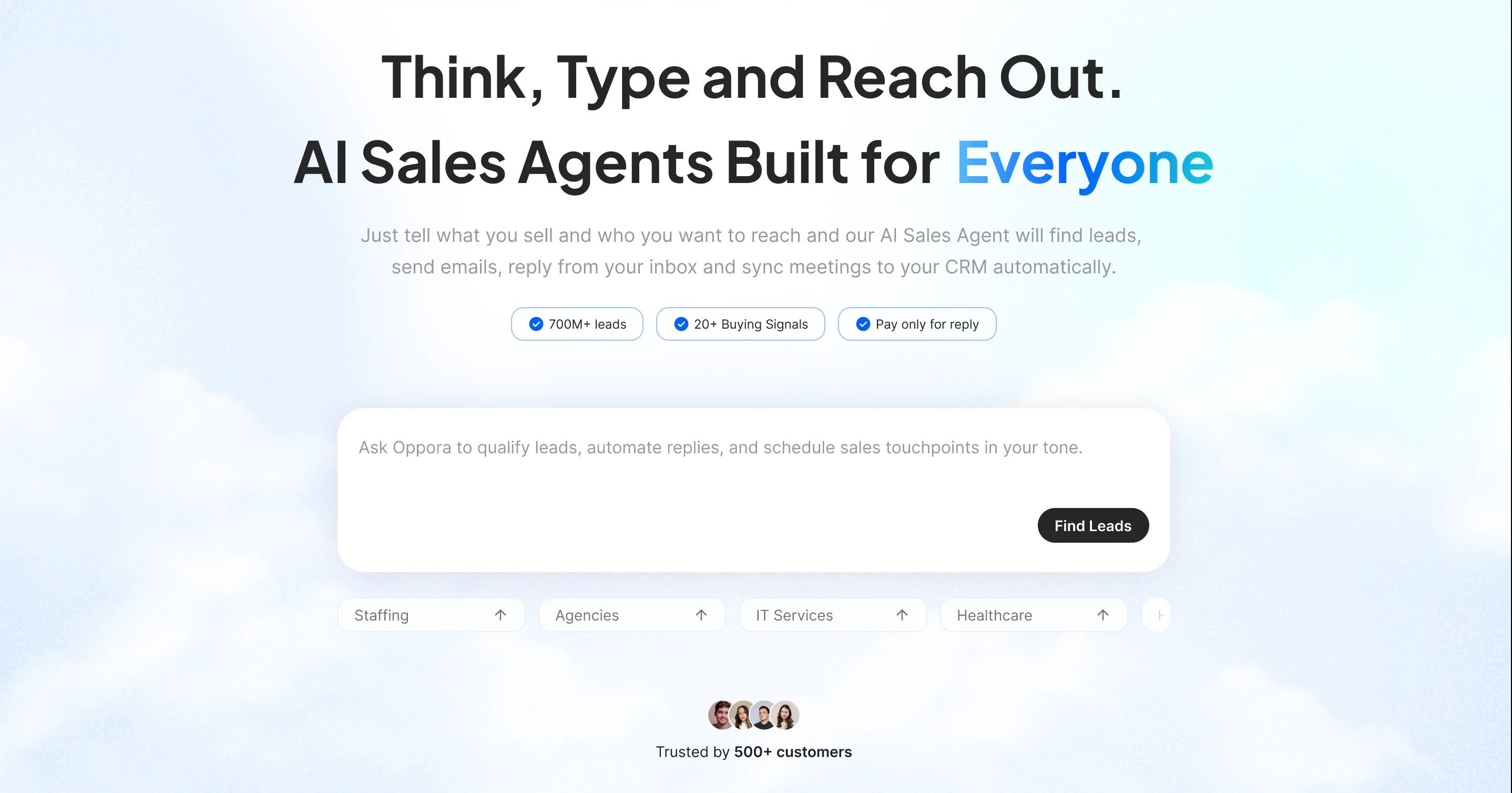
If your team spends more time finding phone numbers than speaking with prospects, Oppora.ai helps simplify the entire process.
Instead of acting as only a contact database, Oppora.ai is an all-in-one sales automation platform that uses AI to combine business phone number discovery, enrichment, outreach automation, and AI-powered workflows in one platform.
You still get the core features expected from a modern business phone number finder, including:
- Verified corporate and personal phone numbers for B2B leads
- Option to find Leads and Companies based on 20+ buying signals
- Email discovery and enrichment
- Advanced targeting filters
- CRM syncing and workflow automation
What makes Oppora different is that it helps teams find both corporate numbers and personal phone numbers of decision-makers, giving sales reps more ways to connect when traditional outreach channels fail.
The platform also goes beyond simple lead discovery.
Most tools stop after providing contact data, but Oppora helps automate the next steps too.
You can personalize outreach with AI, manage replies, qualify leads, and sync meetings directly into your CRM without juggling multiple platforms.
Some standout features include:
- AI-powered workflow builder
- Automated reply handling
- Multi-mailbox rotation and warm-up
- LinkedIn + email outreach workflows
- Unified inbox and CRM integration
Pricing
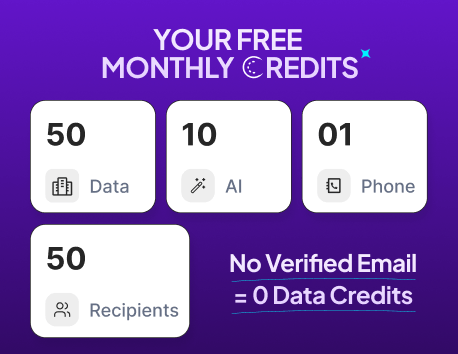
Oppora runs on four tiers, with phone search pulling from its own dedicated credit pool, separate from email and AI credits:
- Free: $0 per month
- Pro: $34 per month
- Max: $79 per month
- Enterprise: starts at $499 per month
White-glove onboarding is included on every plan, even Free, which is unusual at this price point.
Pros and Cons
Pros:
- Phone, email, and outreach live in one credit system, not three separate tools
- Waterfall enrichment improves match accuracy over single-source lookups
- Broad CRM support, including a built-in CRM option
- White-glove onboarding included from the Free plan up
Cons:
- Free plan includes very limited phone credits, so real prospecting needs a paid tier
- Credits do not roll over on Free or Pro, only Max and Enterprise
- As a newer, all-in-one platform, it carries less name recognition than legacy enterprise tools
2. ZoomInfo
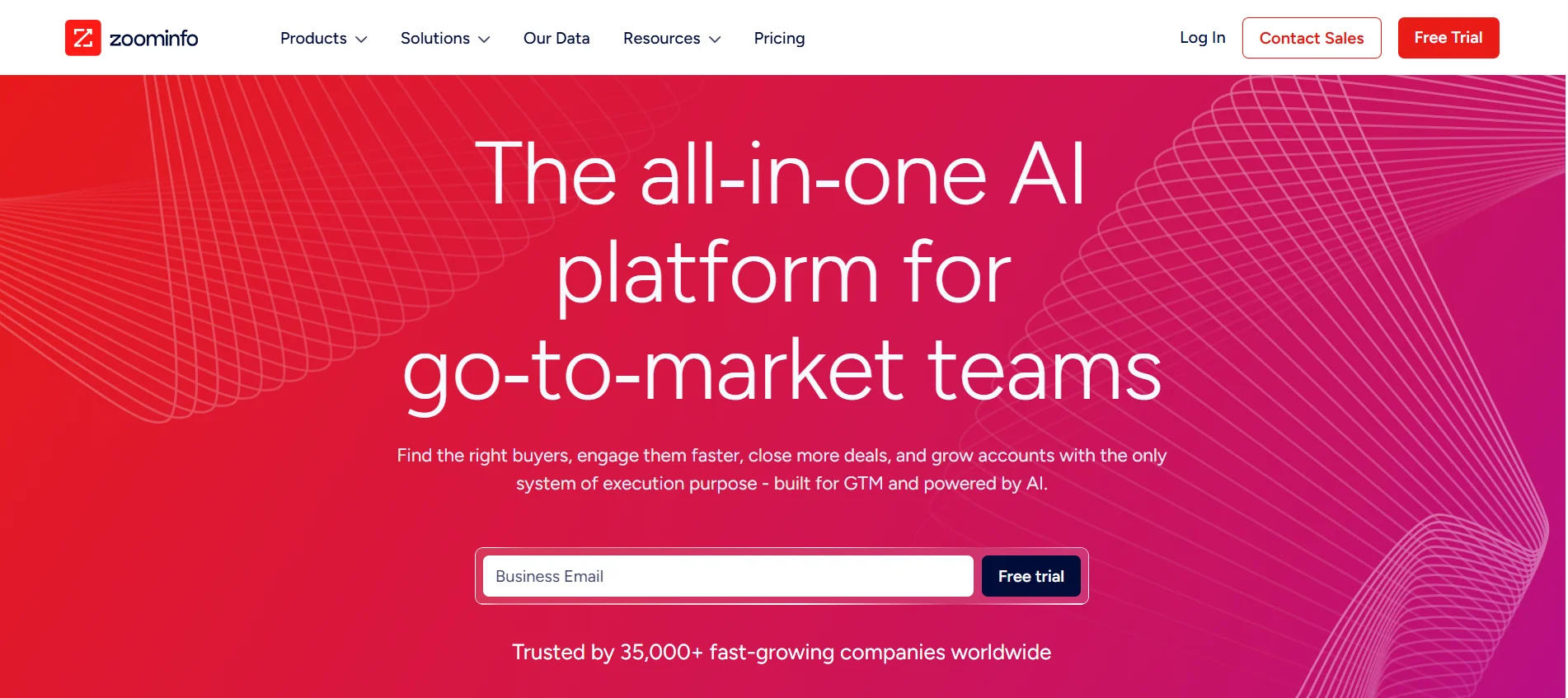
ZoomInfo is one of the most recognized B2B contact databases for finding business phone numbers and company information at scale.
It gives sales teams access to a large collection of verified business contacts, making it useful for enterprise prospecting and outbound campaigns.
The platform is especially strong in company-level insights and advanced filtering. You can search prospects based on industry, company size, job title, revenue, technologies used, and buying intent signals.
Some key features include:
- Large B2B contact database
- Verified business phone numbers and emails
- Advanced prospecting filters
- CRM and sales tool integrations
- Intent and company tracking data
ZoomInfo works best for mid-sized and enterprise sales teams that need high-volume prospecting with detailed company intelligence.
However, the platform can feel expensive for smaller businesses or startups compared to newer AI-driven alternatives.
Pricing
ZoomInfo does not publish pricing, and there is no monthly plan. Every quote comes from a sales call, not a self-serve signup:
- Professional: roughly $15,000 per year for up to 20 users
- Advanced: $25,000 to $40,000 per year, adds buyer intent data
- Elite and Enterprise: custom pricing for full platform access
Additional seats beyond the included count are priced separately on every tier.
Pros and Cons
Pros:
- Largest, most frequently re-verified direct dial and mobile database on this list
- Bulk API handles enterprise-scale enrichment without manual lookups
- Strong US phone accuracy backed by continuous data refresh
Cons:
- No public pricing, only sales-quoted annual contracts
- Five-figure annual minimum puts it out of reach for smaller teams
- No built-in outreach, so you still need a separate sequencing tool
- Coverage thins out noticeably outside the US
Suggested Reading:
12 Free + Affordable Zoominfo Competitors & Alternatives3. Hunter.io
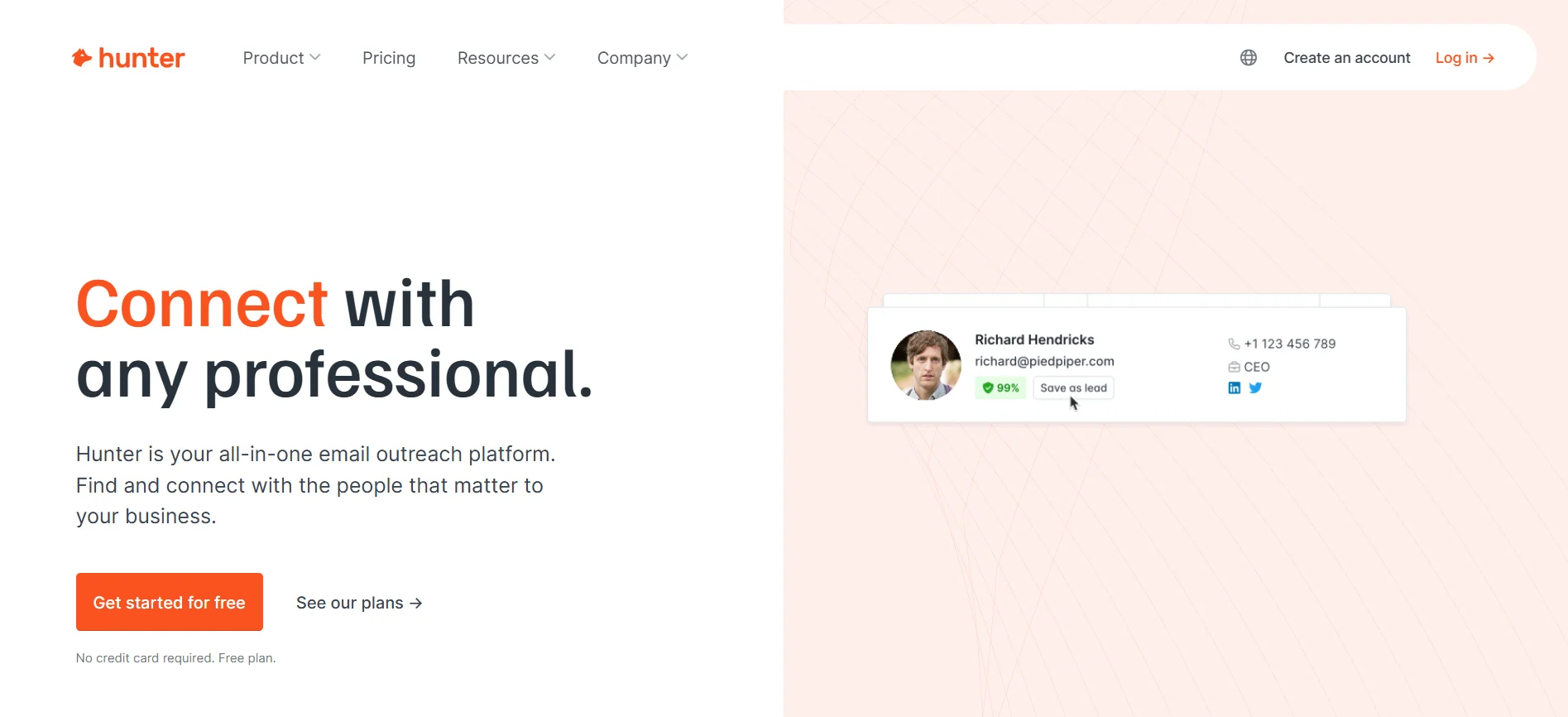
Hunter.io is a popular contact discovery tool mainly known for email finding, but it also provides business contact information that helps sales teams improve outreach efforts.
The platform is simple to use and works well for freelancers, startups, and smaller sales teams looking for quick lead research.
One of Hunter.io’s biggest strengths is its domain-based search system.You can enter a company website and discover associated contact details, including verified emails and available business phone numbers.
Some useful features include:
- Domain and company-based contact search
- Email verification tools
- Bulk contact discovery
- Chrome extension for quick prospecting
- CRM and outreach tool integrations
Hunter.io is best suited for teams focused on lightweight prospecting and email-first outreach rather than large-scale enterprise sales intelligence.
Compared to platforms like ZoomInfo, its database is smaller but easier to navigate and more affordable for growing businesses.
Pricing
Hunter.io starts free, with 50 credits a month covering light, occasional searching:
- Free: $0 per month, 50 credits
- Starter: from $34 per month, 500 credits
- Growth and Scale: up to 25,000 credits per month on the highest self-serve tier
- Enterprise: custom pricing for higher volume
Every credit covers email search and verification only, since there is no separate phone credit type to budget for.
Pros and Cons
Pros:
- Genuinely simple to set up and start actively searching within minutes
- Built-in campaigns mean you can email a list without a separate sender tool
- Affordable entry point, with a usable free tier
Cons:
- No phone number data of any kind, direct dial or otherwise
- Limited CRM integrations compared to larger data platforms
- Not built for teams that need multi-channel, not just email, outreach
4. Clearbit
Clearbit is a data enrichment and lead intelligence platform designed to help businesses find and enrich B2B contact information.
While it is more widely known for company and email enrichment, many sales teams also use it to discover business phone numbers and build detailed prospect profiles.
The platform works especially well for teams that already rely heavily on CRM workflows and marketing automation tools.
Clearbit enriches leads in real time by pulling company details, job information, technologies used, and contact data from multiple sources.
Some key features include:
- Real-time lead and company enrichment
- Business contact discovery
- CRM and marketing automation integrations
- API access for custom workflows
- Advanced firmographic filtering
Clearbit is best suited for SaaS companies, marketing teams, and outbound sales teams that want deeper lead intelligence instead of basic contact lookup functionality alone.
One limitation is that the platform can become expensive for smaller teams, especially when advanced enrichment and API usage increase.
Pricing
Clearbit no longer has its own pricing page, since access runs entirely through HubSpot:
- Basic enrichment: included free with any paid HubSpot seat
- Breeze Intelligence credits: from roughly $45 per month for 100 credits
- Realistic all-in minimum: around $65 to $75 per month with a HubSpot Starter seat
Overages run about $10 per 1,000 credits beyond your allotment.
Pros and Cons
Pros:
- Enrichment triggers automatically, so records stay current with no manual work
- Large combined dataset drawing from 250-plus providers
- Basic enrichment included at no extra cost on paid HubSpot plans
Cons:
- No phone number data of any kind
- Locked entirely to HubSpot, with no standalone or CRM-agnostic access
- Requires a paid HubSpot subscription just to get started, on top of credit costs
5. VoilaNorbert
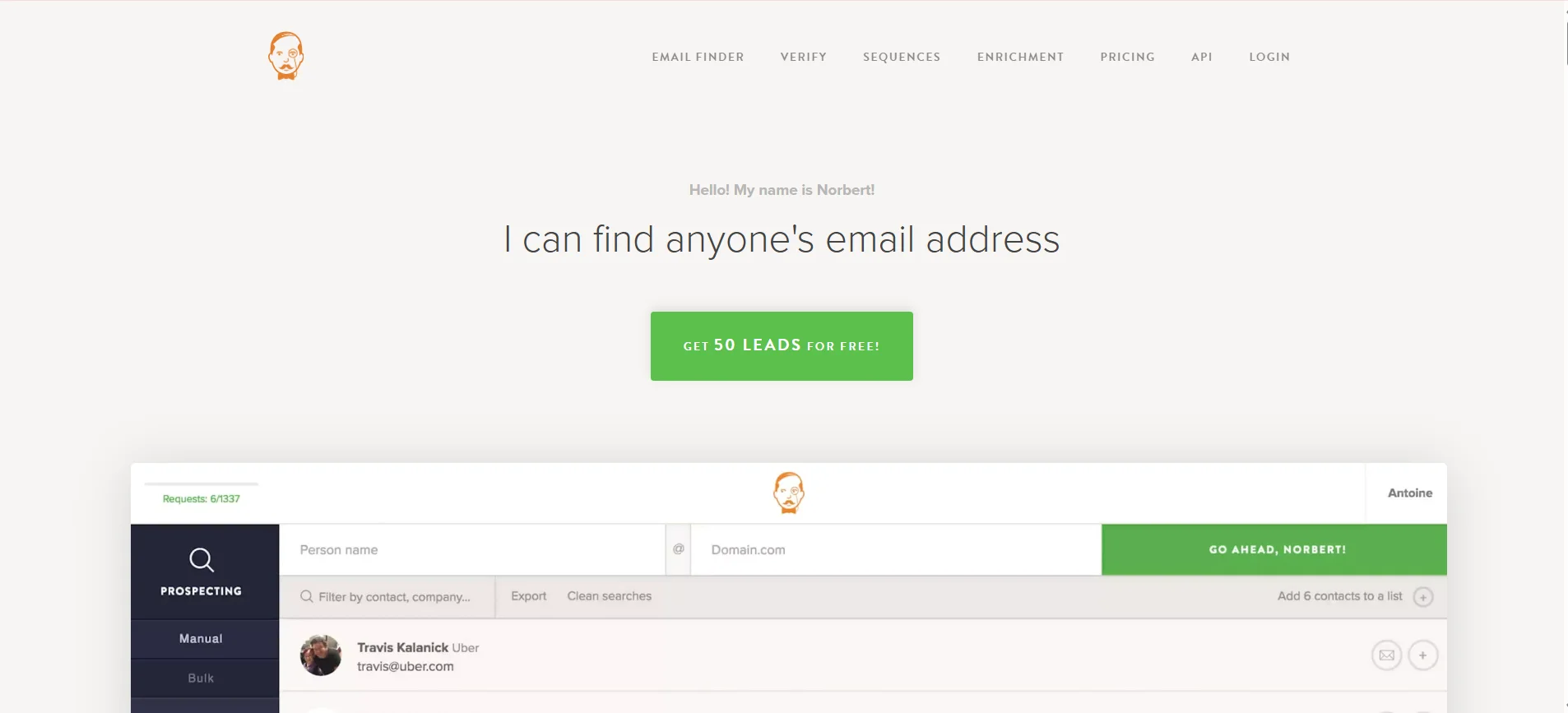
VoilaNorbert is a simple and beginner-friendly contact finder tool designed for businesses that want fast access to prospect information without dealing with complex workflows.
While the platform is primarily known for email discovery, it also helps users uncover business contact details for sales outreach.
The tool is especially useful for freelancers, agencies, and smaller sales teams that need quick prospect searches and lightweight lead generation features.
Some useful features include:
- Email and contact discovery
- Email verification tools
- Bulk prospect search
- CRM integrations
- Chrome extension for quick lookups
VoilaNorbert focuses more on simplicity than advanced enterprise-level sales intelligence.
The interface is clean, easy to navigate, and works well for teams that prefer straightforward prospecting workflows over heavy automation systems.
Pricing
Pricing splits across two separate products, which catches some people off guard:
- Valet: $39 per month annual, 1,000 leads
- Butler: $79 per month annual, 5,000 leads
- Advisor: $199 per month annual, 15,000 leads
- Counselor: $399 per month annual, 50,000 leads
- Email Sequences: priced separately, from $19 per month per user
Pay-as-you-go credits are also available if you would rather skip a subscription entirely.
Pros and Cons
Pros:
- High email-finding accuracy, with credits that never expire once purchased
- Pay-as-you-go option for anyone who does not want a recurring subscription
- Simple, focused interface with a short learning curve
Cons:
- No phone number data at all
- Requires both name and domain, so company-only search is not possible
- Sequences and enrichment are separate paid add-ons, not included in the base price
6. UpLead
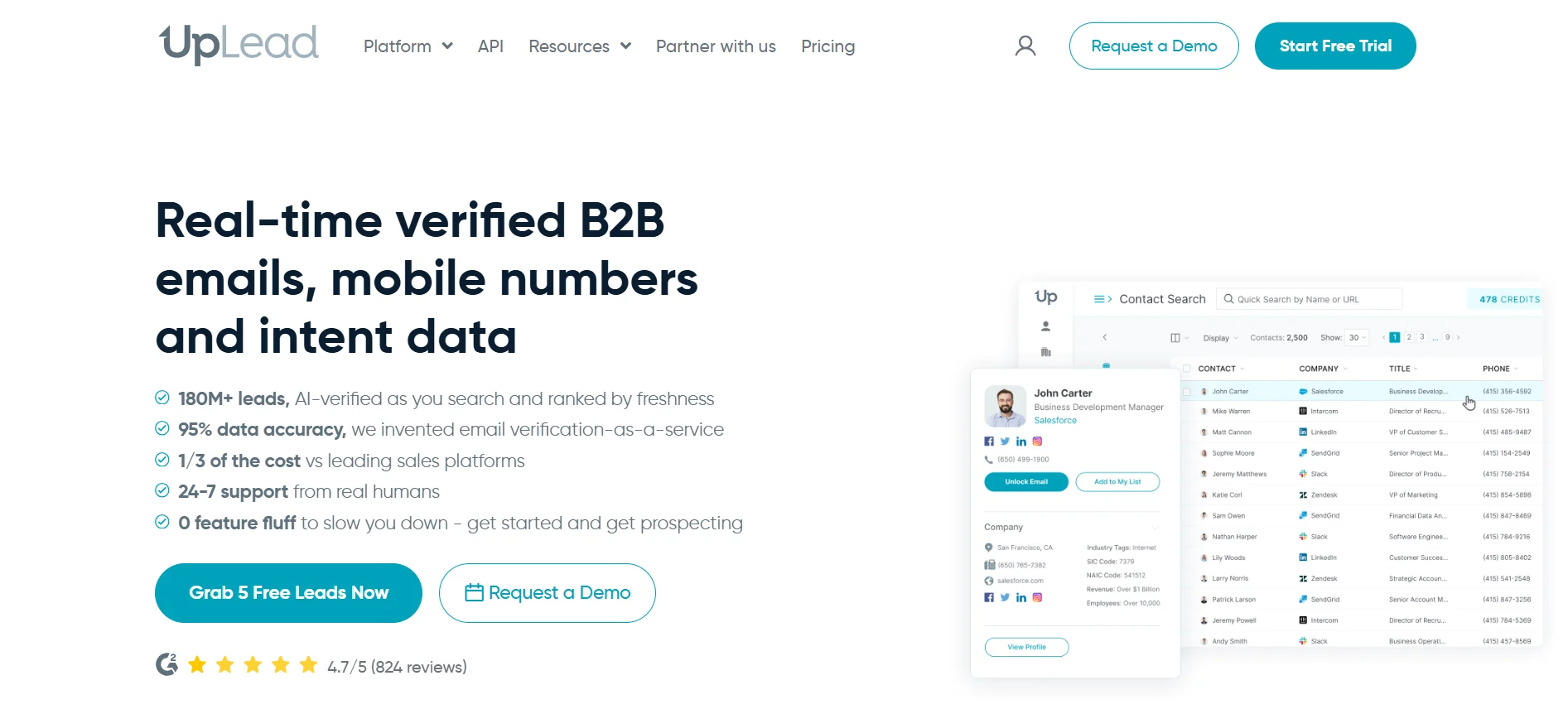
UpLead is a B2B lead generation platform known for providing verified business contact data with strong filtering capabilities.
It helps sales teams find business phone numbers, emails, and company information while keeping data accuracy as a major focus.
One of UpLead’s biggest advantages is its real-time email verification system, which helps reduce bounce rates and improves outreach quality.
The platform also offers detailed filtering options that make it easier to target the right decision-makers.
Some notable features include:
- Verified business phone numbers and emails
- Real-time email verification
- Advanced search and lead filtering
- CRM integrations
- Technographic and company data insights
UpLead works well for startups, agencies, and growing sales teams that want cleaner data without paying enterprise-level pricing.
The platform is easier to use than some larger competitors while still offering strong prospecting functionality.
Pricing
UpLead runs on a straightforward credit model, where one credit unlocks one full contact record, email and phone included:
- Free trial: $0 for 7 days, 5 credits
- Essentials: $99 per month, $74 per month annual, 170 credits
- Plus: $199 per month, $149 per month annual, 400 credits
- Professional: custom pricing, adds buyer intent data and team seats
Essentials and Plus are limited to one user, and unused credits do not roll over.
Pros and Cons
Pros:
- Phone and email bundled into one credit, no separate phone charge
- 95% accuracy guarantee with automatic credit refunds on bad data
- Broad CRM and sales tool integration list
Cons:
- Single-source database, not a multi-provider waterfall
- Essentials and Plus plans cap out at one user each
- Credits expire monthly with no rollover on the lower tiers
7. AeroLeads
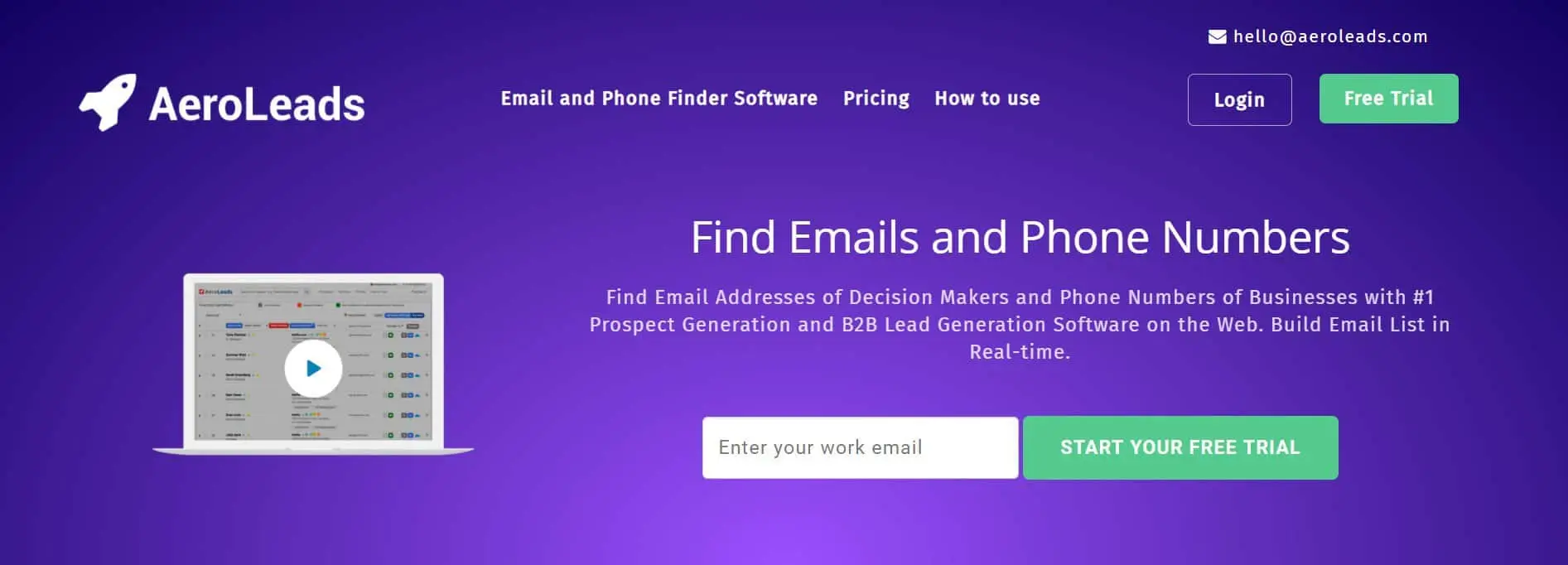
AeroLeads is a lead generation and contact discovery tool designed to help businesses find business phone numbers, emails, and professional contact details from platforms like LinkedIn.
It is widely used by recruiters, agencies, and outbound sales teams that rely heavily on LinkedIn prospecting.
One of AeroLeads’ main strengths is its Chrome extension, which allows users to capture contact details directly while browsing LinkedIn profiles or company websites.
This makes prospecting faster and more convenient for day-to-day outreach.
Some key features include:
- LinkedIn-based lead generation
- Business email and phone number discovery
- Chrome extension for quick prospecting
- CRM and Zapier integrations
- Bulk data export capabilities
AeroLeads focuses more on simple lead collection rather than advanced AI automation or enterprise-level sales workflows.
Because of that, it works best for smaller teams and businesses looking for lightweight prospecting tools.
Pricing
AeroLeads runs on monthly credits with no rollover, so unused credits reset at the end of each cycle:
- Take Off: $49 per month, 2,000 credits, 80 guaranteed phone numbers
- Climb: $149 per month, 8,000 credits, 200 guaranteed phone numbers
- Cruise: $499 per month, higher credits, up to 400 guaranteed phone numbers
- Enterprise: custom pricing
A free trial with 10 credits is available before you commit.
Pros and Cons
Pros:
- Guaranteed phone numbers per tier, not just a shared credit pool
- Broad CRM coverage, plus Zapier for anything else
- Works directly from the LinkedIn browsing experience, no separate tab needed
Cons:
- Credits deduct even when a search returns nothing usable
- No rollover, so unused credits are lost every month
- No built-in outreach or intent signals, just contact discovery
8. LeadFuze
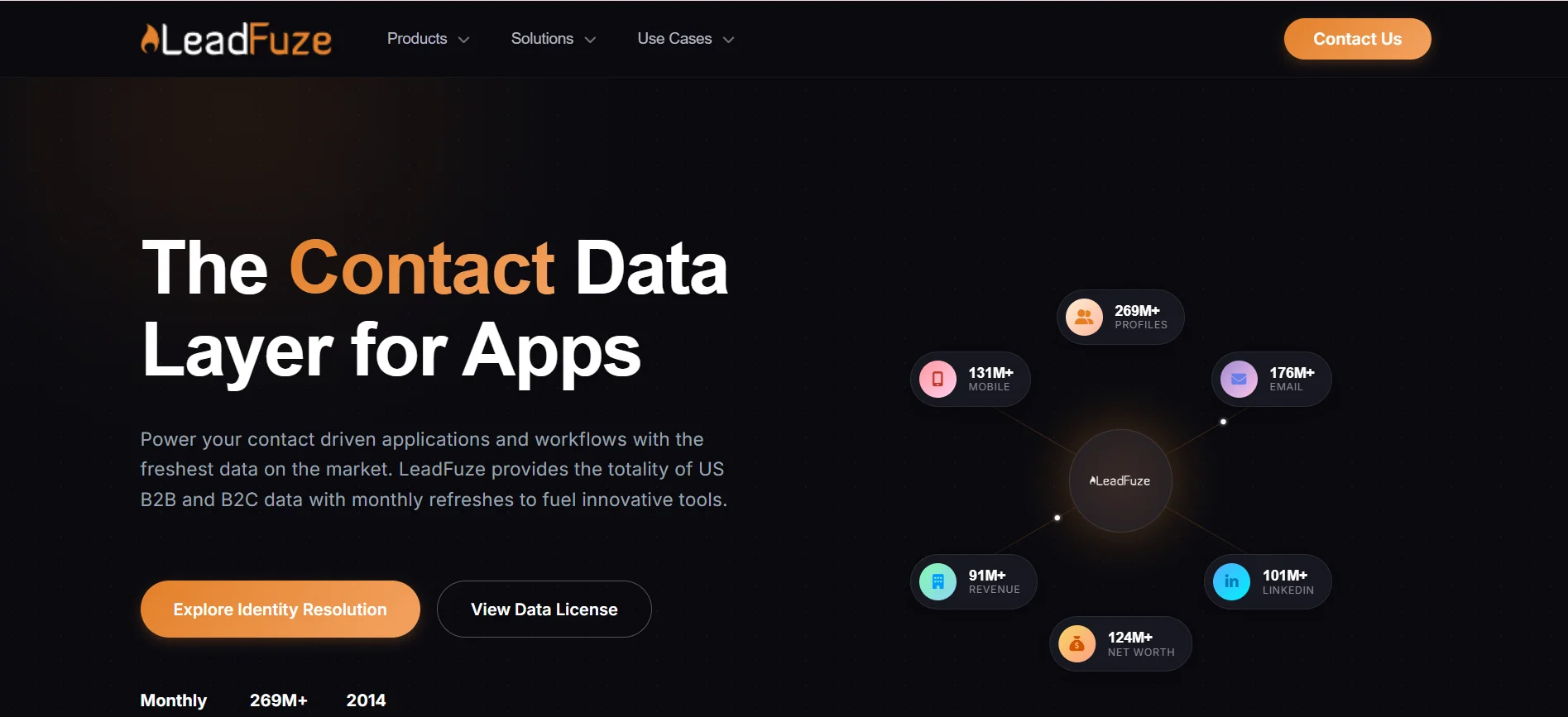
LeadFuze is an AI-powered lead generation platform built to help sales teams find business phone numbers, emails, and targeted B2B prospects more efficiently.
The platform combines contact discovery with automation features, making it useful for businesses running outbound campaigns at scale.
One of LeadFuze’s standout features is its AI-driven prospecting system, which automatically builds lead lists based on your targeting criteria.
This helps reduce the manual work involved in finding decision-makers across different industries.
Some notable features include:
- Business phone number and email discovery
- AI-powered lead list building
- Advanced prospect filtering
- CRM integrations
- Automated lead generation workflows
LeadFuze works well for agencies, recruiters, and outbound sales teams that want ongoing lead discovery instead of one-time prospect searches.
The platform also supports bulk prospecting, which is useful for larger outreach campaigns.
Pricing
Pricing here needs a caveat: several 2026 sources report LeadFuze shifting away from self-serve plans toward enterprise data licensing:
- Historical self-serve Unlimited plan: from $397 per month, 12-month commitment
- Current reported model: full data license, roughly $1,500 to $2,000 per month
- Exact terms: confirm directly with LeadFuze before budgeting, since public pricing is inconsistent right now
Whichever applies, expect a sales conversation rather than instant self-serve signup.
Pros and Cons
Pros:
- Fuzebot automates recurring list-building without manual re-searching
- Phone data included in the same flow as email, not a separate add-on
- Broad filter set for building precisely targeted lists
Cons:
- Pricing is genuinely unclear right now, with conflicting figures across sources
- No native dialer, so calling requires exporting to another tool
- Independent phone accuracy data is not published
9. Lusha
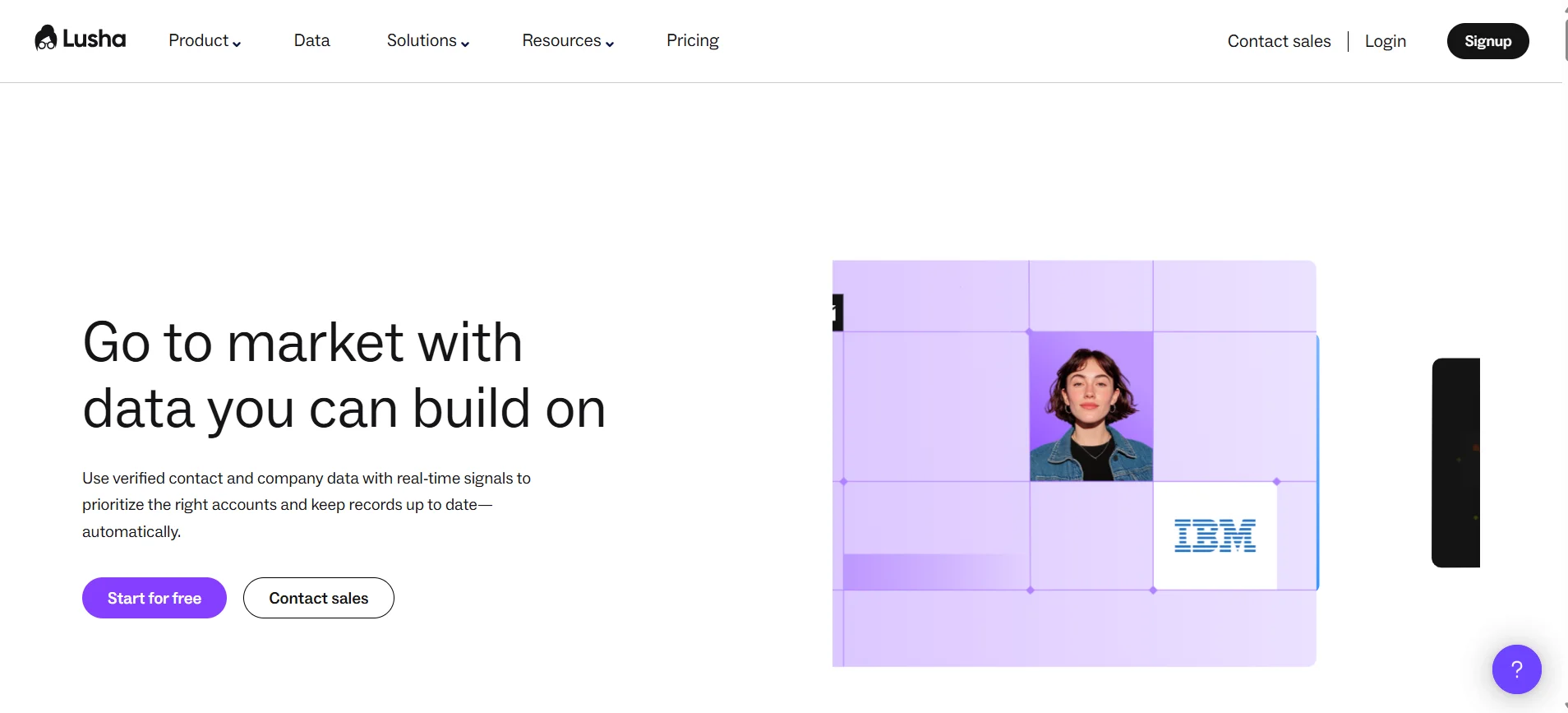
Lusha is a popular B2B contact discovery platform that helps sales teams find business phone numbers, emails, and company information quickly.
It is widely used for cold outreach because of its simple interface, fast data retrieval, and LinkedIn integration.
One of Lusha’s biggest advantages is ease of use.
Sales reps can capture contact details directly from LinkedIn profiles using the Chrome extension, making prospecting much faster during daily outreach activities.
Some key features include:
- Business phone number and email discovery
- LinkedIn Chrome extension
- Contact and company enrichment
- CRM integrations
- Lead filtering and prospecting tools
Lusha works best for startups, recruiters, and outbound sales teams that want a lightweight and user-friendly contact finder without dealing with overly complex workflows.
The platform is especially helpful for teams focused on direct outreach and quick lead generation.
Pricing
Lusha runs on a credit system where phone reveals cost more than email reveals, roughly 5 credits versus 1:
- Free: 5 phone credits, 50 email credits per month
- Pro: from $29.90 per month, 40 phone credits, 480 email credits
- Premium: $59 per user per month, 80 phone credits, 960 email credits
- Scale: custom pricing for larger teams
At that credit ratio, a phone-heavy month burns through your allowance fast.
Pros and Cons
Pros:
- Strong reputation specifically for US, UK, and Canada phone accuracy
- Free tier available, so you can test data quality before paying
- Broad CRM coverage across the platforms most teams already use
Cons:
- Phone credits cost roughly 5x an email credit, which adds up quickly
- Does not distinguish direct dials from general switchboard numbers
- No built-in outreach, so you still need a separate sequencing tool
10. FindThatLead
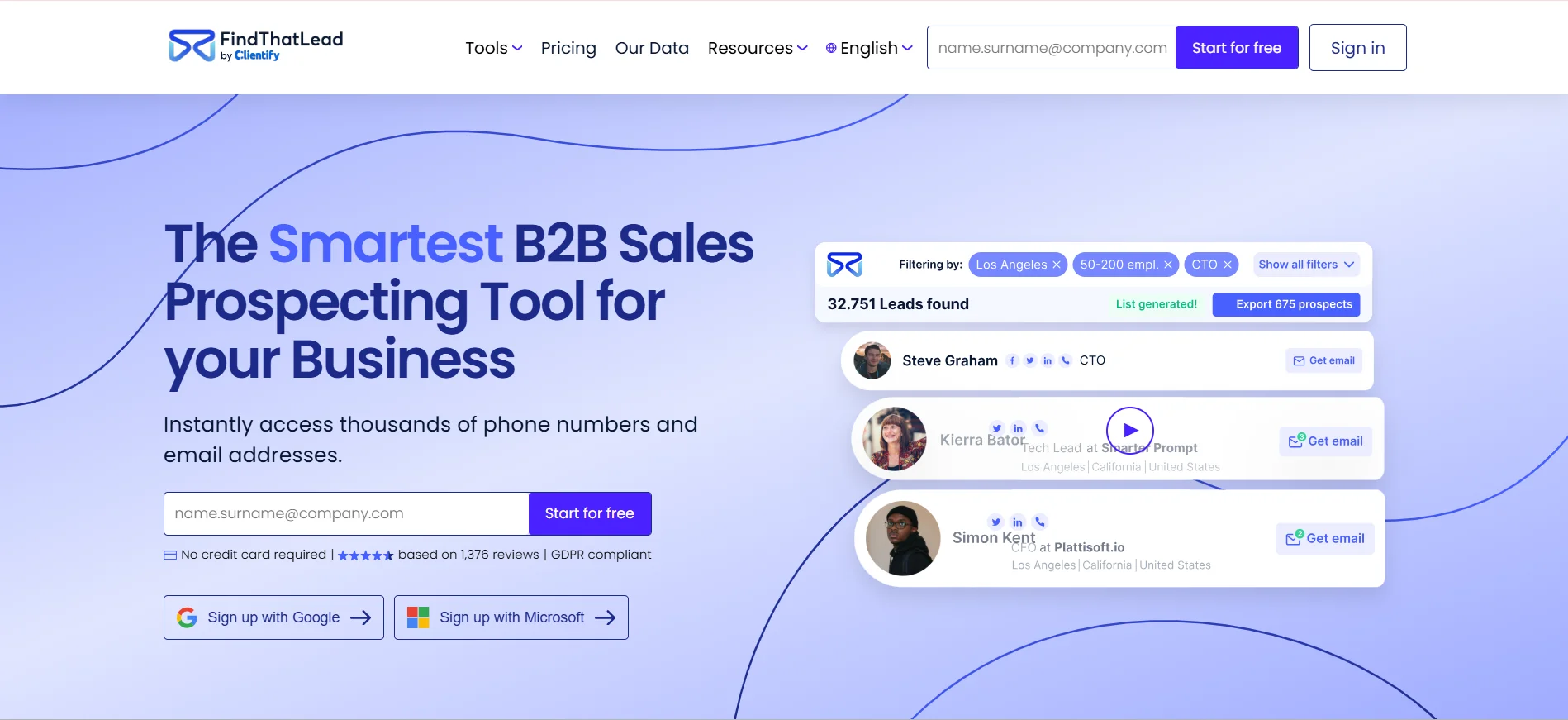
FindThatLead is a simple lead generation platform designed to help businesses discover business emails, phone numbers, and company contact information for outbound outreach.
The platform focuses on making prospecting easy for small businesses, freelancers, and growing sales teams.
One of its strongest advantages is usability.
The interface is beginner-friendly and allows users to search for leads quickly without needing advanced technical knowledge or complex setup processes.
Some useful features include:
- Business contact discovery
- Email verification tools
- Domain and company search
- CRM integrations
- Lead management workflows
FindThatLead works best for teams running lightweight outbound campaigns that need affordable prospecting tools without enterprise-level complexity.
While it may not offer the deep company intelligence found in larger platforms, it still provides enough functionality for everyday lead generation tasks.
Pricing
FindThatLead simplified its pricing in 2026 down to two paid tiers plus a trial, though credits do not roll over month to month:
- Free trial: $0 for 7 days, 50 email credits, 2 phone credits
- Starter: $49 per month, 2,000 email credits, around 50 phone credits
- Ultimate: $99 per month, unlimited email credits under fair use, a larger but still capped phone allowance
Older Growth and Suite tiers still appear in reviews but are no longer live.
Pros and Cons
Pros:
- Genuinely affordable entry price for email-focused prospecting
- Built-in CRM and campaigns mean no separate sender tool needed
- Chrome extension makes LinkedIn-based capture fast
Cons:
- Phone credit allowance is small and disproportionately expensive per number
- Credits expire at the end of each billing period, with no rollover
- Older pricing tiers still circulate in reviews, which can cause confusion
Conclusion
Finding accurate business phone numbers can significantly improve your sales outreach by helping your team connect with decision-makers faster.
The right business phone number finder tool not only saves prospecting time but also improves lead quality, response rates, and overall sales efficiency.
While some platforms focus mainly on contact databases, others combine enrichment, automation, and outreach workflows to simplify the entire outbound process.
The best choice depends on your team size, prospecting strategy, and outreach goals.
If you want more than just contact discovery, platforms like Oppora.ai can help streamline everything from finding verified corporate and personal phone numbers to automating outreach and managing conversations in one workflow.
Frequently Asked Questions (FAQs)
How do business phone number finder tools collect contact data?
Most tools gather data from public business sources, company websites, social platforms, partnerships, and proprietary databases. Many platforms also use AI-based enrichment and verification systems to keep business phone numbers and contact details updated and accurate.
Are business phone number finder tools legal to use for sales outreach?
Yes, most tools operate legally by collecting publicly available business data. However, your outreach strategy should still follow local data privacy regulations like GDPR or CAN-SPAM, especially when contacting prospects across different countries or regions.
Can I find mobile numbers of B2B decision-makers using these tools?
Some platforms provide only corporate contact numbers, while others also offer personal or mobile phone numbers for B2B leads. Tools like Oppora.ai focus on helping teams access both corporate and personal contact information for better outreach opportunities.
Which business phone number finder tool is best for startups?
Startups usually benefit from tools that balance affordability, ease of use, and automation. Platforms like Hunter.io, Lusha, and Oppora.ai are often suitable for smaller teams that need scalable prospecting without enterprise-level pricing.
Do business phone number finder tools integrate with CRM platforms?
Yes, many modern tools integrate with CRMs like Salesforce, HubSpot, and Pipedrive. These integrations help automate lead syncing, outreach tracking, contact enrichment, and follow-up workflows, reducing manual data entry for sales teams.
Summarize with AI
Share