AI Follow-Up Automation: How to Turn More Conversations Into Booked Meetings
Manasa Goli
Published July 29, 2026
9 min

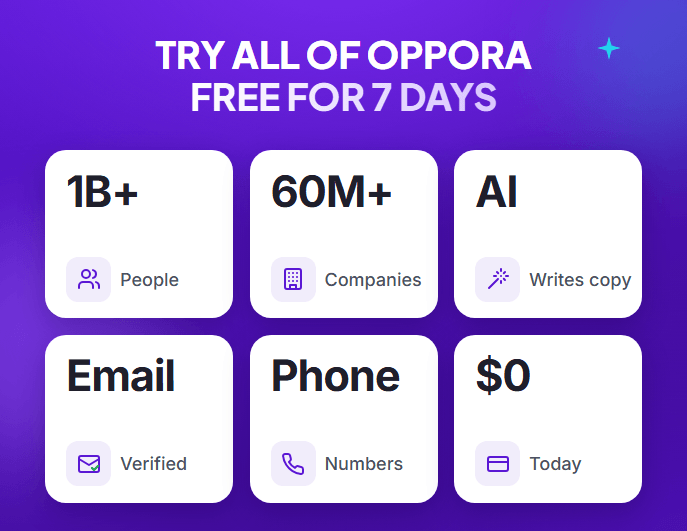
Complete Agentic Email Outreach
AI agents find and enrich prospects, personalize emails, follow up, and handle replies with your meeting link.
Start Your 7-Day Free Trial
Getting someone to reply to your outreach is only half the battle. The real challenge is keeping the conversation going until it turns into a booked meeting.
Many promising sales opportunities are lost because follow-ups are delayed, inconsistent, or too generic to capture a prospect's attention.
As your outreach grows, manually tracking every conversation becomes even more difficult, making it easy for qualified prospects to slip through the cracks.
That's where AI follow-up automation makes a real difference.
Instead of relying on fixed email sequences or manual reminders, AI analyzes prospect engagement, sends personalized follow-ups, responds to replies, and helps move conversations forward at the right time.
In this guide, you'll learn:
- What AI follow-up automation is and how it works
- Why manual follow-ups often fail
- How AI turns conversations into booked meetings
- How Oppora automates the entire follow-up process
- Best practices for improving your follow-up strategy
What Is AI Follow-Up Automation?
Now that you know why follow-ups matter, let's look at what AI actually brings to the process.
Traditional follow-up tools work on fixed schedules.
They send the same email after a predefined number of days, regardless of how your prospects interact with your outreach.
While this reduces some manual work, it still lacks the flexibility needed to keep conversations relevant.
AI follow-up automation takes a much smarter approach.
Instead of simply scheduling emails, AI continuously analyzes prospect behavior, understands the context of every conversation, and decides what should happen next.
Rather than moving every prospect through the same sequence, it adapts follow-ups based on signals like email opens, replies, link clicks, website visits, and previous interactions.
This allows you to maintain personalized conversations at scale without constantly monitoring every lead yourself.
With AI follow-up automation, you can:
- Generate personalized follow-up emails based on previous conversations.
- Adjust follow-up timing according to prospect engagement.
- Respond to common questions automatically.
- Prioritize prospects showing buying intent.
- Continue nurturing conversations until prospects are ready to book a meeting.
The biggest advantage is that AI doesn't simply automate repetitive tasks. It helps every follow-up feel timely, relevant, and conversational, making it easier to keep prospects engaged throughout the buying journey.
Why Manual Follow-Ups Cost You More Meetings Than You Think
Understanding what AI does is only part of the picture. To appreciate its value, you first need to understand why so many promising conversations never turn into meetings.
Most prospects don't respond after the first email.
They need reminders, additional information, and enough trust to continue the conversation. The challenge is that manual follow-ups become increasingly difficult to manage as your outreach grows.
1.Delayed responses slow down conversations
Timing plays a significant role in outbound sales.
If a prospect replies with a question and waits hours—or even days—for a response, their interest can quickly fade. By the time you respond, they may already be evaluating another solution.
2.Generic follow-ups fail to keep prospects engaged
Sending the same follow-up template to every prospect rarely delivers consistent results.
Every buyer has different priorities, challenges, and buying timelines. When your follow-up ignores those differences, it feels automated rather than helpful, making it easier for prospects to ignore your message.
3.Important conversations get buried
As your inbox becomes busier, keeping track of every conversation becomes much harder.
Some prospects receive multiple follow-ups while others are forgotten completely. Even highly interested leads can slip through the cracks simply because there isn't an effective system for managing conversations.
4.Manual follow-ups don't scale
Following up with a few prospects is manageable.
Following up with hundreds or thousands of prospects quickly becomes overwhelming.
Sales teams spend more time checking inboxes, creating reminders, and updating spreadsheets than actually building relationships with potential customers.
When follow-ups become inconsistent, every missed response becomes a missed opportunity.
That's why more businesses are replacing manual follow-up processes with AI-powered automation.
Suggested Reading:
How to Use ChatGPT for Sales (10 Best Uses of ChatGPT for Sales)How AI Follow-Up Automation Works
Now that you know why manual follow-ups become difficult, the next question is obvious—how does AI actually automate the process?
Unlike traditional email sequences that follow fixed schedules, AI continuously monitors every conversation and decides the next best action based on how each prospect engages.
Let's look at a simple example.
Step 1: The first outreach email is sent
Imagine you're running an outbound campaign for your business.
One of your prospects, Sarah, receives your first email.
She opens it but doesn't reply.
With a traditional email sequence, Sarah would simply receive another email three days later because that's how the campaign was configured.
AI doesn't work that way.
Instead of immediately preparing the next scheduled email, it starts monitoring Sarah's engagement to understand whether she's interested or simply hasn't had time to respond.
Step 2: AI monitors engagement
Rather than relying only on time delays, AI watches how Sarah interacts with your outreach.
It can analyze signals such as:
- Opening your email multiple times.
- Clicking links in your email.
- Visiting your website or pricing page.
- Downloading a guide or resource.
- Replying with a question.
- Ignoring previous emails.
Each interaction helps AI understand where Sarah is in the buying journey.
Someone who repeatedly visits your pricing page requires a different follow-up than someone who hasn't opened your email at all.
Step 3: AI decides the next best action
Once AI has enough context, it decides what should happen next.
For example:
- If Sarah never opens the email, AI may wait longer before following up.
- If she opens the email several times, AI may send a personalized reminder.
- If she visits your pricing page, AI may share customer success stories or pricing-related information.
- If she replies with a question, AI shifts the conversation toward answering it instead of sending another scheduled email.
- If she shows buying intent, AI focuses on helping her book a meeting.
Instead of treating every prospect the same, AI adapts every follow-up based on real engagement.
Step 4: AI writes personalized follow-ups
Now imagine Sarah opened your email twice but still hasn't replied.
Instead of sending another generic message like "Just checking in," AI generates a follow-up based on your previous conversation.
If your first email discussed reducing operational costs, the follow-up might share a relevant customer success story.
If Sarah visited your pricing page, the next email may explain your pricing model or answer common pricing questions.
Because the message reflects the context of the conversation, it feels like a natural continuation rather than another automated reminder.
Step 5: AI knows when to stop
One of the biggest problems with traditional automation is that it continues sending emails even after a prospect replies.
AI avoids this completely.
The moment Sarah responds, the follow-up sequence pauses automatically.
If she asks a question, AI shifts its focus to helping continue the conversation instead of sending irrelevant scheduled follow-ups.
Step 6: AI helps turn conversations into meetings
The goal of follow-up automation isn't simply sending more emails.
It's helping prospects move naturally toward the next step.
If Sarah replies saying she's interested, AI can answer common questions, share additional resources, and automatically send a meeting booking link when the conversation reaches that stage.
Instead of relying on manual intervention throughout the process, AI keeps every conversation progressing until it's ready for a sales meeting.
How AI Follow-Up Automation Helps You Turn More Conversations Into Booked Meetings
Generating replies is important, but replies alone don't drive revenue. The real objective of every follow-up is to keep the conversation moving until a prospect is ready to book a meeting.
Here's how AI follow-up automation helps make that happen.
1. Reaches prospects at the right time
Following up too early can feel pushy, while waiting too long can cause prospects to lose interest.
AI monitors engagement signals like email opens, link clicks, and website visits to determine the best time for the next follow-up, increasing the chances of getting a response.
2. Keeps every follow-up relevant
Prospects are more likely to reply when follow-ups reflect their interests and previous interactions.
Instead of sending the same reminder to everyone, AI generates personalized messages based on the conversation, making every follow-up feel more natural and valuable.
3. Responds before interest fades
A delayed response can slow down momentum and reduce the chances of booking a meeting.
AI helps keep conversations active by responding to common questions, sharing relevant information, and ensuring prospects receive timely communication throughout the sales process.
4. Identifies prospects who are ready to buy
Not every lead has the same level of interest.
AI analyzes engagement signals to identify prospects who are actively considering your solution, allowing your sales team to focus on the conversations most likely to convert into meetings.
5. Makes booking a meeting effortless
Once a prospect is ready to take the next step, AI can automatically share a scheduling link or prompt them to book a meeting.
By removing unnecessary back-and-forth emails, it shortens the path from initial interest to a confirmed sales conversation.
When every follow-up is timely, personalized, and aligned with buyer intent, you're not just sending more emails—you’re creating more opportunities to turn conversations into booked meetings.
Suggested Reading:
How to Find Someone's Email on InstagramBest Practices for AI Follow-Up Automation
Even with AI handling your follow-ups, following a few best practices can help you generate more replies and book more meetings.
- Set a clear goal for every follow-up: Every email should encourage a specific action, whether it's replying, booking a demo, or exploring a resource.
- Personalize beyond the first name: Use AI to reference previous conversations, prospect behavior, or company-specific details to make every follow-up feel relevant.
- Follow up based on engagement: Let AI adjust timing based on actions like email opens, link clicks, or website visits instead of using fixed schedules.
- Provide value in every message: Share helpful insights, case studies, or answers to common questions instead of sending repetitive reminder emails.
- Balance AI with human interaction: Let AI handle routine follow-ups, but involve your sales team when conversations require personalized advice or negotiations.
- Test and optimize your sequences: Regularly experiment with subject lines, messaging, follow-up timing, and CTAs to improve reply and meeting rates.
- Know when to stop: Avoid endless follow-ups. If a prospect remains unresponsive, pause the sequence and reconnect later through a new campaign or channel.
Conclusion
Following up consistently is one of the biggest challenges in sales, but it's also one of the most important factors in turning interest into booked meetings.
As your outreach grows, manually tracking every conversation becomes difficult, leading to delayed responses and missed opportunities.
AI follow-up automation solves this by helping you send timely, personalized follow-ups, respond to prospects faster, and keep conversations moving without constant manual effort.
Instead of relying on fixed email sequences, AI adapts to each prospect's engagement, making every interaction more relevant.
Whether you're a founder managing sales yourself or a growing team handling hundreds of conversations, the right AI follow-up automation tool can save time, improve response rates, and help you convert more prospects into customers.
The key is choosing a solution that aligns with your sales process and supports your team as you scale.
Frequently Asked Questions
1. Can AI follow-up automation work across multiple communication channels?
Yes. Many AI follow-up platforms support email alongside channels like LinkedIn, SMS, or messaging apps. This allows businesses to maintain consistent communication with prospects without managing separate follow-up workflows for each channel.
2. How many follow-up emails should you send before stopping?
While there's no universal number, most sales teams send between 4 and 7 follow-ups depending on the sales cycle. Instead of relying on a fixed number, AI follow-up automation can adjust or pause sequences based on prospect engagement.
3. Can AI follow-up automation help improve email deliverability?
Indirectly, yes. By sending more relevant emails, stopping follow-ups after a reply, and maintaining consistent outreach patterns, AI can help reduce unnecessary emails that may negatively impact deliverability.
4. Is AI follow-up automation suitable for small businesses?
Absolutely. Small businesses and startups often have limited sales resources. AI follow-up automation helps them maintain consistent communication with prospects without hiring a larger sales team.
5. Can AI personalize follow-ups for different industries?
Yes. Modern AI tools can generate follow-ups based on your prompts, previous conversations, industry context, and prospect information, making outreach more relevant across different industries and customer segments.
6. What's the difference between AI follow-up automation and traditional email sequences?
Traditional email sequences follow predefined schedules and templates. AI follow-up automation analyzes prospect behavior, adapts messaging, adjusts timing, and can respond to replies, making conversations feel more natural and personalized.
7. How do you measure the success of AI follow-up automation?
The most common metrics include reply rate, meeting booking rate, email response time, conversion rate, and the percentage of prospects that progress through your sales pipeline after follow-ups.
8. Can AI follow-up automation integrate with CRM software?
Yes. Most AI follow-up platforms integrate with popular CRM systems to automatically update contact records, track conversation history, and keep your sales pipeline organized without manual data entry.
Summarize with AI
Share