Instantly AI vs Lemlist: Automation, AI & Deliverability Compared
Adam Hossain
Published May 14, 2026
13 min
Complete Agentic Email Outreach
AI agents find and enrich prospects, personalize emails, follow up, handle replies, and book meetings automatically.
Claim Your FREE Credits
Choosing between Instantly AI and Lemlist sounds simple until you actually start scaling outbound. One tool may help with cold email automation, while the other focuses more on multichannel personalization.
But once you start managing inboxes, deliverability, lead quality, follow-ups, and campaign workflows together, the gaps become easier to notice.
That is why comparing features alone is not enough anymore.
In this guide, you’ll learn:
- How Instantly AI and Lemlist compare on automation and AI
- Which platform handles deliverability and scaling better
- Where both tools still create operational bottlenecks
- Why many teams are shifting toward more complete AI sales systems
Instantly AI vs Lemlist: Quick Overview
At a glance, Instantly AI and Lemlist both help you automate cold outreach. But once you start using them daily, their approach to outbound feels very different.
What is Instantly AI best known for?
Instantly AI is best known for:
- Cold email automation at scale
- Inbox rotation and warm-up features
- Managing multiple sending accounts together
- Simple campaign workflows for outbound teams
What is Lemlist best known for?
Lemlist is commonly used for:
- Personalized cold email campaigns
- LinkedIn outreach automation
- Dynamic images and custom intro lines
- Multichannel prospect engagement workflows
Both tools solve outbound problems differently, which becomes more important as your outreach volume grows.
Suggested Reading:
Cold Email vs LinkedIn: Which Performs Better for B2B Outreach?Automation Comparison: Which Tool Saves More Manual Work?
Automation is where the difference between these platforms becomes more visible. Both tools help reduce repetitive outreach tasks, but they do not automate the entire outbound workflow equally.
Campaign setup and workflow automation
Instantly AI keeps campaign setup relatively simple.
You can connect inboxes, upload leads, build sequences, and launch campaigns quickly without much technical learning.
That simplicity works well for teams focused mainly on cold email volume.
Lemlist takes a more workflow-driven approach. It allows users to combine email steps, LinkedIn actions, and personalization into one outreach sequence.
This creates more flexibility, but setup can feel heavier when campaigns become more advanced.
Suggested Reading:
How to Automate a Cold Email Drip Campaign (Step-by-Step)Multi-inbox management and scaling outreach
When scaling outbound, inbox management becomes a major operational task.
Instantly AI is generally stronger here because it is heavily built around scaling cold email infrastructure.
Users can manage multiple inboxes, rotate sending accounts, and distribute outreach volume more efficiently.
Lemlist supports multiple inboxes too, but scaling large outbound operations may require more manual coordination across campaigns and sending accounts.
For growing teams, this difference becomes noticeable very quickly.
Follow-ups, triggers, and sequence control
Both tools support automated follow-ups and sequence management, but neither fully removes manual oversight.
Common automation features include:
- Scheduled follow-up sequences
- Reply detection and campaign stopping
- Basic personalization variables
- Sequence timing controls
However, users still need to monitor deliverability, optimize messaging, clean lead lists, and adjust workflows manually over time.
That is usually where outbound teams start looking for deeper AI-driven automation systems instead of campaign-only tools.
Suggested Reading:
15 Follow-Up Email Templates for Sales, Networking, and No ResponseAI Features Compared: Which Platform Uses AI More Effectively?
AI is now a major selling point in almost every outbound platform.
But in practice, not all AI features reduce real workload. Some mainly assist with writing, while others help automate larger parts of the outreach process.
How Instantly AI uses AI in outreach
Instantly AI primarily uses AI to support email creation and campaign optimization.
Users can generate cold email copy, create variations, and speed up personalization during campaign setup.
The platform also helps simplify outbound execution by combining AI-assisted writing with inbox scaling tools.
However, most of the intelligence still revolves around improving campaign efficiency rather than running outbound autonomously.
Teams still need to define targeting, upload lead lists, monitor replies, and adjust campaign logic manually.
Suggested Reading:
Top 9 AI Outreach Tools to Supercharge Your Sales and MarketingLemlist’s AI personalization and campaign assistance
Lemlist focuses more heavily on AI-driven personalization.
Its AI features are designed to help users craft more human-looking outreach messages across email and LinkedIn sequences. This becomes useful for teams prioritizing personalization quality over sending volume.
Lemlist also assists with:
- Personalized intro generation
- Dynamic outreach messaging
- Multichannel campaign suggestions
- AI-assisted copy improvements
The platform performs well when relationship-based outreach matters more than aggressive scaling.
Where both platforms still require manual involvement
Even with AI features, both tools still depend heavily on human management behind the scenes.
Users still handle:
- Lead sourcing and qualification
- Campaign strategy decisions
- Deliverability monitoring
- Inbox management
- Reply handling and meeting coordination
This is the biggest limitation many growing outbound teams eventually face.
The AI helps improve campaigns, but it does not fully replace the operational work required to run outbound consistently at scale.
Deliverability Test: Which Tool Helps Emails Land in Inbox?
Deliverability is where most outbound campaigns quietly fail.
You can have strong copy and accurate targeting, but if emails land in spam folders, the entire outreach system breaks down.
That is why inbox placement matters just as much as automation.
Email warm-up capabilities
Instantly AI is widely known for its built-in warm-up system. Users can automatically warm inboxes, build sender reputation gradually, and prepare domains before scaling campaigns.
This makes Instantly AI attractive for teams sending large outbound volumes consistently.
Lemlist also provides email warm-up functionality through Lemwarm. It helps improve sender trust and supports healthier outreach performance over time.
Both tools understand that warming inboxes is no longer optional for cold outreach.
Suggested Reading:
10 Email Warm Up Tools That Fix Deliverability Issues FastInbox rotation and sending infrastructure
As outreach volume increases, relying on a single inbox becomes risky very quickly.
Instantly AI performs strongly here because its infrastructure is heavily designed around inbox rotation and scalable email sending.
Users can connect multiple accounts and distribute sending activity more efficiently across inboxes.
Lemlist supports multi-inbox outreach too, but its core strength still leans more toward personalization workflows than aggressive email scaling infrastructure.
For high-volume outbound teams, this operational difference becomes important.
Spam prevention and sender reputation management
Both platforms include features that help reduce spam risks, including:
- Sending limits and pacing controls
- Warm-up management
- Reply detection
- Domain reputation support
However, deliverability still depends heavily on user behavior.
Poor lead quality, overly aggressive sending, weak personalization, or bad domain setup can still damage sender reputation regardless of the platform being used.
Suggested Reading:
How to Prevent Emails From Going to Spam (12 Deliverability Fixes That Work)Personalization & Outreach Experience Compared
Modern outbound is no longer just about sending more emails.
Buyers now expect outreach to feel relevant, timely, and personalized instead of looking like mass automation.
That is where personalization capabilities start making a major difference.
Email personalization depth
Lemlist has built much of its reputation around personalized outreach.
The platform allows users to create dynamic email experiences using custom intro lines, personalized images, variables, and multistep messaging flows.
This makes campaigns feel more human, especially for account-based outreach or relationship-driven sales.
Instantly AI also supports personalization variables and AI-assisted email writing, but its overall focus stays more aligned with scalable outbound efficiency than deep creative personalization.
For teams prioritizing sending volume, that approach often works well.
LinkedIn and multichannel outreach support
Outbound today usually extends beyond email alone.
Lemlist performs strongly in multichannel outreach because users can combine:
- Email sequences
- LinkedIn connection requests
- Follow-up actions
- Personalized touchpoints across channels
This creates a more connected outreach experience for prospects.
Instantly AI remains more email-focused overall. While it supports outbound automation effectively, multichannel orchestration is not its primary strength compared to Lemlist.
Campaign customization flexibility
Both platforms allow users to customize campaign flows, timing, and outreach sequences.
However, more flexibility also creates more operational complexity.
Lemlist gives users deeper control over multichannel campaign paths and personalization layers. Instantly AI keeps workflows simpler and easier to launch quickly at scale.
The better choice usually depends on your outbound style.
If your priority is relationship-driven engagement, Lemlist may feel stronger.
If your priority is scaling cold email operations efficiently, Instantly AI often feels easier to manage.
Lead Generation Capabilities: What You Still Need Outside These Tools
As outbound teams grow, outreach alone is rarely enough. You also need reliable lead sourcing, enrichment, verification, and qualification to keep campaigns performing consistently.
This is where many users start noticing the limitations of standalone outreach platforms.
Why Instantly AI focuses mostly on outreach
Instantly AI is primarily designed for outbound execution rather than complete lead generation workflows.
The platform performs well for:
- Cold email automation
- Inbox scaling
- Campaign management
- Deliverability support
However, users often still rely on external tools for prospect discovery, enrichment, and deeper lead intelligence.
That means your outbound workflow can quickly become spread across multiple platforms.
Lemlist’s limitations around lead sourcing and enrichment
Lemlist also focuses more heavily on engagement workflows than large-scale lead data infrastructure.
Its personalization and multichannel capabilities are strong, but many teams still depend on third-party tools for:
- Lead database access
- Contact enrichment
- Email verification
- Buying signal data
Over time, managing separate tools for sourcing, enrichment, outreach, and follow-up can create operational complexity.
That fragmentation is often what pushes growing sales teams toward more unified outbound systems.
Pricing Breakdown: Which Tool Gives Better Value?
Pricing becomes more important once your outbound operation starts scaling. At first, both platforms may seem affordable.
But inbox limits, credits, users, and add-ons can increase costs much faster than expected.
Instantly AI pricing explained
Instantly AI currently starts around $37/month for its Growth plan, which includes outreach features, warm-up, and limited sending capacity. Higher plans include:
- Hypergrowth: around $97/month
- Light Speed: around $358/month for larger-scale sending operations
One reason many teams choose Instantly AI is its focus on scalable cold email infrastructure without strict per-user pricing.
The platform is generally more cost-efficient for teams prioritizing outbound volume and inbox scaling.
Lemlist pricing explained
Lemlist uses a per-user pricing model.
Its main plans currently include:
- Email Pro: $79/user/month
- Multichannel Expert: $109/user/month
- Enterprise: custom pricing for larger teams
Lemlist also charges separately for additional enrichment credits, phone data, WhatsApp automation, and extra sending infrastructure.
This pricing structure can become expensive for growing teams with multiple SDRs.
Credit systems, limits, and scaling costs
Both platforms include limits tied to credits, inboxes, or sending capacity.
Common scaling costs usually come from:
- Additional inbox accounts
- Lead enrichment credits
- Higher sending volumes
- Extra users and seats
- Deliverability add-ons
As outreach scales, many teams realize the actual monthly cost is often much higher than the starting plan price.
Where Instantly AI and Lemlist Start Creating Bottlenecks
At first, both Instantly AI and Lemlist feel powerful enough for managing outbound campaigns.
But as outreach volume grows, many teams start noticing operational gaps that create extra manual work instead of reducing it.
The biggest issue usually appears when outreach tools are separated from lead intelligence and workflow automation.
Managing outreach without built-in lead intelligence
Instantly AI focuses heavily on outreach infrastructure, while Lemlist prioritizes engagement and personalization.
But neither platform fully solves lead sourcing, enrichment, qualification, and verification inside one connected workflow.
That means teams often need additional tools for:
- Finding leads
- Verifying emails
- Enriching contact data
- Scoring prospects
- Updating CRMs
As outbound scales, switching between multiple tools slows execution and creates inconsistent data quality across campaigns.
The operational complexity of disconnected sales tools
Most growing outbound teams eventually build a stack of disconnected platforms around Instantly AI or Lemlist.
One tool handles leads, another manages email verification, while a separate platform controls CRM syncing or analytics.
The problem is not just cost.
The real bottleneck is operational complexity.
Teams spend more time managing workflows, fixing integrations, and monitoring deliverability than actually improving conversations and pipeline growth.
Even small campaign changes can require multiple manual adjustments across different systems.
Why growing teams outgrow partial automation
Partial automation works for smaller outbound setups.
But once teams manage larger prospect lists, multiple inboxes, and ongoing follow-ups, they usually need systems that automate the entire outbound workflow instead of isolated tasks.
That is where traditional outreach tools often start feeling limiting rather than scalable.
Suggested Reading:
10 Best Instantly AI Alternatives (Free & Paid Tools Compared)Why Oppora is a Better Alternative to Instantly and Lemlist?
Once outbound teams start dealing with multiple tools, fragmented workflows, and growing manual work, the focus shifts from “sending campaigns” to building a system that can manage outbound end-to-end.
That is where Oppora positions itself differently from Instantly AI and Lemlist.
Oppora combines lead generation, outreach, and AI automation in one platform
Instead of separating lead sourcing, enrichment, outreach, verification, and follow-ups across different platforms, Oppora brings everything into one connected workflow.
You can:
All without constantly moving data between disconnected tools.
This reduces operational complexity and gives teams more visibility across the entire outbound process.
8 AI sales agents handle workflows automatically instead of manual campaign management
Most outbound tools still depend heavily on manual setup and ongoing supervision.
Oppora uses 8 AI sales agents that work together across the workflow instead of automating isolated tasks.
These AI agents can:
- Find target accounts
- Score and enrich leads
- Generate personalized outreach
- Reply to prospects
- Qualify interest
- Book meetings automatically
Instead of logging in daily to manage campaigns manually, teams can build workflows once and let the system continue running.
Built-in deliverability protection helps scale outreach safely
Scaling outbound is not only about sending more emails.
Oppora includes built-in deliverability features like inbox rotation, domain warm-up, sender matching, and AI-powered personalization to reduce spam risks while maintaining outreach quality.
Waterfall lead sourcing improves contact accuracy and enrichment
One major limitation with Instantly AI and Lemlist is that both platforms still rely heavily on external data providers for prospecting and enrichment.
That often creates inconsistent lead quality and forces teams to pay for additional tools.
Oppora solves this differently through waterfall lead sourcing.
Instead of depending on a single database, it pulls verified contact data from multiple enrichment providers to improve accuracy and reduce missing information.
This helps you spend less time cleaning lead lists and more time focusing on outreach execution.
AI-powered replies and meeting booking reduce manual follow-ups
Most outreach platforms automate sending emails, but conversations still require manual effort after replies arrive.
Oppora’s AI reply agents can automatically respond to leads, handle objections, qualify interest, and even book meetings directly from your inbox.
That removes a large amount of repetitive SDR work that usually slows outbound teams down as reply volume increases.
Flexible pricing without fragmented credits and feature restrictions
Pricing is another area where Oppora stands out compared to Instantly AI and Lemlist.
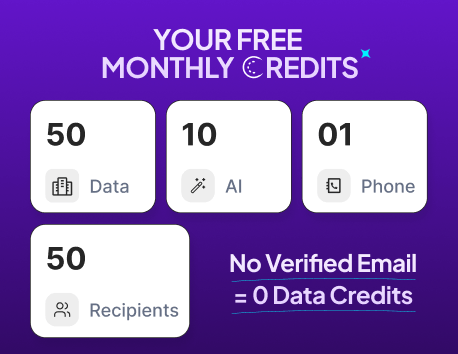
Oppora starts with a free plan, while paid plans begin at $34/month and $79/month.
Unlike many outreach tools that separate lead generation, enrichment, and outreach into different pricing systems, Oppora combines them under one structure.
Some additional pricing advantages include:
- Separate credits for different tasks
- Mini add-on packs starting at $7
- No forced upgrades for small scaling needs
Unlimited campaigns and scalable inbox infrastructure for growing teams
Oppora also supports unlimited campaigns, inbox rotation, and up to 50 mailboxes for larger outbound operations.
That gives growing teams more room to scale without hitting artificial campaign or sending restrictions.
Final Verdict: Which Platform Wins on Automation, AI & Deliverability?
Instantly AI and Lemlist are both strong outbound platforms, but they solve different problems.
Instantly AI works better for teams focused on scaling cold email volume and inbox infrastructure, while Lemlist is stronger for personalization and multichannel engagement.
However, both platforms still require multiple external tools for lead sourcing, enrichment, workflow automation, and reply management as teams grow.
That is where Oppora creates a different experience. Instead of giving you isolated outreach features, it combines lead generation, AI agents, deliverability protection, replies, and meeting booking into one connected system.
If your goal is building a scalable outbound engine with less manual work, Oppora is worth exploring before committing to a fragmented outbound stack.
Frequently Asked Questions (FAQs)
Is Instantly AI better for agencies than Lemlist?
Instantly AI is often preferred by agencies running high-volume cold email campaigns because of its inbox rotation and deliverability features.
Lemlist usually works better for teams that prioritize personalization and multichannel engagement over sending volume.
Can Lemlist and Instantly AI fully replace a CRM?
No. Both tools support outreach workflows, but most growing teams still rely on CRMs like HubSpot or Salesforce for pipeline management, reporting, and long-term customer tracking.
What is the biggest challenge when scaling outbound campaigns?
Deliverability usually becomes the biggest issue. As sending volume increases, teams must manage domain reputation, inbox rotation, warm-up, and reply handling carefully to avoid spam issues and declining response rates.
Do outbound sales tools require multiple inboxes for scaling?
Yes. Most teams scaling cold outreach safely use multiple sending inboxes to distribute email volume and protect sender reputation. This also helps maintain healthier deliverability across campaigns.
Why do growing outbound teams move toward AI sales automation platforms?
As outreach grows, manually managing leads, campaigns, replies, follow-ups, and CRM updates becomes difficult.
AI sales automation platforms help reduce repetitive work and create more scalable outbound systems with fewer operational bottlenecks.
Summarize with AI
Share